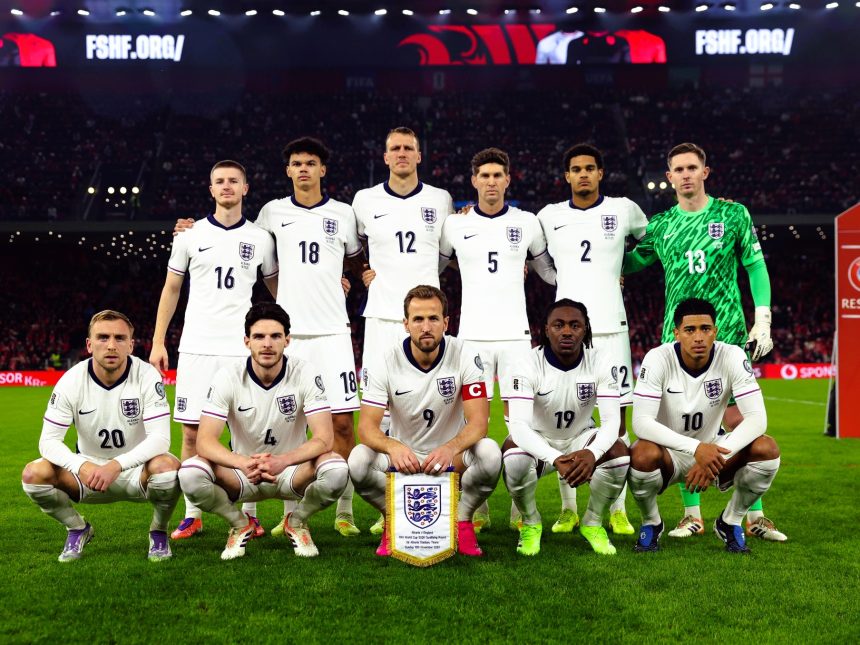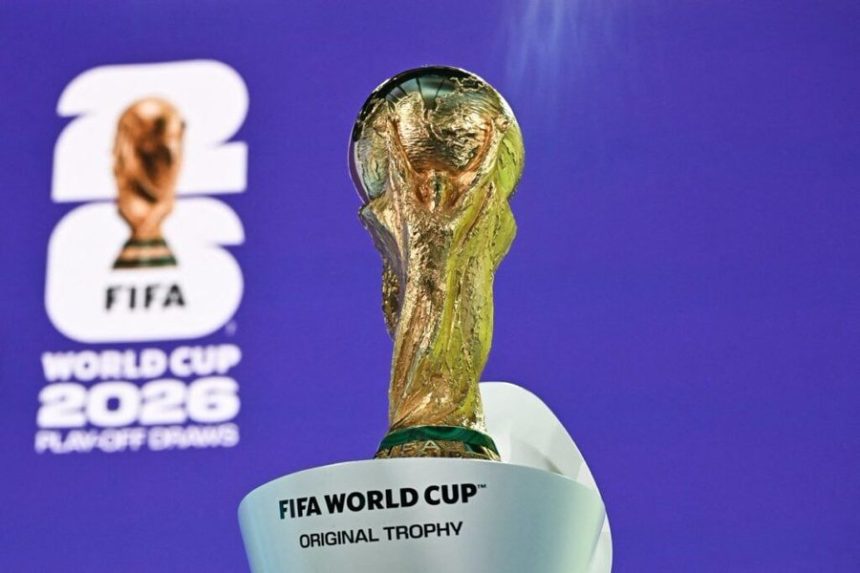








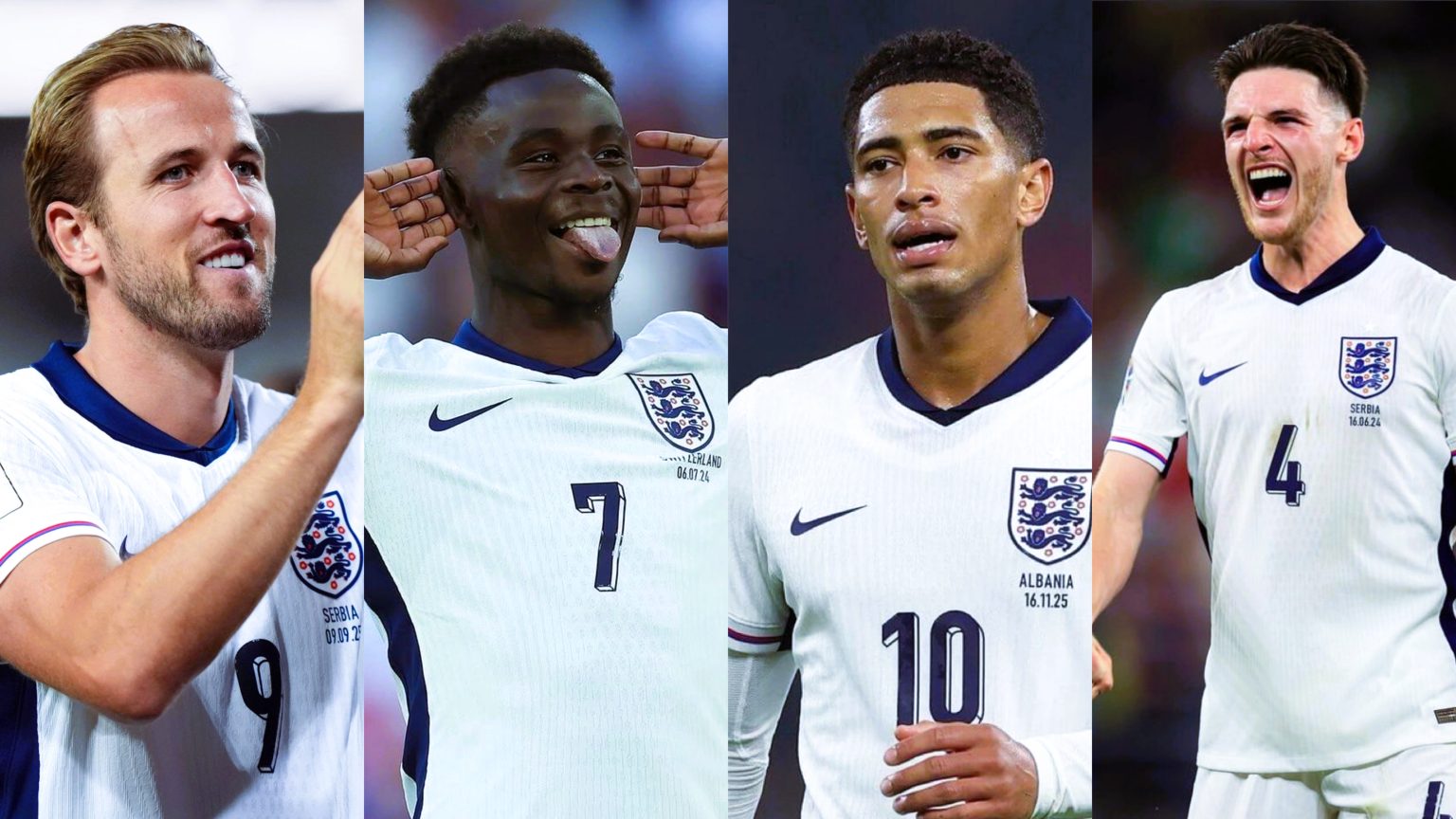

There’s something different about this England side. Not just the coach, not just the personnel — something deeper.
Thomas Tuchel’s arrival as head coach signalled a genuine reset, and the squad he’s assembled for the 2026 FIFA World Cup feels like a deliberate statement of intent. Structured. Intense. Built to go deep in tournaments rather than simply show up and implode.
But Tuchel’s 26-man squad came with controversy. When the names were confirmed, the absences hit hard: Phil Foden left out. Cole Palmer gone. Trent Alexander-Arnold nowhere to be seen. Harry Maguire’s England career quietly ended.
These aren’t fringe players — in most managers’ thinking, they’d be nailed-on starters. Tuchel clearly has different priorities, and the players who made the cut now carry an enormous weight of expectation.
So, who are the stars England will be leaning on across the next few weeks in North America? Here’s the full picture.
Why England Are Serious World Cup 2026 Contenders
Forget the false dawns. Forget Southgate-era caution. This squad has genuine quality from back to front, and the spine — Pickford, Rice, Bellingham, Kane — is among the most formidable in the tournament.
The young generation blending with experienced heads gives Tuchel real options. Unlike previous England squads that felt stitched together from disconnected club contexts, there’s a coherence here.
Several of these players have shared experiences — Euro 2024 final, Champions League campaigns, high-pressure Premier League title races. They know what knockout football demands.

Tuchel’s tactical flexibility is another genuine asset. He’s never been a rigid system man. At Chelsea and Bayern, he adjusted game-by-game, sometimes mid-match.
England will not set up the same way against Tunisia as they would against France, and in a 48-team World Cup, that adaptability matters more than ever.
The squad depth, on paper, is real. Yes, the high-profile omissions sting. But the replacements are not passengers — they’re hungry, emerging players who arguably press harder and cover more ground. In a gruelling tournament schedule, that has genuine tactical value.
England Key Players for World Cup 2026
Harry Kane
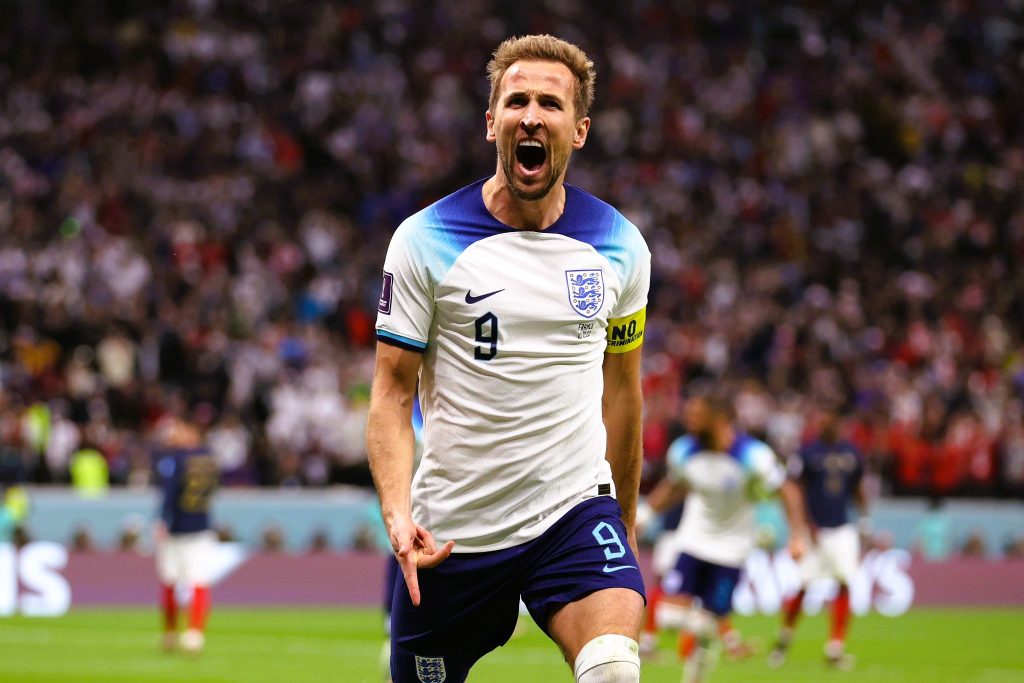
England’s all-time record scorer carries the armband and the burden in roughly equal measure. Kane arrives at this World Cup having spent two Bundesliga seasons proving himself at the very highest level for Bayern Munich.
His goals record in Germany has been absurd. Whatever his doubters said about whether he could perform outside the Premier League, he answered emphatically.
But the World Cup question mark with Kane isn’t about quality — it’s about timing. At 31, this is almost certainly his last realistic shot at the trophy.
Russia 2018. Qatar 2022. Two tournaments, two golden boot contenders, two early exits. None of it Kane’s fault, really, but that context sits heavily regardless.
His role in Tuchel’s system is central — literally and metaphorically. He drops deep to link play, holds the line, stretches defences, finishes clinically.
He’s not the explosive penalty box striker he might have been at 24; he’s evolved into something more complete and, frankly, harder to defend.
If England are going to win this thing, Kane needs to stay fit and find the net in the knockouts. Simple as that.
Jude Bellingham
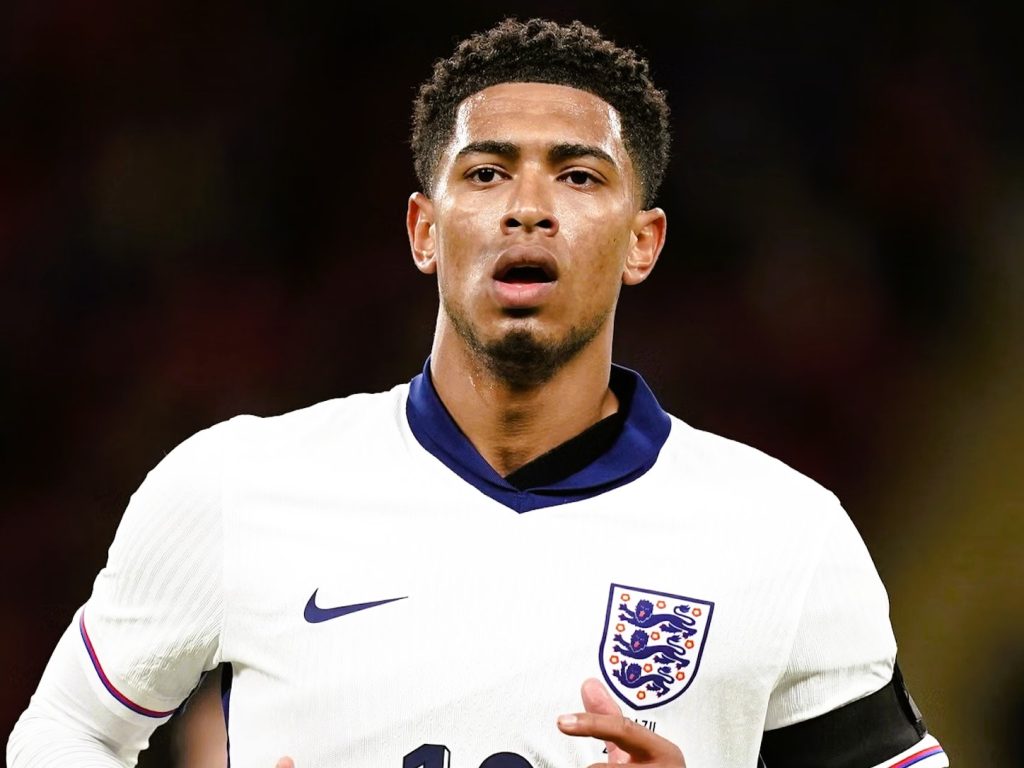
There are a handful of players at any World Cup who you sense the tournament will be about. Bellingham feels like one of those players in 2026.
Real Madrid’s marquee midfield presence, Champions League winner, box-to-box monster with the kind of late-run goals that stop you cold mid-sentence.
What’s evolved in Bellingham since Euro 2024 is his patience. He was electric in Germany but occasionally erratic in his decision-making at the highest level.
The club football since — the growth at Madrid, the pressure of the Bernabeu — seems to have sharpened something in him. He picks moments better now. He controls games rather than chasing them.
Tuchel knows him well from their overlapping time in Germany, which helps enormously. There’s trust there.
Bellingham will be given licence that might not have existed under Southgate’s more cautious setup. How he uses that licence, particularly in the knockout rounds, will define England’s entire tournament.
If he turns up in quarterfinals the way Mbappe or Messi do for their countries — decisive, irreplaceable — England win the World Cup. It really does feel that stark.
Bukayo Saka
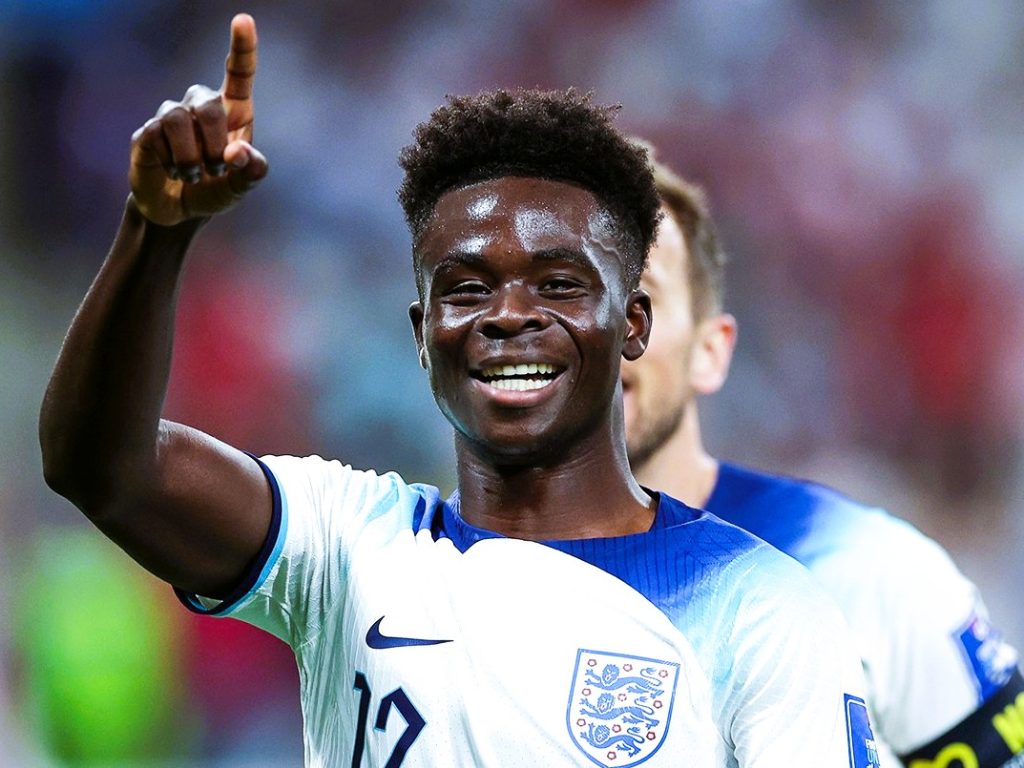
He has been England’s most consistent attacking player for three years and is also in Tuchel’s sights in North America.
Euro 2020, penalty miss, recovery, redemption arc – Saka has lived through more emotionally as a footballer than many have in their entire career before his 24th birthday.
He has emerged from the other side as someone who seems to thrive under pressure rather than succumb to it.
At Arsenal, the combination of technical quality and relentless engine has made him one of the Premier League’s finest.
For England, he offers something different to most wide players: he can score, he can assist, he can switch positions mid-game, and he presses with the intensity of a winger ten years his senior.
In a Tuchel side built on hard pressing and quick transitions, Saka is tailor-made. He’ll work back when needed, but he’ll also arrive into the box at exactly the right moment.
His delivery from wide positions has improved year on year. And against deeper defensive blocks — which England will inevitably face in the knockout stages — his ability to cut inside and create something from nothing may be worth more than any set-piece routine.
Declan Rice
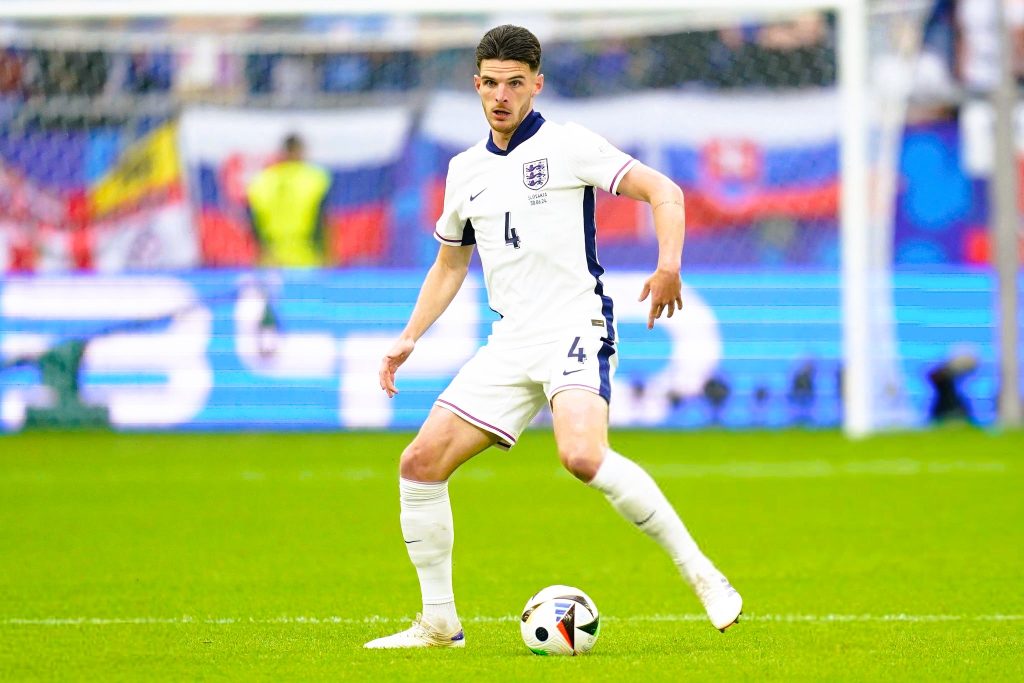
You can trace England’s improvement over the past three years partly through Declan Rice’s development. He’s no longer just the defensive midfielder doing the ugly work so others can shine.
He’s evolved into a proper box-to-box presence with genuine goal threat and the reading of the game that only comes with playing hundreds of top-level matches.
At Arsenal, he’s been extraordinary. The physical stats don’t capture it fully — what makes Rice so valuable is his positioning, his anticipation, his ability to be in the right place before the problem arrives rather than reacting to it.
That football intelligence is irreplaceable at tournament level, where a single moment of poor shape can end your campaign.
His partnership with Bellingham in the middle will be England’s foundation. Rice provides the balance Bellingham needs to operate higher up the pitch. When England lose the ball, Rice becomes the first line of recovery.
When they have it, he’s the pivot. In a tournament where moments of defensive chaos can unravel weeks of good work, having Rice in that double pivot alongside Elliot Anderson gives Tuchel genuine structural security.
Morgan Rogers
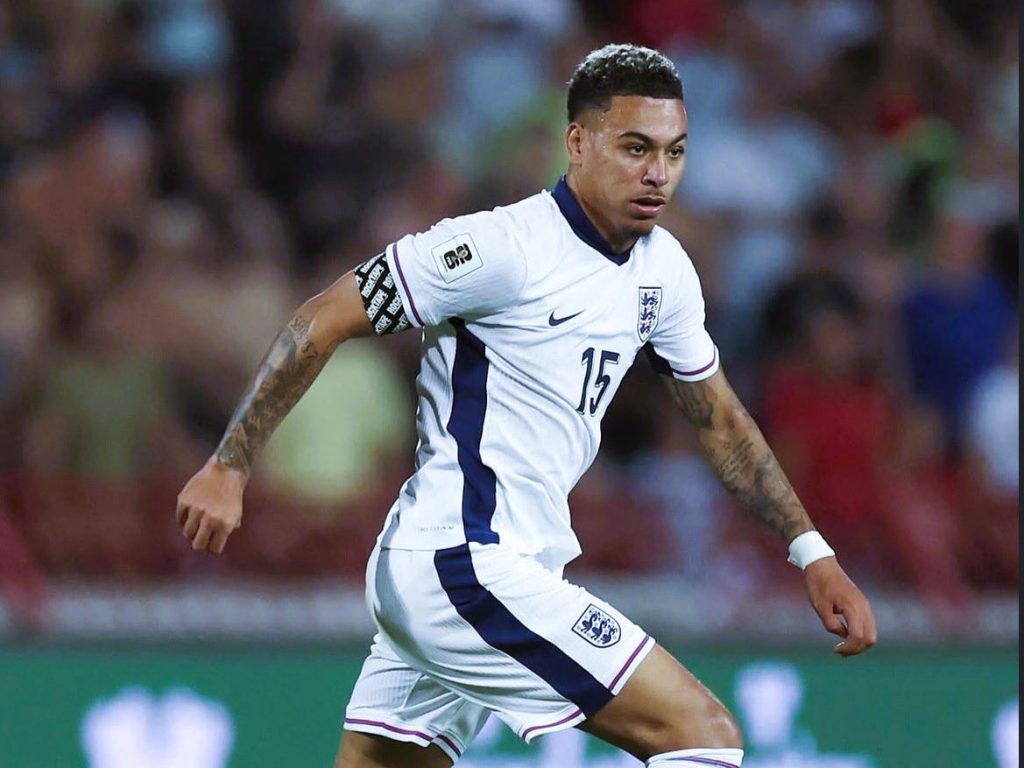
Every World Cup has one — the player nobody quite expected to become important, who suddenly becomes the tournament’s talking point. Morgan Rogers feels like England’s candidate for that role.
His rise through the Aston Villa ranks has been rapid and genuinely impressive. Versatile enough to play across the midfield and attacking third, Rogers has the creativity and intensity Tuchel prizes.
The Germany-based manager has spoken about wanting players who can interpret his system instinctively, and Rogers — still developing, still hungry — fits that mould.
He might not start every game. He might not even start the opener. But when Rogers comes on — or when the plan changes and Tuchel needs energy and unpredictability off the bench — he could be the difference maker England have sometimes lacked.
Anthony Gordon and Kobbie Mainoo are in similar positions: players who could easily be starters for half the nations in this tournament, waiting their turn in an unusually competitive England squad.
England’s Biggest Surprise Omissions From the Squad
Why Tuchel Shocked Fans With His Selection Decisions
It’s worth sitting with the scale of this for a moment. Foden and Palmer — two of the most gifted footballers England have produced in a generation — are not going to the World Cup.
Neither is Alexander-Arnold, who for all the debates about his defensive positioning, is one of the most creative full-backs on the planet.
The reasons aren’t hard to read, even without Tuchel spelling them out explicitly. Foden had a difficult Premier League season, struggling with form and fitness in a City side undergoing its own transitional pains.
Palmer’s club output remained spectacular, but questions persisted about his intensity off the ball — something Tuchel weights heavily in selection.
Alexander-Arnold’s defensive vulnerabilities in a high-pressing system are real, particularly against top sides who target that channel.
Maguire’s omission was the least surprising — the writing has been on the wall for a while — but Foden and Palmer will fuel debate throughout the tournament.
Every time England struggle to break down a low block, every time they need a moment of individual brilliance, those names will come up.
That’s the gamble Tuchel has made. He believes this group’s collective intensity outweighs individual genius. He might be right. He might be ruthlessly wrong. We’ll find out.
England’s Predicted Starting XI for World Cup 2026
Thomas Tuchel’s best formation to win the 2026 World Cup is a fluid 4-2-3-1 that morphs into an aggressive, suffocating 3-2-5 in possession.
- GK: Jordan Pickford
- RB: Reece James
- CB: Marc Guéhi
- CB: John Stones / Ezri Konsa
- LB: Nico O’Reilly
- DM: Declan Rice
- DM: Elliot Anderson
- AM: Jude Bellingham
- RW: Bukayo Saka
- LW: Marcus Rashford / Anthony Gordon
- ST: Harry Kane
The double pivot gives England defensive solidity while Bellingham carries the creative responsibility from the number ten position. Saka’s presence on the right is non-negotiable.
The left-wing slot — Rashford vs Gordon — remains the genuine selection battle to watch. Rashford has the experience; Gordon has the relentless energy Tuchel clearly loves.
O’Reilly’s selection at left-back is one of the boldest calls. Still young, still proving himself at the top level — but clearly trusted by the manager. If he handles the pressure, it reinforces everything Tuchel is building.
The Stars Are Set, The Stage Is Ready
With Harry Kane leading the line and Jude Bellingham arriving at his peak, England enter the 2026 FIFA World Cup as genuine contenders rather than hopeful participants.
The surprise omissions — Foden, Palmer, Alexander-Arnold — have only intensified scrutiny and expectation on the players who made the cut.
There’s no longer any room for the tournament-as-experience mentality that haunted previous campaigns. Tuchel hasn’t come to England to be respectable.
The squad he’s built reflects a team set up to win. The stars carrying these hopes know it. Sixty years of hurt won’t disappear quietly. But for the first time in a long time, it genuinely feels like it might be their turn.