

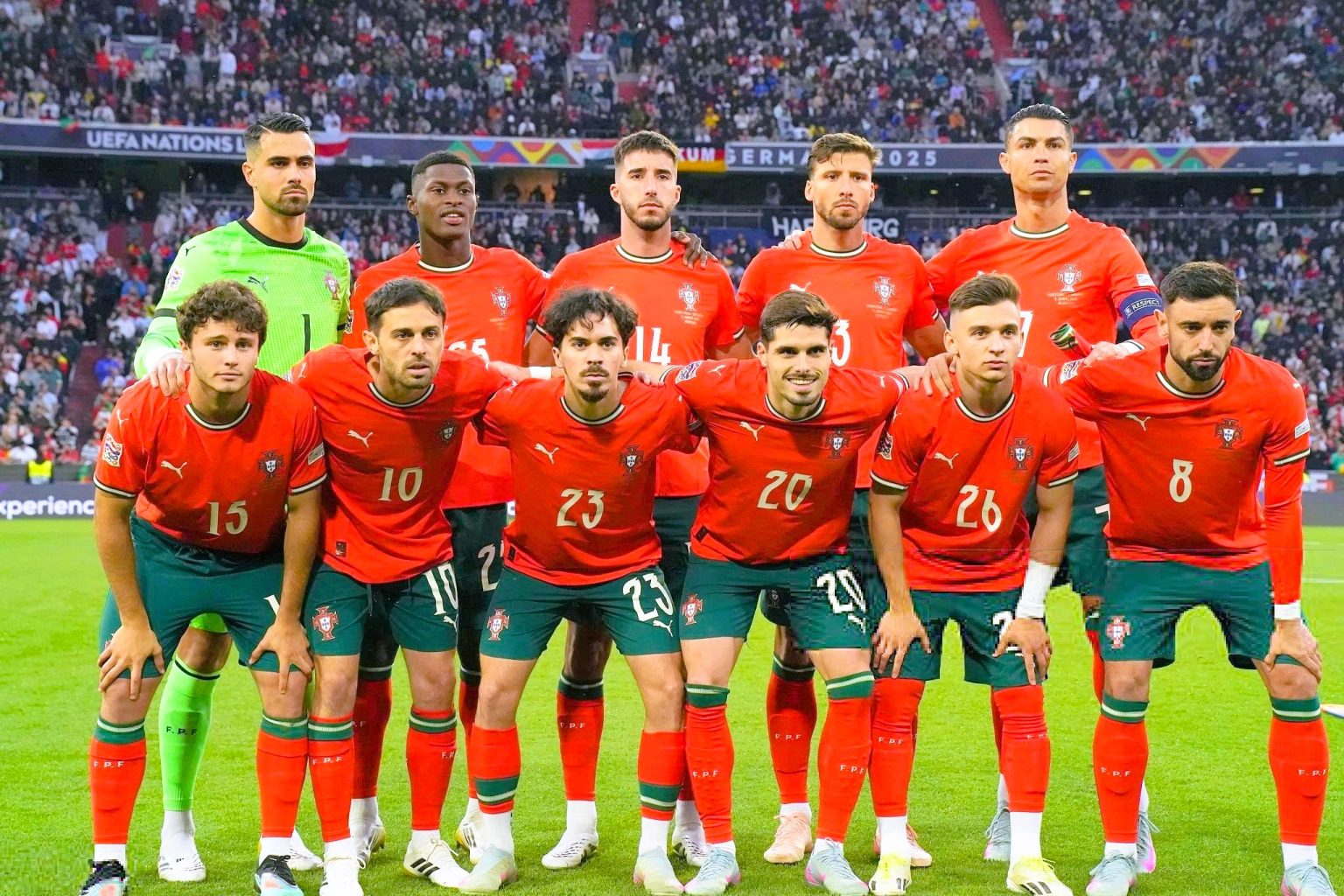
Will Cristiano Ronaldo finally win the one major trophy missing from his legendary collection? Or which stars of Portugal’s golden generation will play a decisive role in helping the Seleção chase a historic first World Cup title?
Portugal have been drawn into Group K alongside Colombia, Uzbekistan, and the winner of Inter-Confederation Playoff Path 1 (DR Congo, Jamaica or New Caledonia).
Co-hosted by Canada, Mexico and the United States, the expanded 48-team tournament will conclude with the final on Sunday, July 19, 2026, at MetLife Stadium in New York/New Jersey.
Below, we take a closer look at Portugal at the 2026 FIFA World Cup, including the squad, team profile, head coach, key players, tournament history, and a complete preview of their title ambitions.
Portugal’s Road to the 2026 World Cup
Portugal qualified for the 2026 FIFA World Cup through UEFA qualifying after a strong campaign marked by attacking consistency and squad depth. Under Roberto Martínez, the Seleção secured automatic qualification with games to spare, showcasing one of the most balanced squads in Europe.
Portugal at the FIFA World Cup
World Cup Titles and Best Performances
Portugal have never won the FIFA World Cup. Their best performance was a third-place finish on their debut in England in 1966, where they were led by the great Eusebio. Since then, their most significant run has been a fourth-place finish in Germany in 2006, the final tournament for most of the “Golden Generation” and the early rise of Cristiano Ronaldo.
World Cup Performance by Year:
1966 (Third Place, best performance), 1986 (Group stage), 2002 (Group stage), 2006 (Fourth Place), 2010 (Round of 16), 2014 (Group stage), 2018 (Round of 16), 2022 (Quarter-finals).
Other Major International Achievements
Beyond its World Cup history, Portugal has established itself as a European powerhouse, particularly in the 21st century.
After decades of being considered “underachievers” on the senior stage, the Portugal team managed to claim their first major international trophy at UEFA Euro 2016, having also been runners-up at Euro 2004.
Their success in established and new continental competitions underscores Portugal’s modern dominance. They are the only team to have won the UEFA Nations League twice, the inaugural title in 2019 and a second in 2025.
Portugal Coach and Key Players
Head Coach Profile
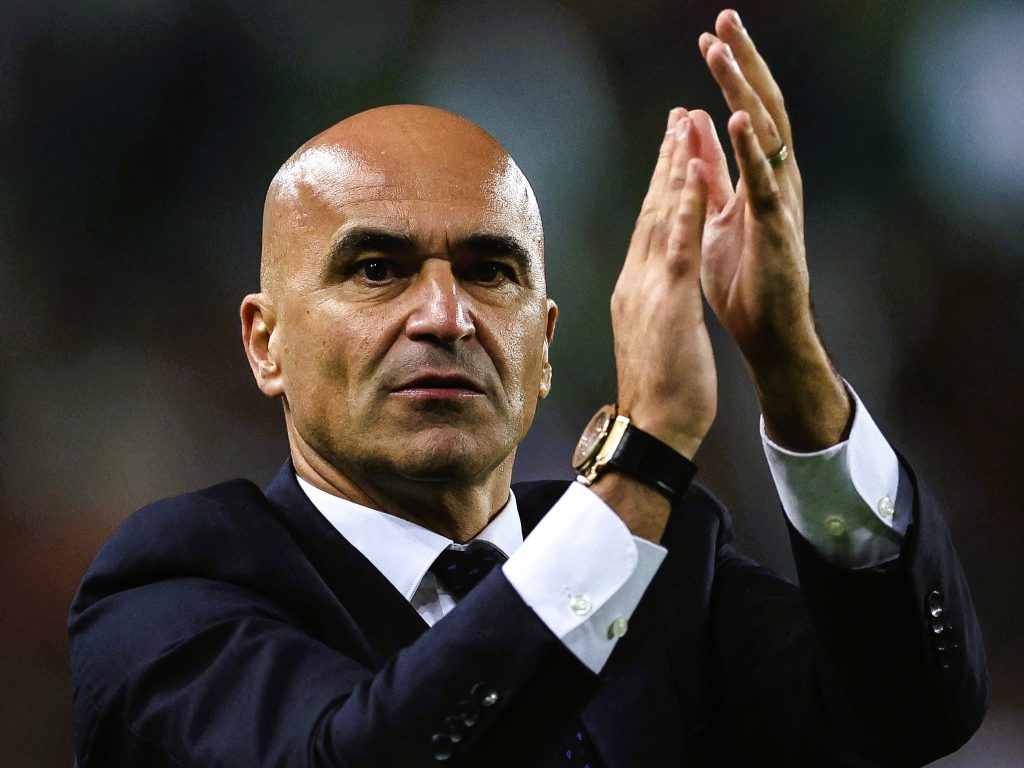
Roberto Martínez was appointed in January 2023 as the successor to long-time manager Fernando Santos. Martínez moved to the Portuguese team after a successful six-year stint with the Belgium national team, where he led them to the top of the FIFA world rankings and a third-place finish at the 2018 World Cup.
With experience at Everton and Belgium, Spanish tactician Roberto Martínez’s approach favours a possession-oriented 4-3-3 formation with high-pressing and fluid attacks.
Key Players to Watch
Cristiano Ronaldo (Forward, Al-Nassr)
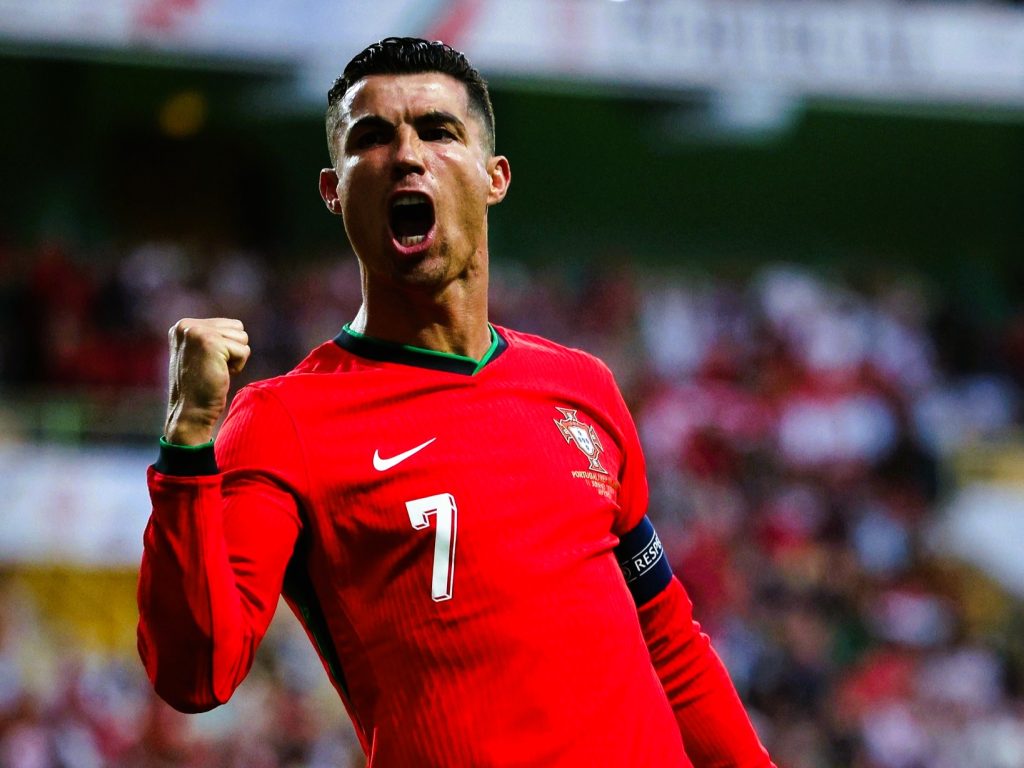
A name that needs no introduction, Cristiano Ronaldo, will capture the world’s attention as he competes in his sixth and likely final World Cup at the age of 41.
As Portugal’s captain, all-time top scorer and most capped player, he carries the burden of a dream of lifting a major trophy for his nation that has eluded him. While no longer at his physical peak, his goalscoring prowess, relentless mentality and leadership are invaluable to Portugal.
His fitness and finishing ability ensure he is the focal point of Portugal’s attack and a constant threat to any defence. This tournament will represent the final chapter of his legendary career.
Bruno Fernandes (Midfielder, Manchester United)
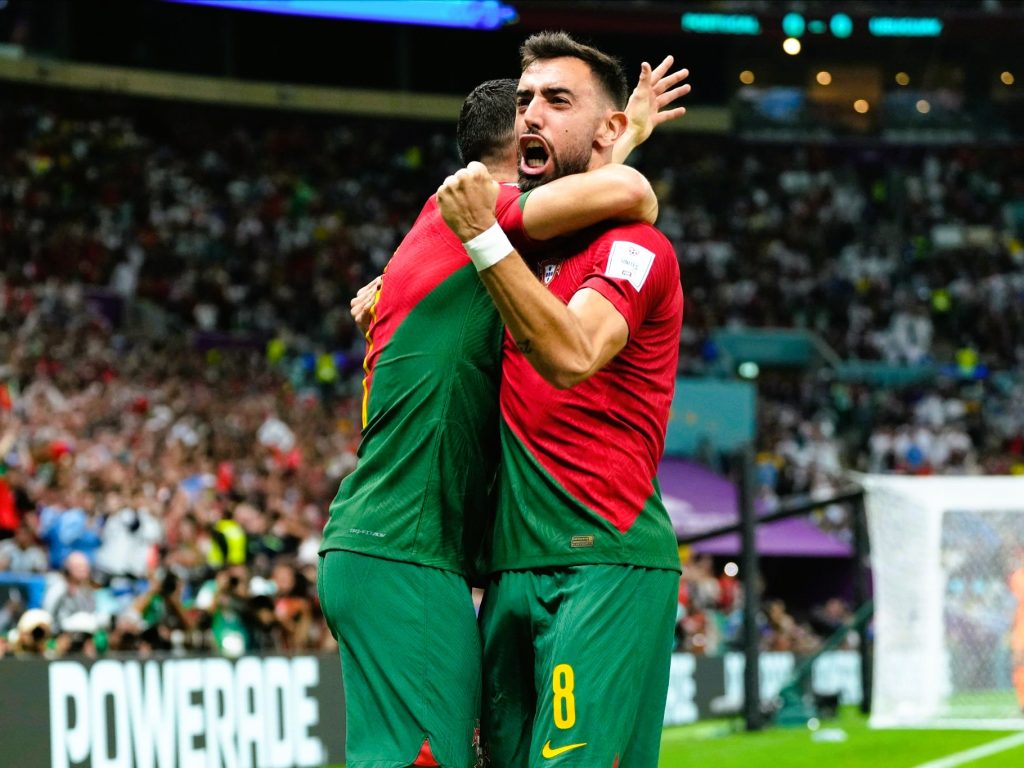
Bruno Fernandes is Portugal’s primary creative hub, one of the most prolific playmakers in international football.
Known for his elite playmaking and relentless work rate, Fernandes provides the essential link between midfield and attack and is capable of carrying the offensive burden when required.
Bernardo Silva (Midfielder, Manchester City)
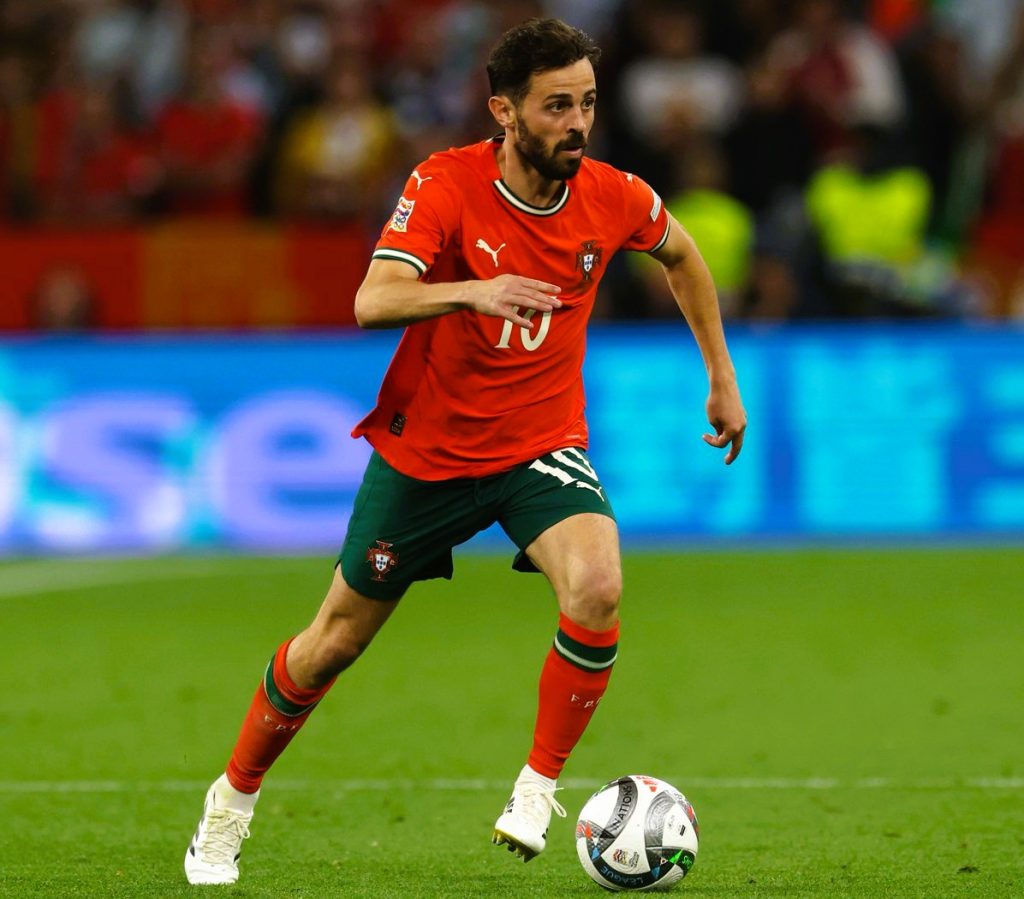
With world-class intelligence and impressive technical skills, Bernardo Silva will provide Portugal and Roberto Martinez with immense tactical versatility during the tournament.
Whether deployed on the wing or in a more central role, his ability to thrive in tight spaces, weave through defences with precise dribbling and orchestrate play is exceptional.
At Manchester City, he has earned a reputation as a player who combines a creative flair with relentless defensive work. For Portugal, he provides a blend of consistency and unpredictability, capable of dismantling organised opposition and creating decisive moments from scratch.
Rafael Leão (Winger, AC Milan)
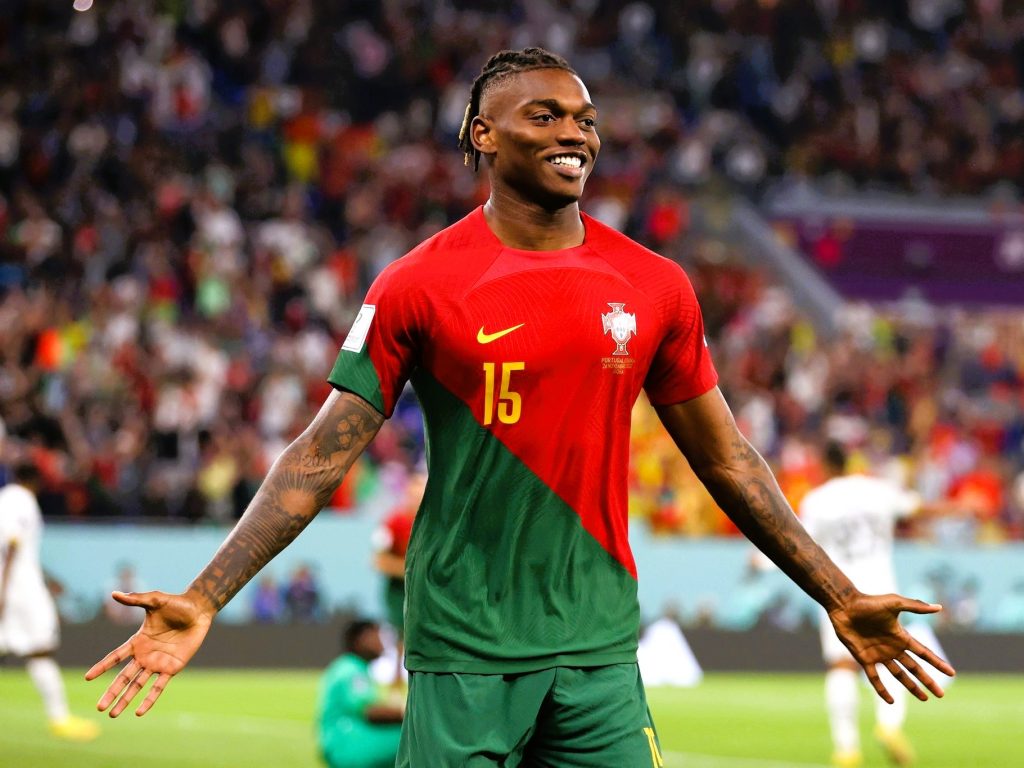
With his “explosive” pace, powerful 1-on-1 dribbling and improved finishing, Rafael Leão is Portugal’s most potent weapon for stretching the defence and launching devastating counter-attacks.
The AC Milan forward brings an element of directness and unpredictability that can change the course of a match in an instant. His ability to take on defenders and his strong club form make him a potential starter on the wing. In tough knockout games, his individual talent could be the key to breaking down well-organized opponents.
That’s what makes Portugal’s attack on the left wing so unpredictable. He could serve as a vital component of Portugal’s formidable attacking rotation alongside Ronaldo and Bernardo Silva.
Vitinha (Midfielder, Paris Saint-Germain)
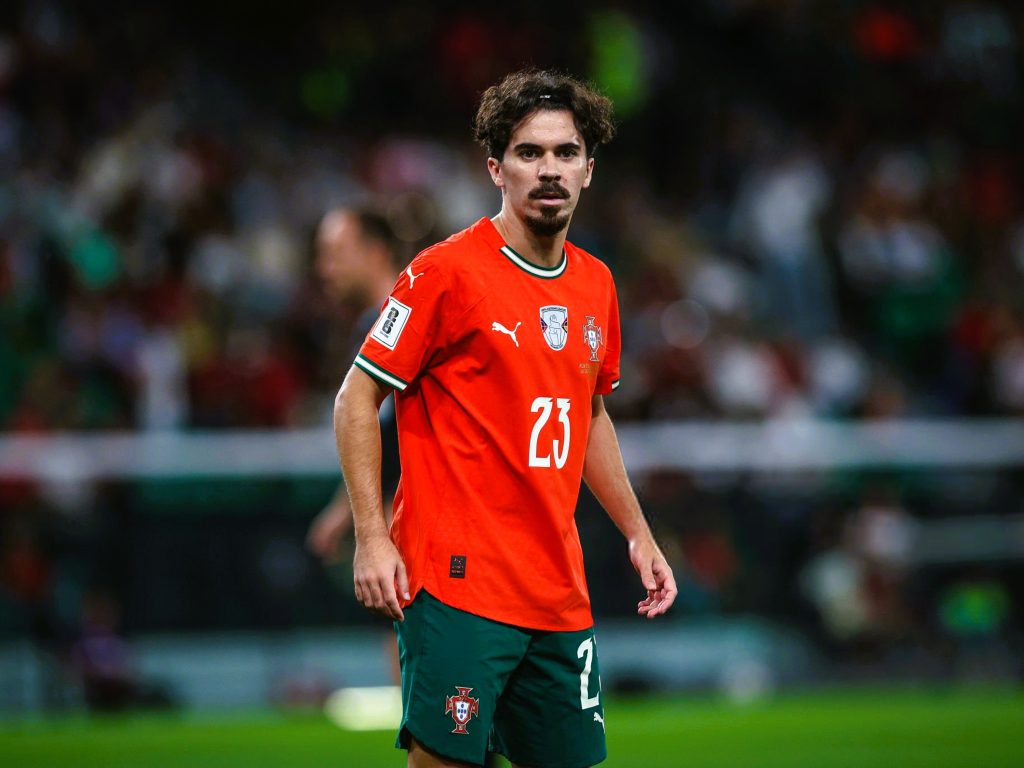
Recently, Vitinha has developed into an indispensable “engine room” for both club and country.
Known for his intelligent moves and elite approach, he is a key reason why Portugal’s midfield is considered one of the strongest in the competition.
He brings excellent balance to Portugal’s midfield, combining defensive tenacity and attacking flair. His intelligent movement, ability to break through opposition lines with his passing, and control of the rhythm of the game are crucial to Portugal’s fluid transitions.
As a creative force, he perfectly complements Bruno Fernandes, ensuring that Portugal’s midfield is dynamic, technically gifted and capable of controlling possession against top-tier opponents.
Portugal Schedule – 2026 FIFA World Cup
Group Stage Fixtures
June 17, 2026: Portugal vs. IC Playoff 1 Winner
June 23, 2026: Portugal vs. Uzbekistan
June 27, 2026: Colombia vs. Portugal
Portugal Squad – 2026 FIFA World Cup
This is a projected squad based on recent selections and form; final roster to be confirmed closer to the tournament.
Goalkeepers
- Diogo Costa (Porto)
- José Sá (Wolverhampton Wanderers)
- Rui Silva (Real Betis)
Defenders
- Diogo Dalot (Manchester United)
- Nuno Mendes (Paris Saint-Germain)
- Rúben Dias (Manchester City)
- Gonçalo Inácio (Sporting CP)
- António Silva (Benfica)
- Nélson Semedo (Fenerbahçe)
- João Cancelo (Brcelona)
- Renato Veiga (Chelsea)
Midfielders
- Bruno Fernandes (Manchester United)
- Vitinha (Paris Saint-Germain)
- Bernardo Silva (Manchester City)
- João Neves (Paris Saint-Germain)
- Rúben Neves (Al-Hilal)
- João Palhinha (Bayern Munich)
- Pedro Neto (Chelsea)
- Matheus Nunes (Manchester City)
Forwards
- Cristiano Ronaldo (Al-Nassr)
- Rafael Leão (AC Milan)
- Gonçalo Ramos (Paris Saint-Germain)
- Francisco Conceição (Juventus)
- João Félix (Al-Nassr FC)
Portugal World Cup 2026 Preview
Team Strengths and Weaknesses
Portugal’s primary strength lies in its unparalleled creative depth and tactical versatility, which allows Martinez to move seamlessly between an effective 4-3-3 and a wing-back-heavy 3-4-3 system.
The team is full of excellent creators and scorers. Players like Bruno Fernandes (chance creation) and Bernardo Silva (dribbling, tactical intelligence) can unlock any defense.
Wingers like Rafael Leão provide devastating pace, while the great Cristiano Ronaldo provides unparalleled experience and aerial threat.
Portuguese football is known for developing players with a strong understanding of the game, rather than relying solely on athleticism. This culture of intelligent decision-making and spatial awareness allows the team to control possession and adapt to different opponents.
From Ronaldo to Bernardo Silva, many of the key players have extensive experience winning the biggest trophies at club level. This mentality can be crucial in high-pressure knockout matches.
Despite the star power, many tactical problems can be exposed against world-class opposition. Defensive weaknesses and midfield imbalances are considered the team’s most significant weaknesses.
Coach Roberto Martinez often plays a midfield filled with creative, attacking-minded players but lacks a dedicated defensive midfielder (“ball-winner”) to protect the defense. This can leave the back line exposed, especially when possession is lost.
The combination of a high defensive line and a lack of a midfield shield makes Portugal vulnerable to quick, direct counter-attacks. Teams that can absorb pressure and break quickly can exploit this space.
While individual players are intelligent, the team’s system under Martinez has sometimes been criticized for its lack of adaptability, especially in finding the right midfield balance for different opponents.
Expectations and Tournament Outlook
Expectations for Portugal and Cristiano Ronaldo at the 2026 FIFA World Cup will be at an all-time high, with the Selecao heading into North America as the surefire “super-favourites” to secure their first world title.
Under the high-octane leadership of Roberto Martinez, the primary objective is singular: to provide a final “last dance” for Cristiano Ronaldo, who has confirmed that this will be his final major international appearance.
The story of his quest to win the one major trophy missing from his collection adds immense pressure and motivation for the entire team. His performance, and manager Roberto Martinez’s handling of his role, will be a central storyline.
Portugal’s status as the top seed in Group K has bolstered their chances of the tournament, where they are the heavy favorites to secure a favorable passage to the recently-launched Round of 32 by finishing first.
In short, Portugal’s approach is one of the top-tier contenders with a clear but challenging path. Anything less than a semi-final appearance would be considered a poor showing.