

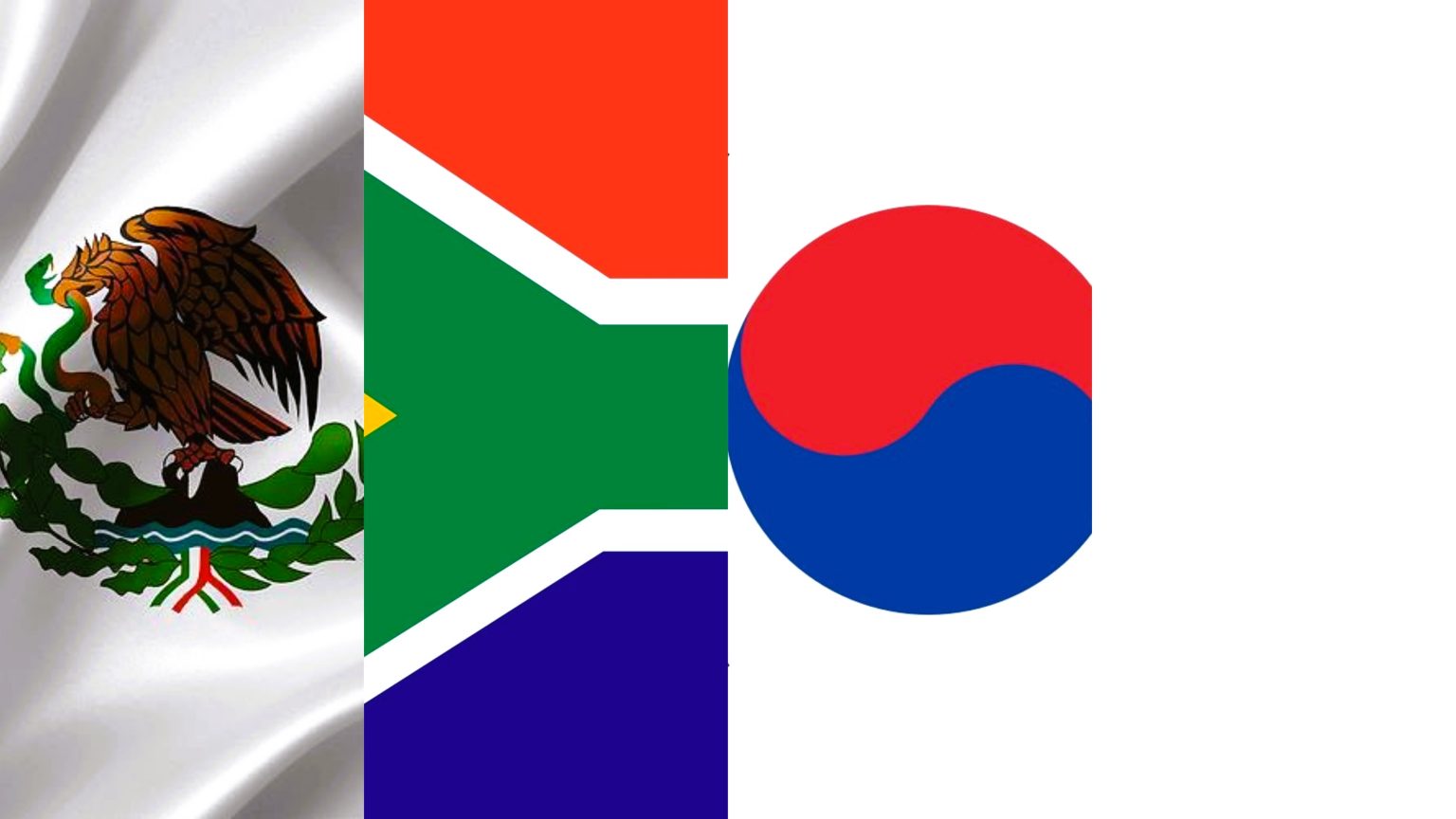
The 2026 FIFA World Cup will introduce the biggest structural change in tournament history, expanding to 48 teams across 12 groups and completely redefining the path to the knockout stage.
For teams in Group A—including Mexico, South Korea, South Africa, and the European play-off winner—finishing third in the group no longer means automatic elimination. However, it also does not guarantee progression to the knockout rounds.
Instead, third-placed teams must rely on inter-group rankings, points, goal difference, and results elsewhere in the tournament—creating one of the most confusing scenarios for fans.
Here’s exactly what happens if a team finishes third in FIFA World Cup Group A, and how their knockout hopes are decided under the new 2026 format.
Does Third Place in Group A Qualify for Knockouts?
Qualification is not automatic. Unlike the top two teams in each group—who advance directly to the Round of 32—teams finishing third in Group A enter a secondary qualification process.
Under the new 48-team format, FIFA creates a separate ranking table for all 12 third-placed teams across the tournament. Only the eight best third-place finishers qualify for the knockout stage.
This means the bottom four third-placed teams are eliminated, along with every team that finishes fourth in their group—making every goal, point, and goal difference critically important during the group stage.
For teams in Group A, qualification depends not only on their own results, but also on how third-placed teams perform in Groups B through L, turning the final group matches into a high-stakes waiting game.
How the Best Third-Placed Teams Are Ranked
To determine which of the eight third-placed teams advance, FIFA uses tie-breaking rules that apply to all groups.
These rules ensure fairness and are applied sequentially until the rankings are resolved. These are important for fans tracking qualification scenarios to understand, as small differences – such as a single goal or disciplinary record – can decide a team’s fate.
The ranking is decided in the following order:
- Points: Total points earned in the three group stage matches.
- Goal difference: Total goals scored minus total goals conceded.
- Goals scored: If the tie persists, the total number of goals scored is the deciding factor.
- Fair play points: Disciplinary records become crucial. Teams are ranked based on fewer infractions, calculated as:
- FIFA ranking: If teams are still tied, the higher-ranked team in the FIFA World Rankings prior to the tournament advances.
What Happens If Group A’s Third-Placed Team Qualifies?
If the third-placed team from Group A makes it into the top eight, they advance to the knockout phase, entering the tournament’s expanded Round of 32.
This is a single-elimination match, offering a chance to continue despite not topping the group.
Once qualified, they will face a group winner in their first knockout game, immediately pitting them against one of the tournament’s stronger sides.
There is no scheduling advantage for third-placed qualifiers; match dates and venues are predetermined based on the bracket, with no extra rest or preferential treatment compared to group winners or runners-up.
Possible Round of 32 Opponents
The exact opponent for Group A’s third-placed team depends on which groups produce the qualifying thirds, as FIFA allocates them to specific bracket slots to avoid early rematches from the same group.
However, based on the predefined knockout structure, they are likely to face winners from groups like E, G, or I (or potentially others such as B or C, depending on the combination).
This setup often results in a harder path than for winners and runners-up, as thirds are seeded to play against top teams early, potentially leading to tougher subsequent rounds if they advance.
Why Third Place Is the Most Dangerous Position
Third place in Group A is fraught with risks, making it one of the most precarious spots in the group stage. Teams in this position must navigate uncertainty and logistical challenges that can impact their performance.
There is no certainty of qualification until all groups have completed their matches, as advancement hinges on comparisons with thirds from other groups—turning the final day of the group stage into a high-stakes waiting game.
Third-placed teams often face worse rest and travel conditions, with matches potentially scheduled in quick succession or across distant host cities in Canada, Mexico, or the United States, adding physical strain.
They immediately face stronger opponents in the Round of 32, typically a group winner, which stacks the odds against them from the outset compared to more favorable matchups for higher finishers.
Third Place vs. Runner-Up vs. Group Winner
| Feature | Group Winner | Runner-Up | 3rd Place (Qualified) |
|---|---|---|---|
| Advancement | Automatic | Automatic | Competitive Ranking |
| Round of 32 Opponent | 3rd Place team | 2nd Place team | Group Winner |
| Path Difficulty | Easier | Moderate | Extremely Difficult |
| Certainty | Immediate | Immediate | Delayed |
Can a Third-Placed Team Reach the Final?
Yes, a third-placed team from Group A could theoretically reach the World Cup final, as the tournament format allows any qualified team to progress through the knockouts. Once in the Round of 32, the path is open, regardless of group finish.
However, it is historically extremely rare. While the 48-team format is new for the World Cup, similar formats (like the UEFA Euro) show that third-place teams can go far—most notably Portugal, who won Euro 2016 after finishing third in their group.
In World Cup history, no team advancing as a best third (in formats like the 1986-1994 24-team tournaments) has reached the final. Achieving this would require winning 5 straight knockout matches against increasingly strong opposition, demanding exceptional form, luck, and resilience.