







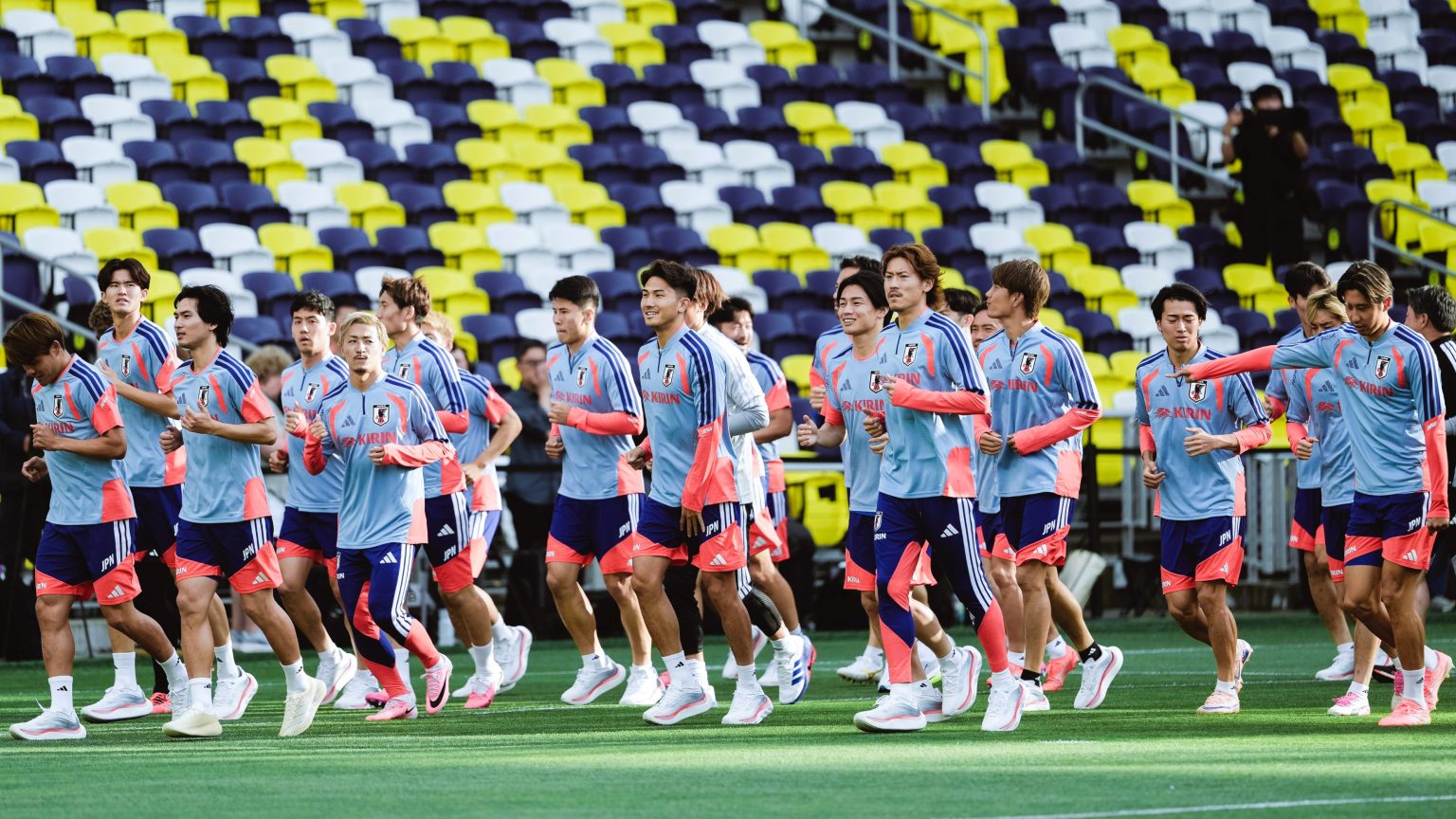

Japan face one of their toughest opening assignments at the FIFA World Cup 2026 as they take on the Netherlands in Group F.
Hajime Moriyasu’s Samurai Blue will step onto the pitch at AT&T Stadium in Arlington knowing a positive result against European heavyweights would send shockwaves through the tournament.
Despite significant setbacks, including the absence of captain Wataru Endo and star winger Kaoru Mitoma, Japan arrive with belief.
Ayase Ueda’s prolific form in the Eredivisie and Takefusa Kubo’s creativity give them hope of causing an upset against Ronald Koeman’s star-studded side.
A strong start is vital if the Samurai Blue are to advance from a competitive group featuring Sweden and Tunisia.
Japan Team News Ahead of the Netherlands Clash
Japan have been hit hard by injuries on the eve of the tournament.
Captain and midfield anchor Wataru Endo has withdrawn due to a persistent foot injury and announced his international retirement, a major blow to leadership and defensive structure.
Kaoru Mitoma is also missing through a hamstring injury sustained at Brighton.



Takehiro Tomiyasu returns to bolster the defense, while experienced campaigners like Maya Yoshida and Ko Itakura provide stability at the back.
Ayase Ueda leads the line fresh from a strong club season, supported by Takefusa Kubo and dynamic wide options.
Moriyasu’s squad has shown resilience in warm-up matches, blending youth and experience.
Recent form has been mixed but encouraging, with the team displaying the high-intensity pressing and quick transitions that define Japanese football.
Tactical preparation has focused on compactness and exploiting spaces on the counter against possession-dominant sides like the Netherlands.
Japan Predicted XI vs Netherlands
With Endo’s withdrawal forcing a midfield rethink, the Japan predicted lineup vs Netherlands has shifted.
Moriyasu is expected to go with a 4-2-3-1, deploying Ao Tanaka and Daichi Kamada as the double pivot. Here is the most likely starting lineup:
Predicted XI (4-2-3-1):
Zion Suzuki; Takehiro Tomiyasu, Maya Yoshida, Ko Itakura, Junya Ito; Ao Tanaka, Ritsu Doan; Takefusa Kubo, Keito Nakamura, Junya Ito; Ayase Ueda.
Goalkeeper: Zion Suzuki
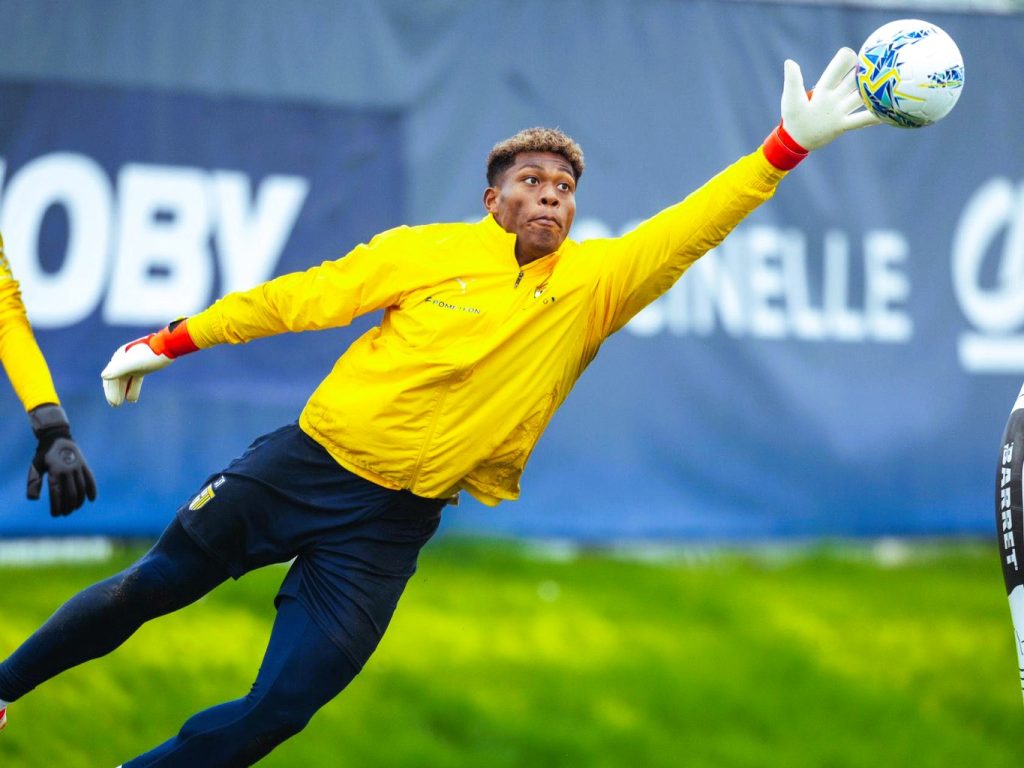
Zion Suzuki is poised to start in goal for Japan. The young shot-stopper has grown in confidence and commands his area well.
Against a Dutch attack featuring Cody Gakpo and quick wide players, Suzuki’s reflexes and ability to claim crosses will be tested.
His distribution will play a key role in launching Japan’s rapid transitions, an area where the Samurai Blue excel.
At this level, his composure under pressure could prove decisive in keeping Japan competitive.
Defenders
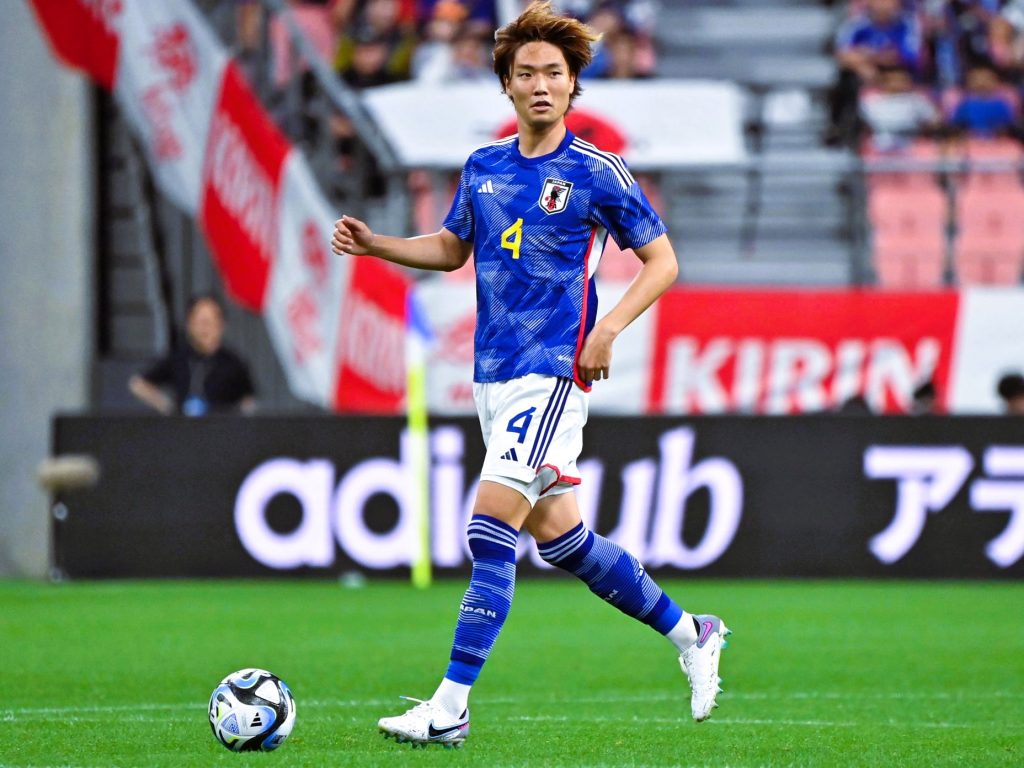
Ko Itakura not only takes the captaincy in what is an enormous moment of personal responsibility, but slots alongside Hiroki Ito to form the central defensive partnership.
The Ajax centre-back is commanding, aggressive in the air, and reads the game smartly. He wore the armband in qualifying and knows the weight of it.
Hiroki Ito, his partner, has matured considerably at Stuttgart and brings left-footed composure to the pairing.
Takehiro Tomiyasu is pencilled in at right back — a redemption story of sorts after two years in and out of injury.
The former Arsenal man’s experience at the highest club level, including European football with Ajax, makes him an upgrade in this role despite the time away.
His reading of threats from wide forwards will be crucial when Memphis Depay or Cody Gakpo drift across.
Ritsu Doan, who can play as a wing-back or attacking midfielder, is expected to slot in at left back to provide width and dynamism on that flank.
Midfielders
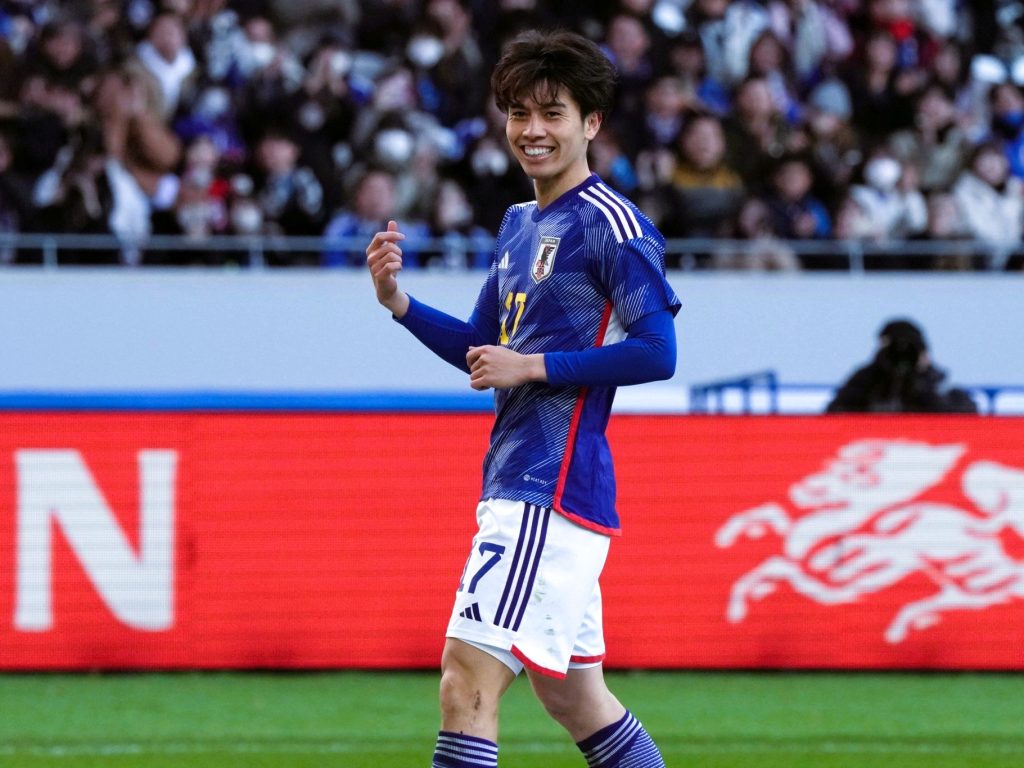
Ao Tanaka now inherits the greatest responsibility in the absence of Endo. The Leeds United midfielder has developed significantly since Qatar 2022 and operates as a classic screen — disciplined, tireless, and quick to win second balls.
He will not try to be Endo; he will be himself, and his pressing efficiency will be fundamental to disrupting how Frenkie de Jong circulates the ball.
Daichi Kamada partners him with more licence to advance. The Crystal Palace midfielder brings technical quality, late runs into the box, and an ability to find pockets of space that Tanaka cannot occupy.
The two complement each other well — one anchoring, one driving — and their relationship in the double pivot is Japan’s new midfield truth.
Attacking Midfielders
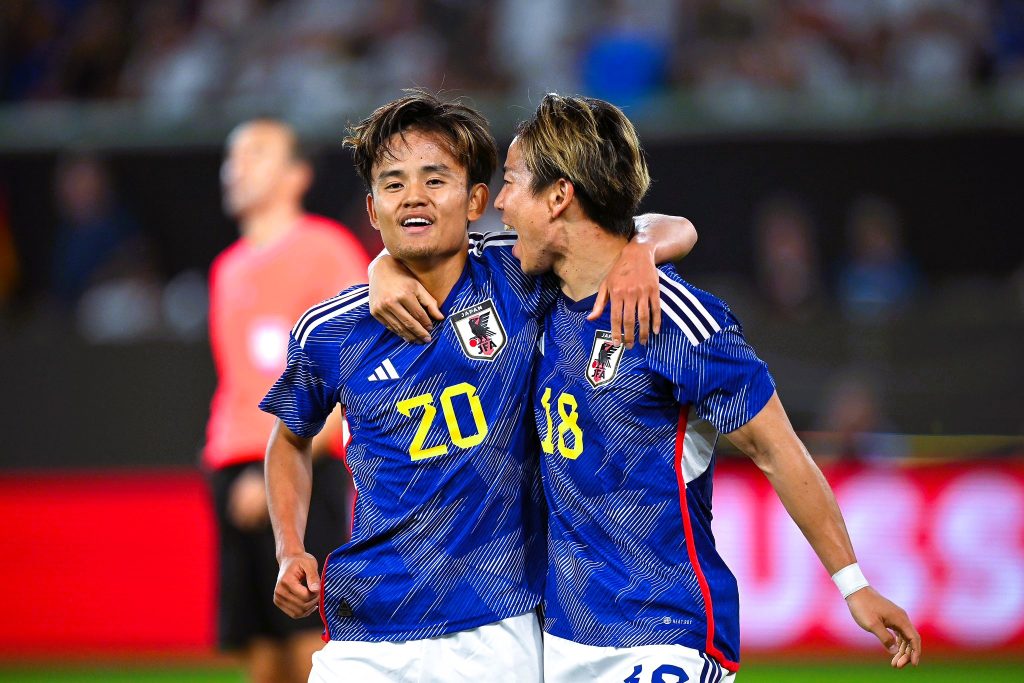
Takefusa Kubo is the man the Dutch will pay most attention to. His dribbling in tight spaces, his deceptively quick changes of direction, and his growing confidence as a big-game player make him Japan’s most likely source of magic.
At 23, this is his moment and he seems ready to seize it. Junya Ito provides directness and pace on the right — an aggressive runner who forces defenders backwards and earns set-pieces.
Keito Nakamura completes the three behind the striker, threading passes and creating chances with quick, intelligent movement.
Combined, these three registered 33 goal involvements in World Cup qualifying.
Forward: Ayase Ueda
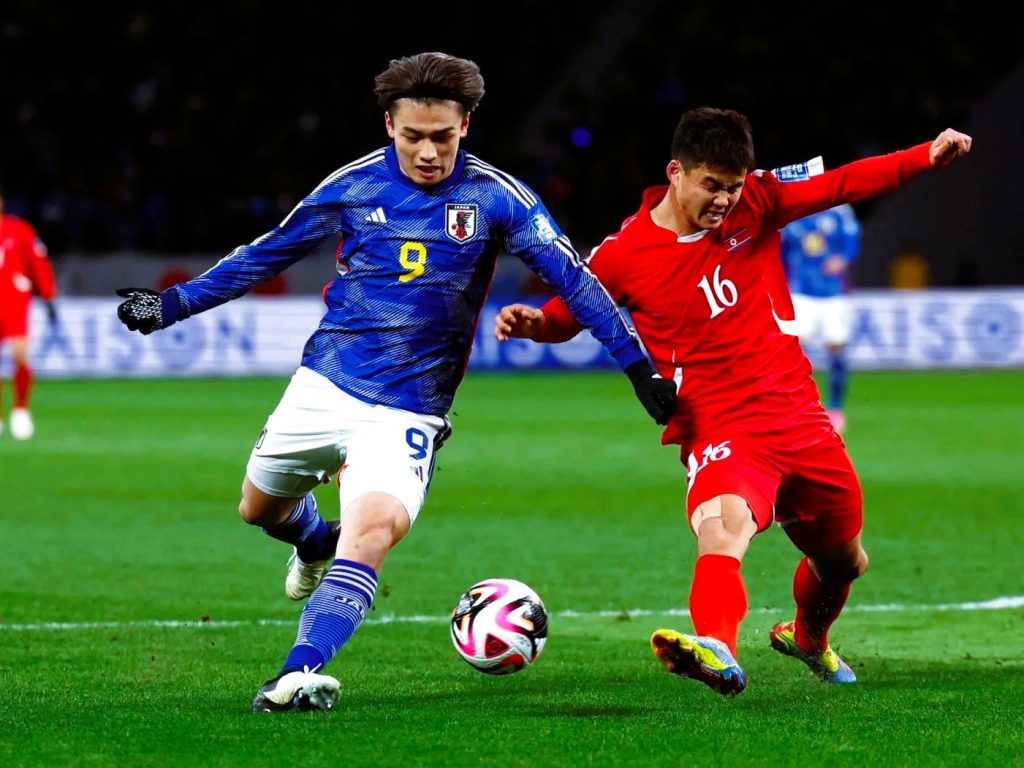
This is Ueda’s stage. The striker who spent last season dismantling Eredivisie defences — 25 goals in 31 league games, enough to earn the Golden Boot — now lines up against Virgil van Dijk in the biggest match of his career.
His movement is relentless, his finishing composed under pressure, and his ability to link up with Kubo and Nakamura makes him more than a penalty box presence.
Van Dijk is still one of the world’s best, but Ueda has beaten better defenders than most this season.
Japan Expected Formation vs Netherlands
The Japan formation vs Netherlands will be the familiar 4-2-3-1 that Moriyasu has refined across four years of qualifying campaigns. It is a shape built on two clear phases: defensive organisation and rapid transition.
In possession, Japan build patiently from the back, with Itakura driving out of defence into midfield to draw pressure.
Tanaka and Kamada recycle quickly, while the three attacking midfielders position themselves to receive in half-spaces and turn.
The fullbacks — Tomiyasu right, Doan left — push to provide width and stretch the Dutch defensive line.
Out of possession, Japan press in coordinated waves. Ueda leads the press from the front, the attacking trio follow, and the double pivot cuts off central lanes.
The aim is to make possession uncomfortable for the Netherlands, deny Frenkie de Jong time on the ball, and force mistakes in the middle third. Japan do not sit and absorb — they suffocate.
On the counter, they are genuinely dangerous. The speed of Kubo, Ito, and Nakamura through space, with Ueda making runs in behind Van Dijk, is a threat even the Dutch must respect.
The Netherlands have shown vulnerability on the break against high-pressing opponents, and Japan’s transition game is one of Asia’s best.
Key Players to Watch
Takefusa Kubo: Real Sociedad
Japan’s most technically gifted player. His ability to beat defenders in one-on-ones and manufacture chances from nothing makes him the wild card the Dutch back line must account for throughout 90 minutes.
Ko Itakura (c): Ajax
The new captain. Stepping up in extraordinary circumstances, Itakura’s leadership will set the tone. If Japan’s defensive line holds, it will be built around his reading of the game and his composure under pressure.
Takehiro Tomiyasu: Ajax
His comeback from two years of injury absence gives Japan a calm, experienced right back against what could be a very busy flank. His one-on-one defending against Cody Gakpo may prove decisive.
Ayase Ueda: Feyenoord
Eredivisie Golden Boot winner coming into the biggest match of his life. His movement, ruthless finishing, and intelligence against a high defensive line could make Van Dijk’s evening very uncomfortable.
Netherlands Threats Japan Must Stop
Virgil van Dijk
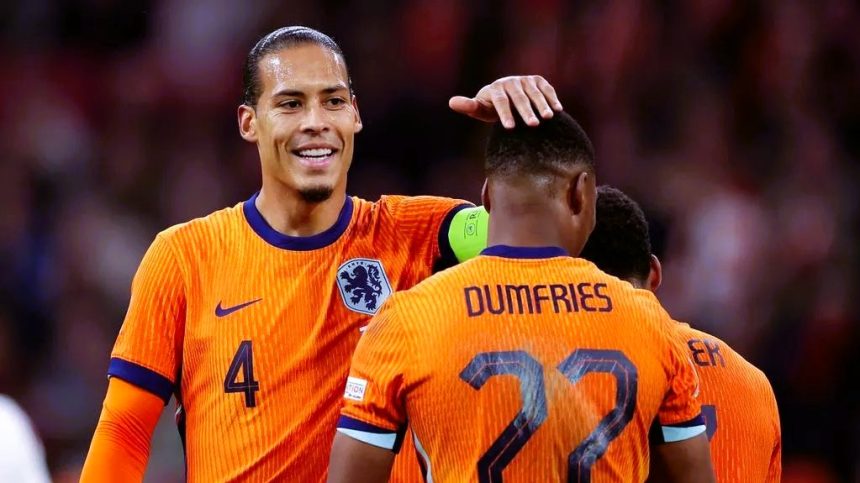
A defensive colossus but also a launching pad. Van Dijk’s ability to carry the ball out of defence and initiate Dutch attacks gives Oranje an extra body in midfield when they have the ball.
Japan must not allow him time to advance unchallenged — and Ueda’s pressing from the front will be the key check on him.
Frenkie de Jong
The heartbeat of the Dutch operation. De Jong’s ability to receive between the lines, turn, and progress the ball at speed is what makes the Netherlands tick.
Ao Tanaka’s job is essentially to ensure De Jong never has a free second on the ball. If he does, gaps open quickly.
Cody Gakpo
Liverpool’s versatile forward can play wide left or through the middle and brings pace, power, and technical quality.
He will be Tomiyasu’s primary assignment, but his ability to drift centrally makes him a threat Japan’s entire back four must track. This is the most consequential individual matchup on the pitch.
Donyell Malen
Arguably the fastest attacker in the Dutch squad. Malen operating on the right side against Ritsu Doan presents a serious test — he has the pace to punish any defensive line that sits too high and the clinical edge to make it count. Japan must avoid giving him the space to run into.
Netherlands vs Japan Match Preview
This is not a mismatch on paper, but it is clearly weighted in the Dutch favour.
The Netherlands enter the tournament ranked in the top ten by FIFA, with a squad built on Premier League and La Liga experience, and a manager who has overseen genuine tactical evolution.
They are the overwhelming favourites in Group F and will be expected to handle Japan — even if the Samurai Blue are a significantly harder out than many acknowledge.
Japan, for their part, come into this World Cup on a six-match winning run, including a remarkable result against Brazil and a victory over England.
They were the first Asian nation to secure qualification. Their football under Moriyasu has matured into something genuinely coherent — an identity built on pressing, transition, and collective intelligence rather than individual stars.
The tactical battle here is fascinating. The Netherlands will want to establish control, circulate the ball through De Jong and Ryan Gravenberch, and expose Japan’s compressed defensive structure with quick ball movement and overlapping runs.
Japan, in contrast, will want to keep the game ugly in spells — disrupting Dutch rhythm, winning the ball high, and making the most of those counter-attacking moments when they come.
The historical record offers the Dutch plenty of comfort. Japan have never beaten the Netherlands in any competitive fixture, and the sole World Cup encounter between the two sides ended 1-0 to Oranje in South Africa in 2010.
But this Japan side is different, deeper, and more experienced than anything Moriyasu’s predecessors put out. The Endo loss hurts — there is no softening that — but it does not reduce Japan to passengers.
Score Prediction
Netherlands 2 – 1 Japan
The Netherlands have the quality to control enough of this game to win comfortably, and the loss of Endo weakens Japan’s midfield screen more than any other player could.
De Jong and Gravenberch will have moments where they operate freely, and Dutch quality in the final third — Gakpo in particular — is hard to contain for 90 minutes.
However, Japan will score. Ueda’s movement against Van Dijk is a genuine threat, and Kubo will create at least one real chance.
Japan have not beaten the Netherlands before, but the Samurai Blue will make this uncomfortable.
A 2-1 Dutch win is the most probable outcome — three points for Oranje, a respectable performance for Japan, and a Group F race that remains very much alive heading into Matchday 2.
Netherlands Predicted XI vs Japan: Final Thoughts
Japan’s World Cup 2026 opener throws almost every form of adversity at Hajime Moriyasu simultaneously.
The Japan predicted XI vs Netherlands has been reshaped by injuries — most devastatingly, the loss of captain Wataru Endo just days before kick-off.
Kaoru Mitoma, Takumi Minamino, and Hidemasa Morita are also absent. The list of missing players would have felt catastrophic two World Cup cycles ago.
But this is not that Japan. The Japan lineup vs Netherlands that takes the field on Sunday will be full of Bundesliga regulars, Premier League experience, and a striker coming off one of the finest club seasons in Asian football history.
Ko Itakura steps up as captain. Ao Tanaka and Daichi Kamada form the new midfield engine. Takefusa Kubo carries the creative burden. Ayase Ueda leads the line with a Golden Boot to his name.
The Japan formation vs Netherlands — a measured 4-2-3-1 designed to press, transition, and exploit Dutch vulnerabilities on the counter — gives Moriyasu a realistic platform.
The Netherlands are genuine favourites, and the talent gap is real. But Japan have navigated tougher odds in recent years, and nothing about this match feels settled.
If the Samurai Blue can survive the Dutch opening exchanges, keep it tight for an hour, and find their counter-attacking rhythm — this is precisely the kind of game Japan have started winning when everyone expects them to lose.