
As the 2026 FIFA World Cup approaches, many fans are asking one key question: What is happening with the Group A winner? Confusion has grown due to the tournament’s expanded 48-team format and revised knockout qualification rules.
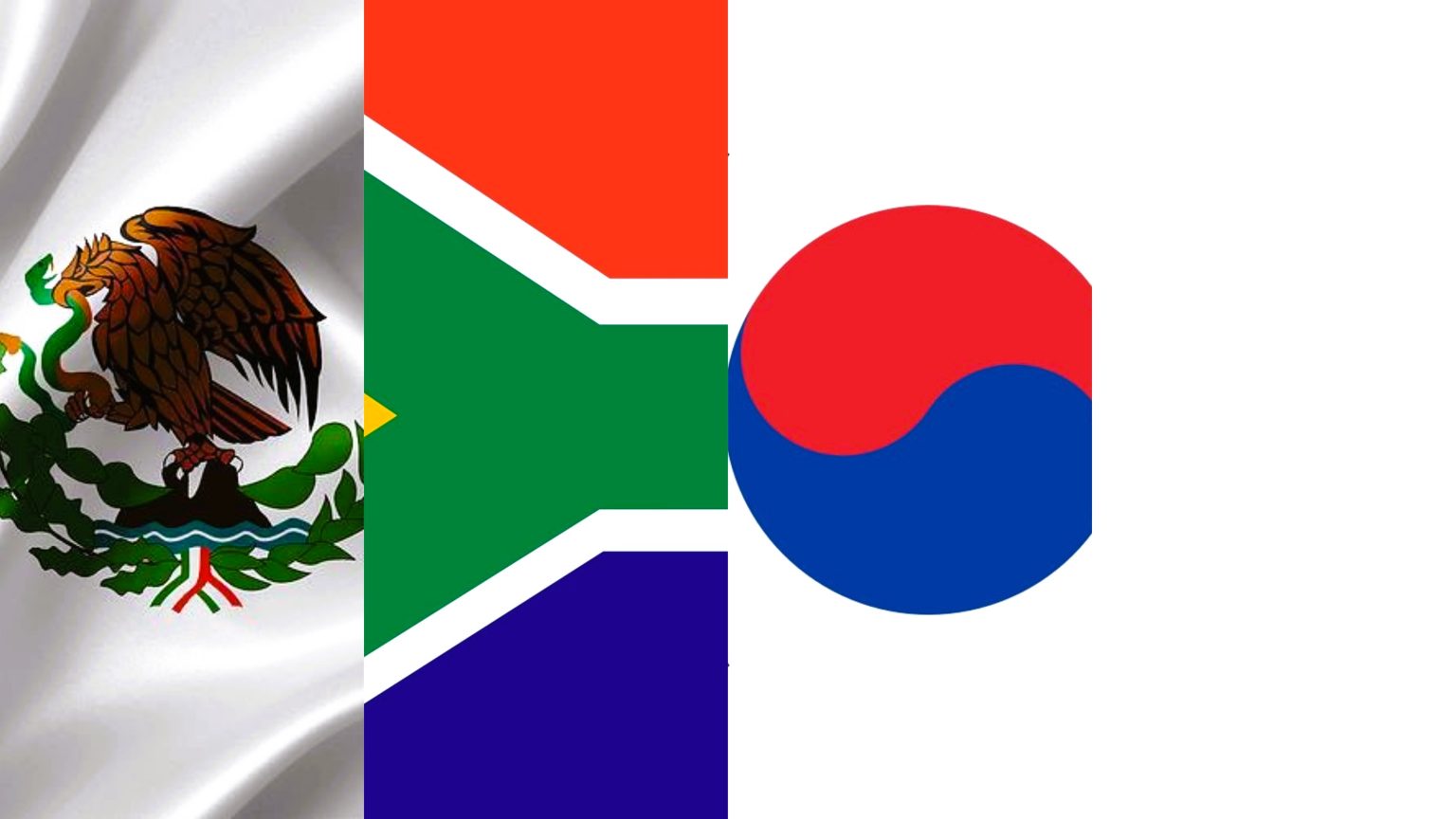
Group A will kick off the tournament in Mexico City on June 11, 2026, featuring host nation Mexico, South Africa, Korea Republic, and the winner of UEFA Play-off Path D.
With no matches played yet, attention is focused on how the Group A winner will be decided and what qualification path awaits in the knockout stage.
Is There Any Change in Group A Rules for 2026?
Yes, the rules have changed for the 2026 FIFA World Cup, with the most significant update being the expansion to 48 teams. The group stage now features 12 groups of four teams, replacing the 32-team format used since 1998, and introduces a new knockout phase: the Round of 32.
Importantly, the way a team wins Group A remains the same—based on points, goal difference, and tiebreakers. The real change lies in what happens after the group stage.
For the first time, the top two teams from each group automatically qualify for the knockout stage, joined by the eight best third-placed teams. This means that finishing first in Group A guarantees progression, while second place also qualifies, and even third place may be enough.
However, winning Group A still offers a key advantage: a more favorable Round of 32 matchup, as group winners are typically paired against qualified third-placed teams rather than stronger group runners-up.
Why Are Fans Confused About Group A Winner?
The confusion surrounding the Group A winner is completely understandable. The 2026 FIFA World Cup introduces the biggest format change in decades, expanding from 32 to 48 teams and adding a new knockout round.
For fans accustomed to previous World Cups, this shift creates uncertainty about how much winning Group A actually matters, whether group winners receive a direct advantage, and how third-placed teams can still qualify. As a result, early predictions and qualification scenarios for Group A feel more complex than in past tournaments.
New 48-Team FIFA World Cup Format Explained
The 2026 FIFA World Cup marks a historic expansion to 48 teams, divided into 12 groups of four. Each team plays three group-stage matches, maintaining the traditional round-robin format.
The top two teams from each group (24 total) advance directly to the knockout stage, joined by the eight best third-placed teams, creating a new Round of 32 for the first time in World Cup history.
This expanded structure increases the total number of matches to 104, up from 64 in previous tournaments, with the finalists now required to play eight matches instead of seven. The goal of this change is to include more nations while preserving competitive balance at the highest level.
Group Winners vs Best Third-Placed Teams
One of the biggest sources of confusion is the difference between qualifying for the knockout stage and how teams are seeded within it. In the new Round of 32 at the 2026 FIFA World Cup, matchups are determined by a fixed bracket rather than a traditional re-seeding system.
Under this format, eight group winners are paired with the eight qualified third-placed teams, while the remaining four group winners face group runners-up from other sections. This structure creates a strong incentive to finish first in the group.
For a group like Group A, winning the section is especially valuable, as it greatly increases the likelihood of facing a third-placed qualifier, statistically a weaker opponent, instead of a fellow runner-up in the Round of 32.
How the FIFA World Cup Group A Winner Is Decided
The Group A winner at the 2026 FIFA World Cup is determined using a standard points-based system after each team plays three group-stage matches, with official tiebreakers applied if teams finish level.
Points System in the Group Stage
The primary method of ranking is the total points accumulated after all three group matches:
- 3 points for a win.
- 1 point for a draw.
- 0 points for a loss.
Goal Difference and Head-to-Head Rules
If two or more teams finish level on points, goal difference (goals scored minus goals conceded) is applied first, followed by total goals scored.
If teams are still tied, head-to-head results between the affected teams are used. In a competitive group like Group A, a single result—such as Mexico vs Korea Republic—can ultimately determine the group winner.
- Head-to-Head Points: Most points obtained in the matches between the tied teams.
- Head-to-Head Goal Difference: Superior goal difference in matches between the tied teams.
- Head-to-Head Goals Scored: Most goals scored in matches between the tied teams.
- Overall Goal Difference: Superior goal difference across all group matches.
- Overall Goals Scored: Most goals scored across all group matches.
Fair Play Points and Final Tiebreakers
If teams remain level after all football-related criteria, the final rankings are determined using fair play points and, in extremely rare cases, a random draw conducted by FIFA.
Fair Play Points: Highest team conduct score based on penalty cards received:
- Yellow card: −1 point
- Indirect red card (second yellow): −3 points
- Direct red card: −4 points
- Yellow card + direct red card: −5 points
What Happens After Winning Group A?
The winner of Group A guarantees the team’s progression to the newly launched Round of 32. This expanded knockout stage, which begins on June 28, 2026, follows a single-elimination format.
Group A Winner’s Path in the Knockout Stage
The winner of Group A is scheduled for Match 79, which will take place on June 30, 2026, at the Estadio Azteca (Mexico City Stadium). They will face a third-placed team from either Group C, E, F, H, or I.
Group A Current Standings
| Position | Team | Points |
|---|---|---|
| 1 | Mexico | 0 |
| 2 | South Africa | 0 |
| 3 | South Korea | 0 |
| 4 | UEFA Play-off Winner* | 0 |