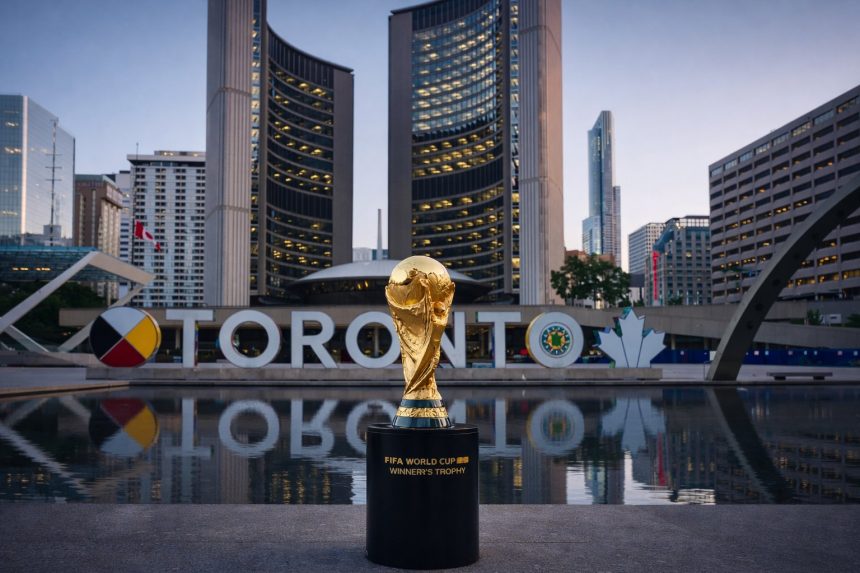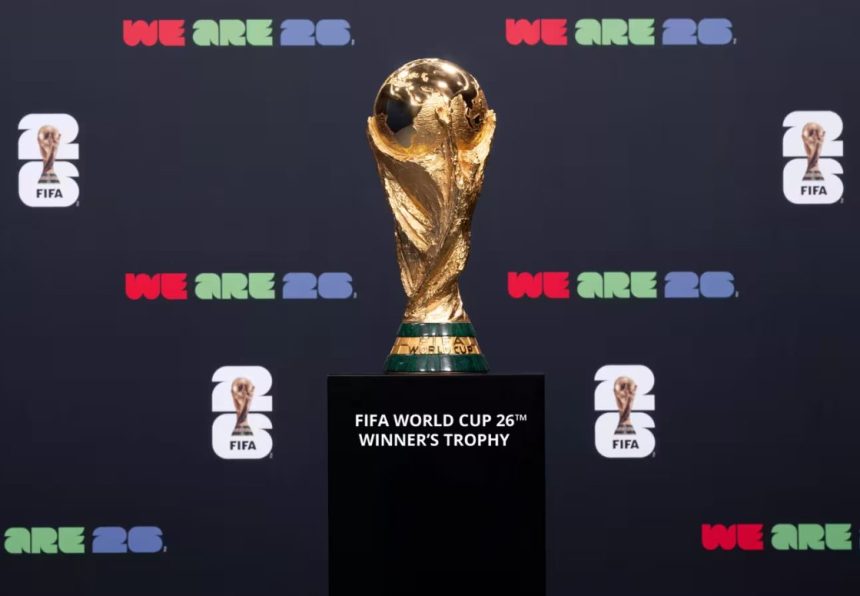






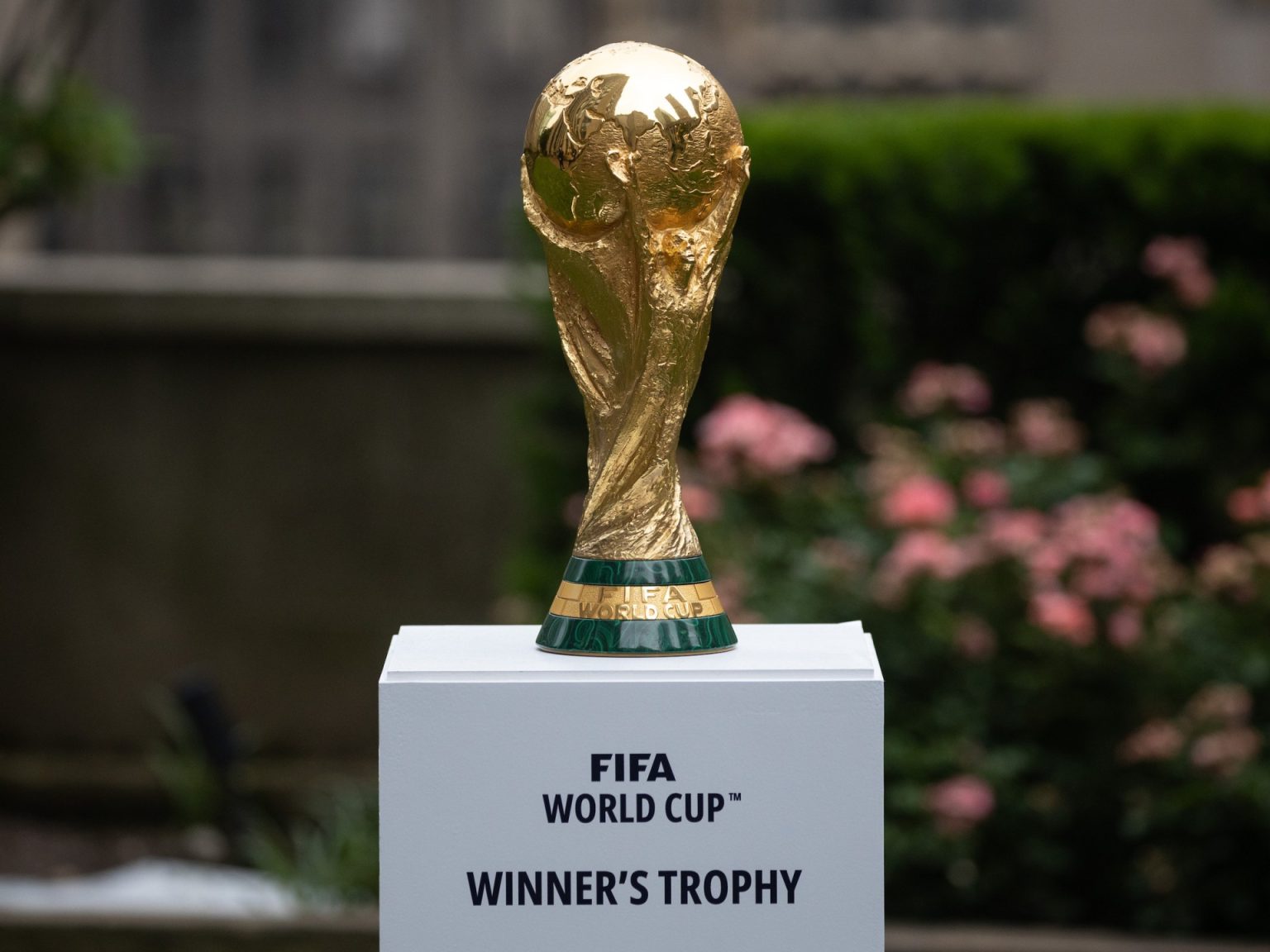

Three host nations, 16 cities, and 48 teams—the 2026 World Cup is shaping up to be the most ambitious tournament in history. As North America prepares to welcome the global football community, fans are not just gearing up for a larger event but for a completely new competition structure.
For the first time, the road to the final includes an additional hurdle: the Round of 32. This new stage transforms the traditional tournament flow, adding an entire layer of high-stakes knockout football between the group phase and the familiar Round of 16. With so many matches spread across Canada, Mexico, and the USA, understanding when and where these games are played is crucial for any supporter planning to watch.
Whether you are booking travel or scheduling your viewing parties, having a clear view of the 2026 FIFA World Cup Round of 32 schedule is the first step to navigating this expanded World Cup. Below, we break down every fixture, date, and venue so you don’t miss a moment of the action.
For a complete overview beyond the Round of 32, see our guide to the knockout stage format and bracket, or check the full knockout schedule with dates and kickoff times.
Why the Round of 32 Was Introduced in 2026
With the expansion of the World Cup from 32 to 48 teams, FIFA introduced the Round of 32 to accommodate the new tournament structure. Under the revised format, 12 groups of four teams are used, with the top two teams from each group — along with the eight best third-placed teams — advancing to the knockout stage.
This approach replaces the traditional direct path to the Round of 16 and ensures that more teams remain in contention after the group stage, preserving competitive balance and meaning in late group matches.
How It Changes the Traditional Knockout Stage
In previous editions (1998-2022), the knockout stage began with the Round of 16. The 2026 format adds a whole extra layer of single-elimination play, with the knockout stage now consisting of five rounds: Round of 32, Round of 16, Quarterfinals, Semifinals and Final.
This means that teams will have to win an additional match to become world champions. This brings the total number of matches in the tournament from 64 to 104.


When Is the Round of 32 Played?
The Round of 32 at the 2026 FIFA World Cup is scheduled to be played from Sunday, June 28 to Friday, July 3, 2026. This new knockout stage, introduced due to the tournament’s expansion to 48 teams, will feature 16 matches held across various host cities in the United States, Canada, and Mexico.
Kickoff Times and Match Windows
The Round of 32 kickoff times for the 2026 FIFA World Cup are spread across several “windows” to accommodate the different time zones of the 16 host cities in the United States, Mexico, and Canada.
Matches in this stage will primarily follow afternoon and evening time slots in the local host regions. While specific team matchups depend on group results, FIFA has confirmed the scheduled kickoff times for each slot in the bracket.
2026 FIFA World Cup Round of 32 Schedule
The Round of 32 features a fixed, 16-match schedule (Matches 73–88) pairing specific group winners against runners-up (e.g., Winner A vs. 3rd C/E/F/H/I) or other runners-up (e.g., Runner-up A vs. Runner-up B) across venues in the USA, Canada, and Mexico.
| Date | Match | Venue | Time (ET) |
|---|---|---|---|
| June 28 | Match 73: Runner-up A vs. Runner-up B | Los Angeles | 3:00 PM |
| June 29 | Match 76: Winner C vs. Runner-up F | Houston | 1:00 PM |
| Match 74: Winner E vs. 3rd A/B/C/D/F | Boston | 4:30 PM | |
| Match 75: Winner F vs. Runner-up C | Monterrey | 9:00 PM | |
| June 30 | Match 78: Runner-up E vs. Runner-up I | Dallas | 1:00 PM |
| Match 77: Winner I vs. 3rd C/D/F/G/H | NY/NJ | 5:00 PM | |
| Match 79: Winner A vs. 3rd C/E/F/H/I | Mexico City | 9:00 PM | |
| July 1 | Match 80: Winner L vs. 3rd E/H/I/J/K | Atlanta | 12:00 PM |
| Match 82: Winner G vs. 3rd A/E/H/I/J | Seattle | 4:00 PM | |
| Match 81: Winner D vs. 3rd B/E/F/I/J | San Francisco | 8:00 PM | |
| July 2 | Match 84: Winner H vs. Runner-up J | Los Angeles | 3:00 PM |
| Match 83: Runner-up K vs. Runner-up L | Toronto | 7:00 PM | |
| Match 85: Winner B vs. 3rd E/F/G/I/J | Vancouver | 11:00 PM | |
| July 3 | Match 88: Runner-up D vs. Runner-up G | Dallas | 2:00 PM |
| Match 86: Winner J vs. Runner-up H | Miami | 6:00 PM | |
| Match 87: Winner K vs. 3rd D/E/I/J/L | Kansas City | 9:30 PM |
Related Guides:
→ 2026 FIFA World Cup Knockout Stage Format & Bracket Explained
→ 2026 FIFA World Cup Knockout Stage Schedule – Dates & Times
How Teams Qualify for the Round of 32
In the 2026 FIFA World Cup, a total of 32 teams will qualify for the inaugural Round of 32 from the group stage. This represents a significant shift from the previous 32-team tournament format, where only 16 teams advanced directly to the Round of 16.
Qualification Pathway
The 48 teams are divided into 12 groups of four (Groups A through L). Teams qualify for the Round of 32 based on their final group standings after playing three round-robin matches:
- Group Winners and Runners-Up (24 Teams): The top two teams from each of the 12 groups automatically advance to the knockout stage.
- Best Third-Placed Teams (8 Teams): To complete the 32-team bracket, the eight third-placed teams with the best records across all 12 groups also qualify.
Determining the Best Third-Placed Teams
Because groups may vary in competitiveness, FIFA uses standardized tiebreaking criteria to rank the 12 third-placed teams against one another. The primary factors typically include:
- Total points obtained in all group matches.
- Goal difference in all group matches.
- Number of goals scored in all group matches.
- Fair play points (based on yellow and red cards).
Knockout Stage Progression
Once the 32 teams are finalized, the tournament shifts to a single-elimination format. If a match in the Round of 32 ends in a draw after 90 minutes of regulation, it will proceed to extra time (two 15-minute halves) and, if necessary, a penalty shootout to determine the winner.
How Group Positions Determine Matchups
In the 2026 FIFA World Cup, the Round of 32 matchups are determined by a predetermined bracket where group winners face either a runner-up or one of the eight best third-placed teams from specific group combinations.
Matchup Logic by Position
The 32-team knockout bracket is designed to ensure competitive balance and avoid immediate rematches between teams from the same group.
- Group Winners: Always face a runner-up from a different group or one of the top eight third-placed finishers.
- Runners-up: Half face other runners-up (e.g., Runner-up A vs. Runner-up B), while the other half face group winners.
- Third-Placed Teams: These teams are exclusively paired against group winners. The specific pairing depends on which eight groups produce the advancing third-place teams, following a matrix of 495 possible combinations
Can Teams From the Same Group Meet Again?
In the 2026 FIFA World Cup, teams from the same group cannot meet again in the Round of 32. FIFA has structured the 32-team bracket to ensure that group winners and runners-up are distributed into different branches of the knockout stage.
When can a group rematch occur?
Teams that faced each other in the group stage can only meet again later in the tournament if they both continue to win their knockout matches. Based on the official bracket structure:
- Earliest Possible Rematch: Most teams from the same group are placed such that they cannot meet again until the Semifinals or the Final.
- Path Separation: To maintain competitive balance, FIFA’s bracket design ensures that group winners are distributed across different pathways, reducing the likelihood of early clashes between top-ranked nations.
How the Round of 32 Avoids Rematches
The Round of 32 matchups are specifically designed to pair teams with opponents from different groups:
- Winners vs. Third-Placed: Group winners face one of the eight best third-placed teams from a different designated group.
- Winners vs. Runners-up: Winners of one group face the runners-up of another (e.g., Winner F vs. Runner-up C).
- Runners-up vs. Runners-up: Some matches pair runners-up from different groups (e.g., Runner-up A vs. Runner-up B).
How Winners Advance to the Round of 16
In the expanded World Cup, winners of the Round of 32 advance to the Round of 16 via a single-elimination knockout format. The transition from the 32-team stage to the final 16 takes place between July 4 and July 7, 2026.
Advancement Process
- Single-Elimination: Every Round of 32 match is winner-take-all. There are no replays or second legs.
- Tiebreaking: If a match remains tied after 90 minutes of regulation, teams play 30 minutes of extra time (two 15-minute halves). if still level, the winner is determined by a penalty shootout.
- Tournament Path: Winners automatically move into a predetermined slot in the Round of 16 bracket. For example, the winner of Match 83 (Runner-up K vs. Runner-up L) is scheduled to face the winner of Match 84 (Winner H vs. Runner-up J) on July 6 in Dallas.
Extra Time and Penalties in the Round of 32
In the 2026 tournament, the Round of 32 marks the beginning of the single-elimination phase. Every match must produce a winner to advance to the Round of 16.
What Happens If a Match Ends in a Draw?
If the score is level after the initial 90 minutes of regulation time:
- Extra Time: The match proceeds to 30 minutes of extra time, divided into two halves of 15 minutes each.
- No Golden Goal: The full 30 minutes must be played even if a team scores; there is no “sudden death” during this period.
- Penalty Shootout: If the score remains tied after the full 120 minutes of play, a penalty shootout determines the winner.
- The shootout begins with a best-of-five format.
- If still level after five kicks, it enters a “sudden death” phase until a winner is decided.
Substitution Rules in Knockout Matches
To manage player fatigue during extended matches, FIFA has established specific substitution protocols for the 2026 tournament:
- Regulation Time: Each team is permitted five substitutions, which must be made in a maximum of three different time slots (excluding halftime).
- Extra Time Bonus: If a match goes into extra time, teams are granted one additional substitution (bringing the total to six).
- Additional Slot: Coaches also receive an extra time slot to make this sixth change, allowing for tactical flexibility during the 30-minute added period.
- Eligibility for Penalties: Only players who are on the pitch at the final whistle of extra time are eligible to participate in the penalty shootout.