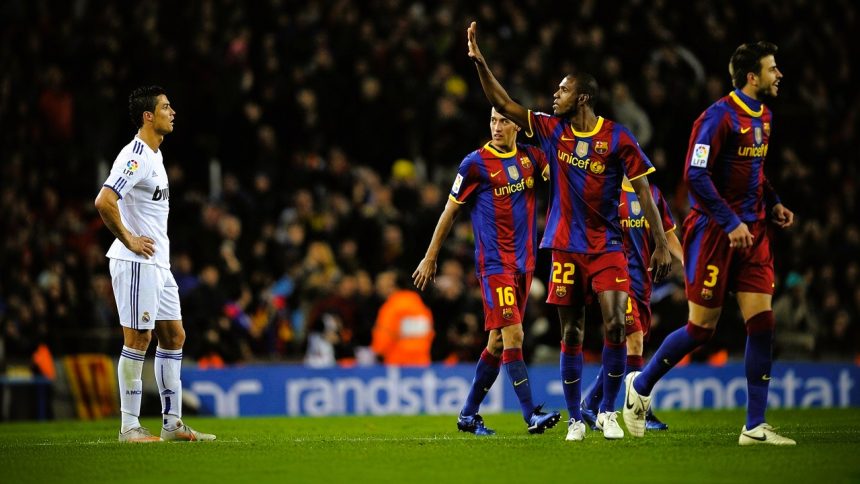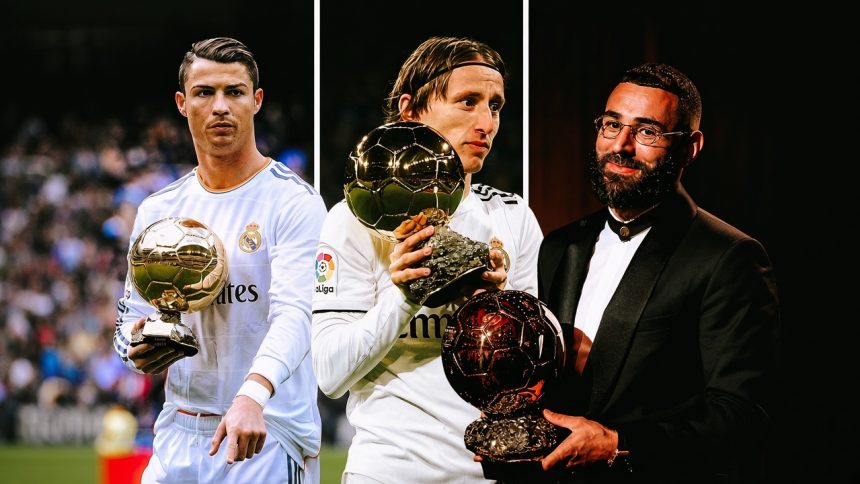





Several footballers have represented both Barcelona and Real Madrid, the two rivals at the center of El Clásico. Some moved directly between the clubs, while others joined the second side after playing elsewhere.
Luis Figo, Luis Enrique, Michael Laudrup, Bernd Schuster and Ronaldo Nazário are among the best-known examples. Their careers show that representing both clubs does not always involve the same kind of transfer or controversy.
This guide focuses on players who made at least one official senior-team appearance for both clubs. Youth-team spells, trials and transfers that never resulted in a senior appearance do not qualify.
The article also distinguishes direct moves from transfers made after a spell at another club.
Players Who Played for Both Barcelona and Real Madrid
The table below covers players with senior first-team appearances for both Barcelona and Real Madrid. The seasons indicate their playing spells, while the final column explains the order in which they represented the clubs and whether another club came between them.
| Player | Barcelona | Real Madrid | Order and route |
|---|---|---|---|
| Luis Figo | 1995-2000 | 2000-2005 | Barcelona → Real Madrid |
| Michael Laudrup | 1989-1994 | 1994-1996 | Barcelona → Real Madrid |
| Bernd Schuster | 1980-1988 | 1988-1990 | Barcelona → Real Madrid |
| Luis Milla | 1984-1990 | 1990-1997 | Barcelona → Real Madrid |
| Luis Enrique | 1996-2004 | 1991-1996 | Real Madrid → Barcelona |
| Ronaldo Nazário | 1996-97 | 2002-2007 | Barcelona → other club(s) → Real Madrid |
| Gheorghe Hagi | 1994-1996 | 1990-1992 | Real Madrid → other club(s) → Barcelona |
| Robert Prosinečki | 1995 to early 1997 | 1991-1994 | Real Madrid → other club(s) → Barcelona |
| Javier Saviola | 2001-2007 | 2007-2009 | Barcelona → Real Madrid |
| Samuel Eto’o | 2004-2009 | 1997-2000 | Real Madrid → other club(s) → Barcelona |
| Alfonso Pérez | 2000-2002 | 1991-1995 | Real Madrid → other club(s) → Barcelona |
| Julen Lopetegui | 1994-1997 | One La Liga appearance | Real Madrid → other club(s) → Barcelona |
| Dani García | 1999-2003 | Mid-1990s | Real Madrid → other club(s) → Barcelona |
| Albert Celades | 1995-1999 | 2000-2004 | Barcelona → other club(s) → Real Madrid |
| Miquel Soler | Late 1980s to early 1990s | 1995-1996 | Barcelona → other club(s) → Real Madrid |
Only official senior-team appearances qualify for this list. The club spells and transfer routes have been cross-checked against sources including LALIGA, FBref and established football publications.
Some databases differ in their season coverage, so exact appearance totals are omitted rather than presented as a single definitive figure.
Luis Figo: The Transfer That Defined a Rivalry
Figo won the 2000 Ballon d’Or in December, several months after joining Real Madrid. The award recognized his performances during the preceding period, including his final season at Barcelona and his displays for Portugal at Euro 2000.
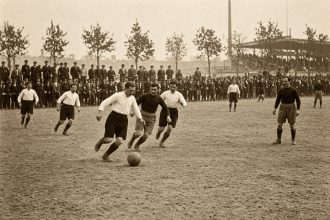
Real Madrid secured Figo’s signing in July 2000 by activating the release clause in his Barcelona contract. The reported fee was about €62 million, a world record at the time.
The move had been negotiated while Florentino Pérez was campaigning to become Real Madrid president.
Pérez had made signing Figo a central promise, and the agreement depended on him winning the election. After Pérez’s victory, Figo was presented as a Madrid player on July 24, 2000.
His arrival became one of the defining signings of Pérez’s early Galáctico era. The controversy was not simply that a player changed clubs; Figo had been Barcelona’s captain and was joining its fiercest rival.
Luis Enrique: From Real Madrid to Barcelona
Luis Enrique joined Real Madrid in 1991 and spent five seasons there before his contract expired in 1996. He then joined Barcelona on a free transfer, moving in the opposite direction to Figo.
At Barcelona, he became a popular figure and remained with the club until retiring as a player in 2004. He won league titles with both sides before later returning to Barcelona as head coach.
His move was significant, but the circumstances differed from Figo’s: Luis Enrique’s contract had expired, so no transfer fee was paid between the clubs. His inclusion here concerns his playing career, not his later work as a manager.
Ronaldo Nazário: Barcelona’s Star and Real Madrid’s Galáctico
Ronaldo remained at Real Madrid until 2007 and became one of the club’s most recognizable attacking players of the Galáctico era.
One of his standout performances came in the 2003 Champions League quarter-final against Manchester United, when he scored a hat-trick at Old Trafford.
His two Spanish spells were very different in length: one season at Barcelona and five seasons at Real Madrid. Inter Milan separated the spells, so he did not transfer directly between the rivals.
Michael Laudrup: A Direct Switch Between the Rivals
Laudrup helped Real Madrid win the 1994–95 league title, ending Barcelona’s run of four consecutive championships. That season, Madrid also beat Barcelona 5–0.
He left Real Madrid in 1996 and continued his career in Japan. His switch remains notable because he moved directly from Barcelona to its main rival and then helped Madrid win the league in his first season there.
His role in the rivalry is best understood through those results rather than assumptions about how every supporter viewed him.
Bernd Schuster: A Midfielder Who Played for Both Giants
Schuster joined Barcelona in 1980 after helping West Germany win Euro 1980. The technically gifted midfielder, nicknamed “der Blonde Engel” (“the Blond Angel”), spent eight seasons with the Catalan club.
After a difficult relationship with Barcelona president Josep Lluís Núñez, Schuster joined Real Madrid in 1988. He won the Spanish league in both of his seasons there before later moving to Atlético Madrid.
Schuster also managed Real Madrid later in his career, leading the team to the 2007–08 league title. His playing career, however, is the reason he qualifies for this list.
Samuel Eto’o: From Real Madrid to Barcelona via Other Clubs
Real Madrid signed Eto’o as a teenager in 1997. He spent much of his early professional career away from the first team, including loan spells at Leganés, Espanyol and Mallorca.
Eto’o later established himself at Mallorca before joining Barcelona in 2004. At Barcelona, he became a major attacking figure, scoring regularly and helping the team win La Liga and the Champions League.
His connection to Real Madrid was brief and should not be confused with a long first-team career. Mallorca was an important part of the route between the two Spanish giants, so Eto’o did not move directly from one to the other.
Gheorghe Hagi: The Romanian Star Who Represented Both Clubs
Hagi joined Real Madrid after the 1990 World Cup and spent two seasons there. He then moved to Brescia in Italy before signing for Barcelona in 1994.
His Barcelona spell lasted until 1996, after which he joined Galatasaray. His time at both Spanish clubs was relatively short, while his wider reputation rests heavily on his performances for Romania and Galatasaray.
The Italian spell between his Madrid and Barcelona careers means Hagi belongs in the list of players who represented both clubs, but not among those who transferred directly between them.
Javier Saviola: A Forward Who Crossed the Divide
Saviola joined Barcelona in 2001 and spent several seasons at the club, scoring regularly during his early years in Spain. In 2007, he joined Real Madrid after his Barcelona spell had ended.
His time in Madrid was much less prominent than his Barcelona career. Nevertheless, he qualifies because he made senior appearances for both clubs. His move also shows why the list should distinguish a player’s career history from the much more controversial transfers that define the rivalry.
Other Players Who Represented Both Clubs
Other players have also represented both clubs, including Robert Prosinečki, Alfonso Pérez, Luis Milla, Miquel Soler, Julen Lopetegui, Dani García and Albert Celades.
Their careers differed in length and importance at each club, but each belongs in the broader history of players who crossed between the rivals.
| Player | Barcelona | Real Madrid | Route |
|---|---|---|---|
| Robert Prosinečki | 1995 to early 1997 | 1991-1994 | Indirect, via an Oviedo loan |
| Alfonso Pérez | 2000-2002 | 1991-1995 | Indirect, via Real Betis |
| Luis Milla | 1984-1990 | 1990-1997 | Direct |
| Miquel Soler | Late 1980s to early 1990s | 1995-1996 | Indirect, via Sevilla |
| Julen Lopetegui | 1994-1997 | One La Liga appearance | Indirect, via Logroñés |
| Dani García | 1999-2003 | Mid-1990s | Indirect, via Mallorca |
| Albert Celades | 1995-1999 | 2000-2004 | Joined a year after leaving |
The history goes back much further than the modern era. LALIGA records Alfonso Albéniz among the earliest players to represent both clubs.
Other historical examples include Ricardo Zamora, Josep Samitier and Evaristo. Older records can be less consistent, so dates and eligibility should be checked individually before adding further names.
Which Players Moved Directly Between Barcelona and Real Madrid?
A direct move means a player joined one club from the other without representing another club in between. It does not necessarily mean the buying club paid a transfer fee.
Notable direct moves include:
- Luis Figo (2000): Barcelona to Real Madrid, through the release clause in his contract.
- Michael Laudrup (1994): Barcelona to Real Madrid.
- Bernd Schuster (1988): Barcelona to Real Madrid.
- Luis Enrique (1996): Real Madrid to Barcelona after his contract expired.
- Luis Milla (1990): Barcelona to Real Madrid.
- Javier Saviola (2007): Barcelona to Real Madrid.
Transfer terms should be stated only where reliable sources establish them. Ronaldo Nazário, Gheorghe Hagi and Samuel Eto’o, by contrast, had spells at other clubs between their Barcelona and Real Madrid careers.
Which Move Was the Most Controversial?
Luis Figo’s 2000 move to Real Madrid is widely regarded as the most controversial transfer between the rivals.
He was Barcelona’s captain, and the move followed Florentino Pérez’s successful presidential campaign, during which signing Figo had been a central promise.
The transfer was completed through Figo’s release clause and involved a reported world-record fee.
When he returned to Camp Nou in a Real Madrid shirt, he faced a hostile reception from Barcelona supporters.
The animosity continued during subsequent Clásicos, making the transfer a lasting symbol of the rivalry.
Other players also crossed the divide, including Schuster and Laudrup, but Figo’s combination of timing, status at Barcelona and the circumstances of the transfer made his move especially prominent.
Did These Players Play for Both Clubs in El Clásico?
Representing Barcelona and Real Madrid at different points in a career does not automatically mean a player appeared in an official El Clásico for both sides. Those are separate records and must be checked against match line-ups.
Michael Laudrup is a clear example of a player who experienced the fixture in both shirts. He featured in Barcelona’s 5–0 win in January 1994 and later played for Real Madrid when it recorded a 5–0 victory over Barcelona in the 1994–95 season.
The broader list above records club careers, not verified El Clásico appearances for both sides. For fixture-specific records, see our guides to the players with the most El Clásico appearances and the El Clásico all-time top scorers.
Conclusion
Players have represented both Barcelona and Real Madrid through very different career paths. Luis Figo’s move became one of football’s most controversial transfers, while Luis Enrique, Michael Laudrup, Bernd Schuster and Ronaldo Nazário crossed the divide in different circumstances.
The key distinction is between playing for both clubs and transferring directly between them. Some players made the switch immediately; others joined the second side after spells elsewhere.
For more on the rivalry, explore our guide to El Clásico history and records, including head-to-head results, leading goalscorers and the biggest wins.