

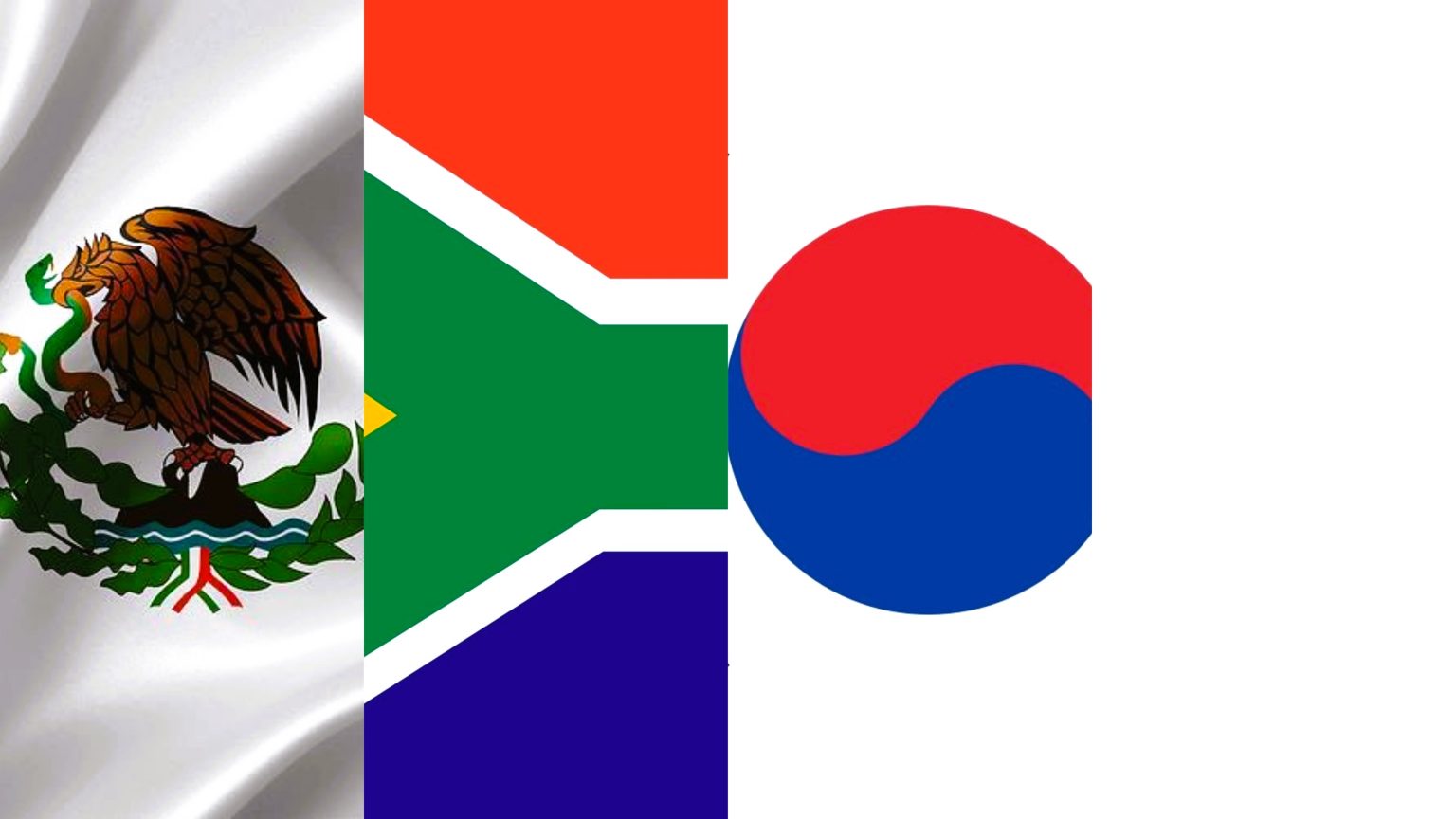
The 2026 FIFA World Cup introduces a new format that gives third-placed teams a second chance—but finishing fourth in Group A still means immediate elimination.
With only the top two teams qualifying automatically and just eight third-placed teams advancing across all groups, fourth place remains the only position with no path forward.
Here’s exactly what happens if a team finishes fourth in FIFA World Cup Group A, and why this outcome leaves no margin for survival.
Does Fourth Place in Group A Qualify?
Finishing fourth in their group at the 2026 FIFA World Cup means a team’s journey ends there. Regardless of the strength of the group, the number of points scored, or how close the final standings are, a team in fourth place is immediately eliminated and does not advance to the knockout stages.
In the 2026 format, the 48 teams are divided into 12 groups of four. A total of 32 teams advance to the new Round of 32. Fourth-placed teams are excluded in all scenarios, as only the top two teams qualify automatically and are joined by the eight best third-placed teams. There is no provision for teams finishing lower.
Why Fourth Place Is Automatically Eliminated
The elimination of a fourth-placed team is a mathematical certainty based on the tournament’s structure. There is simply no pathway for them to rank among the 32 advancing teams.
After three group matches, a fourth-placed team has accumulated fewer points than at least three other teams in its group. Since only third-placed teams are compared across groups for qualification, fourth-placed teams are excluded entirely from the secondary ranking system.
For example, even if a team in Group A finishes fourth with four points while a third-placed team in another group finishes with only three, the fourth-placed team still cannot advance. Goal difference follows the same logic.
Even with a superior goal difference—such as +2 compared to a third-placed team’s −1—the fourth-placed team remains ineligible. Goal difference is used only to determine group standings, not cross-group qualification.
Unlike third-placed teams, which enter a separate ranking table based on points, goal difference, goals scored, and fair play criteria, fourth-placed teams have no access to any fallback mechanism.
This ensures the tournament advances with a fixed and balanced number of qualifiers, keeping the knockout stage structure intact.
Fourth Place vs Third Place (Key Difference)
The key difference between fourth and third place comes down to eligibility for advancement. Third place offers a potential lifeline through the best third-placed ranking, while fourth place guarantees elimination.
| Feature | Third Place | Fourth Place |
|---|---|---|
| Status | Potential qualification | Automatic elimination |
| Wildcard eligibility | Yes (best third-placed ranking) | No |
| Tie-breaker impact | Goal difference can help | Goal difference irrelevant |
| Outcome | Hope remains alive | Immediate exit |
“One place, massive consequence” perfectly describes this dynamic. That single position in the standings separates survival from elimination.
What Fourth Place Means for the Team
Finishing fourth results in an early exit from the tournament, ending a nation’s World Cup campaign after just three matches.
- Early exit: The team is eliminated after the group stage while the tournament continues.
- Minimum matches: Only three games played, with no chance of knockout exposure.
- Lost experience: Players miss high-pressure knockout matches that offer global exposure.
- Financial impact: Federations receive only the minimum participation prize money.
Want the full picture? Read our complete breakdown of what happens after winning FIFA World Cup Group A and see how bracket position can shape a nation’s path to the final.