







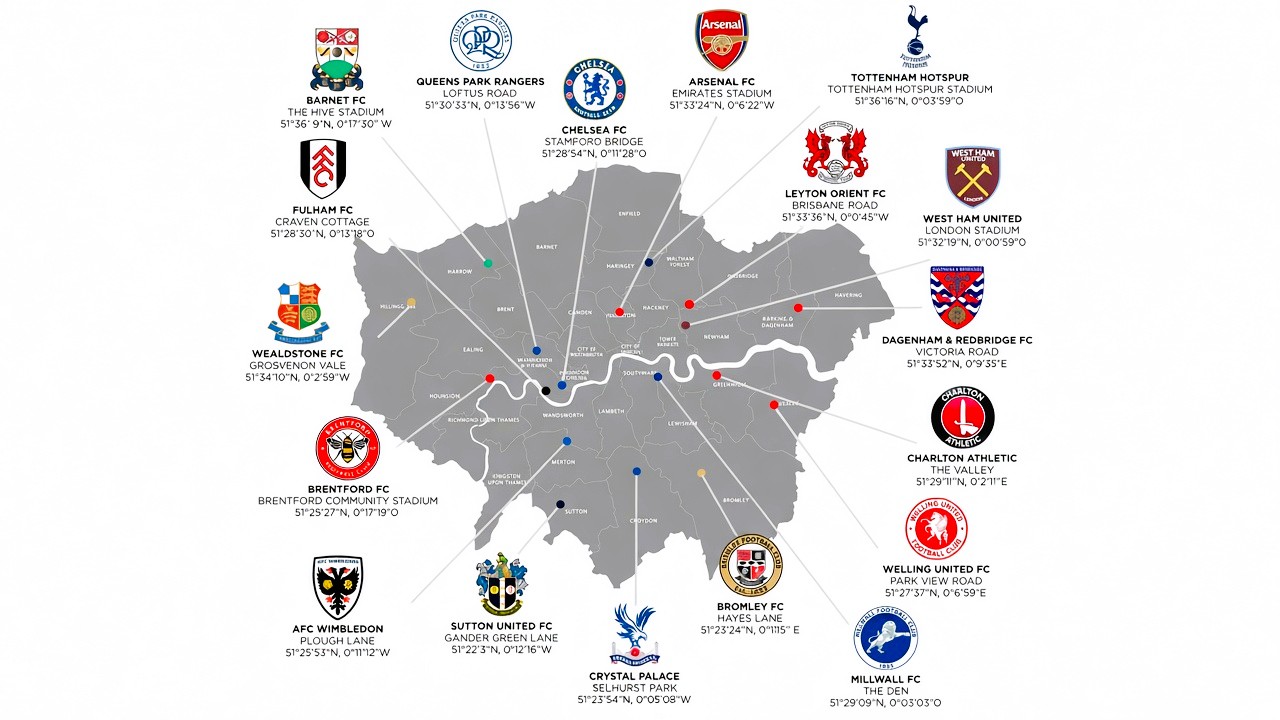

Greater London is home to 19 men’s first-team football clubs competing across the first six tiers of English football during the 2026–27 season.
The list includes six Premier League clubs, four Championship sides, three League One teams, one League Two club, three National League clubs and two National League South teams.
From Arsenal, Chelsea and Tottenham Hotspur to Sutton United, Hornchurch and Hampton & Richmond Borough, this guide covers all 19 clubs, their divisions, home stadiums, locations and histories.
How Many Football Clubs Are There in London?
There are 19 London-based men’s first-team clubs competing in the first six tiers of English football during the 2026–27 season, when London is defined by the location of each club’s home ground within Greater London.
Six clubs compete in the Premier League, four in the Championship, three in League One, one in League Two, three in the National League and two in the National League South.
Here is the complete breakdown:
| League | Clubs |
|---|---|
| Premier League | 6 |
| Championship | 4 |
| League One | 3 |
| League Two | 1 |
| National League | 3 |
| National League South | 2 |
| Total | 19 |
Premier League Football Clubs in London
London has six representatives in the Premier League for the 2026–27 season. These clubs are Arsenal, Brentford, Chelsea, Crystal Palace, Fulham and Tottenham Hotspur.
They are spread across north, west and south London, each with its own football traditions and matchday atmosphere.
| Club | Founded | Stadium | Location |
|---|---|---|---|
| Arsenal | 1886 | Emirates Stadium | Islington |
| Brentford | 1889 | Gtech Community Stadium | Brentford |
| Chelsea | 1905 | Stamford Bridge | Fulham |
| Crystal Palace | 1905 | Selhurst Park | Selhurst |
| Fulham | 1879 | Craven Cottage | Fulham |
| Tottenham Hotspur | 1882 | Tottenham Hotspur Stadium | Tottenham |
Arsenal
Stadium: Emirates Stadium
Location: Islington, North London
Nickname: The Gunners
Arsenal began life in 1886 as a team of workers at the Royal Arsenal in Woolwich, south-east London, under the name Dial Square. The club moved north of the river in 1913 and has played at the Emirates Stadium since 2006.
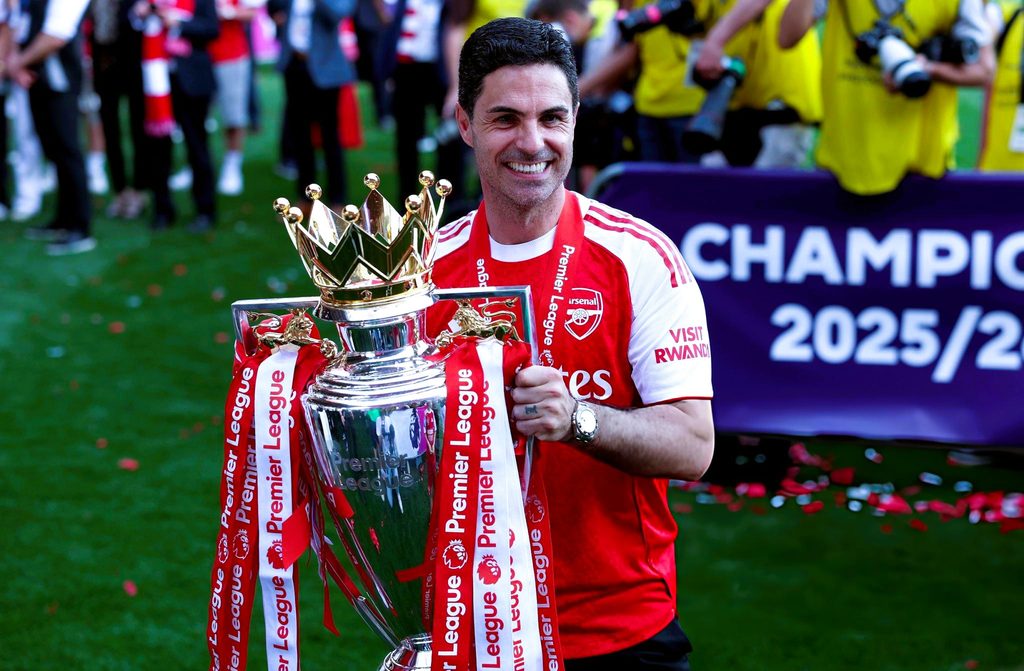
Arsenal are among London’s most successful clubs. They won the Premier League in 2025–26, claiming their 14th top-flight title and their first since the 2003–04 Invincibles season. They also hold the record for FA Cup victories, with 14.
Arsenal’s 2025–26 campaign also brought a run to the Champions League final. They lost to Paris Saint-Germain on penalties after a 1–1 draw, leaving the European Cup as one of the major honours still missing from the club’s collection.
Brentford
Stadium: Gtech Community Stadium
Location: Brentford, West London
Nickname: The Bees
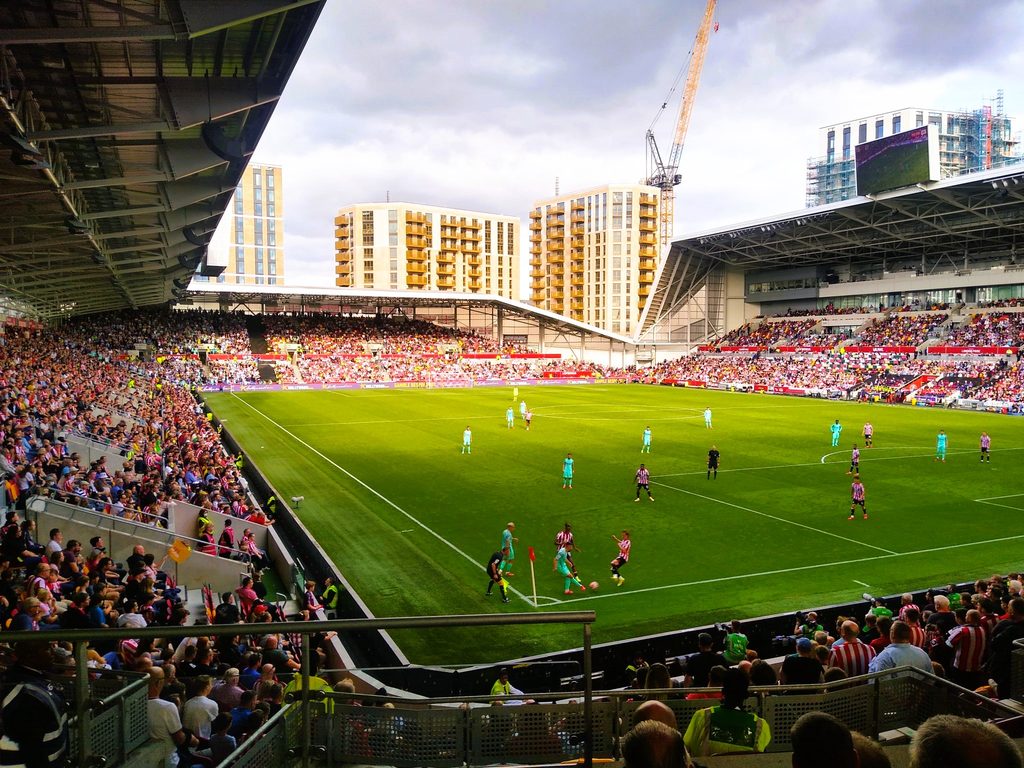
Brentford were founded in 1889 and spent most of their history outside the top flight. Their old Griffin Park ground, known for having a pub on each corner, closed in 2020.
The Bees now play at the Gtech Community Stadium in west London. A play-off final win in 2021 took them to the Premier League and their first top-flight season since 1946-47.
Chelsea
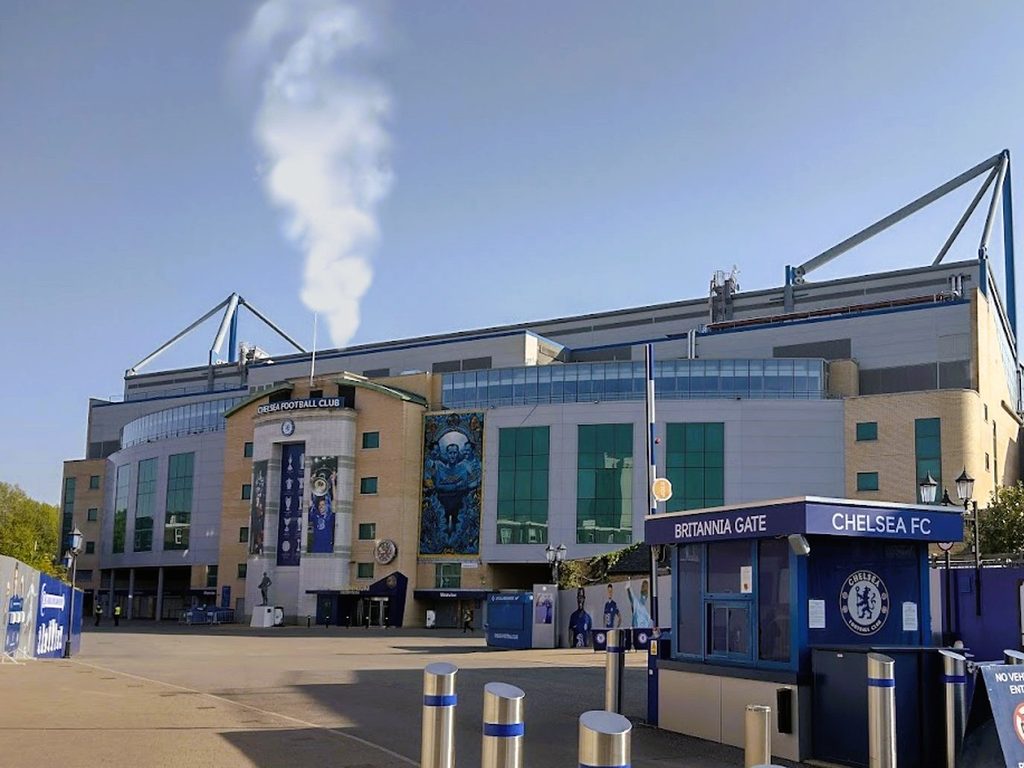
Stadium: Stamford Bridge
Location: Fulham, West London
Nickname: The Blues
Chelsea were founded on March 10, 1905, at a pub opposite Stamford Bridge. The club has never played its home games anywhere else.
Chelsea are the only London club to have won the men’s UEFA Champions League, lifting the trophy in 2012 and 2021.
They have also won six English league titles. Their 2025 honours included the UEFA Conference League and the FIFA Club World Cup.
Crystal Palace
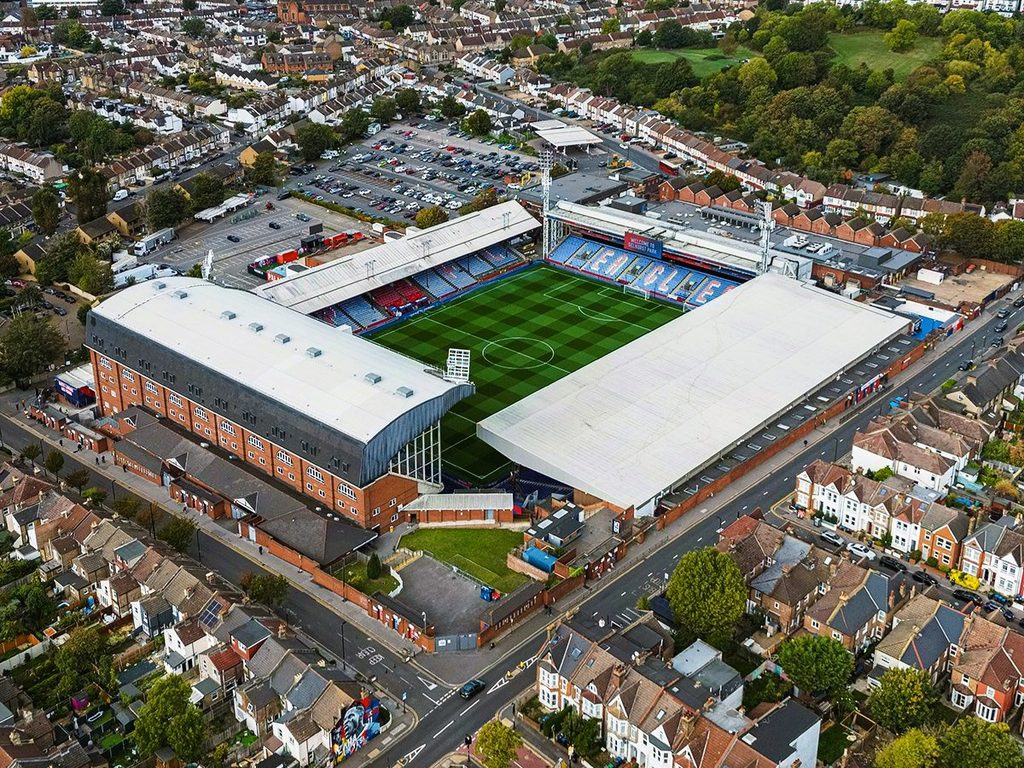
Stadium: Selhurst Park
Location: Selhurst, South London
Nickname: The Eagles
The current Crystal Palace club dates from 1905 and takes its name from the glass exhibition hall that once stood in south London. The Eagles have played at Selhurst Park since 1924.
Crystal Palace enjoyed the most successful period in their history between 2025 and 2026. They won the FA Cup in 2025, followed by the Community Shield later that year.
In 2026, Palace claimed the UEFA Conference League, securing the first major European trophy in the club’s history.
That European triumph also earned Palace a place in the 2026–27 Europa League.
Fulham
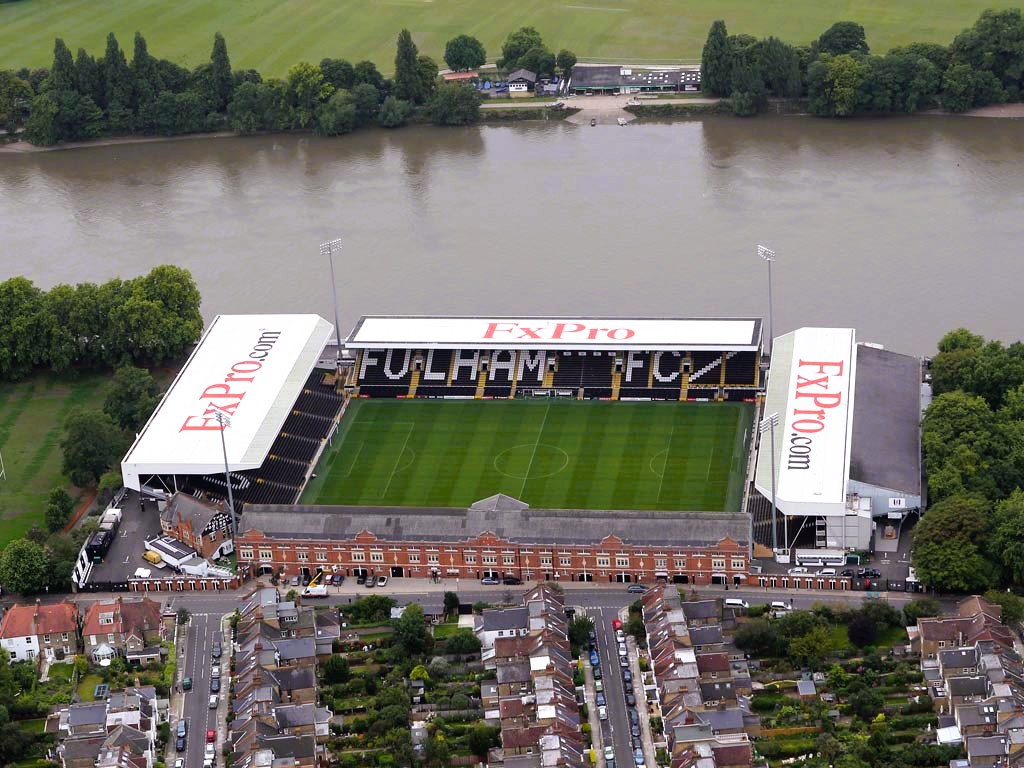
Stadium: Craven Cottage
Location: Fulham, West London
Nickname: The Cottagers
Fulham, founded in 1879, are the oldest professional club in London. They have played at Craven Cottage, beside the Thames, since 1896.
The club has never won a major English or European trophy. Its two biggest near misses were the 1975 FA Cup final, lost to West Ham, and the 2010 Europa League final, lost to Atletico Madrid.
Tottenham Hotspur
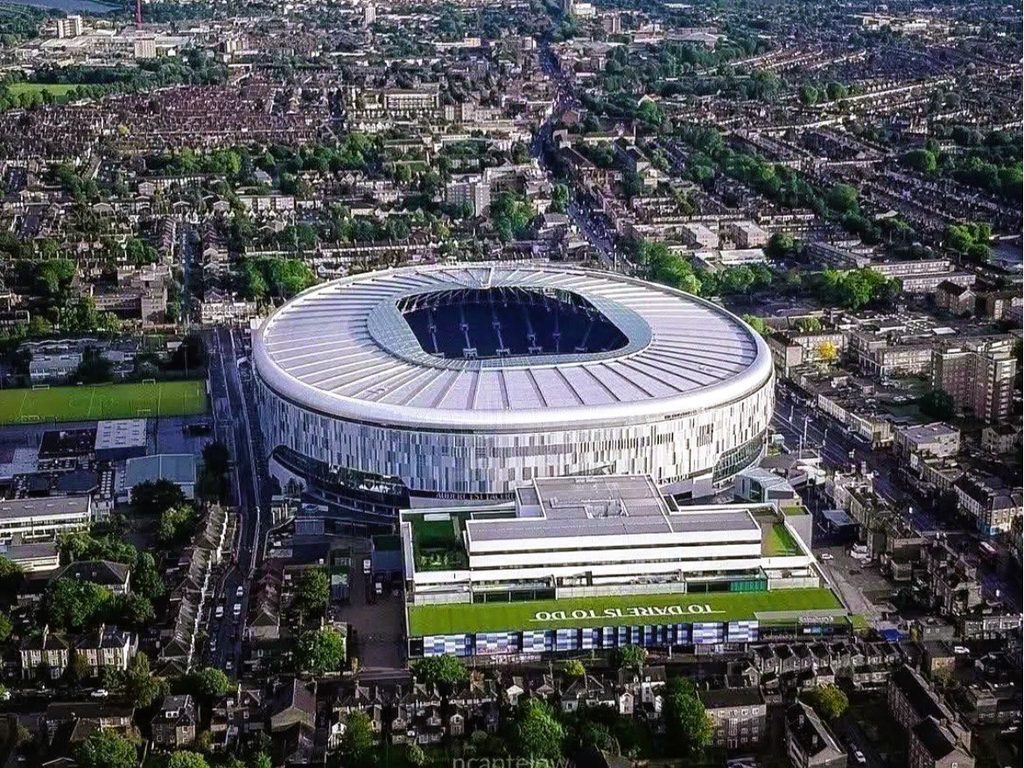
Stadium: Tottenham Hotspur Stadium
Location: Tottenham, North London
Nickname: Spurs
Tottenham were founded in 1882 by schoolboys from the Hotspur Cricket Club. The club moved into the Tottenham Hotspur Stadium in 2019, on the site of the old White Hart Lane, after spending the previous two seasons largely at Wembley.
Spurs won the league in 1951 and 1961. The 1960-61 team was the first in England in the 20th century to win the league and FA Cup double. In 1963 the club became the first British side to win a European trophy.
The Europa League win in 2025 ended a trophy drought that stretched back to the 2008 League Cup. With a capacity of about 62,850, the stadium is the largest of any London Premier League ground.
Championship Clubs in London
The Championship is the second tier of English football and features four London clubs during the 2026–27 season: Charlton Athletic, Millwall, Queens Park Rangers and West Ham United.
These clubs have rich histories and represent different communities across the capital.
| Club | Founded | Stadium | Location |
|---|---|---|---|
| Charlton Athletic | 1905 | The Valley | Greenwich |
| Millwall | 1885 | The Den | Bermondsey, Southwark |
| Queens Park Rangers | 1882 | Loftus Road | Shepherd’s Bush |
| West Ham United | 1895 | London Stadium | Stratford |
West Ham United
Stadium: London Stadium
Location: Stratford, East London
Nickname: The Hammers
West Ham began in 1895 as Thames Ironworks, the works team of a shipbuilding firm in east London. The name changed to West Ham United in 1900.
The Hammers won the FA Cup in 1964, 1975 and 1980, the European Cup Winners’ Cup in 1965 and the Conference League in 2023. They have played at the London Stadium in Stratford since 2016.
Relegation at the end of 2025-26 ended a 14-season stay in the Premier League. It also brings back league meetings with Millwall for the first time since 2012.
Millwall FC
Stadium: The Den
Location: Bermondsey, Southwark, South London
Nickname: The Lions
Millwall were founded in 1885 by workers at a food-canning factory on the Isle of Dogs. The club later crossed the river and has played at The Den in Bermondsey since 1993.
The Lions reached the 2004 FA Cup final and lost 3-0 to Manchester United. Because United had already qualified for the Champions League, Millwall took a place in the UEFA Cup, the only European campaign in the club’s history to date.
Queens Park Rangers
Stadium: Loftus Road
Location: Shepherd’s Bush, West London
Nickname: The Hoops
QPR were founded in 1882 and play at Loftus Road in Shepherd’s Bush, West London. The compact ground has been the club’s home for much of its history.
The Hoops won the League Cup in 1967 while a third-tier club, the first from that level to do so. In 1975-76 they finished second in the First Division, one point behind Liverpool.
Charlton Athletic
Stadium: The Valley
Location: Greenwich, South-East London
Nickname: The Addicks
Charlton were founded in 1905 and play at The Valley in south-east London. The club left the ground in 1985 and returned in 1992 after a long supporter campaign.
The Addicks won the FA Cup in 1947, their only major trophy. They played in the Premier League for seven straight seasons from 2000-01 and finished seventh in 2003-04. A League One play-off win over Leyton Orient in 2025 brought them back to the Championship.
League One Football Clubs in London
Three London clubs compete in League One, the third tier of English football, during the 2026/27 campaign.
These are AFC Wimbledon, Bromley and Leyton Orient.
| Club | Founded | Stadium | Location |
|---|---|---|---|
| AFC Wimbledon | 2002 | Plough Lane | Merton |
| Bromley FC | 1892 | Hayes Lane | Bromley |
| Leyton Orient | 1881 | Brisbane Road | Waltham Forest |
AFC Wimbledon
Stadium: Plough Lane
Location: Merton, South London
Nickname: The Dons
AFC Wimbledon were formed in 2002 by supporters after the original Wimbledon FC moved to Milton Keynes and became MK Dons. The new club reached the Football League in 2011, nine years after it was founded.
The Dons returned to Plough Lane, close to the original club’s old home area, in 2020. They stayed up in League One in 2025-26 after winning promotion through the League Two play-offs the year before.
Bromley
Stadium: Hayes Lane
Location: Bromley, South-East London
Nickname: The Ravens
Bromley were founded in 1892 and play at Hayes Lane in south-east London. They spent 132 years outside the Football League before winning promotion through the National League play-offs in 2024.
The Ravens then won League Two in 2025-26 with 87 points, one ahead of MK Dons. That title takes them to League One for the first time.
Leyton Orient
Stadium: Brisbane Road
Location: Leyton, East London
Nickname: The O’s
Leyton Orient were founded in 1881 and play at Brisbane Road in Leyton, East London. The ground has been the club’s home since 1937.
The O’s won League Two in 2022-23 under Richie Wellens and lost the 2025 League One play-off final to Charlton. They finished 20th in 2025-26, three points above the relegation places.
League Two Football Clubs in London
Place this immediately after the paragraph introducing the League Two section, before the Barnet profile.
| Club | Founded | Stadium | Location |
|---|---|---|---|
| Barnet | 1888 | The Hive Stadium | Edgware |
Barnet
Stadium: The Hive Stadium
Location: Edgware, North London
Nickname: The Bees
Barnet were founded in 1888 and have played at The Hive in Edgware, north-west London, since 2013. The Bees first joined the Football League in 1991.
They returned to the EFL by winning the National League in 2024-25. Barnet finished two points outside the play-off places in 2025-26 and are the only London club in League Two this season.
National League Football Clubs in London
The National League is the fifth tier of English football. Three clubs with home grounds inside Greater London compete in the division during the 2026/27 season.
Place it after the introductory paragraph at line 382.
| Club | Founded | Stadium | Location |
|---|---|---|---|
| Hornchurch | 1881 | Hornchurch Stadium | Hornchurch, Havering |
| Sutton United | 1898 | Gander Green Lane | Sutton |
| Wealdstone | 1899 | Grosvenor Vale | Ruislip |
Hornchurch
Stadium: Hornchurch Stadium
Location: Hornchurch, East London
Nickname: The Urchins
Hornchurch Football Club was originally founded in 1881, though its modern lineage traces to 1923 and its current entity was reformed in 2005
The club is located in the London Borough of Havering and plays its home matches at Hornchurch Stadium in East London.
The club has built its history through the non-league system and represents one of the communities outside central London with a strong local football tradition.
Hornchurch’s place in the National League during the 2026–27 season adds another club from the capital’s non-league football scene to this list.
Sutton United
Stadium: Gander Green Lane
Location: Sutton, South London
Nickname: The U’s
Sutton United were founded in 1898 and are based in south London. The U’s play their home matches at Gander Green Lane.
The club reached the Football League for the first time in 2021 after winning the National League play-offs, marking a major milestone in its history.
Sutton’s FA Cup run in 2021–22 also attracted national attention. The club reached the fifth round for the first time before losing to Arsenal.
Following relegation from League Two in 2025, Sutton returned to the National League, where they compete during the 2026–27 season.
Wealdstone
Stadium: Grosvenor Vale
Location: Ruislip, North-West London
Nickname: The Stones
Wealdstone Football Club was founded in 1899 and is based in Ruislip, north-west London. The Stones play their home matches at Grosvenor Vale.
The club is known for its long history in non-league football, including its FA Trophy victory in 1985. That achievement remains one of the most notable moments in Wealdstone’s history.
Wealdstone continue to represent the Ruislip area in the National League during the 2026–27 season.
National League South Football Clubs in London
Two clubs with home grounds within Greater London compete in the National League South, the sixth tier of English football, during the 2026/27 season.
| Club | Founded | Stadium | Location |
|---|---|---|---|
| Dagenham & Redbridge | 1992 | Victoria Road | Dagenham |
| Hampton & Richmond Borough | 1921 | Beveree Stadium | Hampton |
Dagenham & Redbridge
Stadium: Victoria Road (Chigwell Construction Stadium)
Location: Dagenham, East London
Nickname: The Daggers
Dagenham & Redbridge Football Club was formed in 1992 following the merger of Dagenham FC and Redbridge Forest, which had itself been created through the merger of Ilford, Leytonstone and Walthamstow Avenue.
One of the most important milestones in the club’s history came during the 2006/07 season, when the Daggers won the Conference National title to secure promotion to the Football League for the first time. They finished the campaign as champions, ending years of near misses in their pursuit of a place in the professional divisions.
Dagenham continued their progress in the Football League and achieved another historic promotion in 2010. After finishing seventh in League Two, they defeated Morecambe in the play-off semi-finals before beating Rotherham United 3–2 in the final at Wembley Stadium.
Their promotion took them into League One for the 2010/11 season. Although they were relegated back to League Two after finishing 21st, their appearance in the third tier represented the highest level the club had reached.
Following several more seasons in the Football League, Dagenham were relegated to the National League in 2016 and subsequently dropped into the National League South in 2025.
The Daggers now compete in the National League South for the 2026/27 season, continuing their history in English non-league football.
Hampton & Richmond Borough
Stadium: Beveree Stadium
Location: Hampton, South-West London
Nickname: The Beavers
Hampton & Richmond Borough Football Club was founded in 1921 as Hampton FC and adopted its current name in 1999. The Beavers have a long history in English non-league football, progressing through regional competitions before establishing themselves in the Isthmian League.
One of the club’s significant achievements came in the 2006/07 season, when Hampton & Richmond won the Isthmian League Premier Division championship. Their title-winning campaign secured promotion to the Conference South, now known as the National League South, for the following season.
The club made an impressive start at the higher level, finishing third in the 2007/08 campaign and reaching the play-off semi-finals. Hampton continued their strong performances in 2008/09, finishing second and reaching the play-off final, where they narrowly lost 3–2 to Eastbourne Borough.
After several seasons in the Conference South, Hampton returned to the Isthmian League in 2012. However, the club rebuilt successfully and enjoyed another outstanding campaign in 2015/16, winning the Isthmian League Premier Division title for the second time in its history.
That championship secured promotion back to the National League South, where Hampton & Richmond have continued competing, including during the 2026/27 season.
The club plays its home matches at Beveree Stadium, a traditional non-league ground that has been central to its identity for generations.
Which Are the Biggest Football Clubs in London?
The biggest football clubs in London depend on how size is measured. Global recognition, supporter numbers, stadium capacity, trophy records and financial strength all offer different ways to compare them.
Arsenal, Chelsea and Tottenham Hotspur have some of the capital’s largest international profiles. West Ham United also have a substantial following, while Crystal Palace, Fulham and Brentford have established Premier League identities.
Beyond the top division, Millwall, Charlton Athletic, Queens Park Rangers and Leyton Orient have long histories and strong local support. Their importance to London football cannot be measured by international popularity alone.
Final Thoughts
London’s football scene extends well beyond its Premier League clubs. The capital’s 19 teams in the first six tiers represent a wide range of football histories, stadiums and supporter communities.
This guide provides a snapshot of the clubs competing across Greater London in 2026–27. Their divisions may change through promotion and relegation, but together they show the depth of football across the capital.
League classifications in this guide refer to the 2026/27 season.