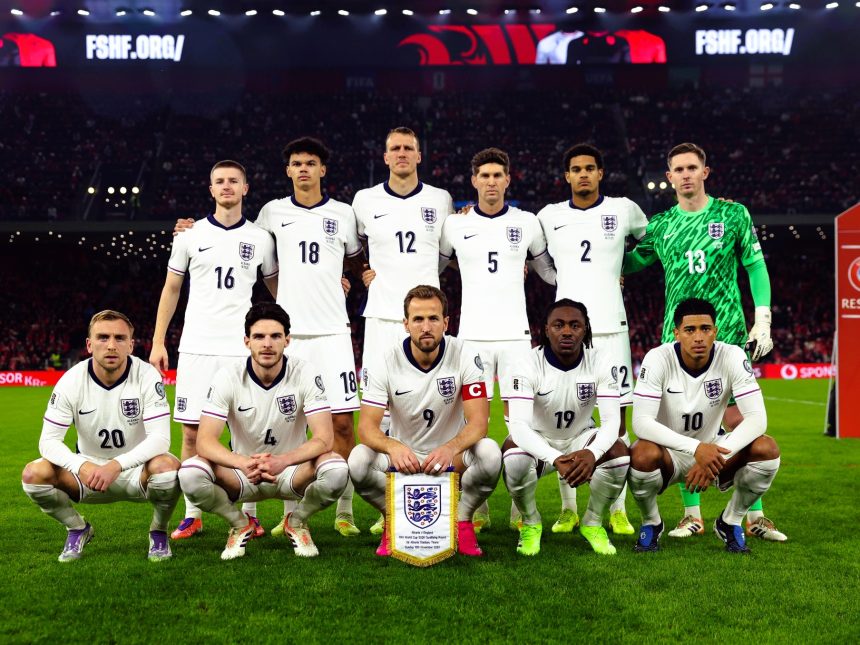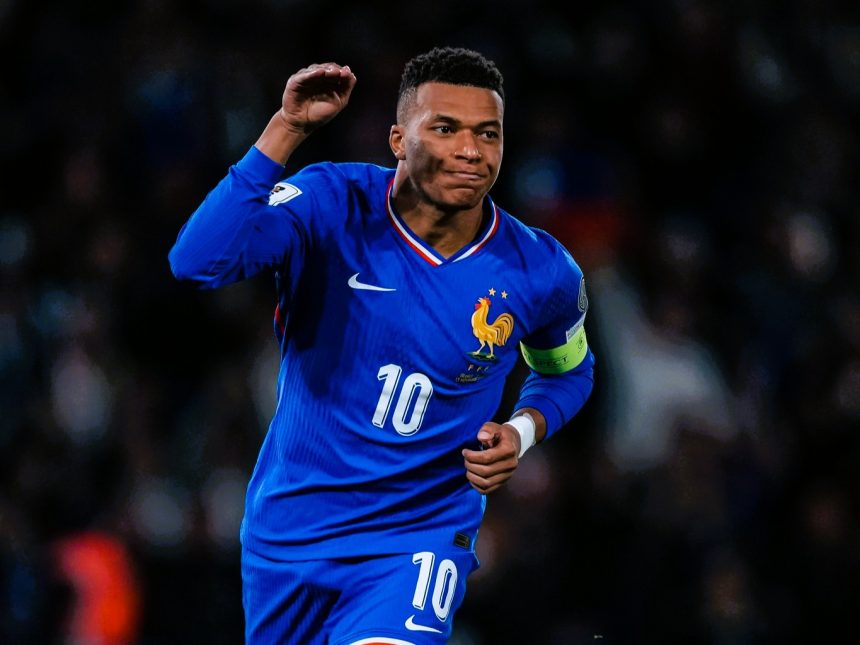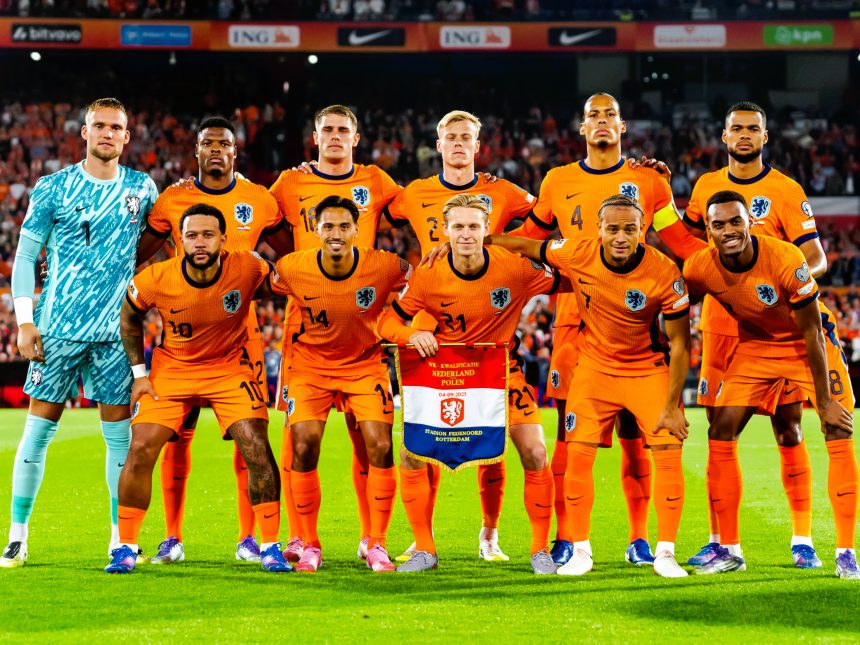








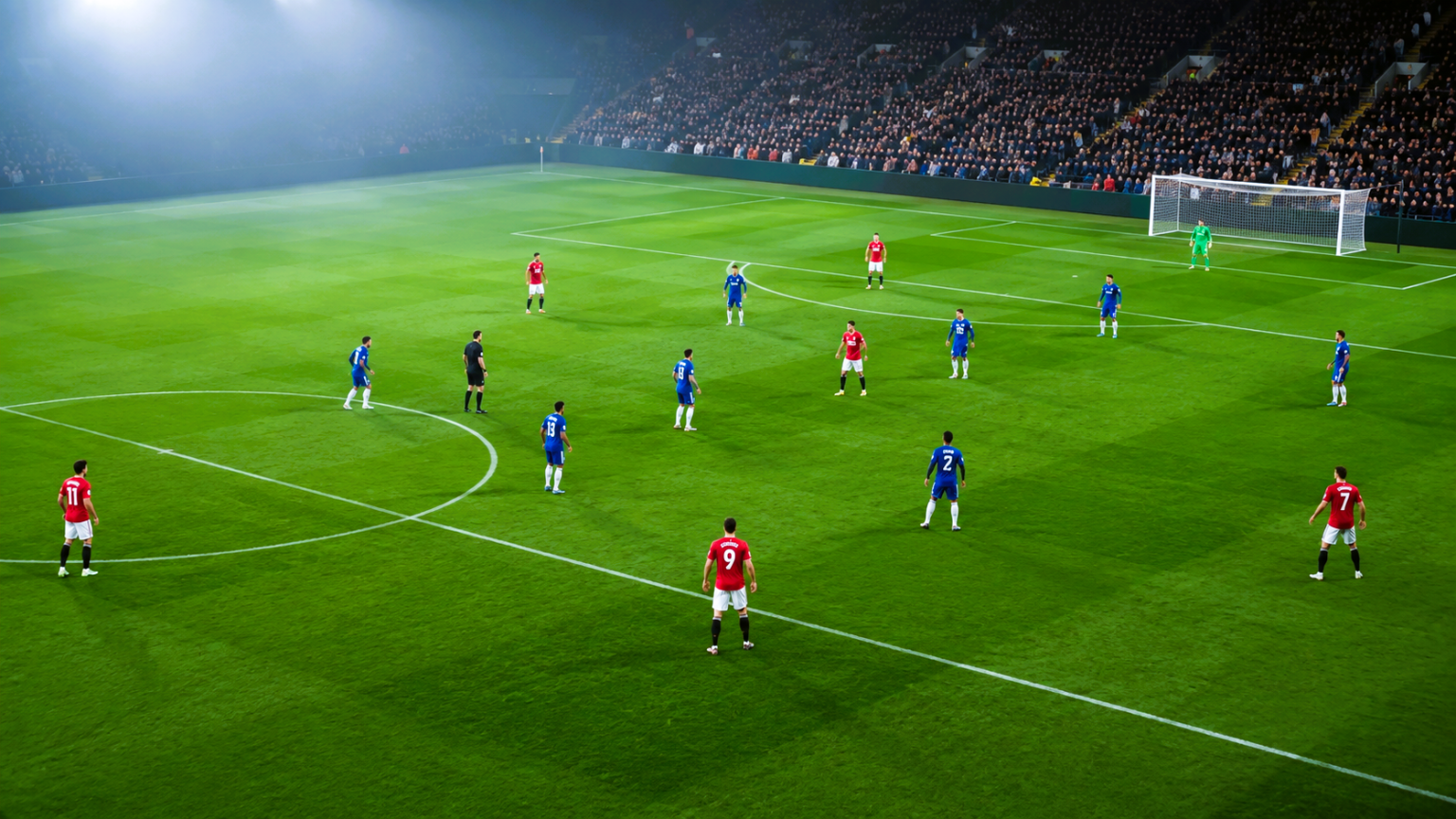

Football positions determine where players usually operate on the pitch and what they are expected to do during a match. From the goalkeeper protecting the net to the striker leading the attack, every position has different responsibilities, skills and tactical demands.
A goalkeeper protects the goal. A center-back defends the middle of the box. A midfielder links defense and attack.
A striker is tasked with scoring. These four broad categories, goalkeeper, defender, midfielder, and forward, form the backbone of every team, but within each one sit several specialized roles with their own demands and skill sets.
In the United States and Canada, football is commonly called soccer, so you will see both terms used here. Modern football is also fluid.
A player’s listed position does not always describe exactly where they spend the match. A full-back may push into midfield during possession, and a winger may drift inside toward the center.
Understanding the traditional positions is still the best starting point for understanding everything else, from formations to tactics to why certain players are described as a “No. 6” or a “No. 10.”
What Are the Main Football Positions?
Here is a fast reference for the most common football positions and soccer positions you will hear referenced during a match or in tactical analysis.
| Position | Abbreviation | Main Role |
| Goalkeeper | GK | Stops shots, organizes the defense |
| Center-back | CB | Defends the central area near goal |
| Left-back | LB | Defends the left flank |
| Right-back | RB | Defends the right flank |
| Wing-back | LWB/RWB | Defends and attacks down the flank |
| Defensive midfielder | CDM/DM | Shields the back line, wins the ball |
| Central midfielder | CM | Links play, controls possession |
| Attacking midfielder | CAM/AM | Creates chances between the lines |
| Left midfielder | LM | Provides width on the left |
| Right midfielder | RM | Provides width on the right |
| Winger | LW/RW | Attacks from wide areas |
| Second striker | SS | Plays just behind the main striker |
| Center-forward | CF | Leads the attack centrally |
| Striker | ST | Primary goal scorer |
These labels are useful shorthand, but terminology can shift between clubs, coaches, countries, and tactical systems. A “central midfielder” at one club might carry very different duties at another.


The Four Main Football Positions
Before getting into specialized roles, it helps to understand the four broad groups that organize the positions on a football team.
Goalkeeper
The last line of defense, responsible for preventing goals and often starting attacks with distribution.
Defenders
Positioned closest to their own goal, tasked with stopping opposition attacks and winning back possession.
Midfielders
Operating in the middle third, they connect defense to attack and often control the tempo of a match.
Forwards
Positioned closest to the opponent’s goal, primarily responsible for creating and finishing scoring chances.
The 11 Players on a Football Team
A football team has 11 players on the pitch at one time, with each player assigned a position and set of responsibilities. The exact distribution depends on the formation chosen by the manager.
A common example is a 4-3-3 formation, which consists of:
- 1 goalkeeper
- 4 defenders
- 3 midfielders
- 3 forwards
However, there is no single way to divide the 11 players. Different formations change how many players are used in defense, midfield, and attack.
For example:
| Formation | Goalkeeper | Defenders | Midfielders | Forwards |
| 4-4-2 | 1 | 4 | 4 | 2 |
| 4-3-3 | 1 | 4 | 3 | 3 |
| 3-5-2 | 1 | 3 | 5 | 2 |
| 4-2-3-1 | 1 | 4 | 5 | 1 |
The goalkeeper remains the team’s last line of defense, while the other 10 players are outfield players. Defenders generally protect their own goal, midfielders connect defense with attack, and forwards focus more heavily on creating and finishing chances.
It’s also important to remember that these numbers describe a team’s starting formation, not necessarily where players remain throughout the match. Modern football is fluid, so a full-back may move into midfield, a winger may move centrally, or a midfielder may push into the attack depending on the situation.
This is why understanding both football positions and formations is important when analyzing how a team plays.
Explore more football records and rankings on FutbolUpdate, including our breakdowns of the most hat-tricks in football history, and the Most Free-Kick Goals in Football History.
Goalkeeper Positions
The goalkeeper is the only player who can normally use their hands inside their own penalty area, subject to the Laws of the Game. Beyond that basic distinction, goalkeepers today are asked to do far more than simply stop shots.
Traditional Goalkeeper
A traditional goalkeeper focuses on the core duties of the position: shot stopping, catching and parrying the ball, positioning correctly relative to the shot angle, commanding the penalty area on crosses and set pieces, organizing the defensive line, and restarting play with a throw or a kick. This style of goalkeeper prioritizes safety and reliability over involvement in build-up play.
Sweeper-Keeper
A sweeper-keeper plays higher off the goal line and acts almost like an extra defender when the ball is in play.
This role involves covering the space behind a high defensive line, using their feet comfortably under pressure, and helping build attacks from the back with accurate short and long passing.
The difference from a traditional goalkeeper is one of positioning and involvement. A sweeper-keeper is expected to read the game well beyond the penalty area, not just within it.
Defender Positions
Defenders form the base of a team’s structure. Their job is to stop opposition attacks, but modern defending also involves starting attacks through accurate passing out from the back.
| Position | Abbreviation | Typical Area | Main Responsibility |
| Center-back | CB | Central defense | Marking, aerial duels, blocking shots |
| Left-back | LB | Left flank | Defending width, supporting attacks |
| Right-back | RB | Right flank | Defending width, supporting attacks |
| Wing-back | LWB/RWB | Flank, higher up the pitch | Attacking width and defensive cover |
Center-Back (CB)
The center-back plays in the middle of the defense, directly in front of the goalkeeper. Their responsibilities include marking opposition attackers, tackling, making interceptions, winning aerial duels, blocking shots, and defending against crosses into the box.
Many modern center-backs are also expected to start attacks by playing accurate passes out from the back.
The main difference between a center-back and a full-back is location and focus. A center-back defends centrally and rarely strays far from the middle of the pitch, while a full-back is responsible for a wide channel and typically has more attacking freedom.
Left-Back and Right-Back (LB/RB)
Full-backs defend the wide areas of the pitch. Their core job is stopping opposing wingers, but in modern football they are also asked to support attacks through overlapping runs, crossing, and tracking back quickly to maintain defensive shape.
A full-back needs both defensive discipline and attacking energy, since they are often required to sprint the length of the pitch multiple times during a match.
Wing-Back (LWB/RWB)
Wing-backs are commonly used in systems built around three center-backs, such as a 3-5-2 or 3-4-3. They carry greater attacking responsibility than a traditional full-back, providing width in the final third, delivering crosses, and pressing opponents high up the pitch. When possession is lost, wing-backs must recover quickly into a back five to maintain defensive solidity.
Compared to a full-back, a wing-back generally plays higher up the pitch and spends more time contributing to attacks, which places extra demand on stamina and positional awareness.
Midfielder Positions
Midfielders are often described as the link between defense and attack because they influence both phases of play. A team’s midfield shape can determine whether it controls possession or concedes it.
| Position | Abbreviation | Main Function |
| Defensive midfielder | CDM/DM | Protects the back line, breaks up play |
| Central midfielder | CM | Balances defense and attack |
| Attacking midfielder | CAM/AM | Creates chances near the box |
| Left/right midfielder | LM/RM | Provides width, tracks back |
| Box-to-box midfielder | CM | Contributes in both boxes |
Defensive Midfielder (CDM/DM)
A defensive midfielder sits in front of the back line, intercepting passes, winning back possession, and controlling the tempo of the game. This role also involves recycling possession under pressure and covering the space left by attacking full-backs. The position is sometimes referred to as the “No. 6,” a reference to the traditional shirt number associated with deep-lying defensive midfielders.
Central Midfielder (CM)
Central midfielders sit at the heart of the team, contributing to passing, ball progression, and possession, while also supporting both defensive and attacking phases. The profile of a central midfielder can vary widely depending on the tactical system. Some prioritize defensive work, others emphasize creativity, and many are asked to do a bit of everything.
Box-to-Box Midfielder
A box-to-box midfielder contributes at both ends of the pitch, defending inside their own penalty area at one moment and arriving late into the opposition box the next. This role demands pressing intensity, the ability to carry the ball forward, late attacking runs, and strong tactical awareness to know when to support the defense and when to join the attack.
Attacking Midfielder (CAM/AM)
An attacking midfielder operates between the midfield and the forward line, tasked with creating scoring chances.
This includes playing through balls, finding pockets of space, shooting from distance, and linking the midfield with the strikers. The position is frequently called the “No. 10,” a term associated with some of the game’s most creative players.
Left Midfielder and Right Midfielder (LM/RM)
In formations like the 4-4-2, wide midfielders provide width, deliver crosses, and track back defensively to support the full-backs.
This differs from a modern winger, who typically plays higher up the pitch with fewer defensive responsibilities. A traditional wide midfielder is generally expected to balance attacking output with defensive tracking more evenly.
Forward Positions
Forwards are primarily responsible for creating and finishing attacking opportunities, though the exact demands vary considerably between wingers, strikers, and center-forwards.
Winger (LW/RW)
Wingers play in wide attacking areas, taking on defenders in one-on-one situations, delivering crosses, creating chances, and stretching the opposition defense. Many modern wingers also cut inside to shoot or combine centrally rather than staying out wide throughout the match.
Inverted Winger
An inverted winger usually plays on the opposite side of their stronger foot. For example, a left-footed attacker playing on the right wing can cut inside onto their favored foot to shoot or pick out a pass.
This is not a universal rule, but it is a common tactical approach because it allows a winger to threaten goal directly rather than relying solely on crosses.
Striker (ST)
The striker’s main job is finishing chances, but the role covers several distinct profiles. Responsibilities generally include attacking the penalty area, holding up play with their back to goal, making runs behind the defense, occupying center-backs, and pressing from the front when out of possession.
Common striker profiles include the poacher, who specializes in finishing inside the box with minimal touches; the target forward, who holds up the ball and brings teammates into play; the pressing forward, who leads the team’s defensive press from the front; and the complete striker, who combines several of these traits.
Center-Forward (CF)
“Center-forward” is often used more broadly than “striker.” It can describe a player who operates centrally but with more freedom to drop deep, drift wide, or link play, rather than staying fixed near the last defensive line. Exactly how the term is applied varies between tactical systems and coaching traditions.
Second Striker (SS)
A second striker plays behind or alongside the main striker, linking midfield and attack, creating chances, and making late runs into space around the opposition’s defensive line. This differs from a traditional No. 10 in that a second striker typically operates closer to the striker and focuses more on combining in the final third than on dictating play from deeper areas.
Football Position Numbers Explained
Traditional shirt numbers have long been associated with certain positions, a tradition that dates back to early organized football. Modern football does not require players to wear a number that matches a specific role, but the associations remain widely recognized and are still used as shorthand in tactical discussion.
| Number | Traditional Position |
| 1 | Goalkeeper |
| 2 | Right-back |
| 3 | Left-back |
| 4 | Center-back / defensive midfielder |
| 5 | Center-back |
| 6 | Center-back / defensive midfielder |
| 7 | Right winger / attacking player |
| 8 | Central midfielder |
| 9 | Striker |
| 10 | Attacking midfielder / playmaker |
| 11 | Left winger |
These associations vary by country, era, and tactical tradition. They are useful as a reference point, but they are not fixed modern rules, and plenty of players wear numbers that have nothing to do with their position on the pitch.
Football Positions by Formation
The same player can carry different responsibilities depending on the team’s formation. Below are several common structures and how positions function within each.
4-3-3 Formation
GK / LB / CB / CB / RB / CM / CDM / CM / LW / ST / RW
This formation relies on wide forwards to stretch the defense while a single defensive midfielder screens the back four. Full-backs often push forward to provide width when the wingers cut inside.
4-4-2 Formation
GK LB / CB / CB / RB / LM / CM / CM / RM / ST / ST
A traditional shape built around two banks of four and a pair of strikers working together, one often dropping deeper while the other stays on the last line.
4-2-3-1 Formation
GK / LB / CB / CB / RB / CDM / CDM / LW / CAM / RW/ ST
This formation provides a balance between midfield protection and attacking support. The double pivot of defensive midfielders shields the defense, while three attacking players support a lone striker.
3-5-2 Formation
GK / CB / CB / CB / LWB / CM / CM / CM / RWB / ST / ST
Wing-backs are essential to this system, since they provide the width that a back three cannot offer on its own, while also being expected to track back into a five-man defense out of possession.
4-3-1-2 Formation
GK / LB / CB / CB / RB / CM / CDM / CM / CAM / ST / ST
The attacking midfielder plays a central role here, linking a compact midfield three with two strikers and often dictating the tempo of attacking play.
Difference Between Similar Football Positions
Full-back vs Wing-back
A full-back typically plays in a back four with a more even split between defensive and attacking duties. A wing-back plays in a back three system, sits higher up the pitch, and carries greater attacking responsibility, which requires more stamina to recover defensively.
Winger vs Wide Midfielder
A winger generally starts higher and wider, with fewer defensive obligations and more freedom to attack one-on-one. A wide midfielder sits deeper, contributes more to defensive tracking, and is more tied to supporting the full-back behind them.
Striker vs Center-Forward
These terms overlap significantly and are often used interchangeably. Where a distinction is drawn, a striker tends to stay closer to the last defensive line, while a center-forward may have more freedom to drop deep or drift into wider areas.
No. 6 vs No. 8 vs No. 10
The No. 6 is the deepest midfielder, focused on shielding the defense. The No. 8 is a central or box-to-box midfielder who contributes to both defense and attack.
The No. 10 is the advanced playmaker, operating closest to the strikers. These are traditional tactical labels rather than rigid rules, and a player’s actual number rarely matches these roles exactly in modern football.
What Does Each Football Position Do?
| Position | Main Defensive Job | Main Attacking Job |
| Goalkeeper | Stop shots, command the box | Distribute play, start attacks |
| Center-back | Mark attackers, win aerial duels | Play out from the back |
| Full-back | Stop wide attackers | Overlap, cross, support width |
| Wing-back | Recover into the defensive line | Provide width, deliver crosses |
| Defensive midfielder | Screen the back line, intercept | Recycle possession, start moves |
| Central midfielder | Support the defensive shape | Progress the ball, link play |
| Attacking midfielder | Press from the front | Create chances, shoot from range |
| Winger | Track back on the flank | Take on defenders, cross, cut inside |
| Striker | Press the first line | Finish chances, hold up play |
Which Football Position Is the Hardest?
There is no single answer to this question. Difficulty depends on a player’s strengths, the tactical system they play in, and the level of football they compete at. Several positions are widely regarded as especially demanding.
Goalkeepers face intense mental pressure, since a single mistake can directly result in a goal. Center-backs need to combine physical strength with precise decision-making, often against fast, unpredictable attackers.
Central midfielders are required to influence both defensive and attacking phases while reading the game constantly.
Full-backs and wing-backs cover enormous distances and must switch rapidly between defending and attacking. Strikers are judged heavily on finishing, which means their mistakes are often the most visible of any position.
Which Football Position Scores the Most Goals?
Forwards and attacking players generally score more goals than players in deeper positions, but there is no fixed rule. Strikers are the most obvious goal scorers, since finishing is central to the role. Center-forwards often carry a similar goal-scoring burden.
Wingers can also score heavily, particularly inverted wingers who cut inside to shoot. Attacking midfielders contribute goals as well, especially in systems built around a creative No. 10 who gets into scoring positions.
Tactical systems can dramatically affect these numbers. A team built around wide combination play may produce more goals from wingers, while a team that funnels chances through a target forward will see more goals from its striker.
Which Football Position Is Best for Beginners?
The best position for a new player depends on individual strengths such as speed, stamina, height, ball control, passing ability, shooting technique, confidence, tactical awareness, and physical strength.
As general guidance, players who enjoy shot stopping and commanding space often suit goalkeeper. Those who like defending and physical duels often suit center-back or full-back. Players who enjoy passing and controlling the game often suit midfield.
Those who like dribbling and taking on opponents often suit winger. Players who enjoy finishing chances often suit striker.
These are general guidelines rather than fixed rules. Many players discover their best position only after trying several roles over time.
Can Football Players Change Positions?
Yes, players regularly change positions throughout their careers. This can happen for several reasons, including tactical changes at a club, natural aging, physical development, coaching decisions, injuries, and a better understanding of a player’s strengths and weaknesses over time.
Team needs also play a role, since a squad may lack depth in a certain area and ask a player to adapt.
Modern football increasingly values versatile players who can operate in multiple positions, since this flexibility gives coaches more tactical options during a match.
Why Football Positions Are Becoming More Flexible
Traditional position labels are becoming less rigid as tactical trends evolve. Several concepts illustrate this shift.
Inverted full-backs move into central midfield areas during possession rather than staying out wide, helping a team control the middle of the pitch.
Attacking center-backs step into midfield to overload possession and support build-up play. False nines drop deep from the striker position to draw defenders out of position and create space for teammates.
Roaming midfielders move fluidly across the pitch rather than staying fixed in one zone. Inverted wingers cut inside to shoot or combine centrally rather than staying wide.
Goalkeepers are increasingly involved in build-up play, acting almost as an additional outfield passer.
In practice, most players still have a starting position that defines their base responsibilities, but they move into different areas depending on whether their team has the ball, has just lost it, or is defending deep in its own half.
Football Positions FAQs
What are the 4 main positions in football?
The four main positions in football are goalkeeper, defender, midfielder, and forward. Each of these broad categories contains several specialized roles, such as center-back within defense or striker within the forward line, but every outfield and goalkeeping role fits under one of these four groups.
What are the 11 positions in football?
A common eleven includes a goalkeeper, two center-backs, a left-back, a right-back, a defensive midfielder, two central or attacking midfielders, two wingers, and a striker. The exact mix of roles changes depending on the formation a team uses, so this is only one example among many possible lineups.
What does GK mean in football?
GK stands for goalkeeper, the player positioned in front of the goal whose main job is preventing the opposition from scoring. The goalkeeper is the only player permitted to use their hands within their own penalty area under the Laws of the Game.
What does CB mean in football?
CB stands for center-back, a central defender positioned in front of the goalkeeper. Center-backs are primarily responsible for marking opposition attackers, winning aerial duels, and blocking shots inside their own penalty area.
What does CDM mean in football?
CDM stands for central defensive midfielder, a player positioned just in front of the back line. Their main role is to protect the defense by intercepting passes, winning the ball back, and controlling the tempo of the match.
What does CAM mean in football?
CAM stands for central attacking midfielder, a creative player who operates between the midfield and the forward line. This role focuses on creating scoring chances through passing, movement, and shooting from range.
What does ST mean in football?
ST stands for striker, the player primarily responsible for scoring goals. Strikers typically play closest to the opposition’s goal and focus on finishing chances created by their teammates.
What is a No. 10 in football?
A No. 10 refers to an advanced playmaker, usually an attacking midfielder, who creates chances for teammates through passing and vision. The term comes from the traditional shirt number associated with this role, though modern players do not always wear the number 10.
What is a No. 9 in football?
A No. 9 refers to a central striker, traditionally the primary goal scorer positioned closest to the opposition’s goal. The term is often used to describe a player’s role even when they are not literally wearing the number 9 shirt.
What is the difference between a winger and a striker?
A winger plays in wide attacking areas and focuses on taking on defenders, delivering crosses, and creating chances, while a striker plays centrally and focuses primarily on finishing those chances. Wingers can also score goals, but their positioning and primary responsibilities differ from a central striker.
What is the difference between a midfielder and a forward?
A midfielder operates in the middle third of the pitch and is responsible for linking defense and attack, while a forward plays closer to the opposition’s goal with a greater focus on creating and finishing scoring chances. Midfielders generally carry more defensive responsibility than forwards.
Can a football player play multiple positions?
Yes, many players are capable of playing multiple positions, particularly versatile defenders and midfielders. Coaches often value this flexibility because it allows a team to change shape during a match without needing a substitution.
Conclusion
Football positions provide the framework that organizes a team, giving structure to how eleven players work together across a pitch. From the goalkeeper to the striker, each role carries its own responsibilities, but modern football is increasingly fluid, with players moving beyond their listed position depending on the phase of play.
Understanding these positions makes it easier to follow formations, read tactical setups, and recognize why a full-back suddenly appears in midfield or why a winger cuts inside to shoot. Use this guide as a reference point whenever a match, a lineup, or a tactical discussion introduces a term that needs a clearer explanation.