






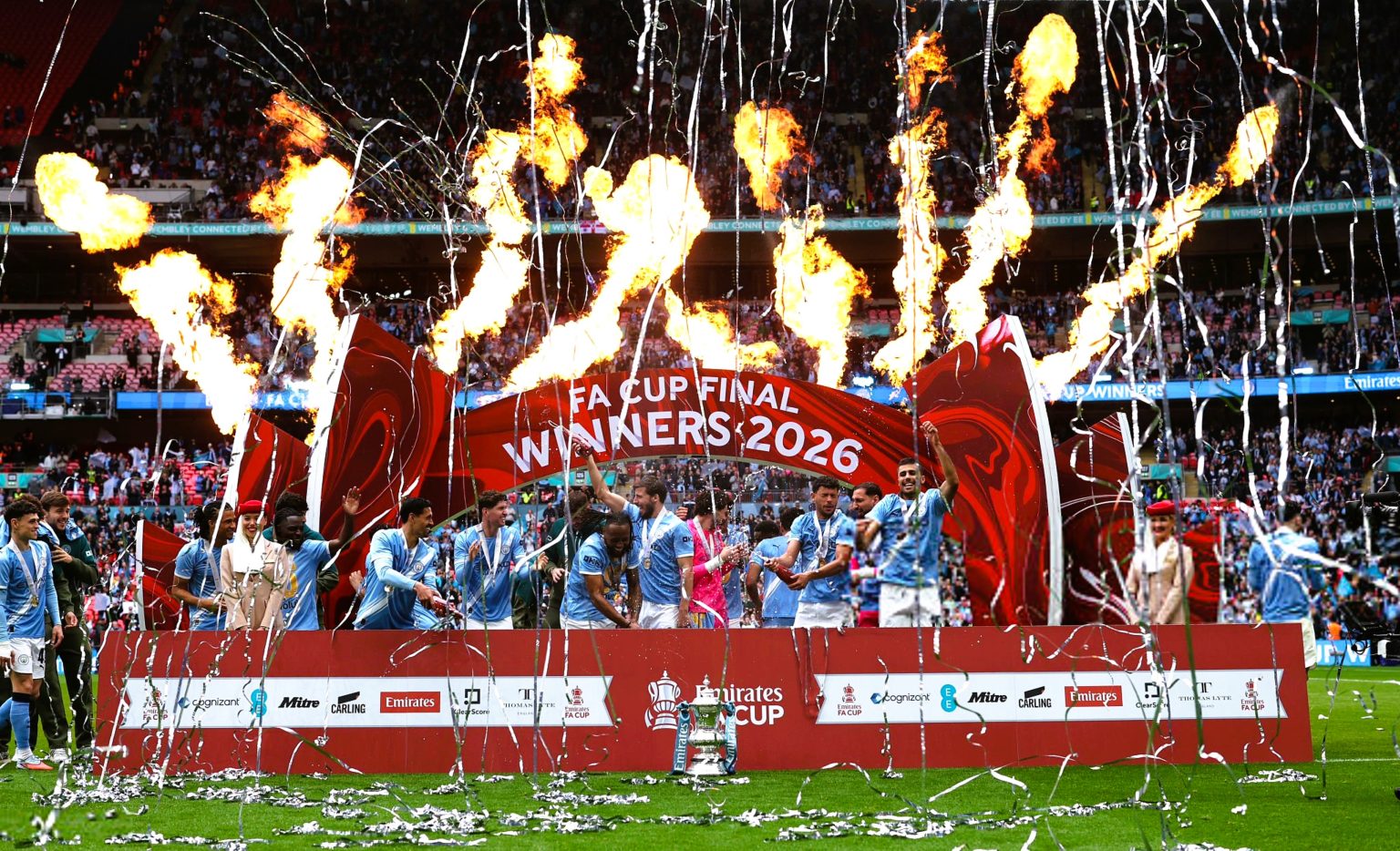

There is no football competition quite like the FA Cup. Officially known as the Football Association Challenge Cup, it is the oldest national football competition in the world.
First contested in the 1871–72 season, more than 150 years before the Premier League era would reshape the English game entirely.
In those early years, clubs were amateur, pitches were uneven, and the rules were still being written.
Yet the competition born in that era has never stopped. That is arguably its most remarkable quality: unbroken continuity across wars, pandemics, recessions, and revolutions in the sport itself.
The FA Cup is unique because it is genuinely open. Every club from the Premier League down to the ninth tier of English football is eligible to enter.
Over 700 clubs participate each season, and it is, however unlikely, for a Non-League side to reach Wembley.
This format produced what supporters now call the “magic of the FA Cup”: those improbable, generation-defining results when a tiny club from the lower reaches of English football eliminates a multimillion-pound top-flight side and temporarily stops the nation.
Beyond the upsets, the FA Cup has served as a stage for some of the most iconic moments in football history.



From Wanderers’ dominance in the 1870s to Arsenal’s record haul of 14 titles, from Blackpool’s “Matthews Final” in 1953 to Wigan Athletic’s astonishing 2013 triumph over Manchester City, the competition has always delivered drama that the league format simply cannot replicate.
This article provides the complete FA Cup winners list from 1872 to 2026, alongside in-depth analysis of the most successful clubs, record-breaking statistics, and the famous finals that defined English football history.
FA Cup Format & Competition Structure
The FA Cup operates as a straight knockout competition. There are no second chances — lose and you are eliminated. This brutal simplicity is a major reason why upsets can and do happen every single season.
The competition begins as early as August with preliminary qualifying rounds for the lowest-ranked clubs.
By the time the Extra Preliminary Round is played, hundreds of semi-professional and amateur clubs are already dreaming of Wembley.
The field gradually narrows through First, Second, and Third Qualifying Rounds before the main competition proper begins with the First Round Proper in November.
Premier League clubs and Championship clubs enter at the Third Round Proper in January — historically one of the most anticipated weekends in the English football calendar.
This is when the headline fixtures appear: a Manchester City or Arsenal pitted against a League Two or Non-League opponent, with an upset always lurking as a possibility.
From the Third Round, the competition progresses through the Fourth, Fifth, and Sixth Rounds (Quarter-Finals), before the two Semi-Finals at Wembley Stadium, and finally the FA Cup Final itself — also held at Wembley, typically in May.
Since 2013, replay rules for the later rounds have been progressively scaled back to reduce fixture congestion, and from 2024–25, replays were eliminated entirely from the competition.
The story of the FA Cup begins not with the household names of modern English football, but with clubs that no longer exist in elite football — or in many cases, at all.
The first decade of the competition was dominated by Wanderers FC, a London-based side of ex-public school players who won five of the first seven editions of the cup.
They won the very first final in 1872, defeating Royal Engineers 1–0 at Kennington Oval, and went on to clinch titles in 1873, 1876, 1877, and 1878.
The nature of the competition in this period reflects the class structure of Victorian England.
Old Etonians, Clapham Rovers, Old Carthusians, and Oxford University all won the trophy during the 1870s and early 1880s.
These were amateur clubs composed largely of graduates from elite schools and universities. The working class had not yet taken ownership of football — that would change rapidly.
The shift came from the north of England. Blackburn Rovers, representing the industrialised mill towns of Lancashire, won five FA Cups in the 1880s in 1884, 1885, 1886, 1890, and 1891, heralding the era of professional northern clubs.
Aston Villa claimed three titles in that same decade (1887, 1895, 1897), and West Bromwich Albion won in 1888.
By the late 1890s, the competition had been completely transformed: working-class professional clubs now dominated a tournament that had once been the exclusive property of gentlemen amateurs.
FA Cup Winners by Year: Complete List (1872–2026)
Below is the complete year-by-year FA Cup winners list, showing the winning club and the runner-up for each season from 1872 to 2026.
| Season | Winner | Score | Runner-Up |
| 1871–72 | Wanderers | 1–0 | Royal Engineers |
| 1872–73 | Wanderers | 2–0 | Oxford University |
| 1873–74 | Oxford University | 2–0 | Royal Engineers |
| 1874–75 | Royal Engineers | 2–0 | Old Etonians |
| 1875–76 | Wanderers | 3–0 | Old Etonians |
| 1876–77 | Wanderers | 2–1 | Oxford University |
| 1877–78 | Wanderers | 3–1 | Royal Engineers |
| 1878–79 | Old Etonians | 1–0 | Clapham Rovers |
| 1879–80 | Clapham Rovers | 1–0 | Oxford University |
| 1880–81 | Old Carthusians | 3–0 | Old Etonians |
| 1881–82 | Old Etonians | 1–0 | Blackburn Rovers |
| 1882–83 | Blackburn Olympic | 2–1 | Old Etonians |
| 1883–84 | Blackburn Rovers | 2–1 | Queen’s Park |
| 1884–85 | Blackburn Rovers | 2–0 | Queen’s Park |
| 1885–86 | Blackburn Rovers | 2–0 | West Bromwich Albion |
| 1886–87 | Aston Villa | 2–0 | West Bromwich Albion |
| 1887–88 | West Bromwich Albion | 2–1 | Preston North End |
| 1888–89 | Preston North End | 3–0 | Wolverhampton Wanderers |
| 1889–90 | Blackburn Rovers | 6–1 | Sheffield Wednesday |
| 1890–91 | Blackburn Rovers | 3–1 | Notts County |
| 1891–92 | West Bromwich Albion | 3–0 | Aston Villa |
| 1892–93 | Wolverhampton Wanderers | 1–0 | Everton |
| 1893–94 | Notts County | 4–1 | Bolton Wanderers |
| 1894–95 | Aston Villa | 1–0 | West Bromwich Albion |
| 1895–96 | Sheffield Wednesday | 2–1 | Wolverhampton Wanderers |
| 1896–97 | Aston Villa | 3–2 | Everton |
| 1897–98 | Nottingham Forest | 3–1 | Derby County |
| 1898–99 | Sheffield United | 4–1 | Derby County |
| 1899–1900 | Bury | 4–0 | Southampton |
| 1900–01 | Tottenham Hotspur | 3–1 | Sheffield United |
| 1901–02 | Sheffield United | 2–1 | Southampton |
| 1902–03 | Bury | 6–0 | Derby County |
| 1903–04 | Manchester City | 1–0 | Bolton Wanderers |
| 1904–05 | Aston Villa | 2–0 | Newcastle United |
| 1905–06 | Everton | 1–0 | Newcastle United |
| 1906–07 | Sheffield Wednesday | 2–1 | Everton |
| 1907–08 | Wolverhampton Wanderers | 3–1 | Newcastle United |
| 1908–09 | Manchester United | 1–0 | Bristol City |
| 1909–10 | Newcastle United | 2–0 | Barnsley |
| 1910–11 | Bradford City | 1–0 | Newcastle United |
| 1911–12 | Barnsley | 1–0 | West Bromwich Albion |
| 1912–13 | Aston Villa | 1–0 | Sunderland |
| 1913–14 | Burnley | 1–0 | Liverpool |
| 1914–19 | Competition suspended (World War I) | ||
| 1919–20 | Aston Villa | 1–0 | Huddersfield Town |
| 1920–21 | Tottenham Hotspur | 1–0 | Wolverhampton Wanderers |
| 1921–22 | Huddersfield Town | 1–0 | Preston North End |
| 1922–23 | Bolton Wanderers | 2–0 | West Ham United |
| 1923–24 | Newcastle United | 2–0 | Aston Villa |
| 1924–25 | Sheffield United | 1–0 | Cardiff City |
| 1925–26 | Bolton Wanderers | 1–0 | Manchester City |
| 1926–27 | Cardiff City | 1–0 | Arsenal |
| 1927–28 | Blackburn Rovers | 3–1 | Huddersfield Town |
| 1928–29 | Bolton Wanderers | 2–0 | Portsmouth |
| 1929–30 | Arsenal | 2–0 | Huddersfield Town |
| 1930–31 | West Bromwich Albion | 2–1 | Birmingham City |
| 1931–32 | Newcastle United | 2–1 | Arsenal |
| 1932–33 | Everton | 3–0 | Manchester City |
| 1933–34 | Manchester City | 2–1 | Portsmouth |
| 1934–35 | Sheffield Wednesday | 4–2 | West Bromwich Albion |
| 1935–36 | Arsenal | 1–0 | Sheffield United |
| 1936–37 | Sunderland | 3–1 | Preston North End |
| 1937–38 | Preston North End | 1–0 | Huddersfield Town |
| 1938–39 | Portsmouth | 4–1 | Wolverhampton Wanderers |
| 1939–46 | Competition suspended (World War II) | ||
| 1945–46 | Derby County | 4–1 | Charlton Athletic |
| 1946–47 | Charlton Athletic | 1–0 | Burnley |
| 1947–48 | Manchester United | 4–2 | Blackpool |
| 1948–49 | Wolverhampton Wanderers | 3–1 | Leicester City |
| 1949–50 | Arsenal | 2–0 | Liverpool |
| 1950–51 | Newcastle United | 2–0 | Blackpool |
| 1951–52 | Newcastle United | 1–0 | Arsenal |
| 1952–53 | Blackpool | 4–3 | Bolton Wanderers |
| 1953–54 | West Bromwich Albion | 3–2 | Preston North End |
| 1954–55 | Newcastle United | 3–1 | Manchester City |
| 1955–56 | Manchester City | 3–1 | Birmingham City |
| 1956–57 | Aston Villa | 2–1 | Manchester United |
| 1957–58 | Bolton Wanderers | 2–0 | Manchester United |
| 1958–59 | Nottingham Forest | 2–1 | Luton Town |
| 1959–60 | Wolverhampton Wanderers | 3–0 | Blackburn Rovers |
| 1960–61 | Tottenham Hotspur | 2–0 | Leicester City |
| 1961–62 | Tottenham Hotspur | 3–1 | Burnley |
| 1962–63 | Manchester United | 3–1 | Leicester City |
| 1963–64 | West Ham United | 3–2 | Preston North End |
| 1964–65 | Liverpool | 2–1 | Leeds United |
| 1965–66 | Everton | 3–2 | Sheffield Wednesday |
| 1966–67 | Tottenham Hotspur | 2–1 | Chelsea |
| 1967–68 | West Bromwich Albion | 1–0 | Everton |
| 1968–69 | Manchester City | 1–0 | Leicester City |
| 1969–70 | Chelsea | 2–1 | Leeds United |
| 1970–71 | Arsenal | 2–1 | Liverpool |
| 1971–72 | Leeds United | 1–0 | Arsenal |
| 1972–73 | Sunderland | 1–0 | Leeds United |
| 1973–74 | Liverpool | 3–0 | Newcastle United |
| 1974–75 | West Ham United | 2–0 | Fulham |
| 1975–76 | Southampton | 1–0 | Manchester United |
| 1976–77 | Manchester United | 2–1 | Liverpool |
| 1977–78 | Ipswich Town | 1–0 | Arsenal |
| 1978–79 | Arsenal | 3–2 | Manchester United |
| 1979–80 | West Ham United | 1–0 | Arsenal |
| 1980–81 | Tottenham Hotspur | 3–2 | Manchester City |
| 1981–82 | Tottenham Hotspur | 1–0 | Queens Park Rangers |
| 1982–83 | Manchester United | 4–0 | Brighton & Hove Albion |
| 1983–84 | Everton | 2–0 | Watford |
| 1984–85 | Manchester United | 1–0 | Everton |
| 1985–86 | Liverpool | 3–1 | Everton |
| 1986–87 | Coventry City | 3–2 | Tottenham Hotspur |
| 1987–88 | Wimbledon | 1–0 | Liverpool |
| 1988–89 | Liverpool | 3–2 | Everton |
| 1989–90 | Manchester United | 3–3, 1–0 | Crystal Palace |
| 1990–91 | Tottenham Hotspur | 2–1 | Nottingham Forest |
| 1991–92 | Liverpool | 2–0 | Sunderland |
| 1992–93 | Arsenal | 2–1 | Sheffield Wednesday |
| 1993–94 | Manchester United | 4–0 | Chelsea |
| 1994–95 | Everton | 1–0 | Manchester United |
| 1995–96 | Manchester United | 1–0 | Liverpool |
| 1996–97 | Chelsea | 2–0 | Middlesbrough |
| 1997–98 | Arsenal | 2–0 | Newcastle United |
| 1998–99 | Manchester United | 2–0 | Newcastle United |
| 1999–00 | Chelsea | 1–0 | Aston Villa |
| 2000–01 | Liverpool | 2–1 | Arsenal |
| 2001–02 | Arsenal | 2–0 | Chelsea |
| 2002–03 | Arsenal | 1–0 | Southampton |
| 2003–04 | Manchester United | 3–0 | Millwall |
| 2004–05 | Arsenal | 0–0 (5–4 pens) | Manchester United |
| 2005–06 | Liverpool | 3–3 (3–1 pens) | West Ham United |
| 2006–07 | Chelsea | 1–0 | Manchester United |
| 2007–08 | Portsmouth | 1–0 | Cardiff City |
| 2008–09 | Chelsea | 2–1 | Everton |
| 2009–10 | Chelsea | 1–0 | Portsmouth |
| 2010–11 | Manchester City | 1–0 | Stoke City |
| 2011–12 | Chelsea | 2–1 | Liverpool |
| 2012–13 | Wigan Athletic | 1–0 | Manchester City |
| 2013–14 | Arsenal | 3–2 | Hull City |
| 2014–15 | Arsenal | 4–0 | Aston Villa |
| 2015–16 | Manchester United | 2–1 | Crystal Palace |
| 2016–17 | Arsenal | 2–1 | Chelsea |
| 2017–18 | Chelsea | 1–0 | Manchester United |
| 2018–19 | Manchester City | 6–0 | Watford |
| 2019–20 | Arsenal | 2–1 | Chelsea |
| 2020–21 | Leicester City | 1–0 | Chelsea |
| 2021–22 | Liverpool | 0–0 (6–5 pens) | Chelsea |
| 2022–23 | Manchester City | 2–1 | Manchester United |
| 2023–24 | Manchester United | 2–1 | Manchester City |
| 2024–25 | Crystal Palace | 1–0 | Manchester City |
| 2025–26 | Manchester City | 1–0 | Chelsea |
Explore More Football Winners Lists
Interested in the full history of other major football championships? Read our related guides:
- FIFA World Cup Winners List: All Champions by Year
- UEFA Euro Winners List: All Champions from 1960 to 2024
- Copa América Winners List: All Champions
- Ballon d’Or Winners List: Every Award Since 1956
Most Successful FA Cup Clubs: All-Time Rankings
Across 154 seasons and more than 40 different winners, certain clubs have made the FA Cup almost their personal property. Here is the definitive all-time ranking by number of titles.
| Rank | Club | FA Cup Titles |
| 1 | Arsenal | 14 |
| 2 | Manchester United | 13 |
| 3 | Chelsea | 8 |
| 3 | Liverpool | 8 |
| 3 | Tottenham Hotspur | 8 |
| 6 | Manchester City | 8 |
| 7 | Aston Villa | 7 |
| 8 | Blackburn Rovers | 6 |
| 8 | Newcastle United | 6 |
| 10 | Everton | 5 |
| 10 | West Bromwich Albion | 5 |
| 10 | Wanderers | 5 |
| 13 | Wolverhampton Wanderers | 4 |
| 13 | Bolton Wanderers | 4 |
| 13 | Sheffield United | 4 |
Arsenal — The Record Holders (14 Titles)
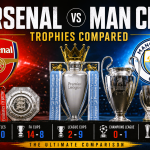
No club has lifted the FA Cup more times than Arsenal. Their 14 titles span nearly a century of football, from their first win in 1930 to their most recent in 2020.
Under Arsène Wenger alone, Arsenal won seven FA Cups in 1998, 2002, 2003, 2005, 2014, 2015, and 2017, making the Frenchman the most successful manager in the competition’s history.
When Arsenal defeated Chelsea 2–1 in the 2020 final with a Pierre-Emerick Aubameyang double, it extended their record as the all-time leading FA Cup winners to 14 titles — three clear of their nearest rival.
Manchester United — The Closest Challengers (13 Titles)
Manchester United’s 13 FA Cup wins reflect their long dominance of English football. From their first win in 1909 to their 13th in 2024, Manchester United have reached the FA Cup Final a record 22 times.
Sir Alex Ferguson won five of those titles (1990, 1994, 1996, 1999, 2004). Erik ten Hag’s 2024 win, a 2–1 defeat of Manchester City, came in a turbulent season that ultimately ended in his dismissal, but the trophy itself was a reminder of the club’s enduring cup pedigree.
Chelsea — Modern FA Cup Specialists
Chelsea’s eight FA Cup wins are heavily concentrated in the modern era. They won in 1970, 1997, 2000, 2007, 2009, 2010, 2012, and 2018, meaning six of their eight titles have come in the 21st century.
Under José Mourinho, Carlo Ancelotti, and Roberto Di Matteo, Chelsea became a consistent cup force.
Their 2022 final loss to Liverpool on penalties continued a run of bad luck at Wembley that also included defeats to Arsenal in 2017 and 2020, and to Leicester City in 2021.
Manchester City — Pep Guardiola’s Cup Dynasty
Manchester City’s transformation from a club with one historic FA Cup (1969) to a genuine giant of the competition tells the story of their broader rise under Sheikh Mansour’s ownership.
City added titles in 2011, 2019, 2023, and 2026 — and would have had more if not for Wigan’s shock 2013 victory and Crystal Palace’s dramatic 2025 win.
Guardiola’s ability to take City to four consecutive finals between 2023 and 2026 — and win three of them — is a feat without precedent in FA Cup history.
FA Cup Records & Statistics
| Record | Detail |
| Most titles (club) | Arsenal – 14 |
| Most final appearances | Manchester United – 22 |
| Most titles (manager) | Arsène Wenger – 7 (all with Arsenal) |
| Top scorer (all-time) | Ian Rush – 41 goals (Liverpool) |
| Most appearances | Ian Callaghan – 88 (Liverpool) |
| Biggest final win | Bury 6–0 Derby County (1903) |
| Youngest player | Paris Hamilton-Downes – 13 years, 11 months (Carshalton Athletic, 2019) |
| First Wembley final | 1923 – Bolton Wanderers 2–0 West Ham United |
| Consecutive finals | Manchester City – 4 (2022–23 to 2025–26) |
| Total clubs ever won | 45 clubs (as of 2026) |
| Longest wait for first title | Crystal Palace – 119 years after formation (2025) |
Frequently Asked Questions (FAQs)
Who has won the most FA Cups?
Arsenal have won the most FA Cups, with 14 titles. Their most recent victory came in 2020 when they defeated Chelsea 2–1 in the Wembley final. Manchester United are second with 13 titles.
When did the FA Cup start?
The FA Cup was first played in the 1871–72 season, making it 155 years old as of 2026. The first final was held at Kennington Oval in London, with Wanderers FC defeating Royal Engineers 1–0.
Who won the FA Cup in 2026?
Manchester City won the 2026 FA Cup, defeating Chelsea 1–0 in the final at Wembley Stadium on 16 May 2026. Antoine Semenyo scored the only goal with a sensational near-post flick in the second half. It was City’s eighth FA Cup title overall and their third under Pep Guardiola.
Who won the FA Cup in 2025?
Crystal Palace won the 2025 FA Cup — their first-ever major trophy — defeating Manchester City 1–0 at Wembley. Eberechi Eze scored the winning goal.
How many teams have won the FA Cup?
As of 2026, 45 different clubs have won the FA Cup. This includes clubs from the Victorian amateur era such as Wanderers FC and Old Etonians, as well as modern powerhouses like Arsenal, Manchester United, and Manchester City.
Why is the FA Cup so famous?
The FA Cup is famous for three interconnected reasons: it is the world’s oldest football competition; its open-entry format allows clubs from the ninth tier of English football to face Premier League sides; and its knockout structure means giant-killings are not just possible but happen every season.
These factors combine to create an atmosphere of genuine unpredictability that no other major competition can match.
Which manager has won the most FA Cups?
Arsène Wenger won seven FA Cups as Arsenal manager — in 1993, 1998, 2002, 2003, 2005, 2014, 2015, and 2017 — making him the most successful manager in the competition’s history. His 2017 win was his final trophy at the club before departing in 2018.
Has any club won consecutive FA Cups?
Yes. Wanderers FC won three consecutive FA Cups from 1876 to 1878. Blackburn Rovers won back-to-back cups in 1884 and 1885. In the modern era, Manchester United won in 1994 and 1996 (skipping 1995). No club in the modern era has won in consecutive seasons.
Conclusion
The FA Cup’s story is, in many ways, the story of English football itself — from the Victorian gentlemen’s game of the 1870s to the multi-billion-pound industry of the modern Premier League era.
The competition has witnessed every transformation the sport has undergone and emerged, every time, with its identity intact.
Arsenal’s 14-title record sits at the summit of the all-time winners table, but the FA Cup is not really about records. It is about the goalkeeper at a National League club who saves a penalty against a Premier League side.
It is about the Coventry City supporter who has watched the 1987 final a hundred times and still tears up when Keith Houchen dives to head home. It is about Wigan fans refusing to believe what they had just witnessed in 2013.
As Manchester City complete their record fourth successive final appearance with a 2026 victory, and Crystal Palace celebrate their 2025 triumph, the FA Cup continues to write new chapters alongside the old ones.
The trophy is 154 seasons old and still generating moments that define football careers, club histories, and the memories of millions of supporters around the world.
That, ultimately, is why the FA Cup remains the most beloved cup competition in world football.