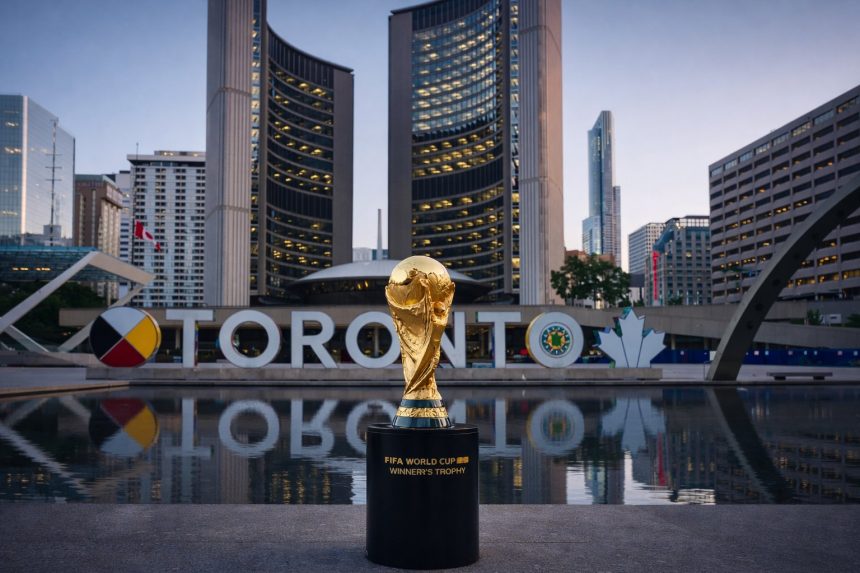









The FIFA World Cup Golden Ball is football’s most prestigious individual award on the international stage. The award recognises players who have defined the competition beyond trophies and statistics.
It is not simply awarded to the most talented footballer at the competition, but to the one who carries a nation, delivers in the moments that matter most, and stamps his identity on the greatest show in sport.
The roll call of winners reads like a who’s who of the game’s all-time greats. Lionel Messi claimed the award in both 2014 and 2022, book-ending a decade of transformation that concluded with Argentina lifting the trophy in Qatar.
Luka Modrić won it in 2018 after orchestrating Croatia’s improbable run to the final, earning recognition that transcended mere goal tallies.
Diego Forlan’s 2010 win recognised the player who single-handedly lifted Uruguay to the top of the South African stage.
While Zinedine Zidane’s 2006 Ballon d’Or is one of the most debated and yet most fitting moments of the award, given despite his infamous final farewell.
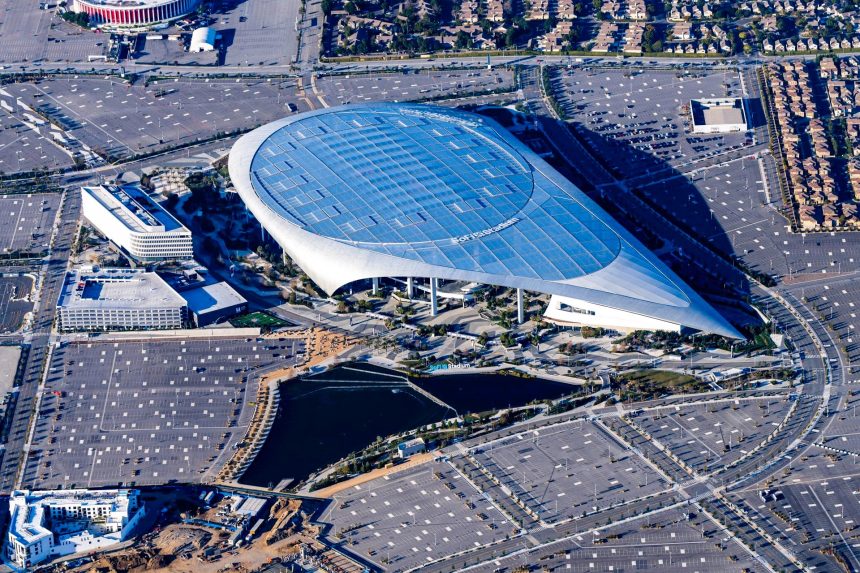
The 2026 FIFA World Cup, hosted across the United States, Canada, and Mexico, presents the next chapter in this storied history.
With an expanded 48-team format and a schedule stretching across three nations, there will be more matches, more opportunities for brilliance, and more stages for superstars to announce themselves to the world.
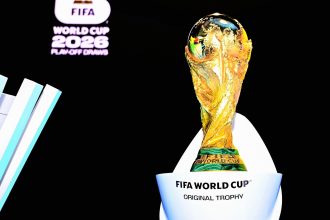
While the Golden Ball is never truly won before a tournament begins, the 2026 FIFA World Cup Golden Ball is already emerging with clarity. Here are the five players best positioned to claim the award.
What Is the FIFA World Cup Golden Ball?
The Golden Ball has been awarded at every FIFA World Cup since 1966, when England’s Bobby Charlton claimed the inaugural honour.
Initially selected by a panel of journalists, the voting process has evolved over the decades, with FIFA’s Technical Study Group and, at recent tournaments, a broader media jury contributing to the final decision.
This award takes into account overall performance throughout the competition, but history has repeatedly shown that contributions in the knockout rounds carry significant weight.
This is no coincidence. The Golden Ball is inherently tied to a team’s success. No outfield player has ever won the award while representing a side eliminated before the quarterfinals — and most winners have appeared in at least the semifinals.
The 2010 exception, Diego Forlán, reached the last four with Uruguay, reinforcing the pattern. Individual brilliance must be sustained and must arrive at the tournament’s pivotal moments.
The scoring element matters too, but it is rarely the sole determinant. Modrić won with two goals and a midfielder’s omnipresence throughout Croatia’s run.
Vision, leadership, and the ability to change the texture of a match are valued as highly as raw numbers.
Recent Golden Ball Winners
| Year | Winner |
| 2022 | Lionel Messi (Argentina) |
| 2018 | Luka Modrić (Croatia) |
| 2014 | Lionel Messi (Argentina) |
| 2010 | Diego Forlán (Uruguay) |
| 2006 | Zinedine Zidane (France) |
With those precedents in mind, we turn to the five players who appear most likely to claim the award in North America.
Who Is the Favorite to Win the Golden Ball at the 2026 FIFA World Cup?
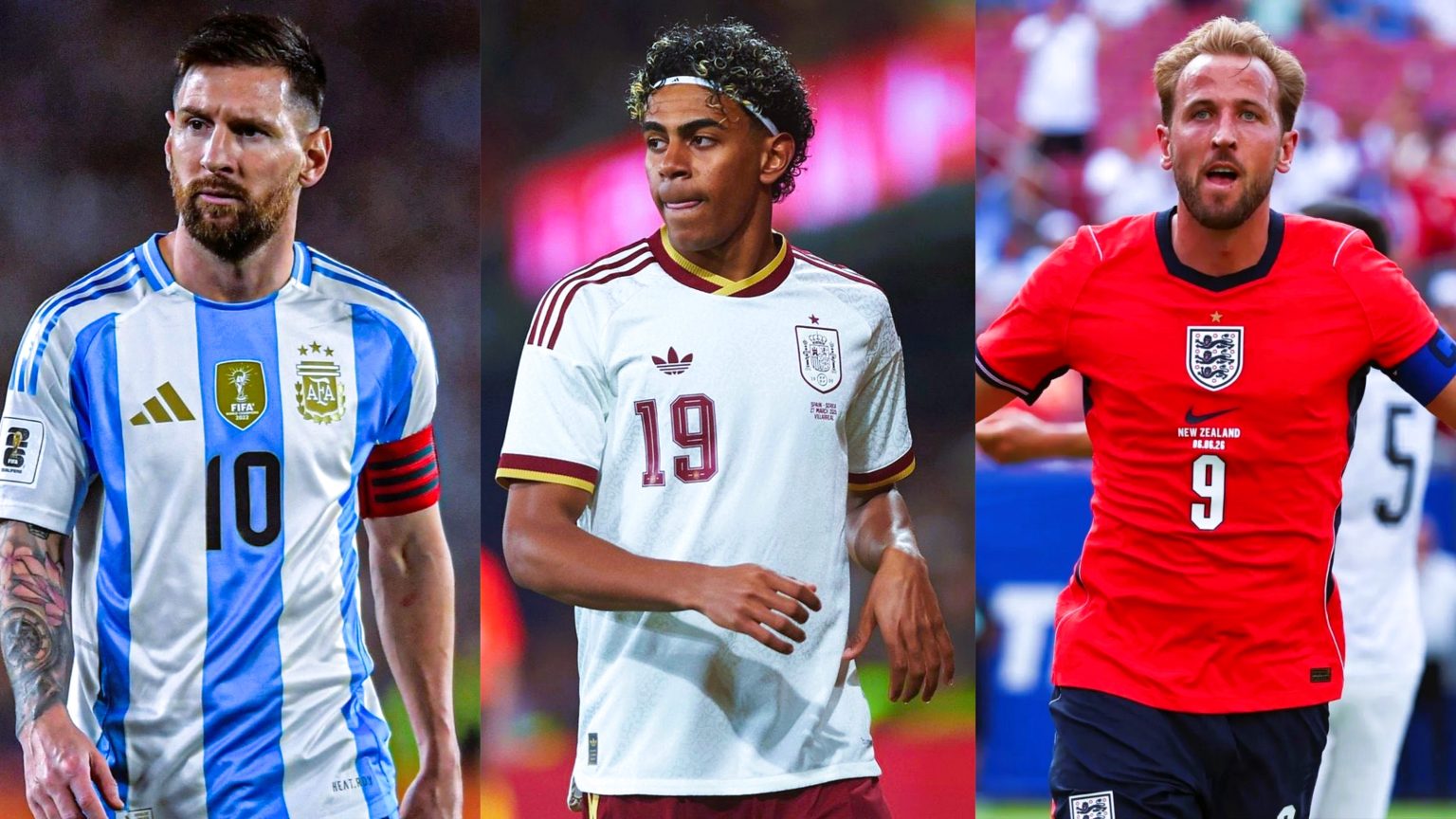
Lamine Yamal is currently our favorite to win the Golden Ball at the 2026 FIFA World Cup, ahead of Kylian Mbappé and Lionel Messi.
Spain’s status as one of the tournament favorites, combined with Yamal’s ability to produce decisive moments in big matches, makes him the leading candidate for football’s most prestigious World Cup individual award.
Ranking the Top 5 Favorites to Win the Golden Ball at the 2026 FIFA World Cup
5. Michael Olise (France)
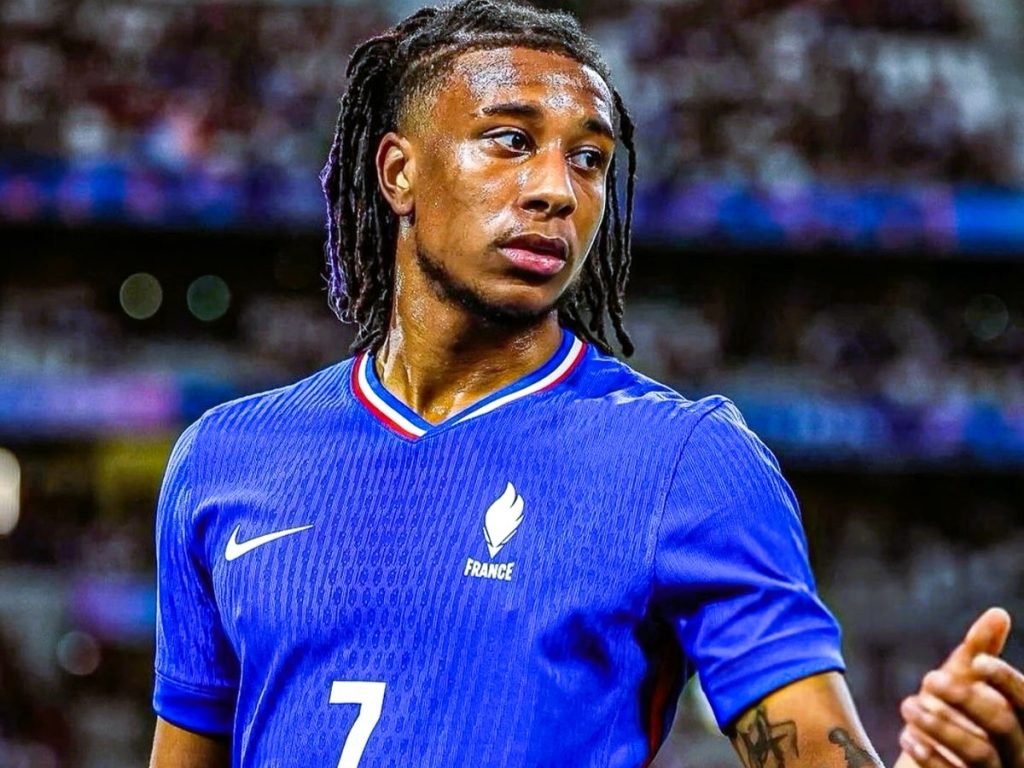
Of all the names on this list, Michael Olise represents perhaps the most intriguing uncertainty.
His emergence as one of Europe’s most dynamic creative attackers has been both rapid and breathtaking.
A player whose dribbling, vision, and set-piece delivery have made him one of the most watchable footballers on the continent.
At Bayern Munich, following his move from Crystal Palace, Olise has operated in an environment that demands tactical intelligence and consistent brilliance, and he has thrived in both respects.
Olise’s natural habitat is the half-space. That fertile corridor between the defensive line and the holding midfield, where defenders are reluctant to follow and midfielders lack the pace to close him down.
His ability to cut inside from wide areas and deliver precise crosses or arriving shots has become his calling card, while his set-piece quality adds an additional dimension that even the most organised defensive structures struggle to neutralise.
For France, who enter the tournament as perennial contenders, Olise represents a new generation stepping into the vacuum left by the departures of older statesmen.
Alongside Kylian Mbappé, he could form one of the most devastating wide-attacking partnerships in World Cup history.
France’s Potential X-Factor
Every memorable World Cup campaign has a player who arrives relatively unknown on the global stage and departs as a household name.
Olise has all the qualities required for that role. His creativity is unpredictable in the best possible way.
Defenders cannot anticipate what he will do because his technical range encompasses almost everything.
If France go deep and the tournament produces a standout moment of individual brilliance from the wide areas, there is every chance it will come from him.
The Path to Golden Ball Glory
For Olise to win, France must go deep. Ideally, he must reach the final and be the decisive creative force throughout.
He would need consistent performances at both ends of the pitch, direct goal contributions in knockout matches, and the kind of memorable set pieces or dribbling sequences that linger in the collective memory.
It is a high bar, but not an impossible one. A Golden Ball for Olise would require a tournament of sustained brilliance rather than isolated moments, and he appears capable of delivering exactly that.
4. Harry Kane (England)
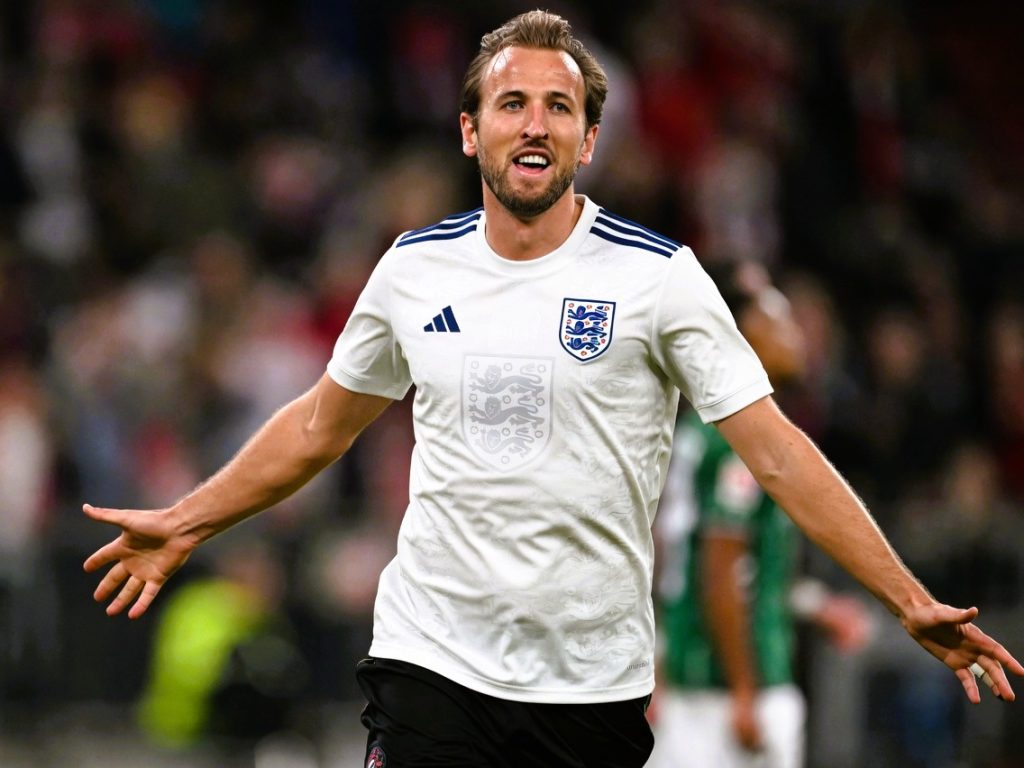
Few players enter the 2026 World Cup with a stronger case than Harry Kane.
England’s all-time leading goalscorer and captain enters the tournament as one of the most complete centre-forwards in the history of the game.
A player whose combination of intelligent movement, aerial dominance, link-up play, and clinical finishing has made him the centrepiece of every side he has represented.
Kane has scored at an extraordinary rate for both Tottenham Hotspur and Bayern Munich, where he averaged over a goal per Bundesliga match across his debut season.
His penalty conversion rate ranks among the finest in international football, and his ability to operate as a target man and a deep-lying playmaker gives Gareth Southgate’s successors unprecedented tactical flexibility.
England arrive in North America with a squad that genuinely believes it can go the distance.
Jude Bellingham and Saka provide the creative engine, while a revitalised defensive structure has given the nation cautious optimism.
If England reaches the latter stages and Kane is the player converting opportunities into goals and assists when the stakes are highest, a Golden Ball conversation becomes entirely legitimate.
Why Kane Could Win the Golden Ball
Kane’s candidacy rests on a simple premise: goals win the Golden Ball more often than any other single factor.
He is England’s greatest ever scorer, and if the Three Lions progress deep into the knockout rounds, his contributions will have been indispensable.
A tournament in which he scores six or seven goals — not an unrealistic projection — would place him firmly in the conversation.
His vocal leadership on the pitch also gives him an intangible quality that judges notice.
What Could Prevent Him From Winning
The central obstacle for Kane is the competition around him. In a tournament featuring Messi, Mbappé, and Yamal, he would need an extraordinary statistical output simply to be considered.
There is also the lingering question of whether England can generate the momentum required — previous tournament exits have come at the wrong moments, limiting Kane’s ability to build cumulative impact.
He has occasionally appeared fatigued at the tail end of his club seasons, and the expanded format’s additional matches will test fitness reserves.
3. Lionel Messi (Argentina)
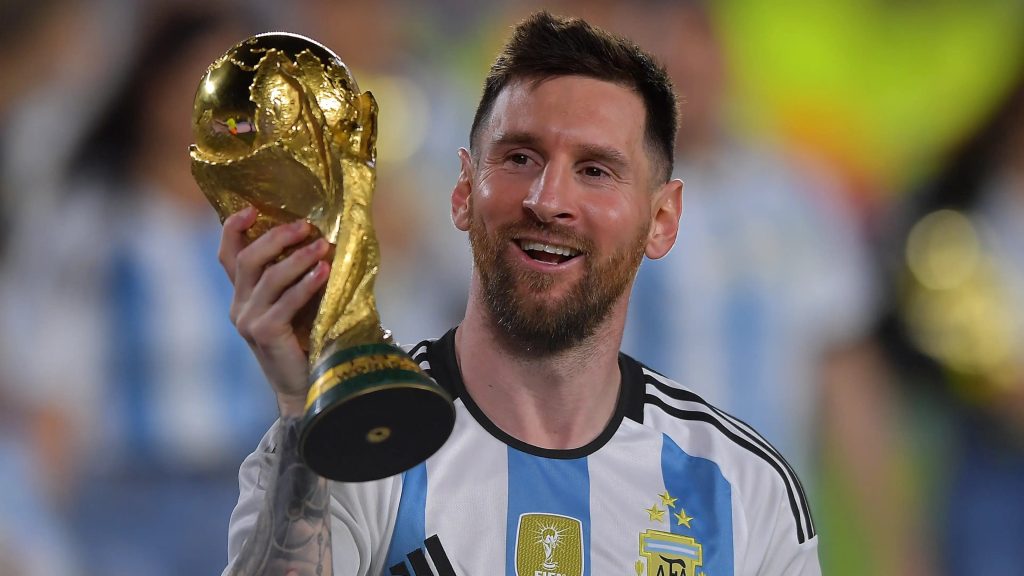
There is no precedent for what Lionel Messi is attempting. A player who has already won two World Cup Golden Balls, who lifted the trophy in Qatar four years ago, who is universally regarded as the greatest footballer in the history of the game.
Stepping into one final tournament in his late thirties, knowing that every match could be his last on football’s most colossal stage. The narrative writes itself.
Messi’s 2022 campaign was arguably the greatest individual tournament performance since Diego Maradona in 1986.
He scored seven goals, provided three assists, and was the fulcrum around which Argentina’s entire campaign was built.
His display in the final against France. Two goals, a penalty in the shootout, and an exhibition of mental fortitude under extraordinary pressure transcended sport.
It was a kind of footballing rapture, a moment when a single player rewrote what seemed physically and psychologically possible.
Returning as the defending Golden Ball holder and part of the defending champion nation, Messi enters 2026 with a different kind of burden: the expectation of a farewell to match the arrival.
Can Messi Make History Again?
The historical precedent for three-time Golden Ball winners does not exist. No player has ever claimed the award three times. Should Messi do so at 39 years of age, it would be unprecedented.
When most elite players have long since retired from international football, it would represent one of the most extraordinary individual achievements in sporting history.
His ability to still influence matches through vision, set-piece delivery, and the capacity to produce decisive moments has not diminished, even if his explosive pace has naturally reduced.
Argentina’s Chances in North America
Argentina arrive as defending world champions and, despite the inevitable squad transitions, remain a formidable unit.
A generation of talented players has grown up alongside Messi and absorbed his standards.
Julian Alvarez provides the relentless pressing and movement that gives Argentina an additional dimension beyond their captain.
Whether Argentina can replicate the resilience of Qatar remains to be seen, but few squads in the world possess comparable depth of quality.
The question of whether age becomes a factor for Messi is real and legitimate. But it is worth remembering that he was asked the same question before both his 2014 and 2022 campaigns.
2. Kylian Mbappé (France)
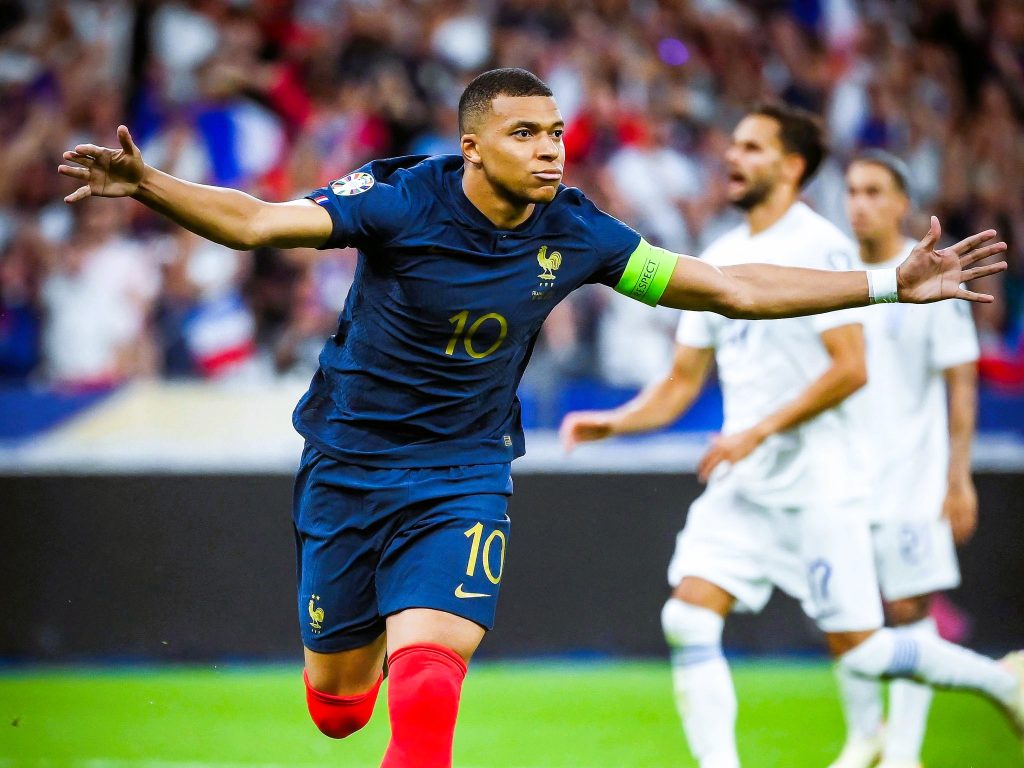
On pure footballing terms, Kylian Mbappé may already be the most complete player at this World Cup before a ball has been kicked. His record at previous tournaments is extraordinary.
He was the winner of the Golden Boot in 2022 after scoring eight goals, including a hat-trick in the final against Argentina, and won a World Cup winner’s medal in 2018 at just 19 years old.
No player in the modern era has combined age and World Cup impact quite like Mbappé.
What makes Mbappé uniquely dangerous is the breadth of his threat.
He scores from open play, from the penalty spot, from long range, and from positions that suggest he sees passing lanes where others see only traffic.
His acceleration over 20 metres remains among the fastest in world football, and his ability to receive the ball under pressure and immediately change the geometry of an attack is something no team in the world has reliably solved.
At Real Madrid, following his long-anticipated transfer, Mbappé has operated at the highest level of club football, learning to adapt his game within one of the world’s most demanding tactical structures.
France enter the tournament as one of the three or four genuine favourites. They possess talent at every position, and Mbappé’s ability to decide matches unilaterally means that even when France are not playing well, they are dangerous.
Built for the World Cup Stage
There is a quality in elite athletes that is difficult to articulate but immediately recognisable: they become better when the stakes are highest.
Mbappé has demonstrated this repeatedly. His hat-trick in the 2022 final remains one of the most astonishing individual performances in World Cup history.
The fact that France still lost that match on penalties speaks only to the extraordinary standard of their opponents, not to any failing on his part.
In a 48-team tournament with more knockout rounds, there will be more occasions for Mbappé to produce defining moments.
What Could Stop Mbappé?
The principal concern for Mbappé’s candidacy is the potential for friction within France’s setup.
A squad assembled from elite club players, each accustomed to a central role at their respective sides, can sometimes produce tension in international camps.
There are also tactical questions about how effectively France can build as a team around Mbappé’s individual capabilities.
If France exit early, his chances evaporate regardless of personal contributions.
He shares the attacking spotlight with Olise, votes may be split between two French players, potentially benefiting a candidate from a rival nation.
1. Lamine Yamal (Spain)
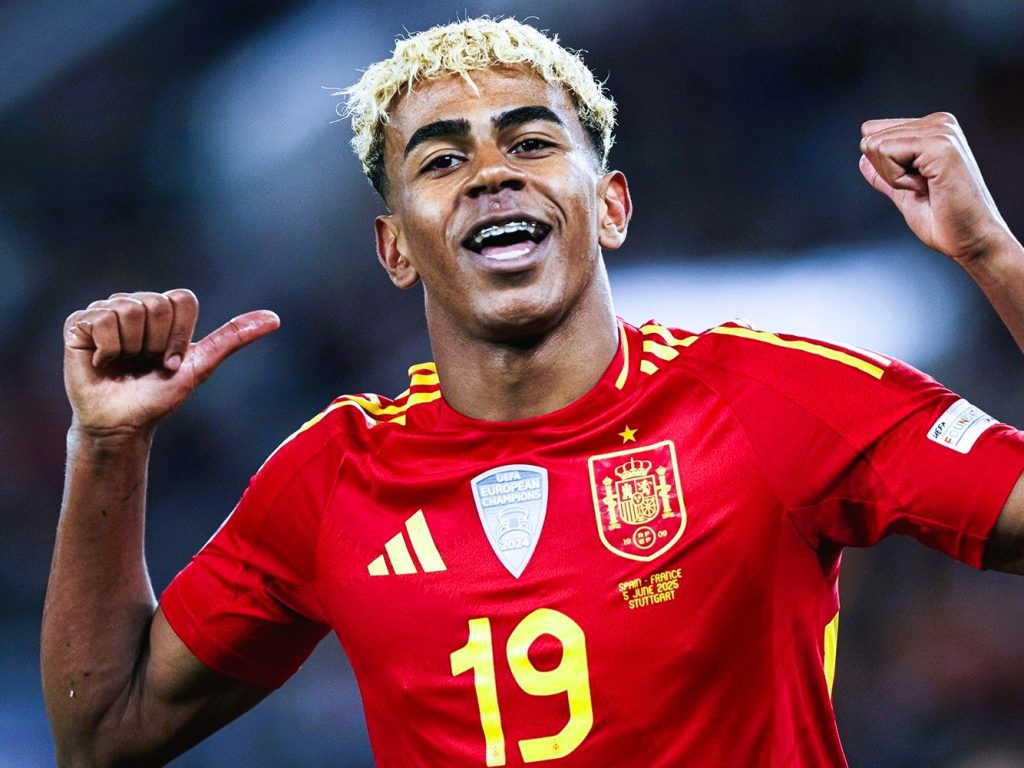
Lamine Yamal doesn’t carry the same burden of expectation as Messi or Mbappe.
He has something more powerful: the weight of hope from a generation of football players and the intoxicating feeling that the world is truly seeing something new.
By the time he turns 19 during the 2026 tournament, Yamal will have already spent two full years as the most celebrated young player on the planet.
His rise at Barcelona has been nothing short of extraordinary.
A player whose technical ability, spatial intelligence, and ability to produce decisive moments in big games have drawn comparisons to the icons he idolizes.
His performances at Euro 2024. Where he won the Young Player of the Tournament award after producing assists, goals, and dribbling sequences.
Which leaves defenders truly baffled as to what just happened.
Spain, under the guidance of a coaching staff that has learned to build around their unique qualities, arrives at the 2026 World Cup as favourites.
Their possession-based game, which has evolved to include more verticality and a direct threat from wide areas, will be a perfect fit for Yamal.
Why Yamal Tops This Ranking
The Golden Ball has historically favoured players who combine youth, form, and narrative in a single package. Yamal offers all three in unprecedented quantities.
He plays for a team capable of winning the tournament, which means he will have the platform to build cumulative impact across six or seven matches.
His style of play direct, creative, capable of producing the unexpected generates the kind of memorable moments that linger in the minds of voters.
Unlike Mbappé, who carries the additional pressure of being a returning Golden Boot winner, Yamal approaches this tournament with a relative freedom that could liberate rather than constrain.
Spain’s tiki-taka foundations have been supplemented in recent years by genuine pace and incision, much of it channelled through Yamal’s work in wide areas.
When Spain need a moment of inspiration, they look to him. When a game is tight and a spark is required, he provides it.
The 2026 Golden Ball could very well be the moment a new generation definitively inherits football’s highest individual honour.
Could He Become the Youngest Golden Ball Winner Ever?
The youngest player to win the Ballon d’Or was Brazil’s Ronaldo, aged 21 in 1998.
Yamal will be 19 during the 2026 tournament, a record he would have broken two years earlier.
It would be one of the most remarkable milestones in the award’s six-decade history, placing him alongside the names that defined a footballing era.
The question is not whether he is capable of it; the evidence strongly suggests that he is.
Will the tournament unfold in a way that gives him the stage to prove it? If Spain go far, the answer could very well be yes.
Dark Horses Who Could Crash the Golden Ball Race
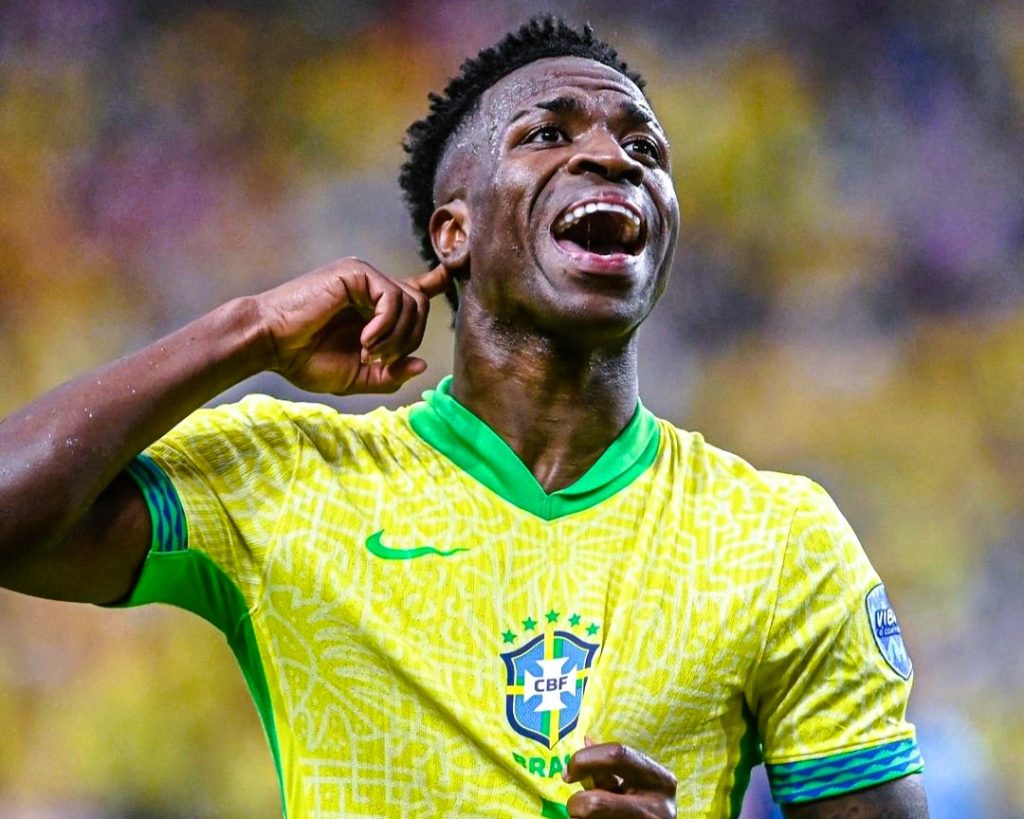
No Golden Ball conversation would be complete without acknowledging the players capable of producing tournament-defining performances without being considered frontrunners. The 2026 edition has several.
Jude Bellingham, should England reach the latter stages, has the temperament and the technical quality to become a genuine contender.
His performances for Real Madrid have demonstrated his ability to score crucial goals and direct the flow of big games, qualities that translate directly into international competition football.
Pedri, Yamal’s Barcelona and Spain teammate, is one of the most technically refined midfielders in the world.
A tournament in which he dominates possession and dictates play from the centre circle could produce a campaign that challenges the attackers for individual recognition.
Vinícius Júnior will carry the hopes of a Brazilian nation desperate to end its long wait for World Cup glory.
If Brazil go deep and Vinícius produces the kind of devastating wide play he delivers for Real Madrid at his best, his candidacy becomes serious. The question mark remains his consistency across a full tournament.
Jamal Musiala and Florian Wirtz, the twin engines of Germany’s resurgence, present an interesting collective case.
If Germany make a deep run and the two play at their creative best in tandem, it will be difficult for voters to ignore either.
Of the two, Musiala’s directness and penalty-area presence may give him the edge in individual award considerations.
What Usually Wins the Golden Ball?
Analysing the patterns behind Golden Ball victories reveals a consistent set of criteria that any genuine contender must satisfy.
Teams that reach the semifinals or final provide the platform — only twice in the award’s history has the winner represented a side that did not reach the last four.
This is a structural reality of tournament football: accumulated performances and visibility across multiple knockout rounds are essential.
Consistency throughout the tournament matters as much as peak moments.
A player who is excellent in the group stage and exceptional in the knockout rounds will invariably outpoll one who produces a single unforgettable performance and then fades. Voters retain the full body of work in mind.
Memorable moments in decisive matches carry enormous weight.
A goal in a final, an assist in a semifinal, or a defining dribble in a quarterfinal that proves to be a tournament’s turning point — these are the images that linger.
The Golden Ball is, in part, a narrative award. The story of the tournament is told through the winner’s performances.
Leadership and the capacity to elevate those around you matter too.
Modrić won in 2018 not merely because he was technically outstanding but because Croatia would not have reached the final without him.
The Golden Ball recognises players who give a team something beyond goals and assists — who provide the belief that winning is possible.
Prediction: Who Will Win the Golden Ball at the 2026 FIFA World Cup?
With all the evidence considered, here is our final ranking of the five main contenders:
- Lamine Yamal
- Kylian Mbappé
- Lionel Messi
- Michael Olise
- Harry Kane
Yamal sits at the top of this ranking for several interconnected reasons.
Spain are among the genuine favourites for the tournament itself, providing the platform he needs.
His playing style, unpredictable, direct, and capable of producing moments of pure invention, generates exactly the kind of imagination that the Golden Ball rewards.
At 19, he will become the youngest winner in history, adding a narrative dimension to his candidacy that no other contender can match.
Mbappé is the player with the most natural ability to overturn that assessment.
Eight goals in a single World Cup cycle, delivered across two different tournaments, speaks to a player who performs at his absolute best when international football reaches its peak.
If France’s campaign unfolds smoothly and Mbappé is the decisive force in knockout matches, he is the likeliest challenger.
Messi remains a force of nature that defies conventional analysis. He has surprised us before at ages where conventional wisdom suggested decline was inevitable.
The emotional resonance of a potential final World Cup, the defending champions’ credibility as contenders, and his own enduring technical genius mean he cannot be discounted. But at 38, the margins are thinner than at any previous tournament.
Olise and Kane are genuine contenders whose chances depend heavily on their respective nations’ trajectories.
Quarterfinal exits would likely end their candidacies. Deep runs, particularly to the final, would put them firmly back in the conversation.
Ultimately, the 2026 Golden Ball will be decided on the knockout stage, not in previews written months before. One tournament, one month, one unforgettable performance can rewrite everything.
Conclusion
The five players assessed here, Lamine Yamal, Kylian Mbappé, Lionel Messi, Michael Olise, and Harry Kane, represent the strongest field of Golden Ball contenders since at least the 2022 cycle, and arguably since the early part of this century.
Each brings something special: Yamal offers youth and innovation. Mbappe brings the record of a proven tournament performer.
Messi carries the weight of history and the potential for a truly unprecedented farewell. Olise presents a creative wildcard.
Kane embodies the clinical skills of a world-class centre-forward as his life.
What unites all five is that the top 5 favorites to win the Golden Ball at the 2026 FIFA World Cup must perform throughout the entire arc of the tournament.
Not just in one game or one moment, but in six or seven consecutive high-pressure matches against the best nations on earth.
The player who manages that will earn the prize not only as an individual but as a team achievement.
The Golden Ball can never be won before the tournament has even begun. One memorable month can change the course of football history forever.
The 2026 edition offers more opportunities than any other World Cup in the history of the award.
Whoever lifts it in the last week of July will have won it in a way that statistics cannot fully capture.
Who do you think will win the Golden Ball at the 2026 FIFA World Cup? Let us know your prediction in the comments below.