







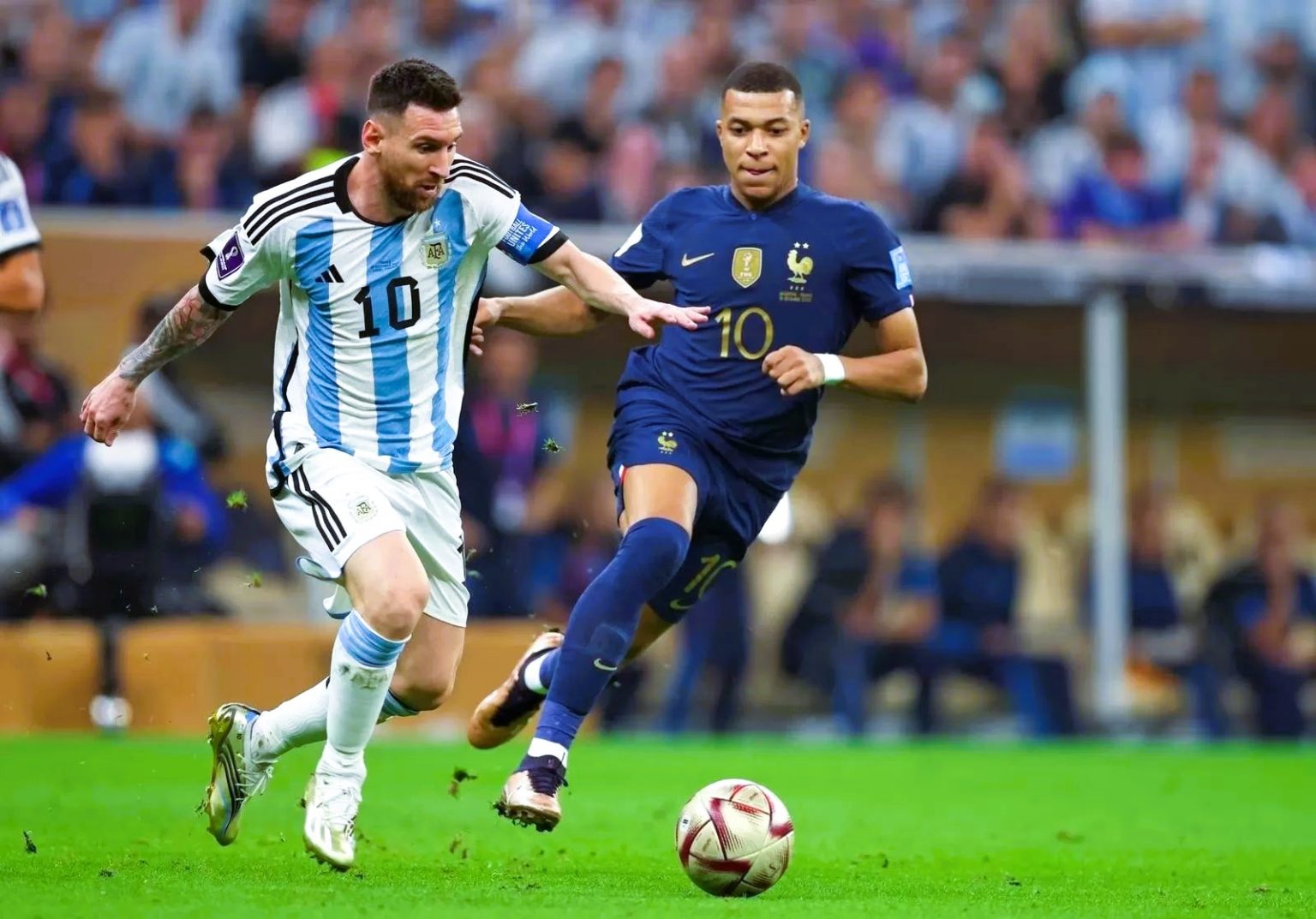

There is no individual award in football that carries the weight of the World Cup Golden Boot.
It is not merely about goals. It is about imposing yourself on the grandest, most unforgiving stage in the sport, delivering under the scrutiny of billions and against defenses that have had four years to prepare.
The names etched into its history. Eusébio, Gerd Müller, Paolo Rossi, Gary Lineker, and Ronaldo Nazário are not simply top scorers.
They are synonyms for tournaments: the moment when a player became irreversibly, undeniably historic.
The modern era has given us two particularly compelling chapters. Harry Kane scored six goals to win the 2018 Golden Boot in Russia, announcing himself as one of the most clinical strikers of his generation.
Then came Qatar 2022 and Kylian Mbappé’s extraordinary eight-goal haul, complete with a hat-trick in the final, which lifted the trophy from his hands even as it slipped from his team’s grasp.
The award, in other words, is no consolation prize, it is proof of permanence.
Now, for the first time ever, the 2026 FIFA World Cup expands to 48 teams, meaning more matches, more group-stage contests, and a dramatically expanded pool of goalscoring opportunities.

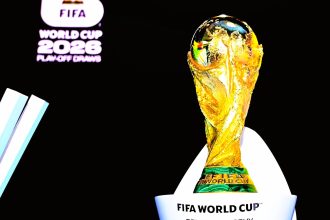
Eight additional teams and the new 12-group format means the race for top scorer could be more open, more volatile, and more dramatic than anything witnessed before.
With a potential seven games for finalists and more variability in group-stage opposition, records could tumble and unexpected names could emerge.
And yet the genuine contenders remain a relatively compact group. The 2026 Golden Boot race is arguably the deepest in the award’s history: Mbappé and Kane, the last two winners, both return.
Erling Haaland arrives at his first World Cup as arguably the most devastating finisher in club football.
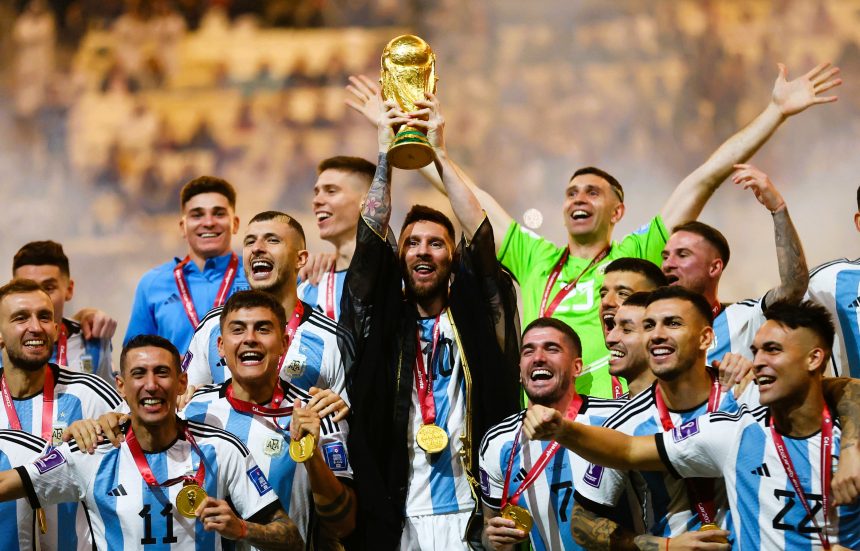
Lionel Messi carries the 2022 World Cup trophy and the weight of a final, fairytale chapter.
A teenager named Lamine Yamal could rewrite history entirely.
And lurking in the wings are Cristiano Ronaldo, Raphinha, Ousmane Dembélé, and a cast of realistic challengers who cannot be dismissed.
Our rankings are based on an assessment of each player’s goalscoring ability, their international record, team quality and expected depth of tournament run, the pathway through the draw, recent form, and the specific role each man occupies within his national setup — including penalty duties. Here is our verdict.
Top 10 Golden Boot Favorites — 2026 World Cup
| Rank | Player | National Team |
|---|---|---|
| 1 | Kylian Mbappé | France |
| 2 | Harry Kane | England |
| 3 | Erling Haaland | Norway |
| 4 | Lionel Messi | Argentina |
| 5 | Mikel Oyarzabal | Spain |
| 6 | Lamine Yamal | Spain |
| 7 | Cristiano Ronaldo | Portugal |
| 8 | Raphinha | Brazil |
| 9 | Ousmane Dembélé | France |
| 10 | Julián Álvarez | Argentina |
Player-by-Player Analysis
Kylian Mbappé — France
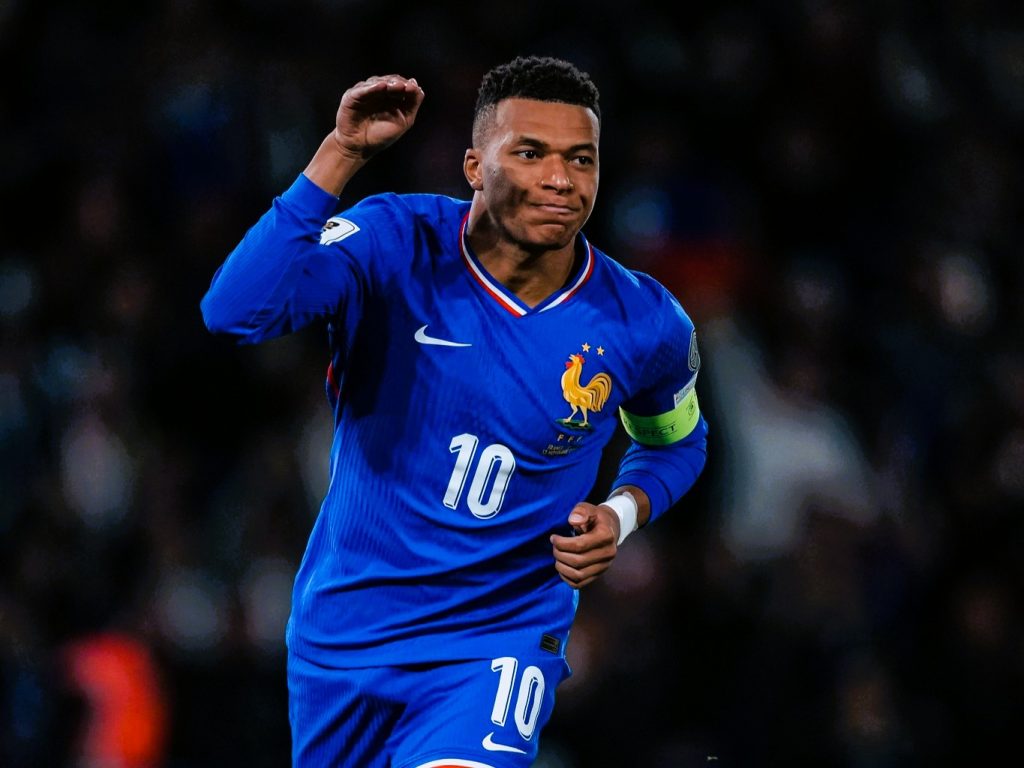
Mbappe’s case is almost absurdly simple. He has played 14 World Cup games in two tournaments and scored 12 goals.
It’s a rate that no player with comparable experience can match. He won the Golden Boot in Qatar, scoring eight goals in seven games, and arrives in 2026 on the back of a sensational season for Real Madrid in which he contributed 42 goals in 44 games.
He is at the peak of his powers at 27: quick enough to exploit any backline, intelligent enough to create his own chances, and mentally prepared to deliver in the biggest moments.
France’s supporting cast – Dembele, Oliseh, Cherki, Douay – are purpose-built to create for him.
Les Bleus reached the final in both 2018 and 2022 and, barring disaster, will compete again.
Crucially, if Mbappe can score five goals in North America, he will surpass Miroslav Klose as the all-time leading scorer at the World Cup. He is the clear and legitimate favorite.
Harry Kane — England
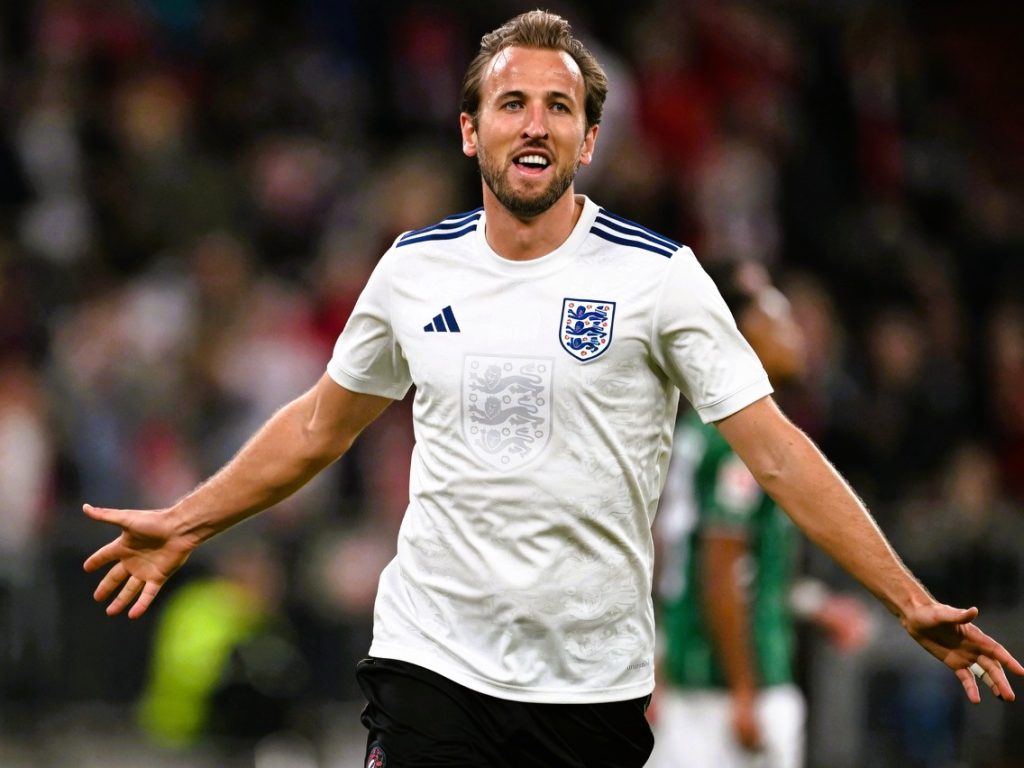
No player in the modern era has a Golden Boot pedigree quite like Kane’s, and the England captain arrives in 2026 in perhaps the finest goalscoring form of his career.
His output at Bayern Munich has been extraordinary — 61 goals in 51 games across 2025/26, and he enters the tournament as one of the sport’s deadliest finishers.
Particularly from the penalty spot, which remains his most reliable route to top-scorer contention.
England have a stronger squad than in 2018, when Kane won the award with six goals, including four penalties, against generally undemanding group opponents.
With the Three Lions capable of making a deep run under Thomas Tuchel, Kane could accumulate across seven games. The caveat?
England face unfancied Panama in their final group-stage match, and if qualification is secure, he may be rested.
That kind of tactical rotation is the only factor keeping him fractionally behind Mbappé in this race.
Erling Haaland — Norway
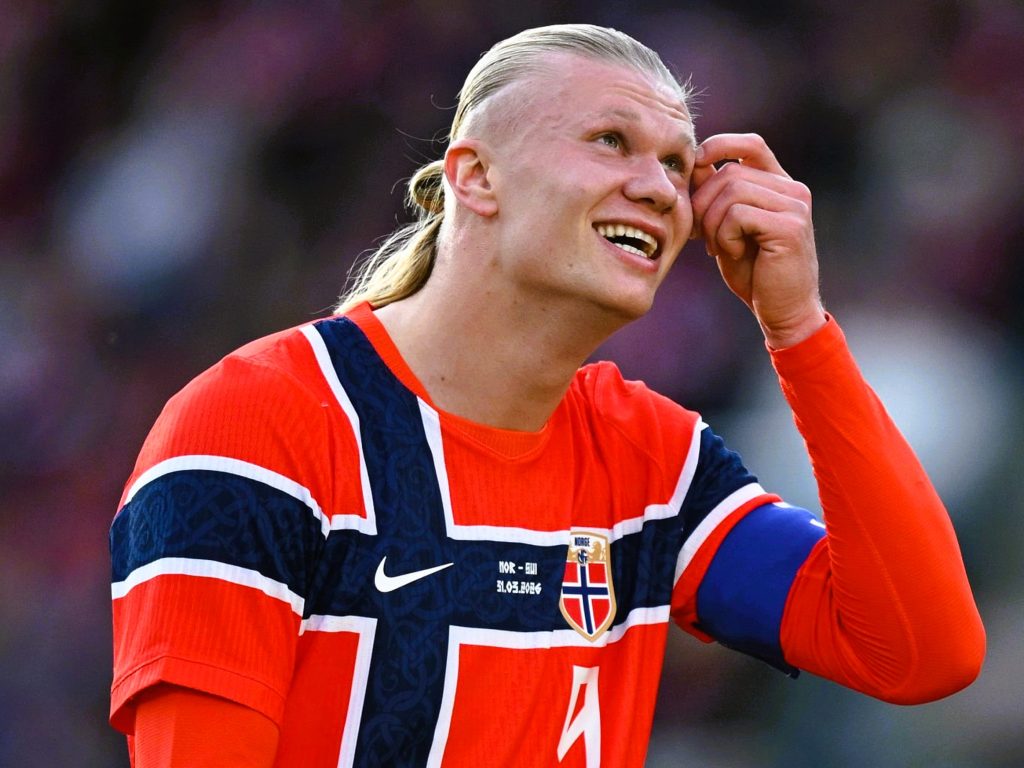
The debate about Haaland’s goal rate is settled by a single statistic from World Cup qualifying: 16 goals in eight European qualification matches, more than double any other player.
That is not a typo, and it is not a fluke. It is consistent with a man who has reset standards for what a modern striker can produce at club level, surpassing a century of Premier League goals and helping Manchester City to Champions League glory.
At a World Cup, the questions shift from whether Haaland can score to whether Norway can survive long enough to give him a full quota of matches.
Group games against France and Senegal will test them severely.
But if Norway are to advance, Haaland has the finishing quality to become the tournament’s most successful man – leading the Norwegian line with a record 55 goals in 48 appearances.
A first World Cup is a new experience, but based purely on ability, he belongs in the top three.
Lionel Messi — Argentina
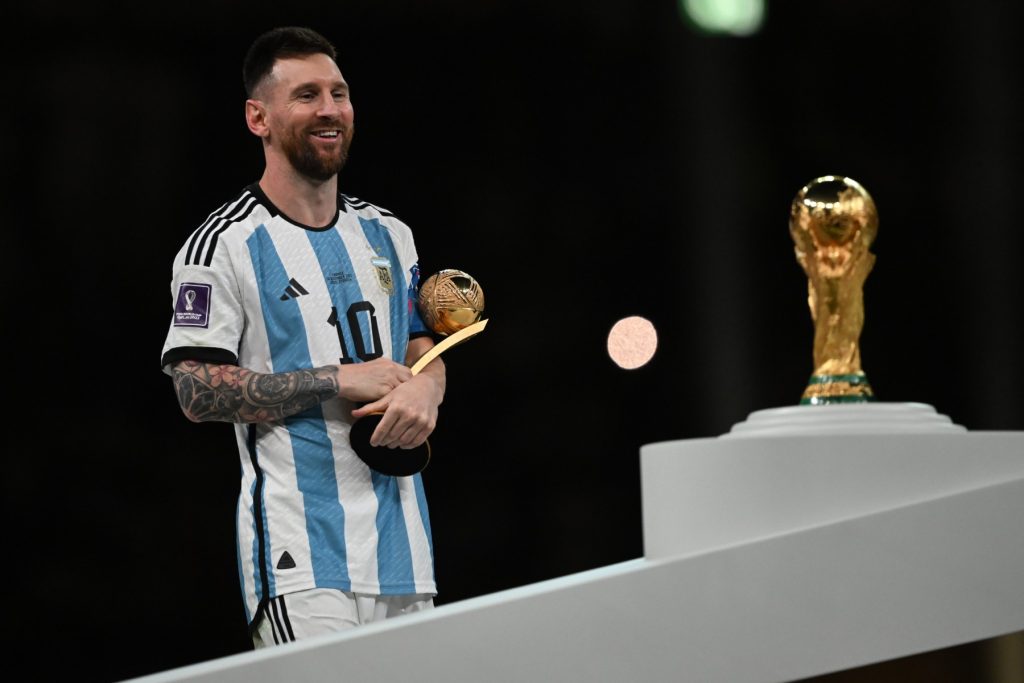
Something is fitting about ranking Messi fourth. Permanently close to the top, perpetually liable to make every ranking look foolish by the time the semi-finals arrive.
In what could be his final World Cup, Messi remains a magical presence. At 38, appearing at a record sixth World Cup, he is the reigning champion and the sport’s greatest individual talent.
In Qatar, he scored seven goals in seven games, only narrowly missing the Golden Boot as Mbappé pipped him on the final night.
Argentina’s blend of experience and youth provides ideal support. Messi’s football intelligence compensates for any physical decline, and his big-match pedigree is unmatched.
While volume might not match younger rivals, a deep run with moments of genius could see him challenge for the award one last time, adding to an unparalleled legacy.
Mikel Oyarzabal — Spain
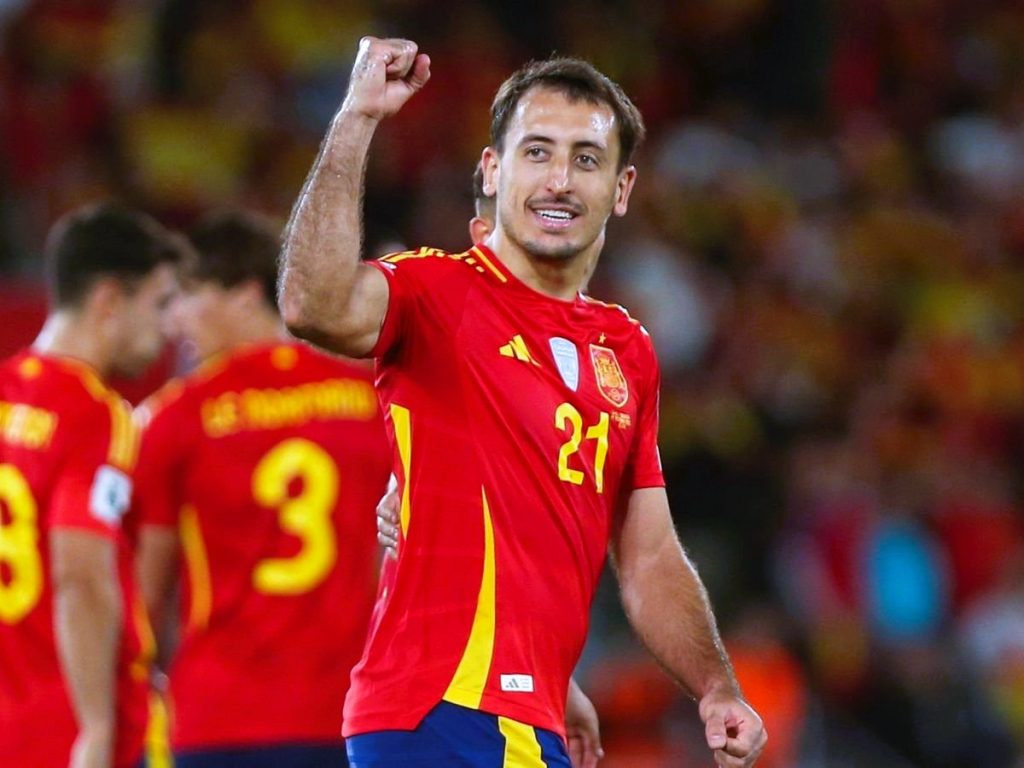
The least heralded name among the genuine favorites, but one of the most compelling cases in the tournament.
Oyarzabal has quietly built one of the most impressive records of any striker in international football over recent years, 24 goals in 52 caps for the European champions, including six during Spain’s qualifying campaign.
His role at Real Sociedad has evolved into that of a decisive, penalty-box finisher, and he has scored 18 goals in all competitions across each of the last two club seasons.
Spain’s system does not demand the kind of individual heroics that produce 10-goal hauls, but it creates waves of attacking opportunity in tight spaces. exactly the environment in which Oyarzabal thrives.
He is also almost certain to take penalties should Spain earn them. If La Roja advance deep, and they absolutely should as the reigning European champions, Oyarzabal will accumulate quietly and dangerously. Do not be surprised if he outperforms his odds.
Lamine Yamal — Spain
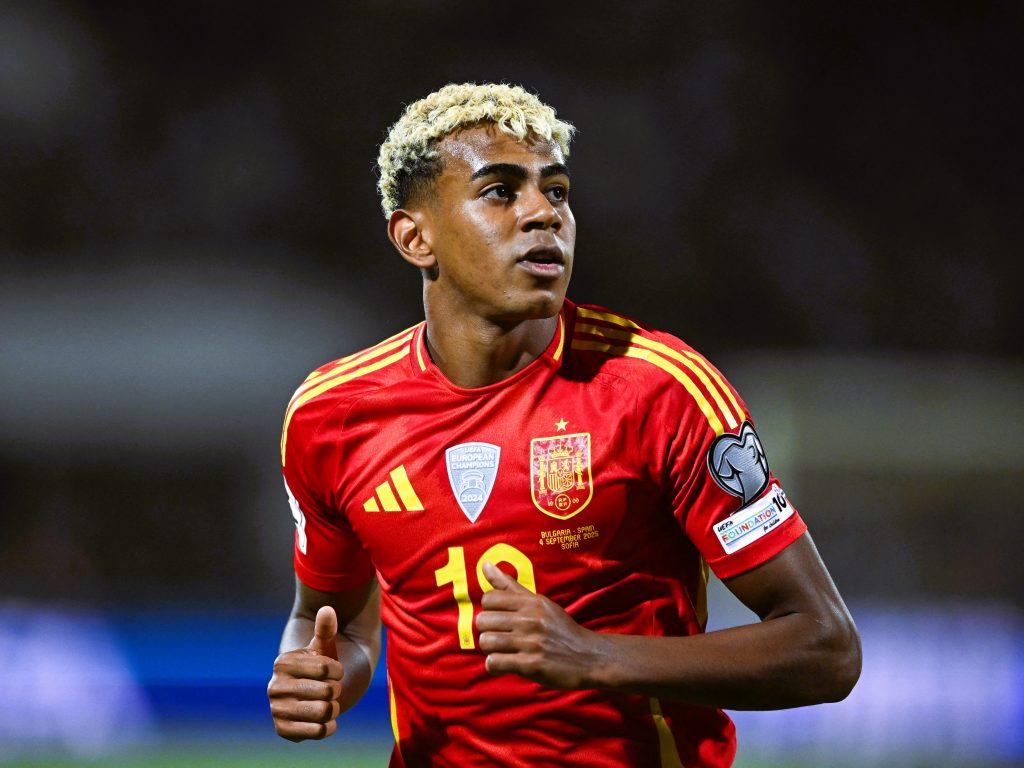
If there is one player who could make the 2026 World Cup a generational moment not just for a nation but for the sport, it is Lamine Yamal.
By the time of the 2026 tournament, when he turns 19, he will be the youngest truly serious Golden Boot contender in the award’s history.
His role in Spain’s Euro 2024 triumph has established him not as a promising teenager but as a decisive tournament player.
He contributed goals, played without a trace of worry on grand occasions, and was rewarded with the Ballon d’Or runner-up status that no teenager has ever achieved.
Since then, his Barcelona form has picked up steam. He is not a converted winger who hopes for goals.
He is a threat who can produce them in many ways, through creativity, directness, and a fearless one-on-one quality that defenders cannot legislate for.
Spain run deep. Yamal can score goals at this World Cup. The only question is how many.
Cristiano Ronaldo — Portugal
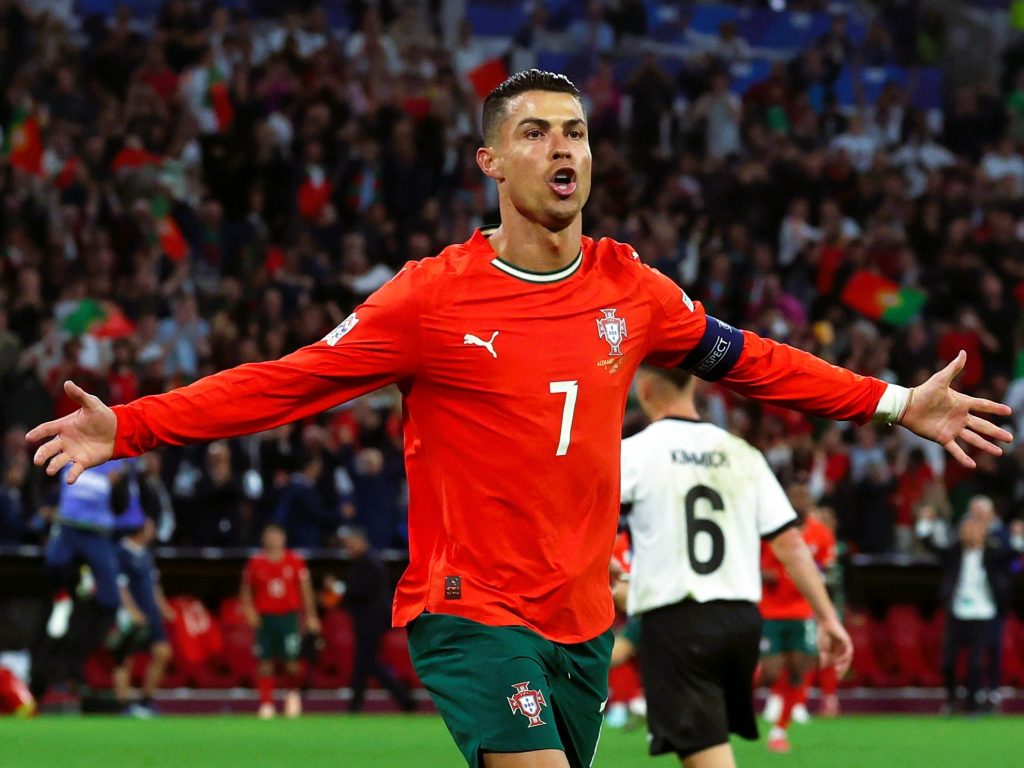
To write off Cristiano Ronaldo at any tournament is to ignore two decades of evidence to the contrary.
The most prolific goalscorer in international football history. His record in Saudi Arabia continues to stretch statistical comprehension.
arrives at what is almost certainly his final World Cup at 41 with the same single-minded focus on legacy that has defined his career.
He has never won the Golden Boot at a World Cup, despite sharing the top-scorer bracket at Germany 2006. A fact that will not have escaped him.
The question mark hanging over his candidacy in 2026 is more pointed than usual.
His role within Roberto Martínez’s Portugal setup is less certain than in previous tournaments, and questions about his starting status have surfaced publicly.
But Ronaldo as a substitute who earns Portugal games in the final third? Still dangerous. Ronaldo with a penalty record and a World Cup stage? Unpredictably, brilliantly capable of anything.
Raphinha — Brazil
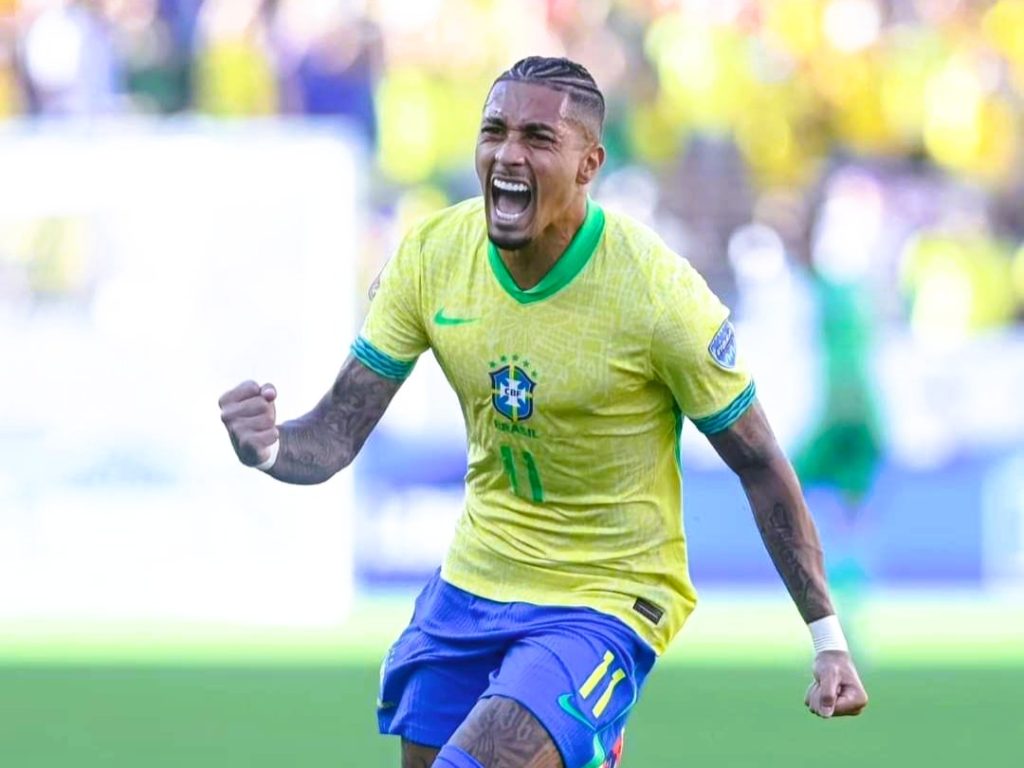
There is a version of the 2026 Golden Boot race in which Raphinha announces himself as the breakout individual star of the tournament.
His evolution at Barcelona over the past two seasons has been remarkable. From peripheral winger to a consistent world-class performer and captain’s voice in the dressing room.
His direct goal contributions from wide areas have multiplied dramatically, and his willingness to cut inside and shoot has become one of Brazil’s primary offensive mechanisms.
The Seleção’s attacking structure offers him significant freedom, and in a tournament where Brazil will be expected to advance through multiple rounds, the volume of opportunities available to a player of his quality is substantial.
NBC Sports ranked him as one of the top seven players at the tournament, reflecting a wider reassessment of just how good Raphinha has become.
Brazil without Neymar are a more collective team, and that collective approach has, in many ways, liberated Raphinha to lead it.
Ousmane Dembélé — France
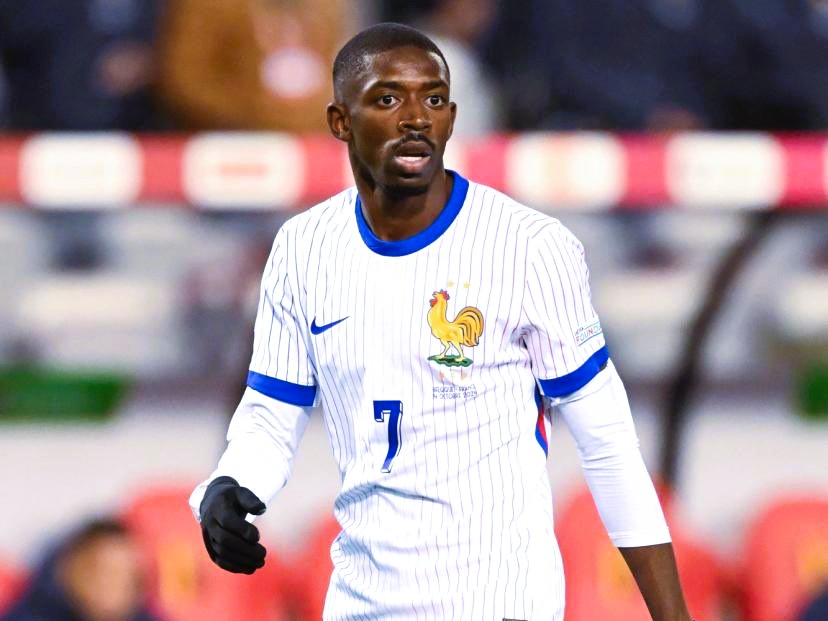
The transformation of Ousmane Dembélé from a perpetually injured, erratic wide player into one of Europe’s most decisive attackers is one of the understated stories of the past three seasons.
At PSG, his end product has improved markedly, adding consistent goals to his renowned dribbling and pace.
He is quicker than almost anyone in the tournament, capable of beating players in both directions, and now adds genuine cutting-edge decisiveness to what was once considered an aesthetic game.
Playing in France’s attack alongside Mbappé means Dembélé will see enormous amounts of space, defenders collapsing towards Mbappé inevitably create something for the man alongside him.
He may not be the focal point of France’s goalscoring, but he is a consistent and serious contributor, and in a deep France run, his tally could creep into the territory that makes the Golden Boot race interesting in its closing stages.
Julián Álvarez — Argentina
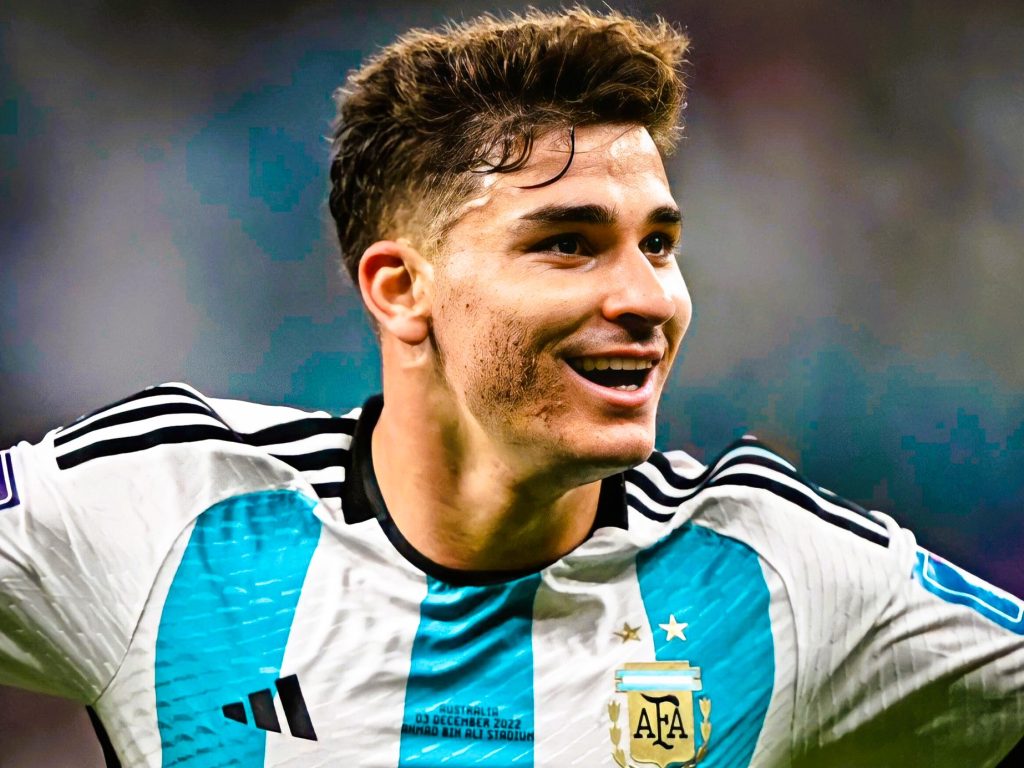
Julián Álvarez has the rarest quality in elite football: the ability to produce at the absolute highest level when it matters most.
His performances at the 2022 World Cup. Seven appearances, four goals, including a solo effort in the semi-final against Croatia.
At Atlético Madrid, he has settled into the rigorous, high-intensity demands of a Diego Simeone side and emerged as one of the Champions League’s most reliable players in the knockout phase.
Álvarez brings energy, intelligent movement, and clinical finishing. His big-match experience complements Messi, creating space and converting chances in Argentina’s system.
As a mobile forward, he thrives in high-pressing setups and could benefit significantly from creative supply in a title-defending side.
If Argentina advance deep, Álvarez will score.
The only ceiling on his Golden Boot ambitions is whether Argentina’s system allows him to accumulate in the way that a more penalty-centric striker like Kane can.
High-Value Dark Horses Outside the Top 10
The ten names above represent the most credible contenders, but the expanded 2026 format means that late-emerging challengers are more plausible than ever. Several players outside the top ten could realistically emerge as surprise World Cup top-scorer contenders.
Vinícius Júnior — Brazil
He is arguably the most dangerous attacker on the planet in his best form, capable of single-handedly dismantling defenses with pace and invention that few can match.
The reason he sits outside the top ten is the consistency of his international goalscoring relative to his club output, and Brazil’s collective system, which distributes the creative burden.
But if Vinícius clicks in the knockout stages as he tends to in big moments at Real Madrid, the Golden Boot becomes a realistic proposition.
Lautaro Martínez — Argentina
The Inter Milan striker has been one of Serie A’s most reliable goalscorers and arrived at the 2022 World Cup as part of Argentina’s title-winning squad with strong contributions.
Martínez is ruthless in close spaces, leads the line with intelligence, and has a quiet consistency that can translate into tournament accumulation.
His primary challenge is that Álvarez and Messi both occupy overlapping roles — but a knock, a rotation, or a hot streak could see him burst into contention.
Cody Gakpo — Netherlands
Gakpo scored three goals in the group stage in Qatar before fading, but his ability to score early and often in a tournament is well-established.
Under pressure, with Liverpool behind him offering consistent Premier League minutes, he has developed into a dependable top-level attacker.
The Netherlands are a functional team without elite depth, but Gakpo’s movement and finishing quality give them a genuine match-winner if the draw co-operates.
Michael Olise — France
The emergence of Michael Olise as a decisive offensive force at club level — and, increasingly, for France — gives Les Bleus another genuine scoring option beyond Mbappé and Dembélé.
His technique is exceptional, his movement between the lines intelligent, and his finishing from distance underrated.
Playing in a France team that should dominate the ball in most of their matches, his opportunities will be both high-quality and numerous.
A breakout Golden Boot contribution is not far-fetched.
Bukayo Saka — England
There is no more naturally gifted wide attacker in England’s squad than Saka, and his ability to both create and score from the right flank gives him consistent Golden Boot relevance across multiple games.
He is not England’s penalty taker — that is Kane’s domain — but his goal contribution rate at Arsenal has been extraordinary in recent seasons.
If England advance deep and Saka finds the same form he produces domestically, he becomes a legitimate top-five scoring threat.
Ferran Torres — Spain
Spain’s depth means that Ferran Torres will rarely be their first name on the teamsheet, but his ability to come off the bench and score decisive goals makes him a perpetual wildcard in any tournament calculation.
At Barcelona, he has developed into a reliable contributor, and at a World Cup where his minutes may be limited, concentrated bursts of goalscoring in tight matches could see his tally mount unexpectedly.
Romelu Lukaku — Belgium
Belgium’s tournament potential is difficult to predict as what could be their final generation of this golden-era squad convenes, but Lukaku remains one of the most physically imposing and penalty-box-dangerous strikers in international football.
His goal record for Belgium is historic. If the Red Devils find their groove and Lukaku is deployed with clarity, the goals can come in bursts — and Golden Boot implications can emerge quickly in an expanded tournament.
Florian Wirtz — Germany
The defining attribute of Florian Wirtz is that he scores and creates in equal measure — a rare capacity that makes him dangerous in almost any tactical context.
At Bayer Leverkusen and now with Germany, he plays in spaces between the lines where defences are consistently exposed.
Germany have rebuilt under their current setup and should be competitive across the full tournament bracket.
Wirtz, given a full platform across six or seven games, could quietly emerge as one of the tournament’s most productive individuals.
What Usually Decides the World Cup Golden Boot?
History shows that the top scorer at a World Cup is rarely just the most gifted striker in the field. It is the player whose circumstances — team, draw, role, and fortune — align to create maximum opportunity. Understanding those factors helps explain the rankings above.
Team Progress
The numbers are unambiguous: players whose teams reach the semi-finals and final dominate the Golden Boot.
More games simply means more opportunities. A group-stage exit limits any player to three matches, regardless of how many they score in each.
Both Mbappé in 2022 and Kane in 2018 benefited enormously from their nations advancing far — and both played in finals. France and England’s anticipated tournament depth is a primary reason both men rank so highly here.
Penalty Duties
Kane’s 2018 Golden Boot is the clearest example in modern history of how penalty duties can define a top-scorer race: four of his six goals came from the spot.
Whoever takes penalties for a team with a long tournament run holds a structural advantage that no amount of natural talent can entirely offset.
This factor specifically bolsters Kane and Oyarzabal — and explains why players like Vinícius, despite elite club form, face a structural ceiling in this race.
Group-Stage Matchups
Golden Boots are often built on a foundation of goals against weaker opposition in the group stage.
A kind draw in the early rounds provides the goalscoring platform that sustains a player’s tally through the tighter knockout games to come.
England’s group containing Panama, and France’s expected path through the draw, are meaningful advantages — allowing both Kane and Mbappé to potentially open accounts against more accommodating defences before the tournament tightens.
Knockout Stage Impact
If the group stage is where tallies are built, the knockout stage is where Golden Boots are won.
Late-stage goals — in quarter-finals, semi-finals, and finals — carry enormous weight in tiebreakers and narrative impact.
Mbappé’s hat-trick in the 2022 final is the defining example of a player whose knockout-stage performance not only clinched the award but elevated it into legend.
The players most capable of performing across seven games, not just three, are the ones who ultimately win it.
Predicted Top Five Golden Boot Finishers
| Rank | Player | Nation |
| 1 | Kylian Mbappé | France |
| 2 | Harry Kane | England |
| 3 | Erling Haaland | Norway |
| 4 | Lionel Messi | Argentina |
| 5 | Lamine Yamal | Spain |
Mbappé is our pick because no current player combines tournament experience, finishing rate, and supporting infrastructure as effectively.
His record of 12 goals in 14 World Cup appearances is unprecedented for a 27-year-old with potentially several tournaments still ahead, and the Real Madrid season he has just completed suggests a player who is, if anything, still improving.
Five goals to claim history’s record is an entirely achievable target.
Kane finishes second in our predicted standings on the strength of his penalty duties, England’s structural depth, and his ability to score even in games where he is not at his fluid best.
He is clinical in a way that does not depend entirely on quality of service. Six or seven England games, with penalty-taking responsibilities, gives him the scaffolding for a serious challenge.
Haaland occupies third with a caveat that feels almost unjust: if Norway survive the group stage and draw a manageable second-round opponent, his ceiling is arguably higher than either man above him.
The sheer volume of his goalscoring, at club and international level, suggests that once he has a full tournament to work with, the numbers will follow. Norway’s group is the question mark.
Messi at fourth feels simultaneously too high and too low — the peculiar position he has occupied for most of his career.
A seventh World Cup campaign at 38, defending the title he spent an entire career pursuing, offers both the motivation and the collective platform for a final extraordinary chapter. We suspect Messi will score important goals in important moments.
Whether they add up to a Golden Boot tally is another matter, but ranking him outside the top four would feel reckless.
Yamal at fifth is our most speculative but also our most exciting prediction. Teenagers do not usually win Golden Boots. But Lamine Yamal is not a usual teenager, Spain are not a usual team, and the 2026 World Cup is not a usual tournament.
If Spain make the semi-finals or final — which they are more than capable of doing — and Yamal delivers the kind of tournament-defining individual performances that his talent suggests, the records he breaks may extend well beyond the Golden Boot itself.
Who Will Win the 2026 FIFA World Cup Golden Boot?
Mbappe starts as the favourite, and the case for him is based on everything the award has historically demanded.
A predator on the biggest stage, backed by one of the strongest sides in the competition, with a personal scoring benchmark at the World Cup that no player of his age has matched.
If France reach the final again, and the evidence from the past two tournaments suggests they should, Mbappe will be in the running for the Golden Boot until the final whistle blows.
But Kane and Haaland will not simply concede the award. Kane has earned it before, and he arrives in the kind of club form that suggests 2026 is not a farewell tour but a genuine peak.
Haaland’s World Cup debut is one of the tournament’s most compelling subplots.
Will the most clinical finisher in the game, placed on the sport’s largest stage for the first time, produce the kind of haul that rewrites the Golden Boot record books?
Then there is the elegiac dimension. Messi and Ronaldo, two players who have shaped a generation, are both making what are almost certainly their final World Cup appearances.
Messi’s golden-gloved hands already hold the trophy itself. Ronaldo has never won the individual scoring award despite being its most famous perpetual contender.
For each, this tournament is a last opportunity to close one chapter they have not yet written.
And underneath all of them, catching light in a way that the established names cannot quite match for sheer surprise and possibility, is Lamine Yamal.
He may not win the Golden Boot at this World Cup. But an 18-year-old who has already defied expectations so thoroughly that calling him a dark horse feels almost insulting.
The 2026 FIFA World Cup Golden Boot race will not be decided in a single game or by a single player alone.
It will be shaped by draws and decisions, by penalty kicks and knockout heroics, by coaches and luck, and the narrow margins that separate sport’s greatest moments from its near-misses.
What we can say with certainty is this: the race for top scorer in North America this summer is the most compelling it has ever been. And whoever wins it will have earned every last one of those goals.