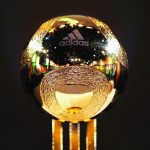







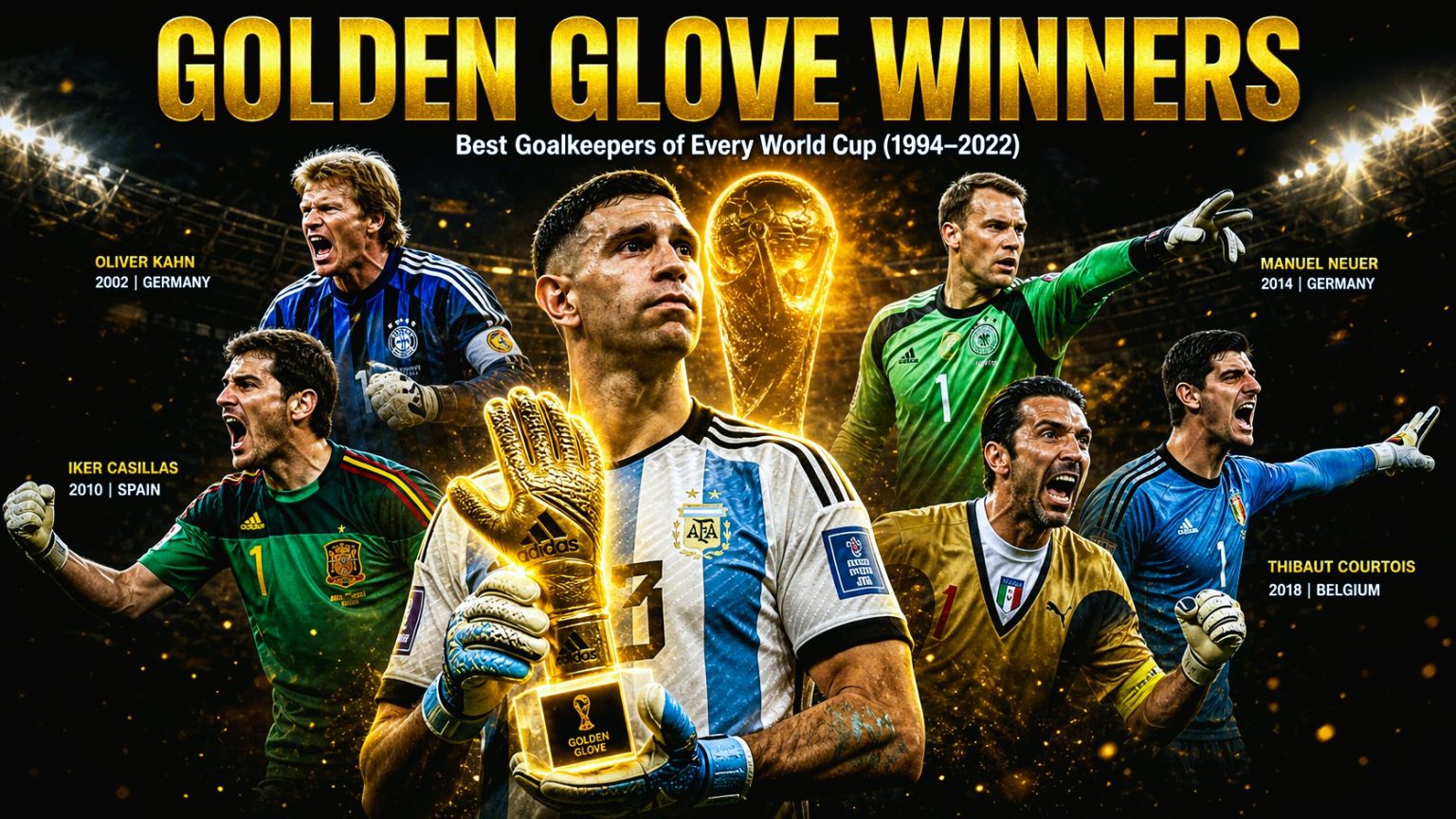

The FIFA World Cup Golden Glove is the most prestigious individual accolade awarded to a goalkeeper at the FIFA World Cup. Officially known as the Adidas Golden Glove — recognizing Adidas’s long-standing sponsorship — the award is presented at the conclusion of each tournament to the goalkeeper deemed to have delivered the finest overall performances across all matches.
Unlike the Golden Boot (for the top scorer) or Golden Ball (for the best overall player), the Golden Glove is goalkeeper-specific, celebrating elite shot-stopping, command of the penalty area, distribution, and the often unheralded art of keeping a clean sheet under pressure in the World Cup’s knockout rounds.
Goalkeeping is the most thankless art in football — one mistake and you’re the villain; ten saves and you’re still just doing your job. The Golden Glove is the game’s acknowledgement that great goalkeepers can decide World Cups.
The award has elevated the profiles of some of football’s greatest stoppers, from Oliver Kahn to Iker Casillas to Manuel Neuer to Emiliano Martínez. It remains a singular statement that goalkeeper performance is central — not peripheral — to World Cup success.
When Was the Golden Glove Introduced?
The FIFA World Cup goalkeeper award has existed in different forms since the early 1990s.
The Lev Yashin Award — named after the legendary Soviet goalkeeper widely considered the greatest of all time — was introduced at the 1994 World Cup in the United States and was presented through the 2010 tournament in South Africa.
From 2014 onward, FIFA officially rebranded the award as the Adidas Golden Glove in alignment with its commercial partnership with Adidas.
The selection methodology also evolved: while earlier editions relied more heavily on subjective expert panels, the modern award blends technical analyst assessments, match statistics, and a dedicated technical study group convened by FIFA.
The award is named after Lev Yashin (1929–1990), the only goalkeeper ever to win the Ballon d’Or (1963). He remains the benchmark for goalkeeping excellence across all generations.
How Is the Golden Glove Winner Selected?
The FIFA World Cup Golden Glove winner is chosen by FIFA’s Technical Study Group (TSG), an independent panel of former players, coaches, and goalkeeping specialists. The selection process considers multiple performance dimensions across all matches a goalkeeper participates in.
Key criteria include:
- Clean sheets — matches in which the keeper’s team concedes no goals
- Saves made and save percentage
- Penalty saves during normal play and in shoot-outs
- Distribution and ball-play quality
- Command of the penalty area — crosses claimed, organization of defense
- Decisive moments — match-winning saves in knockout ties
Crucially, a goalkeeper does not have to be on the winning team to win the Golden Glove. Oliver Kahn won it in 2002 despite Germany finishing as runners-up. The award prioritizes individual excellence, not team outcome.
FIFA World Cup Golden Glove Winners — Full List (1994–2022)
The table below presents every FIFA World Cup Golden Glove winner by year, from the inaugural Lev Yashin Award in 1994 to Emiliano Martínez’s celebrated win at Qatar 2022. Goalkeeper stats reflect official FIFA match data.
| Year | Winner | Country | Clean Sheets | Matches Played | Tournament Result |
| 1994 | Michel Preud’homme | 🇧🇪 Belgium | 2 | 4 | Round of 16 |
| 1998 | Fabien Barthez | 🇫🇷 France | 6 | 7 | Champions |
| 2002 | Oliver Kahn | 🇩🇪 Germany | 5 | 7 | Runners-Up |
| 2006 | Gianluigi Buffon | 🇮🇹 Italy | 5 | 7 | Champions |
| 2010 | Iker Casillas | 🇪🇸 Spain | 5 | 7 | Champions |
| 2014 | Manuel Neuer | 🇩🇪 Germany | 6 | 7 | Champions |
| 2018 | Thibaut Courtois | 🇧🇪 Belgium | 3 | 7 | Third Place |
| 2022 | Emiliano Martínez | 🇦🇷 Argentina | 4 | 7 | Champions |
Golden Glove Winners by Year — Player Spotlights
Emiliano Martínez: Argentina
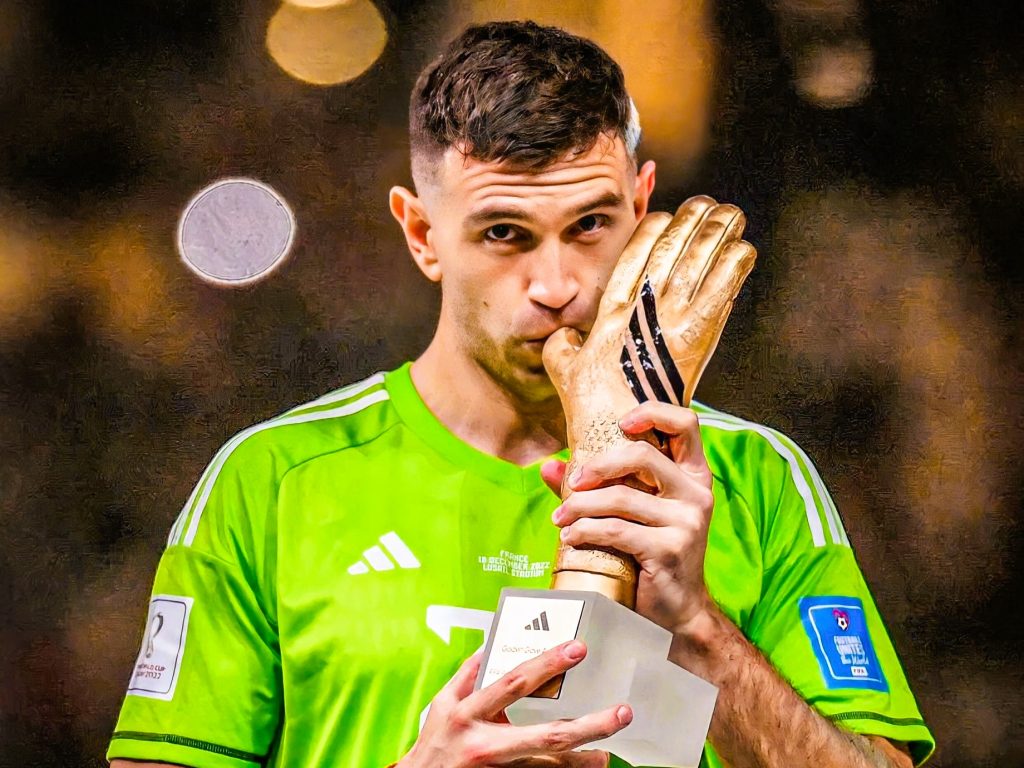
- Matches: 7
- Clean Sheets: 4
- Penalty Saves: 3
“Dibu” Martínez turned Qatar 2022 into a personal masterclass. His penalty shoot-out heroics against the Netherlands in the quarter-final — saving two spot kicks — were among the most dramatic moments in World Cup history.
He delivered again in the final against France, saving Kingsley Coman’s penalty in the decisive shoot-out as Argentina lifted their third World Cup. Martínez’s command, presence, and psychological warfare became as much a part of Argentina’s narrative as Messi himself.
Thibaut Courtois: Belgium
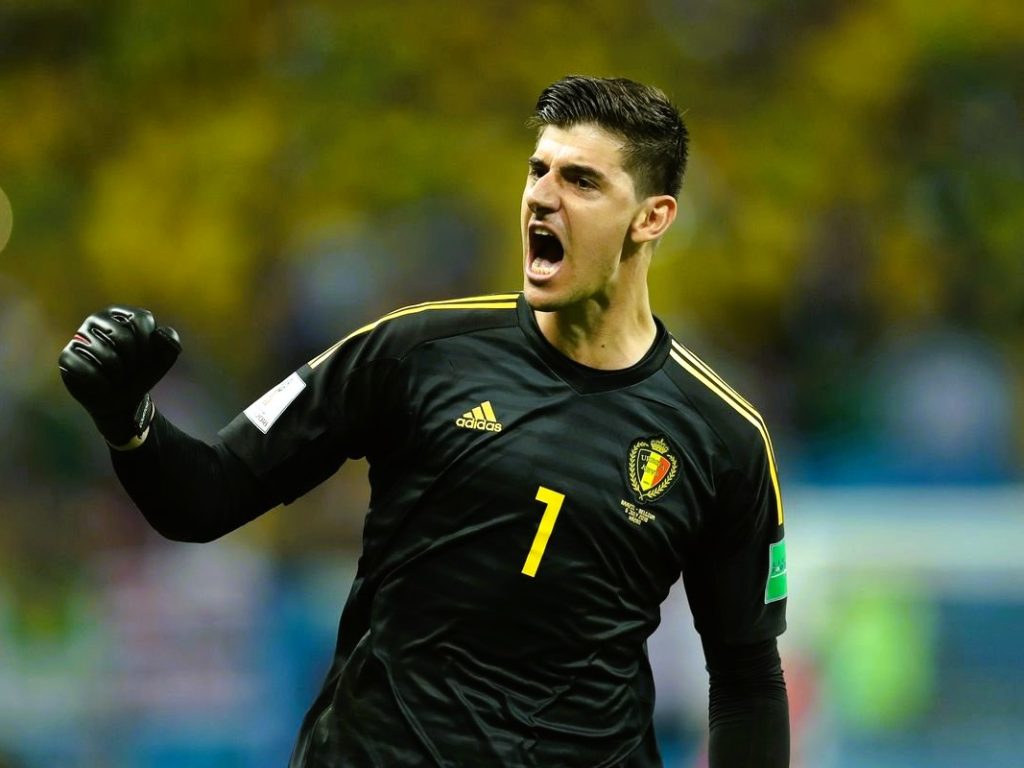
- Matches: 7
- Clean Sheets: 3
- Saves: 27
Courtois’s Russia 2018 tournament was a study in elite shot-stopping. With Belgium’s “golden generation” advancing to the semi-finals, Courtois was the last line of a high-risk, high-reward defensive structure.
His extraordinary save tally — particularly his display against Brazil in the quarter-final — confirmed his status as one of the greatest goalkeepers of his era. He became one of only two players from a non-finalist team to win the Golden Glove, alongside Michel Preud’homme in 1994.
Manuel Neuer: Germany
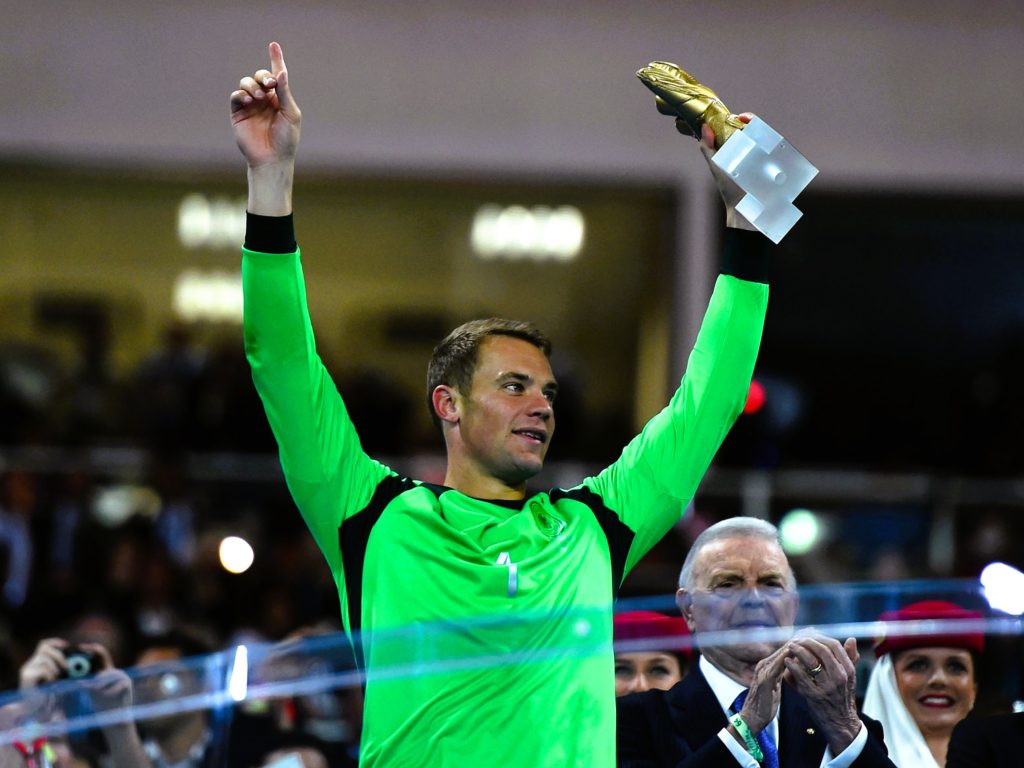
- Matches: 7
- Clean Sheets: 6
- Penalty Saves: 85%
Manuel Neuer’s Brazil 2014 performance is perhaps the most technically accomplished goalkeeping tournament in World Cup history.
As a sweeper-keeper pioneer, he routinely rushed off his line to intercept through-balls 30 yards from goal, effectively acting as an 11th outfield player.
His six clean sheets in seven games — conceding only four goals across the tournament — underpinned Germany’s dominant title win, including a breathtaking 7-1 demolition of host nation Brazil.
Iker Casillas: Spain
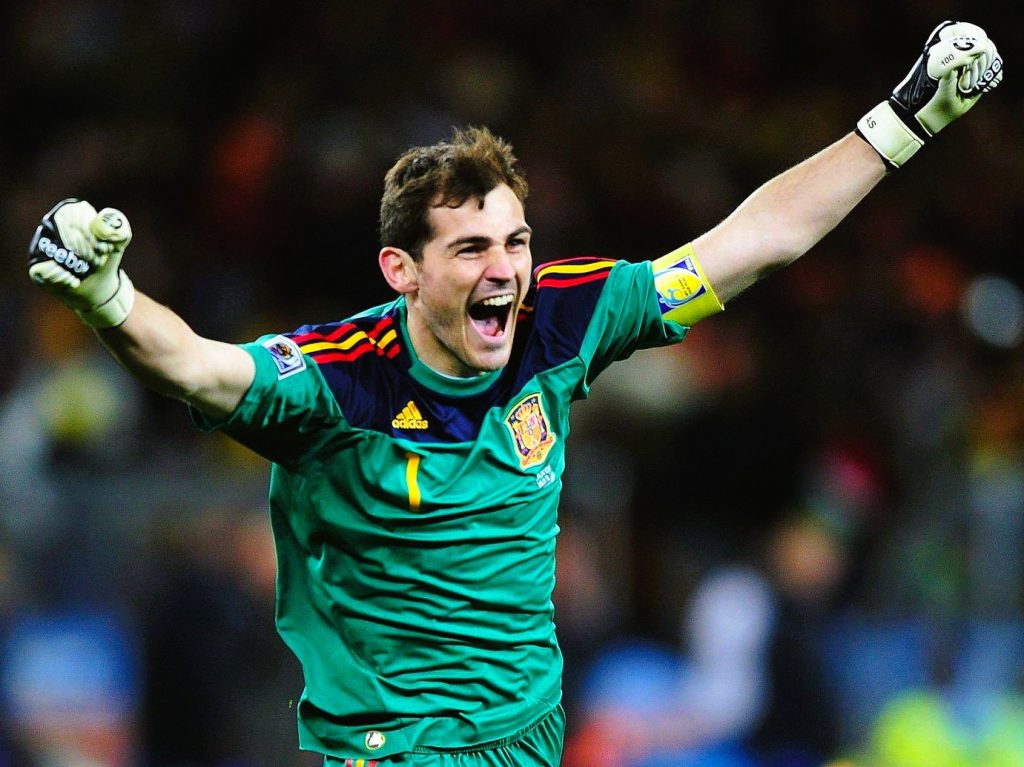
- Matches: 7
- Clean Sheets: 5
- Goals Conceded in KO Rounds: 1
Known affectionately as San Iker, Casillas cemented his legendary status at South Africa 2010.
Spain’s tiki-taka philosophy demanded a keeper who could play out from the back — and Casillas delivered, while also producing a stunning penalty save against Paraguay in the quarter-final at a pivotal 1-1 moment.
He conceded just one knockout-round goal across five matches, making his tournament one of the most complete goalkeeping performances in World Cup history.
Gianluigi Buffon: Italy
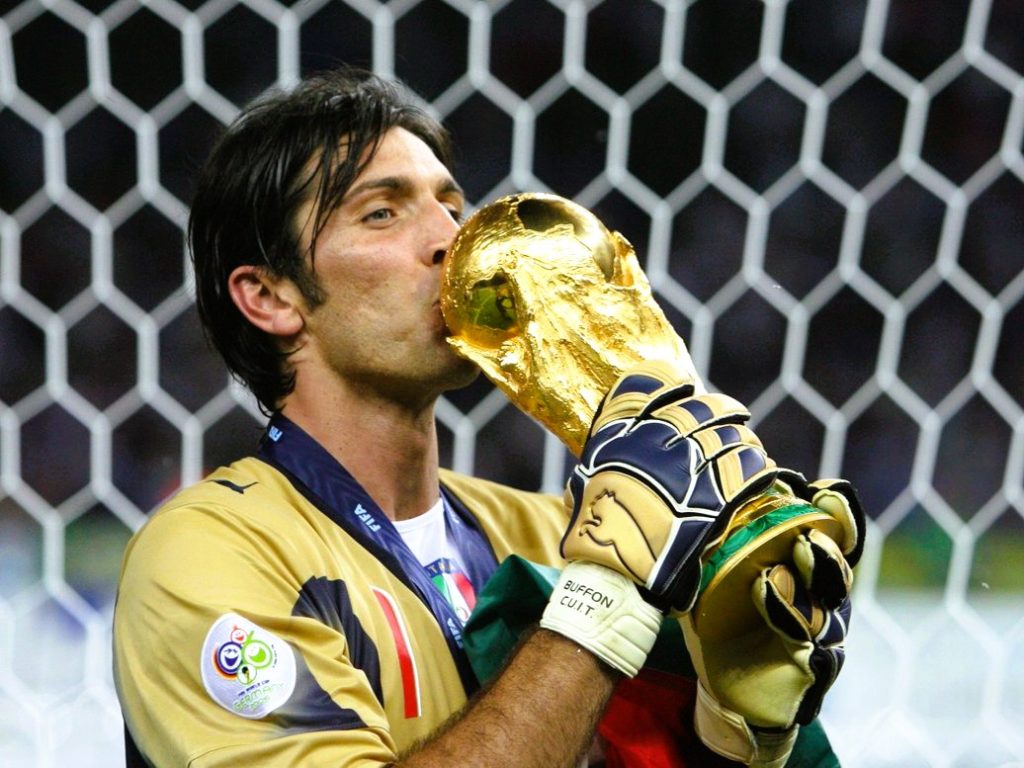
- Matches: 7
- Clean Sheets: 5
- Goals Conceded: 2
If Oliver Kahn defined 2002, Gianluigi Buffon defined excellence in 2006.
The Juventus colossus was the backbone of the most miserly defensive unit in that tournament — Italy conceded just two goals in seven matches, both of which were an own goal and a penalty, meaning Buffon was never truly beaten by an opponent in open play throughout the entire campaign.
His commanding presence, aerial dominance, and shot-stopping purity underpinned Italy’s fourth World Cup triumph.
Buffon’s 2006 tournament remains one of the cleanest individual goalkeeping records in the award’s history and a landmark performance in best goalkeeper performances at the World Cup.
Oliver Kahn: Germany
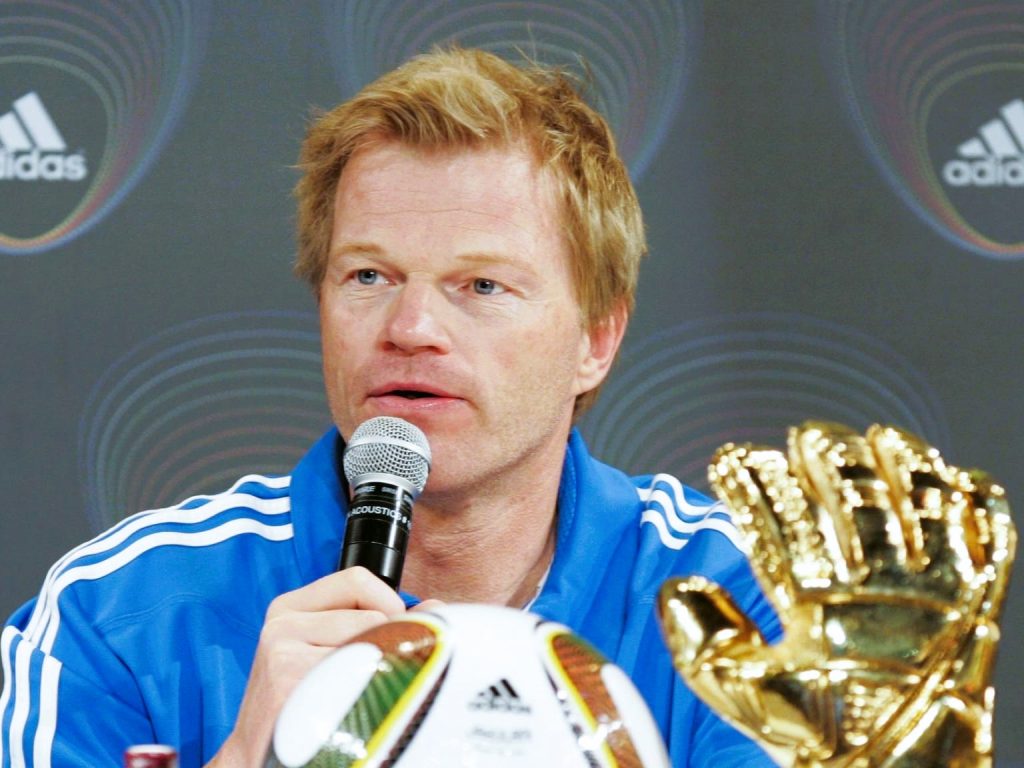
- Matches: 7
- Clean Sheets: 5
- Only Keeper to Also Win Golden Ball
Oliver Kahn’s 2002 World Cup remains the most extraordinary individual goalkeeping feat in the tournament’s history.
The Bayern Munich titan was virtually unbeatable throughout the tournament — conceding just one goal in six matches before the final, a record that carried Germany to the championship match against Brazil.
His unique achievement of winning both the Lev Yashin Award and the Golden Ball in the same tournament remains unmatched: he is the only goalkeeper ever to win the World Cup’s best player award.
Fabien Barthez: France
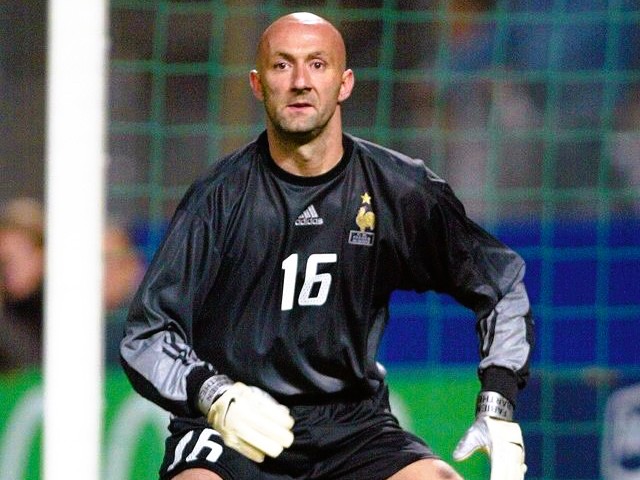
- Matches: 7
- Clean Sheets: 5
- Goals Conceded: 2
Fabien Barthez was the theatrical heartbeat of France’s historic 1998 World Cup triumph on home soil.
With six clean sheets from seven matches, he shares the record for the most clean sheets in a single World Cup Golden Glove campaign alongside Manuel Neuer.
Flamboyant, fearless, and technically exceptional, Barthez commanded his penalty area with an authority that belied his relatively small stature for a goalkeeper.
His partnership with the imperious Zinedine Zidane — one at the back, one at the front — gave France a completeness that swept through the tournament.
France conceded just two goals all tournament, a defensive record that owed everything to Barthez’s assurance between the posts.
Michel Preud’homme: Belgium
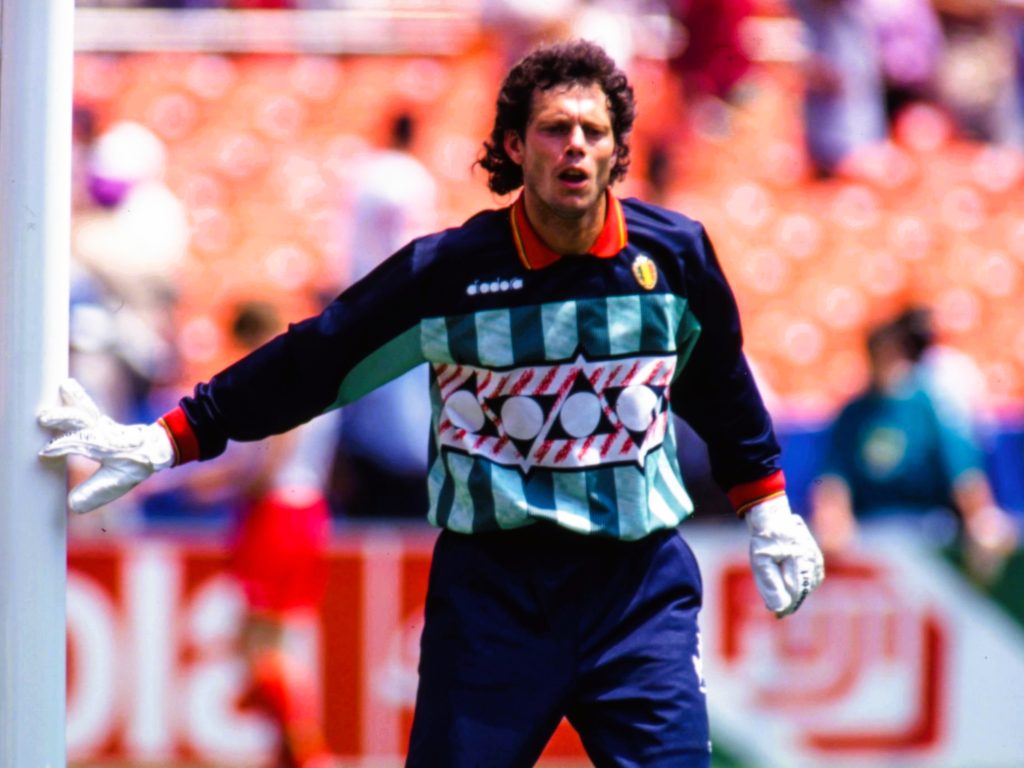
- Matches: 4
- Clean Sheets: 2
- 1st Ever Lev Yashin Award
Michel Preud’homme holds a unique place in FIFA Golden Glove history as the inaugural winner of the Lev Yashin Award at the 1994 World Cup in the United States.
The Standard Liège and later Mechelen goalkeeper produced a series of extraordinary saves to carry Belgium through the group stage — his display in the match against the Netherlands, stopping some of the most threatening efforts of the tournament, drew global attention.
Belgium were eliminated in the Round of 16 by eventual champions Germany, but not before Preud’homme had demonstrated that individual goalkeeping brilliance can transcend team limitations.
His award set the tone for what the Lev Yashin Award — and later the Golden Glove — would come to represent: the goalkeeper as match-winner.
Golden Glove vs Golden Ball vs Golden Boot
The FIFA World Cup hands out three major individual awards at the conclusion of each tournament.
Understanding the difference helps contextualize what the Golden Glove represents within the broader hierarchy of World Cup honors.
Winning both the Golden Glove and the World Cup title is the ultimate combination for a goalkeeper, achieved by Fabien Barthez (1998), Gianluigi Buffon (2006), Iker Casillas (2010), Manuel Neuer (2014), and Emiliano Martínez (2022).
Oliver Kahn (2002) achieved the near-impossible by winning the Golden Glove and the Golden Ball on a losing finalist team.
Golden Glove: Goalkeeper only
Awarded to the best goalkeeper of the tournament. Judged on saves, clean sheets, penalty stops, distribution, and decisive contributions in knockout matches.
Golden Ball: Any position
Awarded to the best overall player of the tournament, as voted by media representatives and FIFA’s Technical Study Group. Any outfield position can win it — and occasionally a goalkeeper (Kahn, 2002).
Golden Boot: Top scorer only
Awarded to the tournament’s top scorer. In case of a tie, assists and minutes played are used as tiebreakers. A purely statistical award based on goals scored.
Most Golden Glove Awards by Country
The World Cup Golden Glove history reveals the dominance of European nations, with Germany leading the tally thanks to Kahn and Neuer. Belgium has also punched above its weight, claiming the award twice despite never winning the tournament itself.
| Country | Win |
| 🇩🇪 Germany | 2 |
| 🇧🇪 Belgium | 2 |
| 🇫🇷 France | 1 |
| 🇮🇹 Italy | 1 |
| 🇪🇸 Spain | 1 |
| 🇦🇷 Argentina | 1 |
Five of the eight Golden Glove winners have also won the World Cup in the same tournament.
This correlation suggests that having an elite goalkeeper is almost a prerequisite for tournament victory — but as Belgium’s two wins prove, individual brilliance can transcend team outcome.
Who Could Win the Golden Glove at World Cup 2026?
With the FIFA World Cup 2026 set to be hosted across the United States, Canada, and Mexico — and expanding to a landmark 48 teams — the battle for goalkeeping supremacy promises to be the most competitive in history.
Here are the leading contenders for the Adidas Golden Glove.
Top Golden Glove candidates at World Cup 2026
The expanded 48-team format means more matches, more variance, and more opportunity for a goalkeeper to define a tournament through a sustained run of match-winning performances. The 2026 Golden Glove race is genuinely open.
- Emiliano Martínez, Argentina: Defending champion. Penalty shoot-out specialist with unmatched big-game mentality.
- Alisson Becker, Brazil: Consistent excellence. Elite distribution and composure make him among the world’s best.
- Jordan Pickford, England: Undisputed No. 1 for England; thrives under Thomas Tuchel’s pragmatic approach.
- Unai Simón, Spain: Coming off a Euro 2024 victory; excels in Spain’s possession-heavy system.
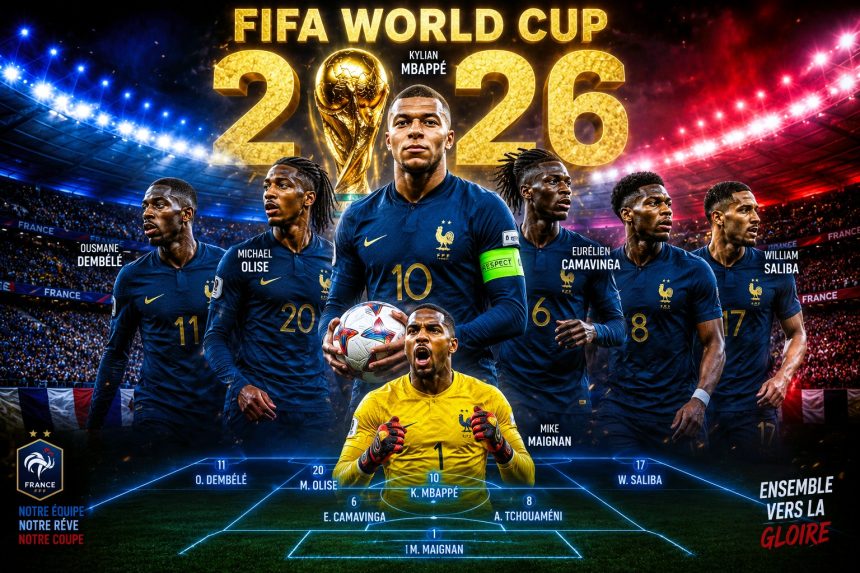
- Mike Maignan, France: Inherited the No. 1 jersey from Lloris; phenomenal record in major tournaments.
- Diogo Costa Portugal: Known for his penalty-saving heroics at Euro 2024, Costa is a high-value sleeper pick if Portugal advances.
- Bart Verbruggen Netherlands: A rising star with excellent distribution skills, he benefits from a strong Dutch defensive line.
Frequently Asked Questions
Who won the Golden Glove at the 2022 FIFA World Cup?
Emiliano Martínez of Argentina won the Golden Glove at the 2022 FIFA World Cup in Qatar.
Martínez was instrumental throughout Argentina’s title run, keeping four clean sheets in seven matches and producing decisive penalty saves in the shoot-out victories against the Netherlands (quarter-final) and France (final).
His tournament performance is widely considered one of the most impactful individual goalkeeping displays in World Cup history.
What does the FIFA World Cup Golden Glove award mean?
The FIFA World Cup Golden Glove is the award given to the best goalkeeper of the tournament.
Originally called the Lev Yashin Award (1994–2010) in honor of the legendary Soviet goalkeeper, it was rebranded as the Adidas Golden Glove from 2014 onward.
It recognizes a combination of clean sheets, saves, penalty stops, distribution, and match-defining contributions — celebrating elite goalkeeping performance as a decisive factor in World Cup outcomes.
Can a goalkeeper on a losing team win the Golden Glove?
Yes — and it has happened. Oliver Kahn won the 2002 Lev Yashin Award despite Germany finishing as runners-up after losing the final to Brazil. In 2018, Thibaut Courtois won the Golden Glove with Belgium, who finished third.
Similarly, the inaugural winner, Michel Preud’homme in 1994, was eliminated in the Round of 16. The award recognizes individual excellence, not team success — meaning a goalkeeper can deliver a career-defining tournament on a side that doesn’t ultimately win the title.
What is the difference between the Golden Glove and the Golden Ball?
The Golden Glove is awarded exclusively to the best goalkeeper of the World Cup.
The Golden Ball is awarded to the best player overall, any position. They are separate awards judged independently.
Occasionally, the two can go to the same player: Oliver Kahn in 2002 won both the Lev Yashin Award (the Golden Glove’s predecessor) and the Golden Ball — the only goalkeeper ever to achieve this double.
It’s also possible, in theory, for the Golden Ball to go to a goalkeeper (as with Kahn), but this remains extremely rare.
Which goalkeeper has the most clean sheets in World Cup history?
Across the modern era of the Golden Glove (1994–2022), Fabien Barthez and Manuel Neuer lead with 6 clean sheets each across their respective tournaments.
Over World Cup history spanning all editions since 1930, the overall clean sheet record is more complex and competed across different statistical tracking eras.
Among contemporary keepers, Neuer’s 2014 performance (6 clean sheets, 7 matches, 4 goals conceded) stands as the benchmark for sustained goalkeeping excellence in a single tournament.
How is the Golden Glove winner decided at the FIFA World Cup?
The Golden Glove is awarded by FIFA’s Technical Study Group (TSG), a panel of former players, coaches, and goalkeeping specialists.
The selection weighs multiple criteria: clean sheets kept, total saves and save percentage, performance in decisive knockout matches, penalty saves, distribution quality, and command of the penalty area.
Unlike a public vote, the selection is made internally by technical experts — ensuring the award reflects a comprehensive assessment of goalkeeping performance rather than popularity.
Has any goalkeeper won the Golden Glove more than once?
No goalkeeper has won the FIFA World Cup Golden Glove (or its predecessor, the Lev Yashin Award) more than once across all eight tournaments from 1994 to 2022.
Each winner has been a different player. This reflects both the competitive depth of international goalkeeping and the four-year gap between tournaments — by which time goalkeeping lineups, team fortunes, and individual form can shift dramatically.
The Golden Glove’s Enduring Legacy
The FIFA World Cup Golden Glove has evolved from a tribute to a legendary Soviet stopper into the definitive recognition of goalkeeper excellence on football’s biggest stage.
Across eight tournaments, eight different keepers have claimed it — each representing a distinct era, a distinct style, and a distinct moment in which a goalkeeper’s brilliance shaped the outcome of a World Cup.
From Oliver Kahn’s near-supernatural invincibility in 2002 to Manuel Neuer’s reinvention of the position in 2014, from Iker Casillas’s ice-cool authority in 2010 to Emiliano Martínez’s theatrical genius in 2022 — the Golden Glove has a history as rich, as dramatic, and as unscripted as the World Cup itself.
As the tournament expands to 48 teams in 2026, the next chapter of FIFA Golden Glove history is yet to be written.
One goalkeeper — somewhere, across the US, Canada, and Mexico — will emerge from six weeks of pressure to claim the award and join the most exclusive company in football.