

In modern football, World Cups are often won in midfield. The teams that control possession, dictate tempo, resist pressure, and dominate transitions usually find themselves lifting trophies when the tournament reaches its climax.
As the 2026 FIFA World Cup unfolds across North America, one debate stands above the rest: which nation possesses the strongest midfield in international football?
More than ever, midfielders are the heartbeat of elite teams. They protect defenses, launch attacks, break opposition presses, and provide the tactical balance needed to compete at the highest level.
In a tournament featuring 48 teams and a demanding path to the final, depth and versatility in midfield could prove just as important as star power.
The leading contenders all boast world-class options in the center of the pitch. Spain combine control, intelligence, and unrivaled depth.
Portugal offer creativity, dynamism, and attacking output. England possess a powerful blend of athleticism and individual brilliance.
France remain one of the most physically dominant teams in world football, while Germany’s emerging generation brings technical quality and enormous potential.
But which midfield stands above the rest?
To answer that question, we have ranked the five strongest midfields heading into the 2026 FIFA World Cup.
Our rankings are based on the quality of starting players, squad depth, tactical balance, current form, international experience, and overall fit within each team’s system.
From Spain’s masters of control to Portugal’s creative engine room and England’s superstar pairing, these are the midfields most likely to shape the story of the 2026 World Cup.
Top 5 Strongest Midfields at the 2026 FIFA World Cup (Ranked)
1. Spain – The Control Masters
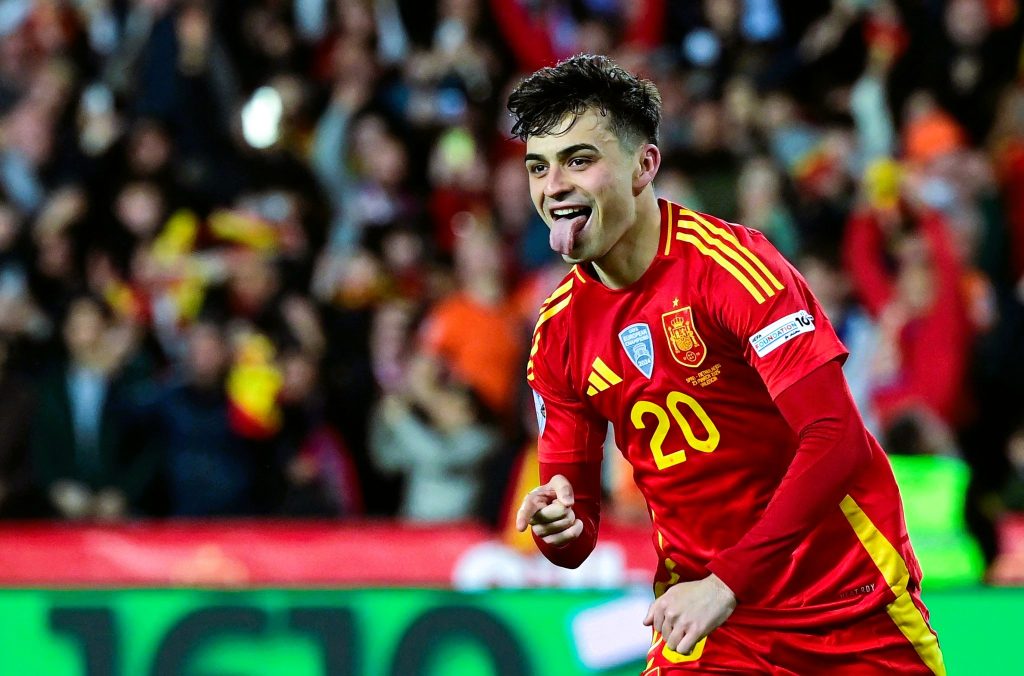
No nation will have a midfield as deep or as strategically complete as Spain’s on the road to the 2026 World Cup final.
Rodri remains the world’s finest holding midfielder — a player who controls tempo, resists pressure, and protects the back line simultaneously.
Pedri orchestrates with an elegance that few international midfielders can match, while Fabián Ruiz contributes the dynamism and goalscoring threat that rounds out the first-choice engine room.
Beyond those three, Zubimendi could start for almost any other nation. Spain do not have a Plan B — they have a Plan A with eight world-class variations.
| Position | Player | Club | Key Attributes |
|---|---|---|---|
| Defensive Anchor | Rodri | Manchester City | Passing, positioning, leadership |
| Central Orchestrator | Pedri | Barcelona | Vision, dribbling, intelligence |
| Box-to-Box / Creator | Fabián Ruiz | PSG | Technical quality, goals, versatility |
| Defensive Mid | Mikel Merino | Arsenal | Energy, aerial ability, balance |
| Deep-Lying Playmaker | Martín Zubimendi | Real Sociedad | Control, passing range |
| Impact Sub | Gavi | Barcelona | Pressing, intensity, dynamism |
| Attacking Mid | Dani Olmo | Barcelona | Creativity, goals, versatility |
| Young Option | Fermín López | Barcelona | Energy, goal threat |
2. Portugal – The Dynamic Powerhouse
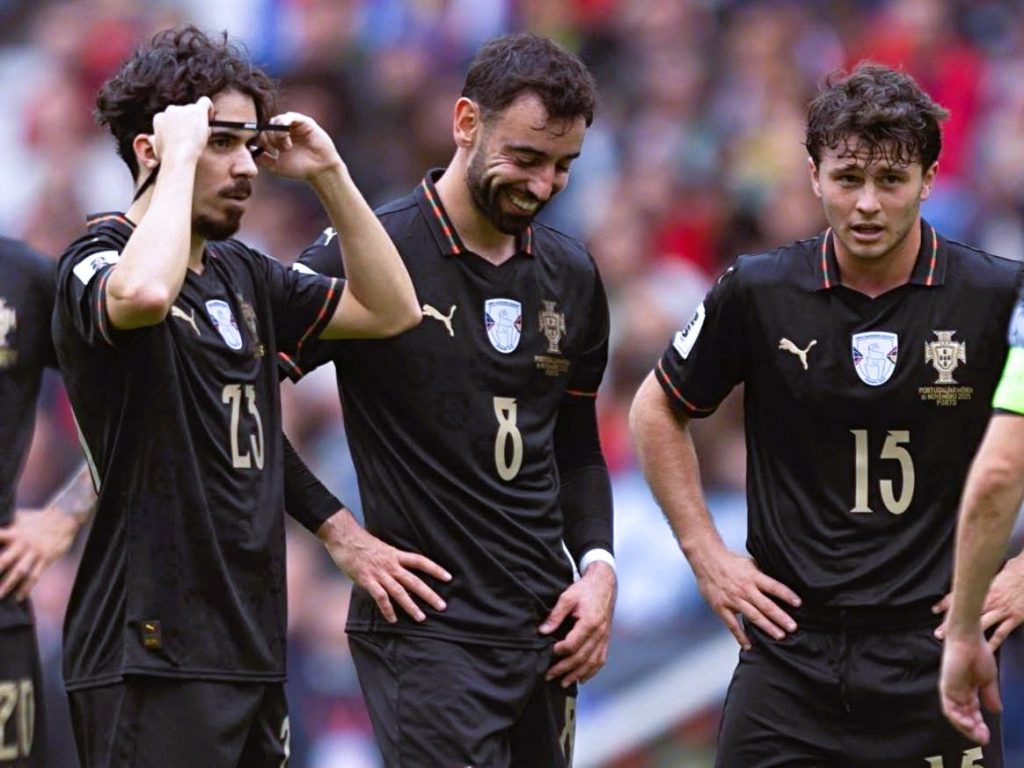
If Portugal are to reach the 2026 FIFA World Cup final at MetLife Stadium on July 19, their midfield will almost certainly be the driving force.
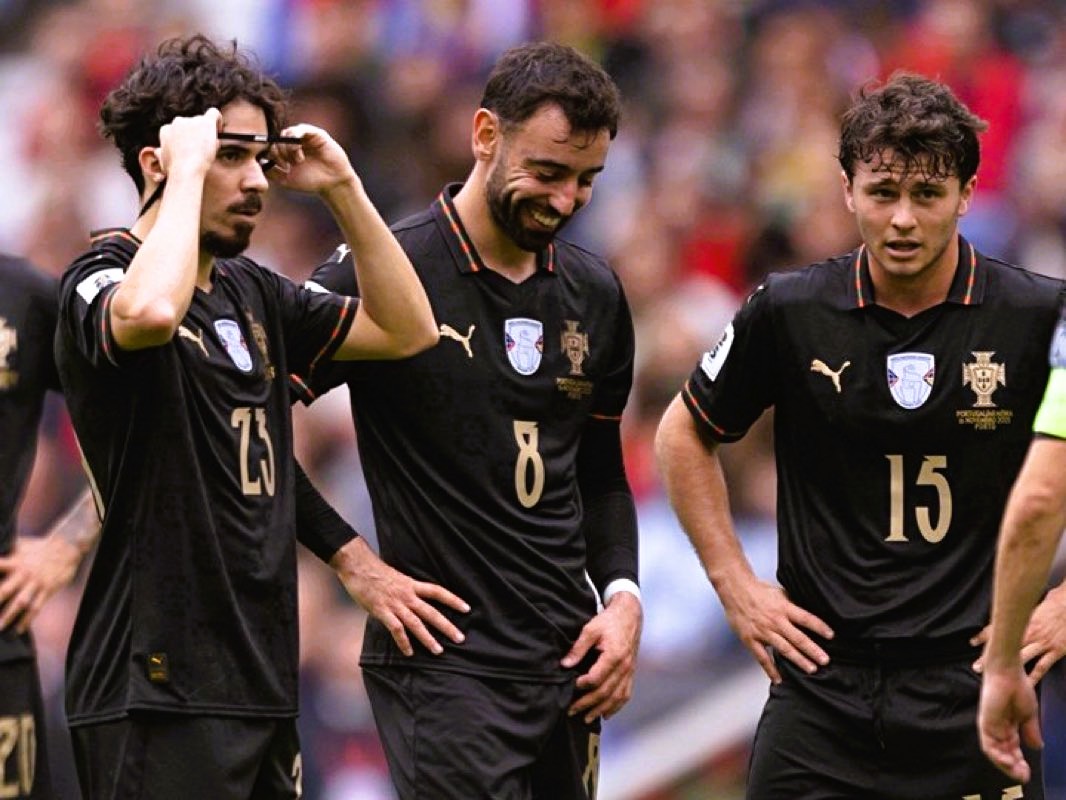
The combination of Vitinha, Bruno Fernandes, and João Neves gives Portugal arguably the most dangerous attacking midfield unit in the tournament, capable of controlling matches and deciding knockout ties.
Vitinha has graduated from exciting prospect to genuine world-class operator at PSG, functioning as both creative hub and connective tissue between the lines.
Bruno Fernandes delivers at his absolute best in high-pressure knockout environments — his goal contributions for the Selecção consistently outpace his club numbers.
João Neves, just 20, brings relentless energy and defensive intelligence that belies his age.
Bernardo Silva’s movement and pressing intensity complete a group that, on their best day, can dismantle any midfield in world football.
| Position | Player | Club | Key Attributes |
|---|---|---|---|
| Tempo Controller | Vitinha | PSG | Vision, technique, game management |
| Attacking Creator | Bruno Fernandes | Manchester United | Goals, assists, vision |
| Energetic Mid | João Neves | PSG | Interceptions, energy, passing |
| Versatile Star | Bernardo Silva | Manchester City | Dribbling, work rate, intelligence |
| Defensive Option | Rúben Neves | Al-Hilal | Positioning, long passing |
| Impact Sub | Otávio / Palhinha | Various | Pressing & physicality |
3. England – The Athletic Force
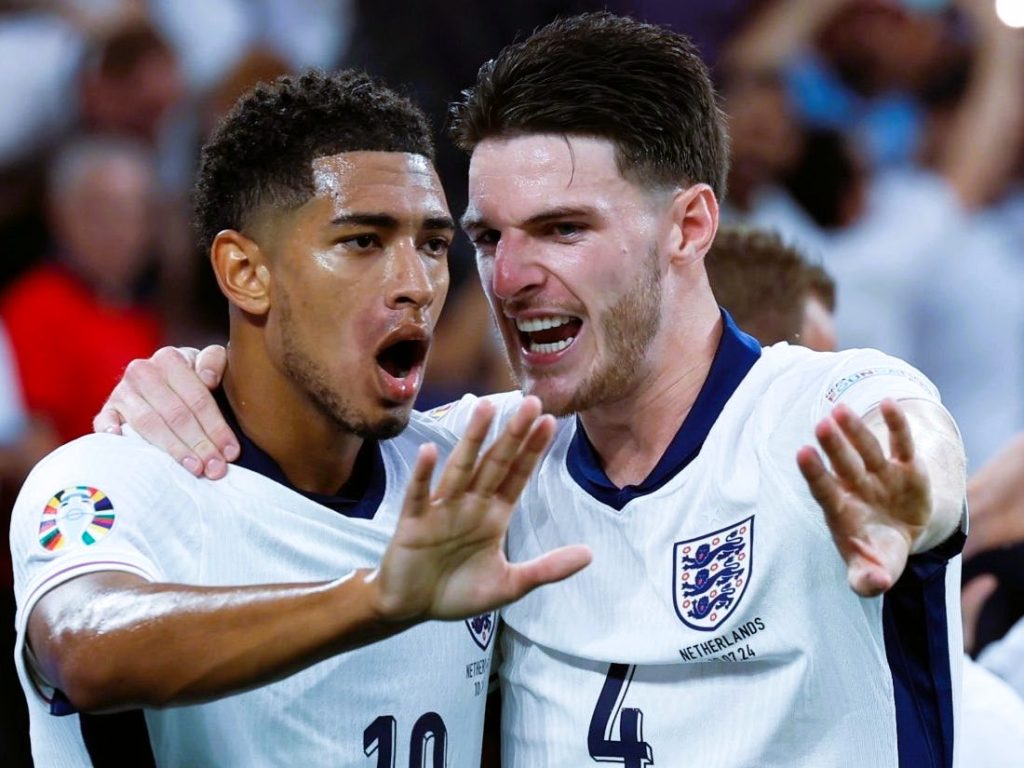
England’s midfield carries enormous individual star power and the physical capacity to overrun opponents at high intensity.
Declan Rice is the structural anchor — his ability to break up play, initiate press triggers, and drive forward makes him England’s most indispensable player.
Bellingham provides the match-winning moments: arriving late in the box, carrying the ball at pace, producing under the heaviest scrutiny.
Mainoo adds composure, Anderson brings engine and tenacity, while Eze offers the creative unpredictability England midfields have historically lacked.
The concern remains: can this unit unlock deep, disciplined defences in the knockout rounds?
| Position | Player | Club | Key Attributes |
|---|---|---|---|
| Defensive Anchor | Declan Rice | Arsenal | Tackling, positioning, leadership |
| Star Box-to-Box | Jude Bellingham | Real Madrid | Athleticism, goals, driving runs |
| Young Talent | Kobbie Mainoo | Manchester United | Composure, dribbling, balance |
| Creative Option | Eberechi Eze | Crystal Palace | Flair, dribbling, goal threat |
| Utility Mid | Elliot Anderson / Wharton | Various | Energy, progressive passing |
4. France – Athletic Monsters with Tactical Flexibility
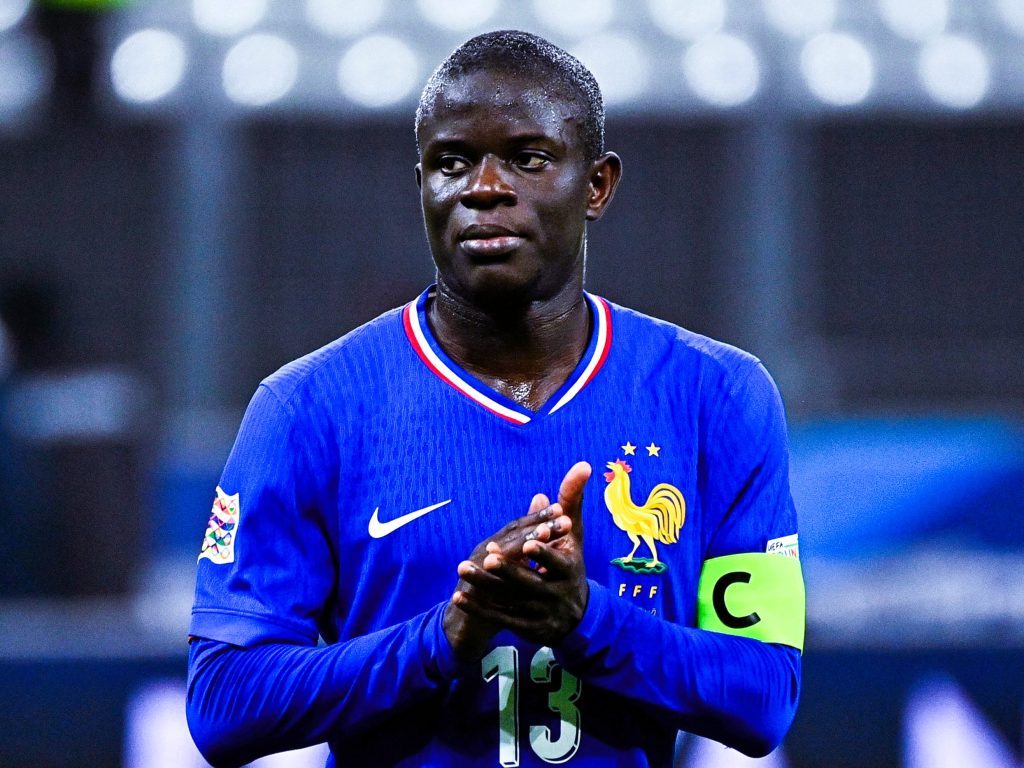
France’s midfield does not prioritise elegance — it prioritises devastation. Tchouaméni anchors the unit with the authority of a seasoned Real Madrid starter, reading play brilliantly and switching the ball with precision across the width of the pitch.
Camavinga’s explosive dynamism and Zaïre-Emery’s PSG-forged pressing intensity create a collective engine that is physically exhausting to play against.
Kanté, still capable of game-changing interventions when selected, adds legendary experience to an already formidable group.
The absence of a classic playmaker is a real limitation against deep defensive blocks, but in open, transition-heavy games, Les Bleus are terrifying.
| Position | Player | Club | Key Attributes |
|---|---|---|---|
| Defensive Anchor | Aurélien Tchouaméni | Real Madrid | Power, passing, aerial dominance |
| Box-to-Box / Energy | Warren Zaïre-Emery | PSG | Versatility, technique, dynamism |
| Experienced Leader | N’Golo Kanté | Fenerbahce | Recovery, interceptions, work rate |
| Creative / Utility | Adrien Rabiot | AC Milan | Physicality, progressive passing |
| Young Dynamic Option | Manu Koné | Roma | Energy, tackling, box-to-box |
| Impact Sub | Eduardo Camavinga | Real Madrid | Athleticism, dribbling, versatility |
5. Germany – Creativity, Technique and Huge Upside
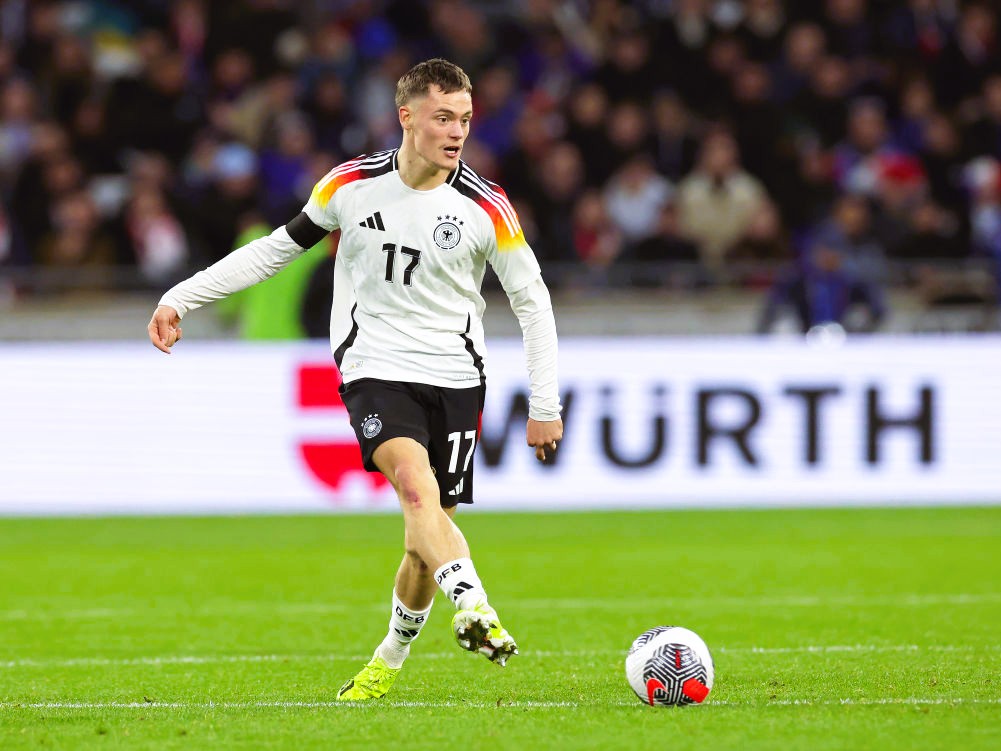
Germany’s midfield has the highest ceiling in this entire ranking. No other team in the top five carries this level of technical brilliance — two generational talents operating together in the same unit, backed by one of the most experienced midfield leaders in world football.
Jamal Musiala is the kind of player who makes football look unfair. The Bayern Munich midfielder dribbles through tight spaces at pace, shifts direction without warning, and creates scoring opportunities that simply should not exist.
At 22, he is already considered one of the best players on the planet. His only concern heading into this tournament is fitness — a serious injury earlier this year disrupted his momentum, and Germany will need him at full capacity if they are to go deep.
Florian Wirtz complements Musiala perfectly. Where Musiala is instinctive and electric, Wirtz is composed and precise.
His vision, close control, and ability to pick passes between the lines make him Germany’s creative architect.
After a strong debut season at Liverpool, he arrives with confidence and a point to prove on the biggest international stage of his career.
Behind them, Joshua Kimmich provides everything the two young stars need to thrive.
He organises, protects, and reads the game with the authority of a player who has won everything at club level.
His leadership on the pitch gives Germany a tactical maturity that purely young sides often lack.
Then there is Aleksandar Pavlović — the breakout name of this squad. The Bayern midfielder has been outstanding this season, combining defensive discipline with calm ball distribution. At just 21, he looks ready for exactly this moment.
If all four click simultaneously, Germany will be nobody’s idea of a comfortable draw.
| Position | Player | Club | Key Attributes |
|---|---|---|---|
| Creative Attacking Mid | Florian Wirtz | Liverpool | Vision, technique, goal threat |
| Dribbling Wizard | Jamal Musiala | Bayern Munich | Explosiveness, close control, versatility |
| Deep Playmaker / Captain | Joshua Kimmich | Bayern Munich | Passing range, leadership, versatility |
| Central Pivot | Aleksandar Pavlović | Bayern Munich | Physicality, progressive passing |
| Box-to-Box Option | Leon Goretzka | Bayern Munich | Energy, duels, box presence |
Just Missing Out
Argentina
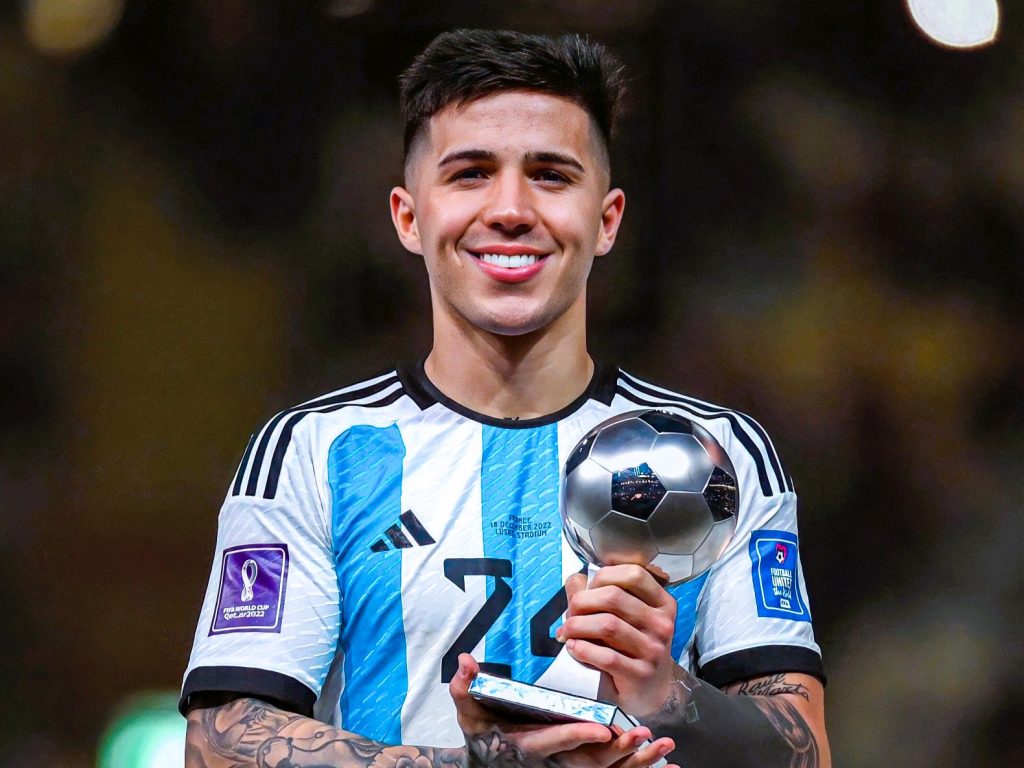
The reigning world champions‘ midfield spine is built on what won them the title in Qatar: relentless work rate, collective determination, and individual quality.
Enzo Fernández has developed into one of the best young midfielders in Europe at Chelsea. Mac Allister has been superb for Liverpool in a more disciplined central role than he plays internationally.
De Paul remains the heartbeat — the dirt-carrier who runs for three players. Their issue is that the individual quality does not quite match the top five, and without Messi operating at absolute peak, the creative burden on their midfield is heavy.
Brazil
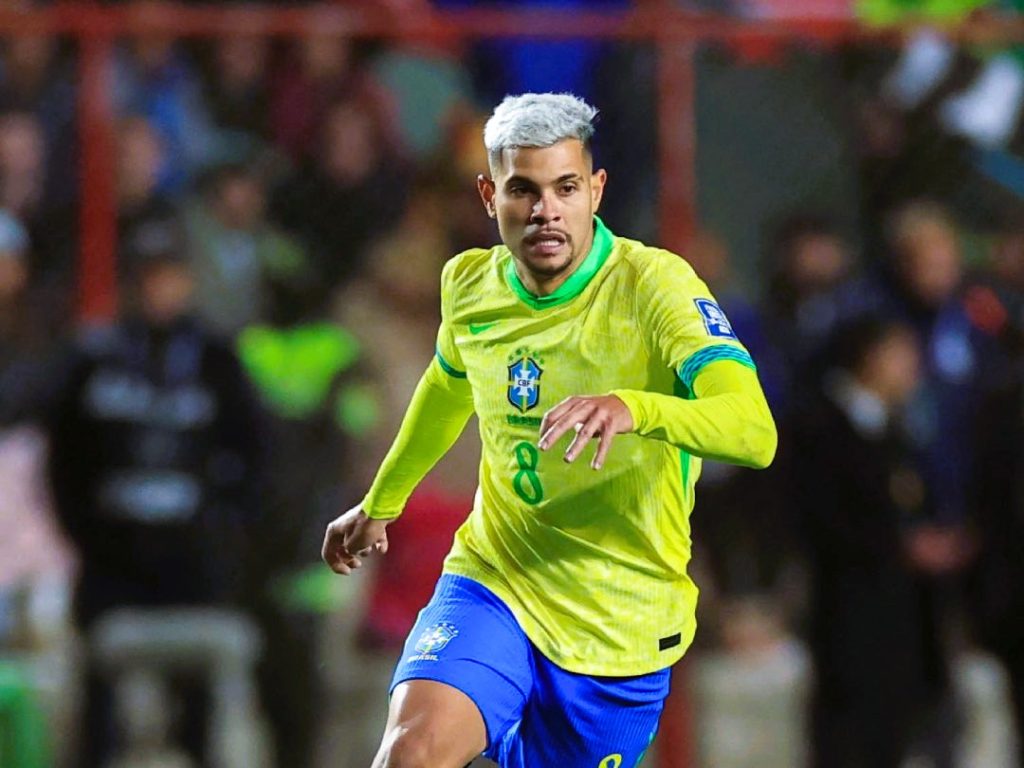
Brazilian football is in transition, but Bruno Guimarães at Newcastle has established himself as one of the Premier League’s finest midfielders, combining defensive athleticism with remarkable technical ability.
Paquetá’s creativity and Casemiro’s defensive experience give Brazil balance. The concern is collective harmony and tactical identity under their current setup — there are flashes of Brazilian brilliance but questions about cohesive structure.
Netherlands
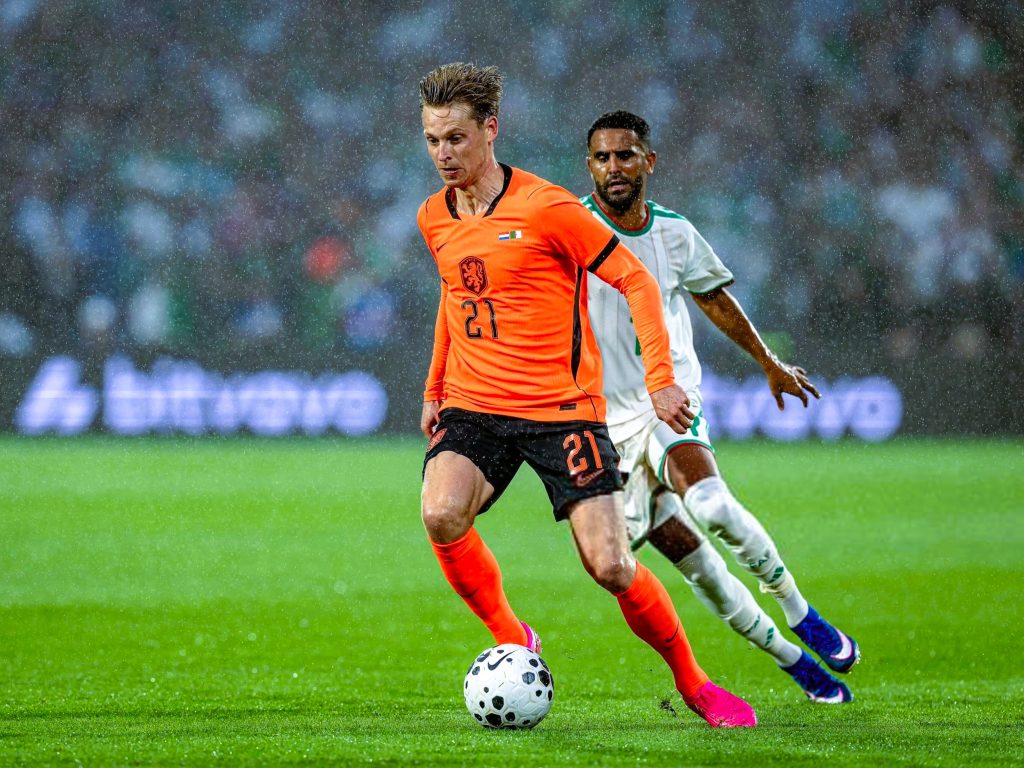
When fit and finding their best level, the Dutch possess midfield quality that threatens anyone.
Frenkie de Jong’s ability to carry the ball forward from deep is one of football’s great pleasures; Ryan Gravenberch’s development at Liverpool has turned him from an exciting prospect into a physically commanding, technically assured presence.
Their depth beyond these two, however, does not compare to the nations above them in this ranking.
Uruguay
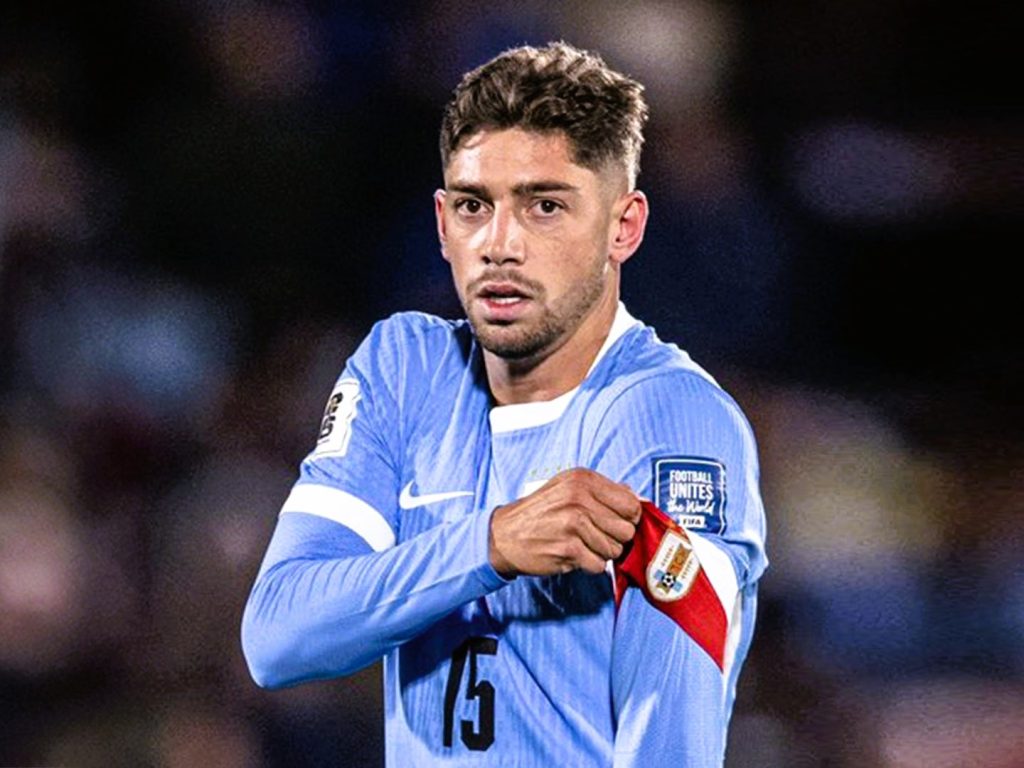
There is an argument that Valverde is the single most complete individual midfielder at this entire tournament — a player who runs further, carries harder, shoots more powerfully, and defends with greater intensity than almost anyone else.
But one extraordinary player cannot elevate Uruguay’s midfield collective into the top five. Valverde carries a burden that even his legendary stamina will struggle to sustain across a full tournament.
Why Midfield Battles Will Decide the 2026 FIFA World Cup
Possession Control
The teams that control the ball control the game’s tempo, and the game’s tempo is the surest route to controlling anxiety, managing energy expenditure over a 90-minute contest, and limiting the opposition to isolated moments of threat rather than sustained pressure.
In a seven-game World Cup, this is not a luxury — it is an operational necessity. Spain understand this more than anyone.
Press Resistance
The modern game demands that midfielders perform under immediate pressure — receiving the ball with an opponent two yards away, processing multiple options, and executing decisively.
The teams ranked highest in this analysis — Spain, Portugal, England — all possess midfielders who thrive in these moments rather than avoid them.
Teams that cannot resist pressure will be forced backward, compressed, and eventually broken.
Counter-Pressing
Winning the ball back within seconds of losing it is the hallmark of the elite pressing teams, and it requires midfield coordination rather than individual effort.
France’s unit, perhaps more than any other in this tournament, exemplifies counter-pressing as a weapon in its own right — their ability to turn the moment of losing the ball into an immediate press trap has generated goals at club level and will be deployed at international level here.
Defensive Transitions
The most dangerous moment in football is the five-to-ten seconds immediately after a team loses the ball.
A midfield that can compress space quickly, prevent the opposition from entering transition at pace, and force play back rather than allowing a direct attack is the difference between a defensively sound team and a vulnerable one.
Rodri and Rice are the tournament’s two finest individual exponents of this skill; their teams benefit accordingly.
Tactical Flexibility
The ability to operate effectively across multiple systems — to press high in one game and defend deep in the next, to play narrow or wide, to function with or without a classic number ten — is a marker of midfield intelligence.
Spain can shift from a 4-3-3 to a 4-2-3-1 without noticeably disrupting their midfield’s rhythms. That flexibility will be critical across a diverse group stage and knockout opponent pool.
Squad Rotation Across a Long Tournament
Seven games. Potentially seven weeks. The 48-team format demands that no starting eleven remains unchanged throughout, and the midfield positions — the highest-running, most physically demanding on the pitch — will require rotation across a long campaign.
Spain’s eight-deep midfield options, France’s athletic reserves, England’s strong second tier: these are not minor details. They are the tournament’s defining logistical chess game.
Top 10 Midfielders to Watch at the 2026 FIFA World Cup
Here are the Top 10 midfielders expected to shine at the 2026 FIFA World Cup, ranked by current form and tournament impact:
| Rank | Player | Country | Club | Why Watch? |
|---|---|---|---|---|
| 1 | Jude Bellingham | England | Real Madrid | Complete modern midfielder, potential tournament star |
| 2 | Vitinha | Portugal | PSG | One of the best pure midfielders in the world right now |
| 3 | Rodri | Spain | Manchester City | Heartbeat of Spain’s midfield, Ballon d’Or contender |
| 4 | Pedri | Spain | Barcelona | Creative orchestrator, fitness is key for Spain |
| 5 | Bruno Fernandes | Portugal | Manchester United | Attacking spark for Portugal’s dynamic midfield |
| 6 | Declan Rice | England | Arsenal | Perfect balance alongside Bellingham |
| 7 | Federico Valverde | Uruguay | Real Madrid | Uruguay’s midfield engine |
| 8 | Florian Wirtz | Germany | Liverpool | Germany’s exciting young talent |
| 9 | Jamal Musiala | Germany | Bayern Munich | Can unlock any defense in transitions |
| 10 | João Neves | Portugal | PSG | Rising star completing Portugal’s elite trio |
Spain vs Portugal vs England — Which Midfield Is Actually Better?
This is the biggest midfield debate heading into the 2026 FIFA World Cup. All three nations boast elite talent, but they excel in different areas: Spain in control and depth, Portugal in dynamism and creativity, and England in power and athleticism.
Head-to-Head Comparison
| Category | Spain | Portugal | England | Winner |
|---|---|---|---|---|
| Starting Trio | Rodri, Pedri, Fabián Ruiz / Merino | Vitinha, Bruno Fernandes, João Neves | Declan Rice, Jude Bellingham, Mainoo / Eze | Portugal (edge) |
| Depth | Excellent (Zubimendi, Gavi, Olmo, Baena) | Very Strong (Bernardo Silva, Rúben Neves) | Good (Anderson, Wharton, Henderson) | Spain |
| Defensive Shield | Rodri (world-class anchor) | Vitinha + Neves (high press + interceptions) | Declan Rice (rock solid) | Spain |
| Creativity / Playmaking | Pedri (vision & dribbling) | Bruno Fernandes (goals + assists) + Vitinha | Bellingham (box-to-box threat) | Portugal |
| Athleticism / Energy | High technical pressing | Dynamic & explosive | Superior physicality & duel-winning | England |
| Current Form (2026) | Strong but some fitness concerns (Pedri) | Outstanding club form across stars | Consistent & powerful | Portugal |
| Tactical Fit | Possession dominance & control | Balanced transitions & attacking output | High press + counter-attacks | Spain |
| Experience | High (recent Euros success) | High (mix of veterans & peak-age) | Growing but youngest core | Spain |
Spain’s midfield remains the gold standard for technical quality and game management.
Rodri provides unmatched stability, while Pedri acts as the creative heartbeat with elite vision and composure.
Depth is their biggest advantage — they can rotate multiple high-level options without a major drop-off.
Portugal’s midfield is generating huge buzz. The trio of Vitinha (tempo & control), Bruno Fernandes (creativity & end product), and João Neves (energy & recoveries) offers the best blend of control and attacking threat. Bernardo Silva adds world-class depth.
England brings physical dominance. Declan Rice anchors, Jude Bellingham delivers star power and box-to-box impact, with young talents like Kobbie Mainoo providing quality depth.
It’s extremely close — any of the three could dominate on their day depending on tactics, fitness, and opponent.
Potential knockout meetings between Spain, Portugal, and England could produce some of the defining midfield battles of the tournament.
Factors That Could Change These Rankings
Injuries
The most brutal variable in any tournament. Pedri’s injury history has been a persistent concern throughout his career, and any recurrence during the group stage would fundamentally alter Spain’s midfield calculus.
For England, Bellingham’s fitness — described by ESPN as a genuine concern entering the tournament — remains the single most anxious data point for Three Lions supporters.
Vitinha arriving at anything below full fitness would diminish Portugal’s creative output significantly. Tournament football can be decided in the treatment room as much as on the pitch.
Tactical Decisions
Rankings built on paper squads must always account for the possibility that managers choose formations or systems that do not maximise available talent.
If Tuchel cannot identify Bellingham’s optimal role and position, England’s midfield rating drops meaningfully regardless of individual quality.
If Nagelsmann places Musiala in a wide role that isolates him from central play, Germany’s potential is underused.
Breakout Players
Every World Cup produces a midfield name that nobody predicted would dominate. Luka Modrić barely registered before 2014. Paul Pogba was a peripheral figure until his performances in France’s 2018 campaign.
The players to watch for unexpected elevation include Germany’s Aleksandar Pavlović, whose Bayern season has been extraordinary, and England’s Elliot Anderson, who has grown into one of the most impressive young midfielders in the Premier League.
Tournament Form
A player arriving in inconsistent club form can rediscover their best levels in the environment of national football — the adrenaline, the tactical focus, the absence of the weekly Premier League grind.
Equally, a player peaking domestically can look laboured under the specific tactical demands of tournament football.
Florian Wirtz and Bellingham are the two names most likely to be affected in either direction by this variable.
Chemistry and Cohesion
International football’s fundamental limitation is that the players involved spend most of their time at clubs with different systems, rhythms, and teammates.
The nations that build midfield cohesion most effectively — through consistent selection, shared tactical language, and regular time on the pitch — gain a compound advantage that individual quality alone cannot replicate.
Spain, whose midfield unit has played together extensively at club and international level across multiple systems, benefits from a chemistry that Portugal and England, despite their talent, have not yet fully developed.
The Greatest Midfield Battle in World Cup History?
The 2026 FIFA World Cup may not produce its best midfield football in the final.
It may produce it in the group stage, in the round of 32, in a quarter-final between Spain and Portugal that nobody wants to see happen so early, but would represent a clash of the two finest midfield units the international game has produced simultaneously in a generation.
Spain enter this tournament with the strongest midfield on paper — deeper, more collectively intelligent, and built around a player in Rodri who changes the fundamental geometry of a football match.
Portugal are their closest and most dangerous challenger, armed with an attacking creativity that Spain, for all their technical brilliance, do not quite replicate.
England’s power and athleticism gives them the ability to overrun teams on their best days, while France’s transitional ferocity and Germany’s technical ceiling mean neither nation should be dismissed.
What is certain is that trophies are won in midfield. They always have been. They always will be. And this World Cup, more than any in recent memory, will be decided by the quality, depth, and collective brilliance of the teams who control those central areas.
Who do you think has the best midfield at the 2026 FIFA World Cup? Do you agree with our rankings? Share your top five in the comments below.