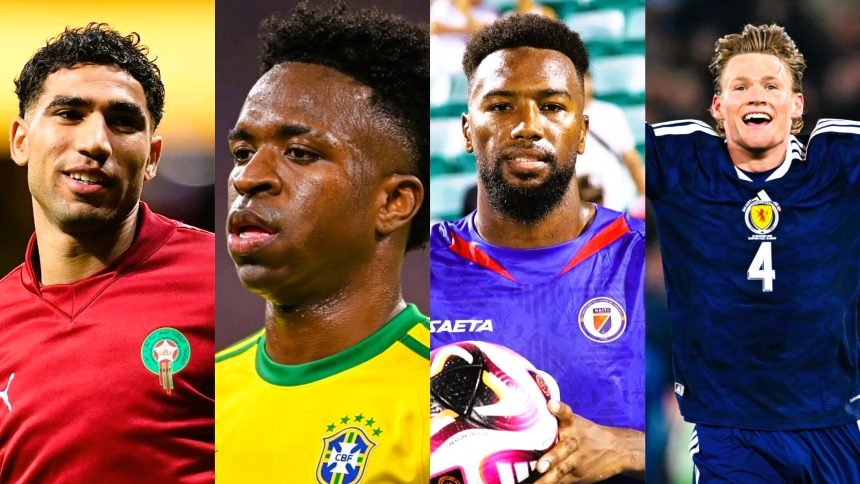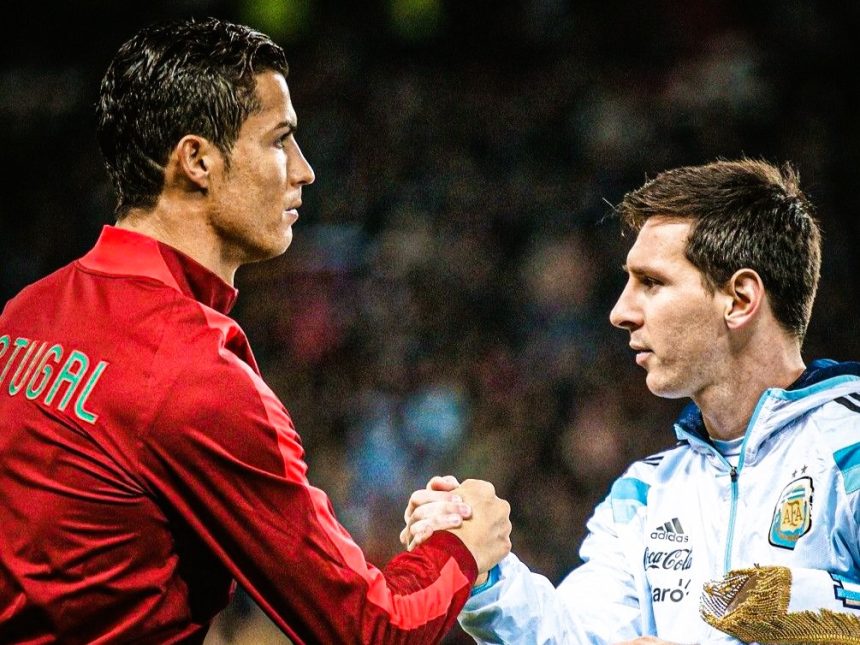









There’s a reason the greatest World Cup moments live in our minds as moments of pure, breathtaking attack.
Ronaldo’s overhead kick. Bergkamp’s touch against Argentina. Mbappé’s hat-trick in the 2022 World Cup final.
When the tournament really opens up — when the knockout pressure fuses with generational talent — it’s the teams with the most creative, clinical, and dangerous frontlines that tend to go deepest.
The 2026 FIFA World Cup, hosted across the United States, Canada, and Mexico, is the first edition of the tournament to feature an expanded 48-team format.
That means more games, more variety, and more opportunities for elite attacking talent to express itself over an elongated schedule.
But it also means more tired legs, more conservative opponents trying to frustrate the favorites, and a greater premium on frontlines that can unlock stubborn defenses through individual brilliance as much as collective fluency.
In that context, attacking depth is everything. You need a Plan B when your Plan A is neutralized.
You need pace to punish transitions, creativity to crack deep blocks, and enough goalscoring variety that no single opponent can scout and shut you down.

So which nations arrive in North America with the most potent, most dangerous, and most well-rounded attacking options?
This ranking considers six key factors: individual star power, recent goalscoring records, creativity and chance creation, squad depth, tactical flexibility, and form in international football leading into the tournament.
Spoiler: the team topping this list may not surprise you. But the reasons why they’re there — and the fine margins separating all five — absolutely should.
Ranking Criteria
Before diving in, here’s a quick breakdown of what separates the teams at the top of these rankings from those who just missed out:
- Individual star power — Does the team have match-winners capable of producing something from nothing?
- Goalscoring record — How consistently have these nations found the net in qualification and recent internationals?
- Creativity and chance creation — Can they manufacture openings against elite opponents, not just smaller nations?
- Squad depth — Is the attacking quality spread across a squad, or is it reliant on one player staying fit?
- Tactical flexibility — Can they attack in multiple ways? Counter-press, build-up, transition, set pieces?
- Recent international performances — Form matters. Hot streaks count. Recent performances inform likely performance in North America.
With that in mind, let’s count down.
Top 5 Strongest Attacks at the 2026 FIFA World Cup
5. Portugal — The Deepest Attacking Pool in Europe
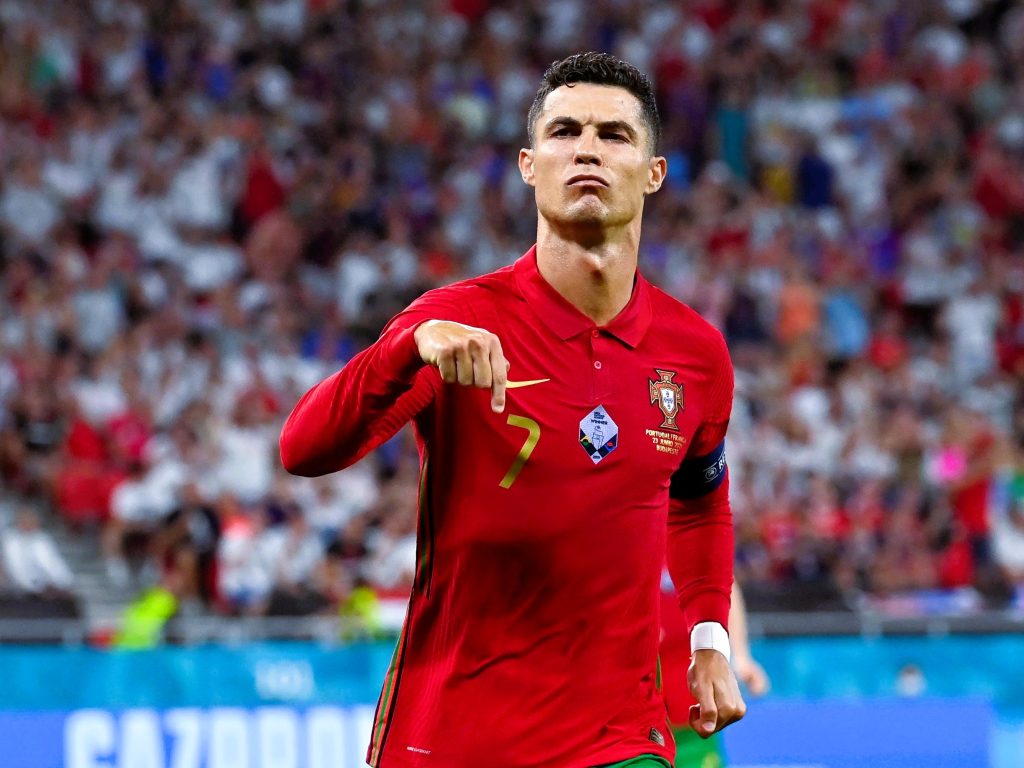
Ask any international scout to name the country with the widest variety of attacking options in its player pool, and Portugal is almost always the answer.
The irony is that having so many brilliant attackers has occasionally worked against them — too many egos, not enough clarity about who should actually start.
But heading into the 2026 World Cup, Portugal’s attacking department is genuinely staggering.
Cristiano Ronaldo remains the squad’s totem at 41 — still finding the net in Saudi Arabia and carrying the emotional weight of a nation hungry for its first world title. His role has evolved.
He’s no longer the relentless, physically-dominant wide forward of his prime. At this World Cup, he functions more as a penalty-box presence, a set-piece threat, and a mentality anchor. The goals still come. The influence is still real.
But the future belongs to the generation beneath him. Gonçalo Ramos is one of Europe’s most dangerous center-forwards: physical, clinical, two-footed, and still just entering his prime.
Paired with João Félix — when the latter is in the kind of form that made him a €126m teenager — Portugal have a striker and creative No. 10 combination that rivals anything in the tournament.
Then there’s the depth. Rafael Leão brings the kind of electric pace and dribbling ability on the left that few fullbacks in the world can comfortably handle.
Pedro Neto offers craft and directness on the opposite flank. Francisco Conceição is a direct, explosive winger in the prime of his career.
Trincão has matured into a trustworthy, technically excellent option. Gonçalo Guedes provides experienced versatility.
Threading it all together is Bruno Fernandes — a midfielder by position but an attacking force by nature, capable of producing assists, long-range goals, and creative passes that no one else in the squad can replicate.
Portugal’s attacking depth is unmatched, and their blend of experience and emerging talent makes them one of the most dangerous teams in the tournament.
They rank fifth only because the teams above them combine elite talent with slightly greater attacking cohesion and consistency.
Strongest Portuguese Attackers
| Player | Position | Club |
|---|---|---|
| Cristiano Ronaldo | ST / FW | Al-Nassr |
| Rafael Leão | LW / ST | AC Milan |
| João Félix | ST / AM / SS | Al-Nassr |
| Gonçalo Ramos | ST | PSG |
| Pedro Neto | RW / LW | Chelsea |
| Francisco Conceição | RW / LW | Juventus |
| Francisco Trincão | RW / AM / LW | Sporting CP |
| Gonçalo Guedes | LW / RW / ST | Real Sociedad |
4. England — Balanced, Deep, and Finally Dangerous
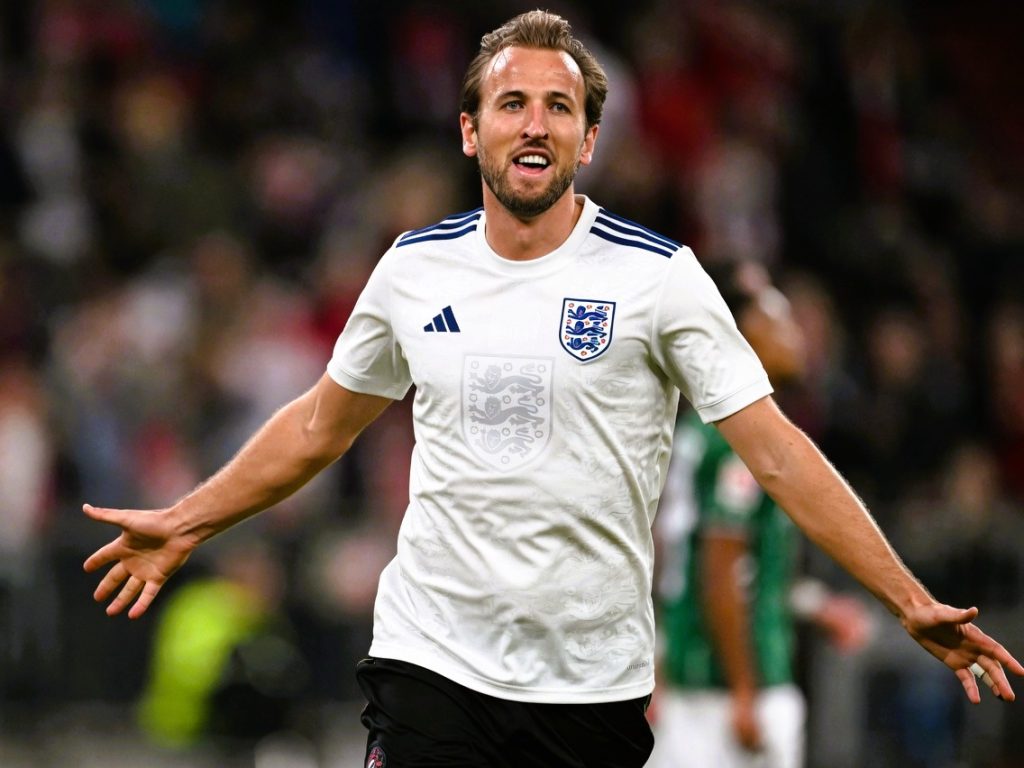
There was a time — not so long ago — when England’s attack was essentially Harry Kane and whoever the Football Association could persuade to play wide.
That time has passed. One of the deepest attacking groups England have taken into a major tournament in decades.
Harry Kane remains the cornerstone. The Bayern Munich striker is one of the most complete center-forwards in world football, a player whose movement, hold-up play, and technical finishing are consistently elite.
He will captain England for the third time at a World Cup, matching Billy Wright’s record.
Kane’s ability to drop into deeper positions and involve teammates makes him far more than a penalty-box striker. Around him, Tuchel has assembled an attack with real variety.
Bukayo Saka — operating from Arsenal this season — is arguably England’s most important attacking player: intelligent, direct, relentless in his pressing, and capable of getting both feet involved to create and score. His two-footedness makes him enormously difficult to contain.
On the other flank, Anthony Gordon and Marcus Rashford both offer something different.
Gordon is tireless and aggressive, and has emerged as a serious threat at both club and international level.
Rashford, rejuvenated during his loan spell at Barcelona, brings pace, directness, and that unpredictable quality that only the very best wingers possess.
Noni Madueke — who finished the season with Arsenal — is an explosive wide threat who loves one-on-one situations.
Jude Bellingham blurs the line between midfielder and attacker with such elegance that he can operate as a de facto No. 10, finding pockets of space behind the opposition’s midfield and producing moments of genuine world-class quality.
Up front, the striker options provide important backup to Kane. Ollie Watkins brings relentless movement and pressing intensity, while Ivan Toney — recalled despite limited game time under Tuchel — offers a physical, powerful alternative who can hold the ball in congested spaces.
A strong, balanced, and deeply competitive frontline. England’s attack has the quality to trouble anyone. Whether the creativity and composure are there at the critical moments remains the defining question. That’s why they sit fourth.
| Player | Position | Club |
|---|---|---|
| Harry Kane | ST | Bayern Munich |
| Bukayo Saka | RW | Arsenal |
| Marcus Rashford | LW / ST | Barcelona |
| Ollie Watkins | ST | Aston Villa |
| Anthony Gordon | LW / RW | Newcastle United |
| Noni Madueke | RW | Arsenal |
| Ivan Toney | ST | Al-Ahli |
| Jarrod Bowen | RW / ST | West Ham United |
3. Brazil — Flair, Firepower, and the Neymar Question
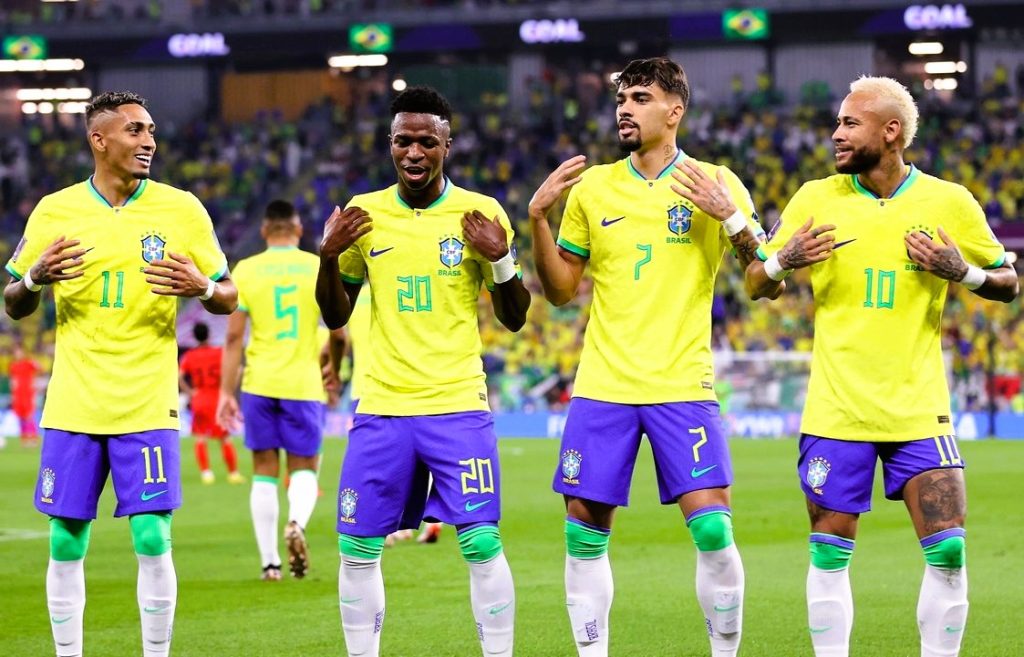
Brazil at a World Cup is never just about football. It’s about expectation, identity, and the weight of a nation that has not lifted the trophy since 2002.
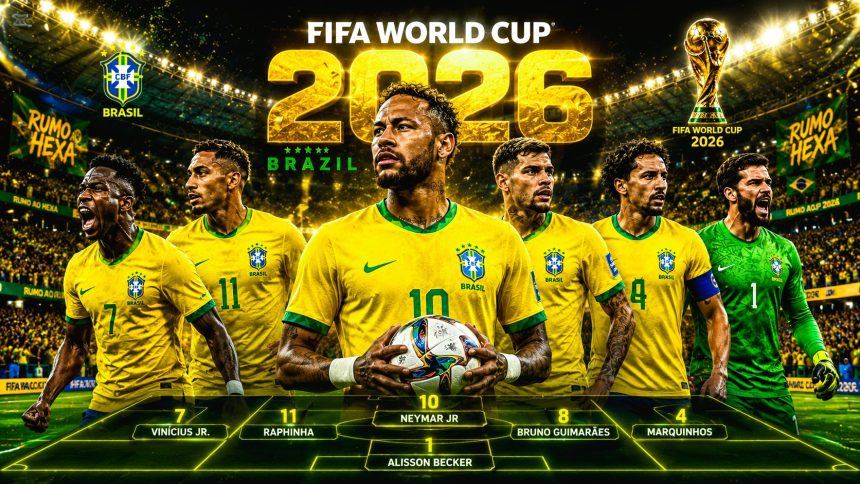
The most successful nation in World Cup history, Brazil will be hoping that the likes of Vinícius Júnior and Raphinha will be able to make more history in North America.
Carlo Ancelotti — the most decorated club manager in football history — has been handed the keys to this generation, and the Seleção he brings to 2026 is, in purely offensive terms, genuinely remarkable.
Vinícius Júnior is the undisputed headline act. The Real Madrid forward has spent the past two seasons performing at a level that only the most demanding critics could find fault with.
Electric pace, magnetic dribbling, clinical finishing when in the mood — he is one of the two or three most frightening attackers on the planet when things click for him.
Raphinha has evolved from a solid wide player into a truly elite one. His Barcelona form has been extraordinary and he brings a relentless pressing intensity alongside his chance creation and goalscoring output.
Gabriel Martinelli offers something similar from the left — direct, hardworking, and with a nose for the big moment.
Matheus Cunha is possibly the most unpredictable player in the squad: a forward who can play wide, centrally, or as a second striker, with the kind of technical quality and temperament that feels made for the biggest stage.
His form at Manchester United has been sensational.
Then there is the generational brilliance of Endrick — still only 18 and operating at Lyon, but with the aura of a player who will define Brazilian football for the next decade.
Luiz Henrique, Rayan, and Igor Thiago provide depth that means Brazil are never reliant on any single individual.
And then there is Neymar Júnior.
Back at Santos after years of injury and instability in Saudi Arabia, Neymar’s inclusion is among the most talked-about stories of the entire tournament build-up.
When fit and motivated, there is still no more naturally gifted footballer on the planet. He can do things that simply have no name.
But the questions around his fitness, his form over a full tournament, and whether this version of Neymar resembles the one who dazzled at 2014 or the frustrated, injured player who limped through 2018 and Qatar are legitimate ones. Ancelotti will want to use him wisely.
| Player | Position | Club |
|---|---|---|
| Endrick | FW | Lyon |
| Gabriel Martinelli | FW | Arsenal |
| Igor Thiago | FW | Brentford |
| Luiz Henrique | FW | Zenit |
| Matheus Cunha | FW | Manchester United |
| Neymar Jr | FW | Santos |
| Raphinha | FW | Barcelona |
| Rayan | FW | Bournemouth |
| Vinicius Junior | FW | Real Madrid |
2. France — The Most Feared Attack in International Football
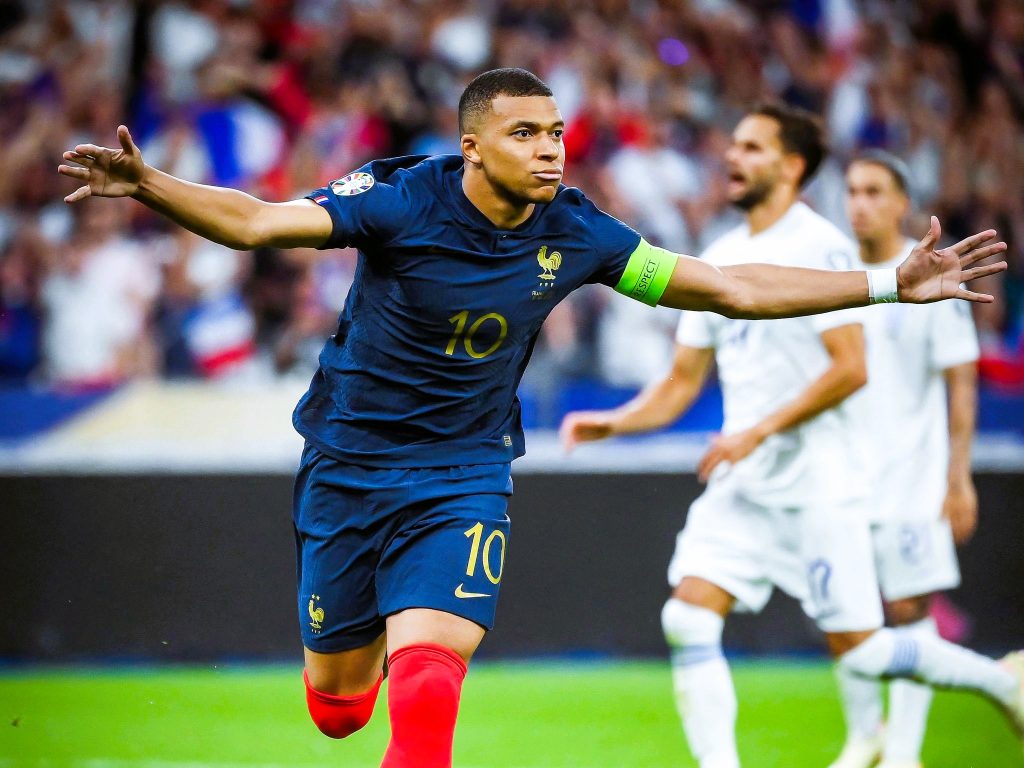
If you were forced to name the single most dangerous attacking frontline heading into this World Cup on raw paper quality, most objective observers would point at France before anyone else.
Kylian Mbappé arrives at his third World Cup as arguably the planet’s best player, having scored 41 goals across all competitions for Real Madrid this season and carrying 56 international goals in 96 caps.
But Mbappé is only the beginning of what France bring.
The depth of French forward talent is almost embarrassing. Ousmane Dembélé — direct, chaotic in the best possible sense, and now a genuine top-five winger in the world — provides the kind of unpredictability on the right flank that defensive coaches genuinely dread.
His improvement under Luis Enrique at PSG has been dramatic: more consistent, more decisive, still thrillingly dangerous.
Bradley Barcola has emerged from the Ligue 1 shadows to establish himself as one of Europe’s most exciting young wide players.
His pace and directness from the left is extraordinary, and his chemistry with Mbappé at PSG gives France a natural understanding that few international sides can replicate.
Rayan Cherki — now at Manchester City — brings technical quality, creativity, and a fearlessness in the big moments that marks him as a generational talent.
Désiré Doué has been one of the revelations of French football and brings a different kind of unpredictability.
Michael Olise at Bayern Munich is versatile, technically brilliant, and capable of operating across the entire front three.
Marcus Thuram provides the physical focal point through the middle, with a work rate and aerial presence that gives France a completely different attacking dimension.
Maghnes Akliouche is a creative, technically excellent alternative. Jean-Philippe Mateta — Crystal Palace’s consistent performer — offers a proven Premier League scorer as depth.
| Player | Position | Club |
|---|---|---|
| Maghnes Akliouche | FW / AM | Monaco |
| Bradley Barcola | FW / Winger | Paris Saint-Germain |
| Rayan Cherki | AM / FW | Manchester City |
| Ousmane Dembélé | Winger | Paris Saint-Germain |
| Désiré Doué | FW / Winger | Paris Saint-Germain |
| Kylian Mbappé | FW / ST | Real Madrid |
| Jean-Philippe Mateta | ST | Crystal Palace |
| Michael Olise | Winger / AM | Bayern Munich |
| Marcus Thuram | FW / ST |
1. Spain — The Complete Attacking Machine
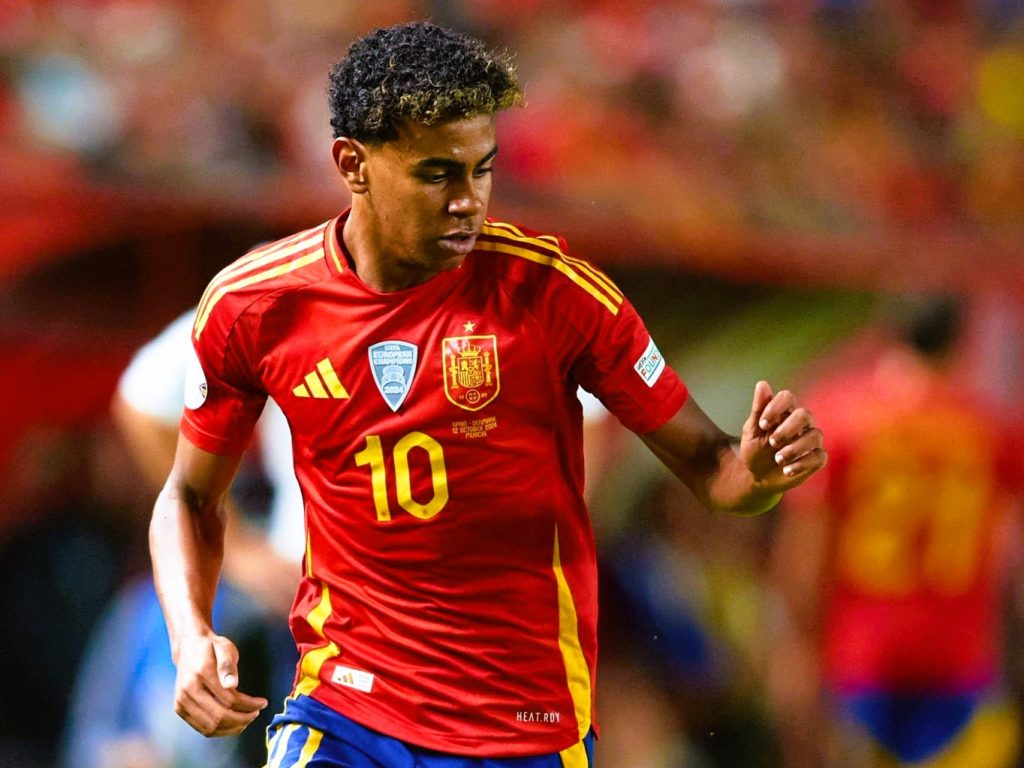
France may possess the most explosive individual attacker in Mbappé, but Spain’s combination of Yamal, Williams, Olmo, Torres and Oyarzabal offers a more balanced and less predictable attacking unit.
Since winning Euro 2024, Spain have continued to develop a style similar to the dominant tiki-taka teams of 2008-2012 under Luis de la Fuente.
A more direct edge, more pace, and a new generation of talent that is arguably more individually gifted than anything that era produced.
Lamine Yamal is, at 18 years old, the most talked-about teenager in world football — and the conversation is completely justified.
Yamal had a standout tournament at Euro 2024, becoming the youngest player in tournament history, and has continued to grow at a remarkable rate.
His ability to cut inside from the right, combine in tight spaces, and deliver decisive moments under pressure marks him as a genuine once-in-a-generation talent.
Golden Boot contenders will have to get past him first.
Nico Williams on the left flank is perhaps Spain’s most dangerous attacking weapon in terms of pure pace and directness.
His low, explosive drives into the box are an absolute nightmare for fullbacks, and the combination he builds with Yamal was the defining visual of Spain’s Euro 2024 triumph.
Dani Olmo is the connective tissue — a central attacker with the intelligence of a midfielder, capable of pressing relentlessly, playing in tight spaces, receiving between the lines, and contributing decisive goals. He is arguably the most versatile attacker in Spain’s setup.
Ferran Torres brings experience and the ability to play across the entire forward line.
Mikel Oyarzabal is a clever, technically excellent finisher who can provide a completely different dimension when needed.
Yéremy Pino — now operating for Crystal Palace after a strong La Liga career — offers directness and an ability to take on defenders from wide areas.
Borja Iglesias provides a physical, experienced option through the middle. Víctor Muñoz at Osasuna offers further depth.
| Player | Position | Club |
|---|---|---|
| Lamine Yamal | RW / AM | FC Barcelona |
| Nico Williams | LW / RW | Athletic Club |
| Mikel Oyarzabal | ST / LW | Real Sociedad |
| Ferran Torres | ST / RW / LW | FC Barcelona |
| Dani Olmo | AM / LW / RW | FC Barcelona |
| Yéremy Pino | RW / LW / AM | Crystal Palace |
| Borja Iglesias | ST | Celta Vigo |
Honorable Mentions
Argentina — The Defending Champions
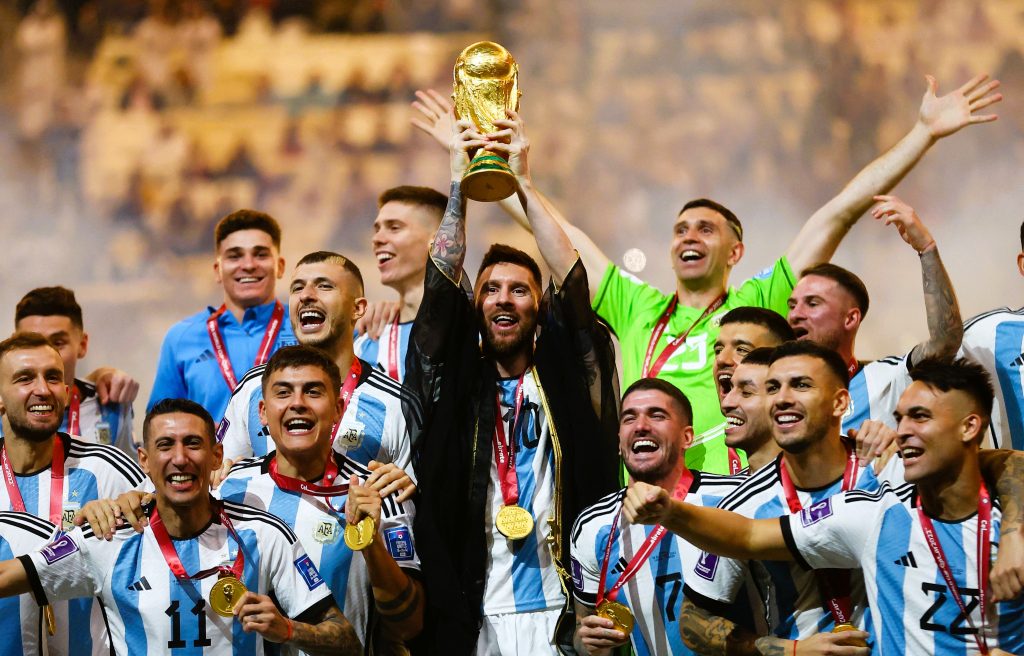
Argentina arrive in North America as the defending champions, with Lionel Messi headlining the squad in his record-breaking sixth tournament appearance. With more World Cup appearances than any male player, captain Messi is set for a record sixth tournament.
At 38, Messi’s role at Inter Miami differs from his international peak, but La Albiceleste’s forward options remain formidable.
Julián Álvarez — four goals in Qatar — is one of the most dynamic and complete forwards in world football at Atlético Madrid. Lautaro Martínez brings physical presence and Inter Milan-caliber finishing.
Nicolás González, Thiago Almada, and Giuliano Simeone provide pace and dynamism in wider areas.
Nico Paz — the Como playmaker — has become one of Argentine football’s most exciting emerging stories. José Manuel López rounds out a squad with impressive depth.
Argentina narrowly miss the top five because their attack is less varied tactically than the five teams above, and Messi’s fitness at this stage of his career introduces a genuine uncertainty that cannot be ignored.
But do not rule them out. These are the world champions, and they have Messi.
Germany — The Dark Horses
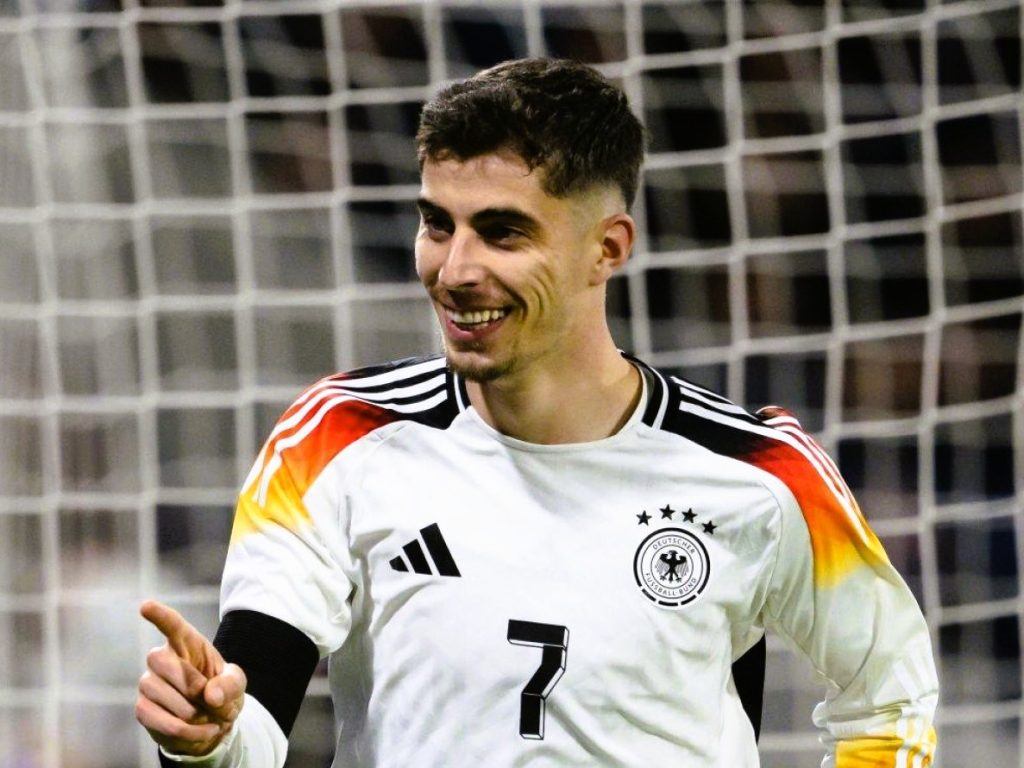
Germany’s attack has been quietly one of the most exciting stories of the past 18 months.
Jamal Musiala has been getting better and better, and even at 95 per cent, he is one of the outstanding players in world football.
Musiala and Florian Wirtz dovetail well together in the final third, with both exceptional at breaking through deep-lying defences.
Wirtz — now at Liverpool after a landmark move from Leverkusen — adds craft, vision, and precision to everything Germany do offensively.
Kai Havertz has rediscovered his best form at Arsenal and provides goals and link-up play through the middle.
Maximilian Beier brings pace and directness from wider positions. Nick Woltemade at Newcastle United has been a revelation.
Leroy Sané provides experience and unpredictability from wide, while Deniz Undav and Lennart Karl add further options.
Germany narrowly miss the top five because their overall squad balance — and the sense that their attack depends on Musiala and Wirtz both finding their best form simultaneously — introduces a fragility that the five teams ranked above them don’t share. But Julian Nagelsmann’s side could cause serious problems for anyone.
Fine Margins at the Top
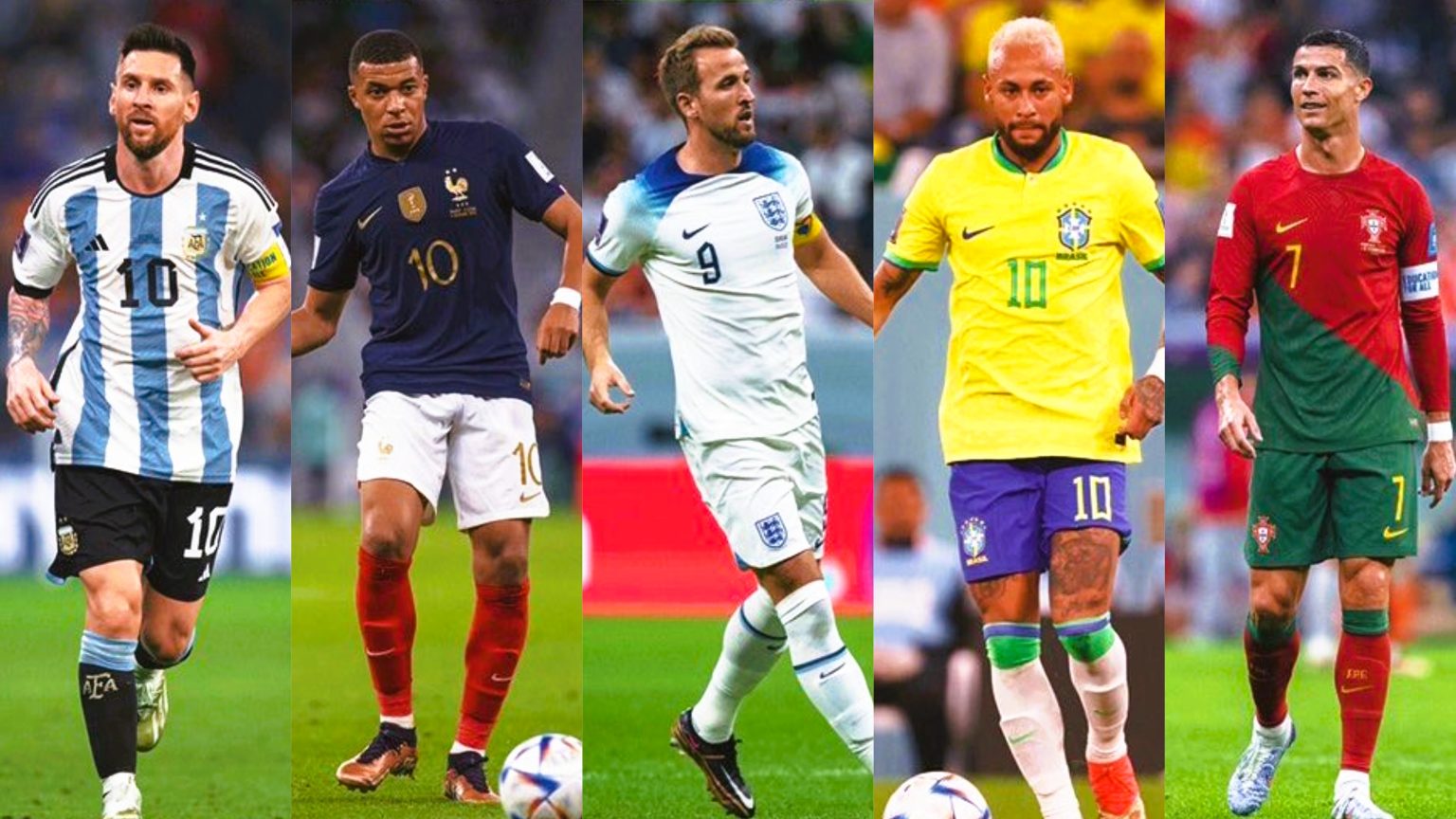
In the end, separating these five — Portugal, England, Brazil, France, and Spain — is an exercise in fine margins.
Any of them, on their best day, can take apart any opponent on the planet. Any of them, on a bad day, can fall short in the manner their countries know too well.
What the 2026 FIFA World Cup will reveal is which attacking units can reproduce their best, not just in the group stage glamour games, but in the sweltering humidity of second-round knockouts, the nerves of quarterfinals, and the suffocating pressure of semifinals.
That’s where attacks are truly tested. Not against a weak opponent in a group game, but against organized, desperate teams who’ve prepared for weeks specifically to shut you down.
Spain’s system offers the most reliable path through those stages. France’s individuals offer the most explosive ceiling.
Brazil’s flair offers the most electrifying possibilities. England’s balance offers solidity. Portugal’s depth offers options.
But where do you think the most dangerous frontline in world football is heading into July 2026? Is Mbappé’s France genuinely better than Yamal’s Spain? Can Vinícius and Neymar together recapture the Seleção’s golden standard? Does Kane lead England further than any England side since 1966?
The answers are coming. The 2026 FIFA World Cup starts June 11. Make your case.