








Winning the FIFA World Cup is the biggest dream in football. Most players spend their entire careers chasing this trophy. Some never get the chance. But a few special players did something almost unbelievable — they won the World Cup while still teenagers or very young adults.
These are not just players who were sitting on the bench. These young champions played on the biggest stage in world football and delivered when it mattered most.
Some scored in the finals. Some stopped the best attackers in the world. Some simply played without fear — the kind of freedom that takes older players years to find.
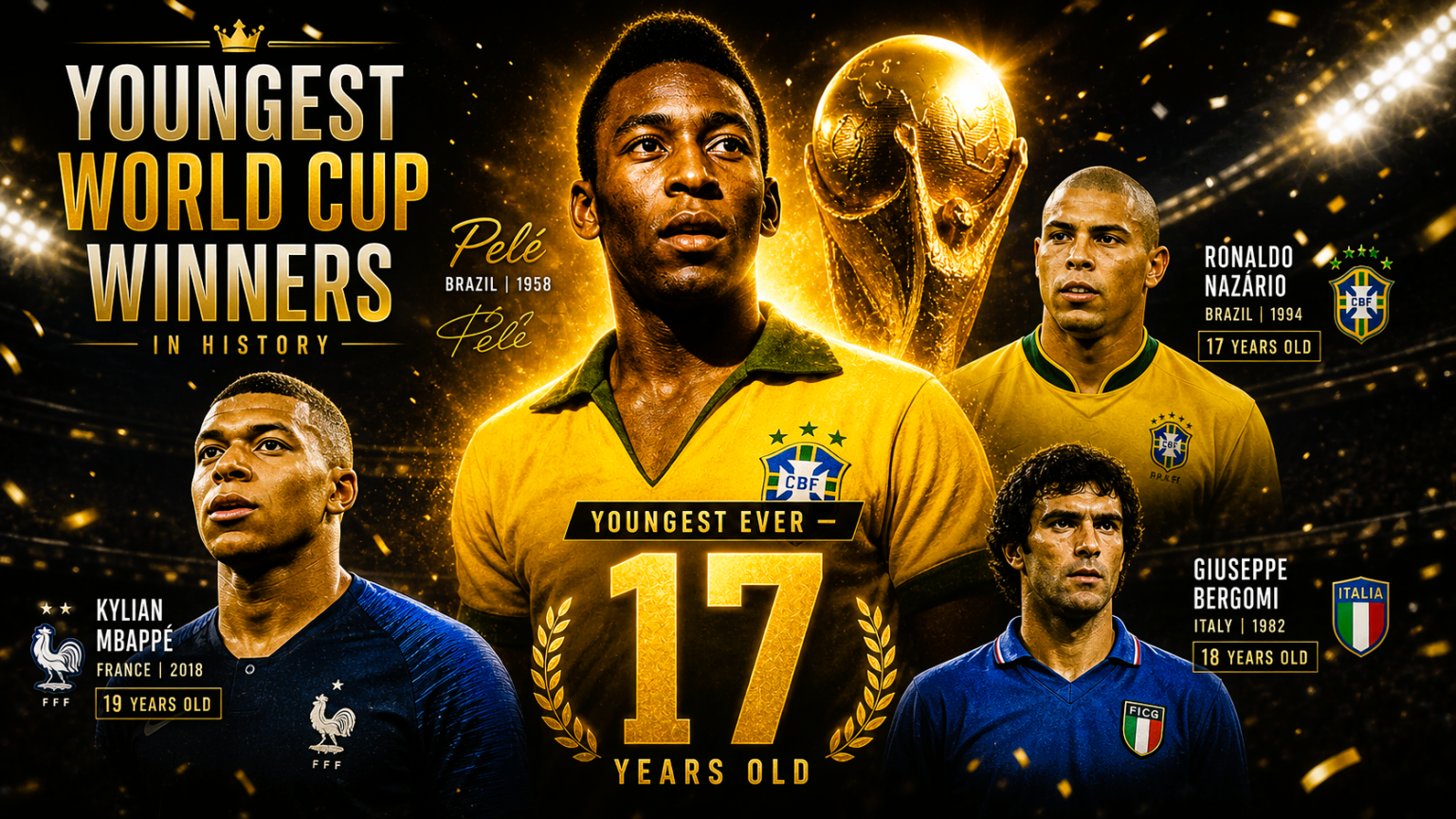
The record was set on 29 June 1958. A 17-year-old Brazilian boy named Pelé scored twice in the World Cup final and changed football forever. His record — 17 years and 249 days — still stands today, more than 66 years later.
Can this record ever be broken? Let’s find out.
Who Is the Youngest FIFA World Cup Winner Ever?
The youngest FIFA World Cup winner ever is Pelé (Brazil).
He won the 1958 World Cup at just 17 years and 249 days old on 29 June 1958 in Solna, Sweden. Brazil beat Sweden 5–2 in the final — and Pelé scored twice in that match.
This is an officially verified Guinness World Record. No player in the history of football has won the World Cup at a younger age.

The closest anyone has come is Ronaldo Nazário, who was also 17 when he was part of Brazil’s 1994 World Cup-winning squad — but Ronaldo did not play a single minute in that tournament.
Top 20 Youngest FIFA World Cup Winners — Full List with Ages
Here is the complete updated ranked list of the youngest players ever to win the FIFA World Cup, with exact ages:
| Rank | Player | Country | Year | Exact Age |
| 1st | Pelé | Brazil | 1958 | 17 years, 249 days |
| 2nd | Ronaldo Nazário | Brazil | 1994 | 17 years, 298 days |
| 3rd | Giuseppe Bergomi | Italy | 1982 | 18 years, 174 days |
| 4th | Coutinho | Brazil | 1962 | 19 years, 6 days |
| 5th | Marco Antonio | Brazil | 1970 | 19 years, 135 days |
| 6th | Kylian Mbappé | France | 2018 | 19 years, 207 days |
| 7th | Mazzola (José Altafini) | Brazil | 1958 | 19 years, 309 days |
| 8th | Rubén Morán | Uruguay | 1950 | 19 years, 344 days |
| 9th | Felice Borel | Italy | 1934 | 20 years, 66 days |
| 10th | Kaká | Brazil | 2002 | 20 years, 69 days |
| 11th | Matthias Ginter | Germany | 2014 | 20 years, 175 days |
| 12th | Luis Islas | Argentina | 1986 | 20 years, 189 days |
| 13th | Clodoaldo | Brazil | 1970 | 20 years, 268 days |
| 14th | David Trezeguet | France | 1998 | 20 years, 270 days |
| 15th | Julian Draxler | Germany | 2014 | 20 years, 296 days |
| 16th | Edu | Brazil | 2002 | 20 years, 319 days |
| 17th | Thierry Henry | France | 1998 | 20 years, 329 days |
| 18th | Uli Biesinger | West Germany | 1954 | 20 years, 332 days |
| 19th | Leão | Brazil | 1970 | 20 years, 345 days |
| 20th | Paulo César Caju | Brazil | 1970 | 21 years, 5 days |
The Young Champions — Player Profiles
1. Pelé — Brazil, 1958 — Age 17
Tournament stats: 6 goals | 2 goals in the final | Brazil won 5–2 vs Sweden
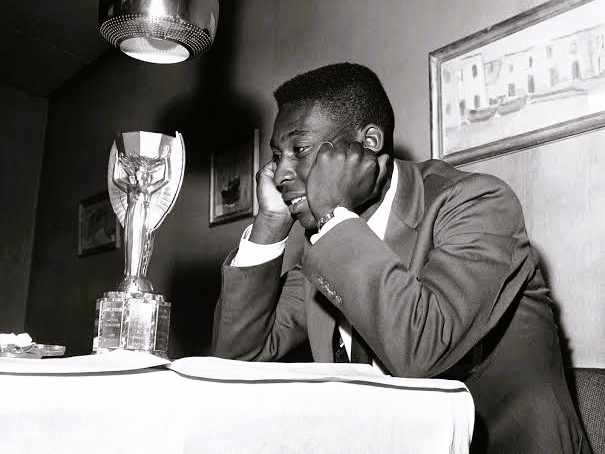
Pelé grew up in poverty in Brazil. He started playing for Santos Football Club at just 15 years old and joined the Brazilian national team at 16. When Brazil travelled to Sweden for the 1958 World Cup, very few people outside South America knew his name.
That changed fast.
In the knockout rounds, Pelé scored a hat-trick against France. Then came the final against Sweden on 29 June 1958. Pelé scored two stunning goals. First, he controlled the ball on his chest and volleyed it into the net. Then he added a calm header. Brazil won 5–2. Pelé dropped to his knees and wept.
He was 17 years old.
What makes Pelé different from every other young World Cup winner is not just his age — it is what he actually did. He did not just take part. He was one of the main reasons Brazil won. He scored 6 goals in the tournament. His movement, his finishing, his composure — all extraordinary for a teenager.
Pelé went on to win three World Cups in total — 1958, 1962, and 1970. He is the only player in history to do that. According to Guinness World Records, he remains the youngest winner of the FIFA World Cup ever.
2. Ronaldo Nazário — Brazil, 1994 — Age 17
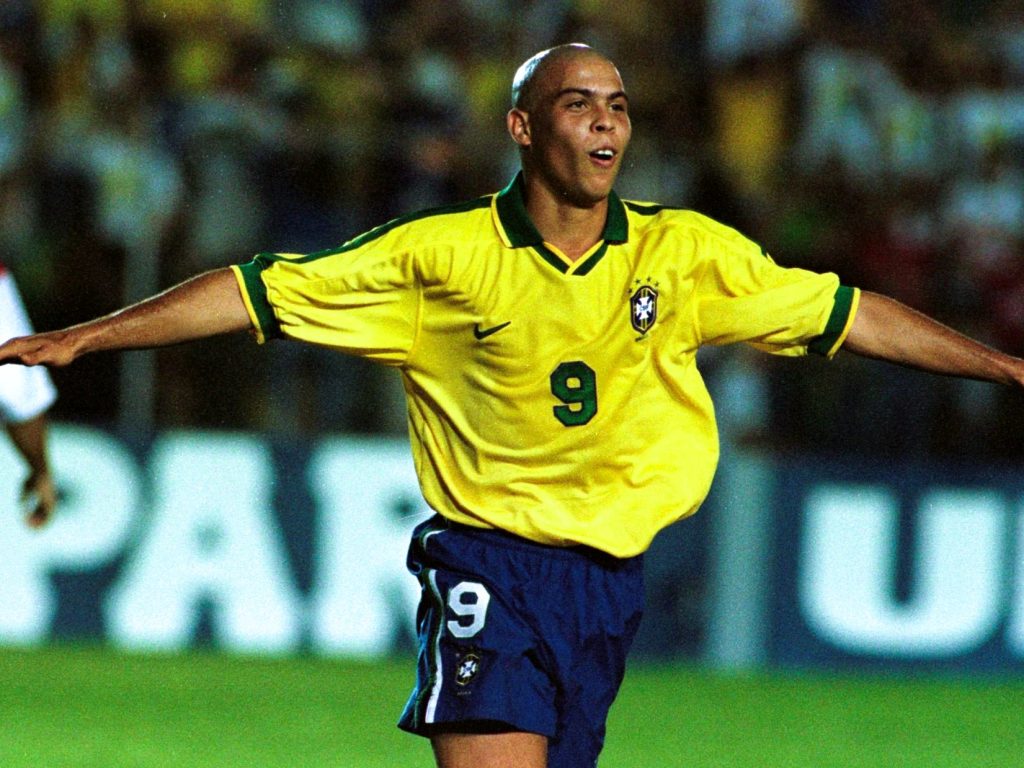
Tournament stats: 0 minutes played | Squad member only
Ronaldo Nazário — known as “El Fenômeno” — is one of the greatest footballers who ever lived. But in 1994, when he won the World Cup, he was just a raw 17-year-old sitting on the bench.
Brazil beat Italy on penalties in the final. Ronaldo did not play a single minute. But he was there. He watched, learned, and soaked up everything — the pressure, the tactics, the psychology of a World Cup campaign.
That experience shaped him. Four years later in France 1998, Ronaldo was the best player in the world. And in 2002, he won the World Cup again as Brazil’s top striker — scoring twice in the final against Germany.
His career was repeatedly threatened by serious knee injuries that would have ended most careers permanently. The fact that he came back every time speaks to a competitive spirit as remarkable as his talent.
3. Giuseppe Bergomi — Italy, 1982 — Age 18
Tournament stats: 7 appearances | Started the final | Italy won 3–1 vs West Germany
Giuseppe Bergomi is one of the lesser-known names on this list outside Italy — but he is arguably one of the most impressive stories of youth in World Cup history.
He had made his senior debut for Inter Milan just over a year before the 1982 World Cup in Spain. Italian national team coach Enzo Bearzot saw something special in the teenager and included him in the squad.
Bergomi started the tournament on the bench. But he worked his way into the starting eleven during the group stage — and he was extraordinary. He faced some of the best attackers in the world: Brazil’s Sócrates, West Germany’s Karl-Heinz Rummenigge. He handled them all.
In the final at the Santiago Bernabéu Stadium in Madrid, the 18-year-old Bergomi man-marked Rummenigge so effectively that the German legend barely touched the ball and was substituted. Italy won 3–1 and lifted their third World Cup.
Bergomi’s nickname was “Lo Zio” — which means “The Uncle.” A funny nickname for an 18-year-old, but it suited him perfectly. He played like someone 15 years older. He went on to earn 81 caps for Italy, captain the national team at the 1990 World Cup, and spend his entire 756-game club career at Inter Milan.
Pelé himself included Bergomi in his famous list of the top 100 players of all time.
4. Coutinho — Brazil, 1962 — Age 19
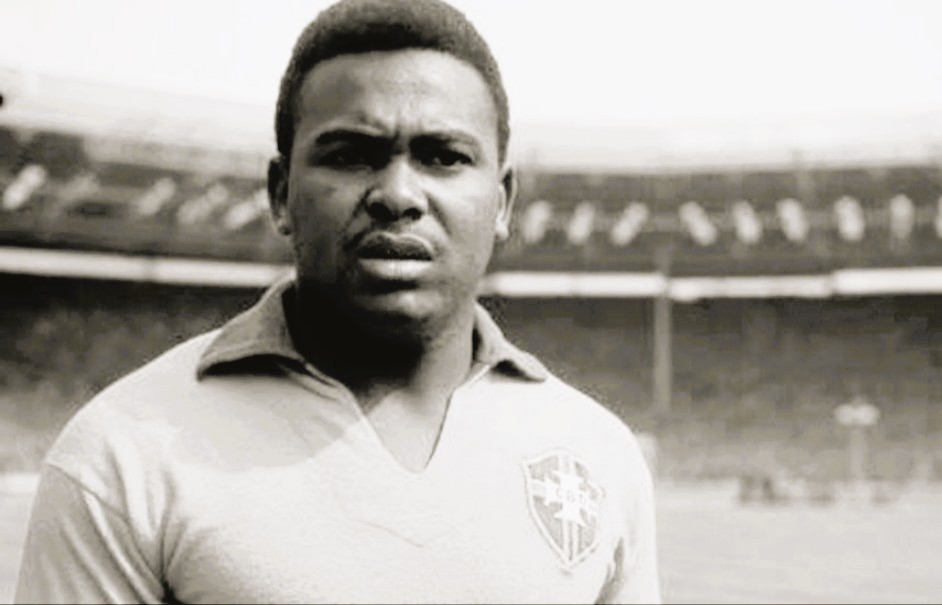
Tournament: Squad member | Brazil won 3–1 vs Czechoslovakia
This is Antônio Wilson Vieira Honório, known simply as “Coutinho” — a legendary Santos FC forward who was Pelé’s most celebrated club partner and one of the greatest Brazilian strikers of his generation.
Born on 11 June 1943, Coutinho was just 19 years and 6 days old when Brazil won the 1962 World Cup in Chile, beating Czechoslovakia 3–1 in the final on 17 June 1962.
He had been selected for the squad as a highly promising young forward from Santos, where he had already formed a lethal partnership with Pelé.
He was meant to be a starter in the tournament, but was sidelined by injury just before it began and did not appear in any matches — though he remained in the official winning squad.
Despite his limited international career — just 15 caps and 6 goals — Coutinho is considered one of the greatest Santos players of all time, scoring 368 goals in 457 appearances for the club.
He won two Copa Libertadores titles and two Intercontinental Cups alongside Pelé. In Brazil he was nicknamed “the genius of the small area” — a description of his extraordinary instinct and precision inside the penalty box. He passed away on 11 March 2019 in Santos, aged 75.
5. Marco Antonio — Brazil, 1970 — Age 19
Tournament: Played in the tournament | Brazil won 4–1 vs Italy
Marco Antonio was 19 years and 135 days old when Brazil lifted the Jules Rimet Trophy for the third — and permanent — time in Mexico in 1970. Brazil’s 1970 team is widely considered the greatest World Cup-winning squad in history, featuring Pelé, Jairzinho, Tostão, Gérson, and Rivelino.
The left-back Marco Antonio was one of the youngest members of that iconic squad, playing his role in a team where everyone contributed to something larger than themselves. To be part of that Brazil side at 19 and hold your own is a remarkable achievement in itself.
6. Kylian Mbappé — France, 2018 — Age 19
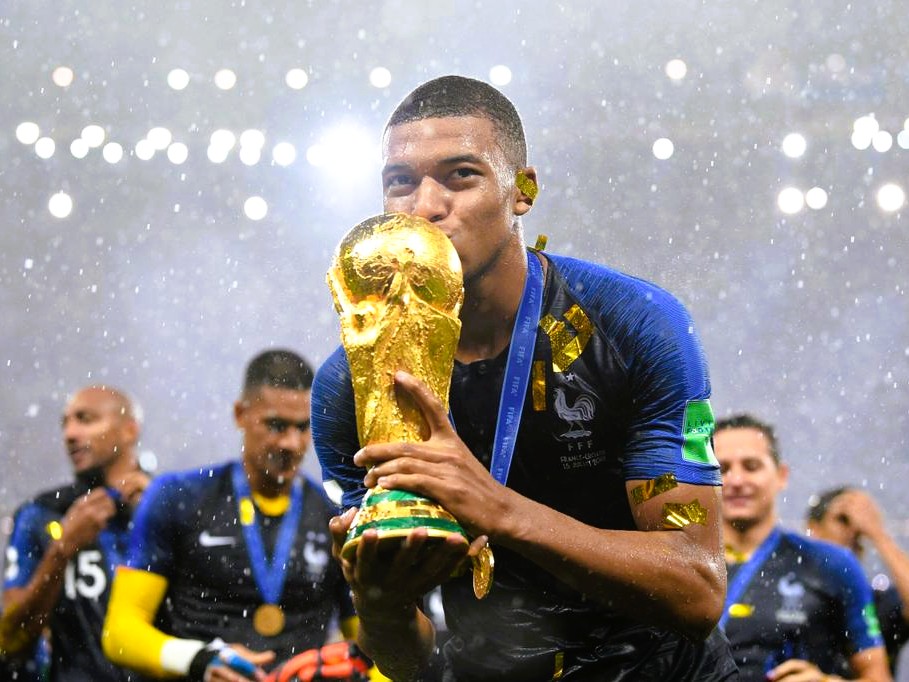
Tournament stats: 4 goals | 1 goal in the final | France won 4–2 vs Croatia | 7 matches played
Kylian Mbappé was already a known talent before the 2018 World Cup. His performances for Monaco and Paris Saint-Germain had already caught Europe’s attention. But Russia 2018 was the tournament where he announced himself to the entire world.
Mbappé played seven matches, scored four goals, and was one of the best players in the tournament. His speed and direct running caused defenders constant problems — especially in transition.
His most famous moment came in the round of 16 against Argentina. He won a penalty, then scored twice in five minutes to help knock out Lionel Messi’s team 4–3. It was one of the performances of the tournament.
In the final against Croatia, Mbappé scored France’s fourth goal in a 4–2 victory. That made him the first teenager to score in a World Cup final since Pelé in 1958 — 60 years earlier. That single fact tells you everything about how rare Mbappé’s achievement was.
After the tournament, PSG paid more than $200 million to sign him from Monaco — one of the biggest transfers in football history. Four years later in Qatar, Mbappé scored a hat-trick in the 2022 World Cup final against Argentina — but this time France lost on penalties.
7. Mazzola (José Altafini) — Brazil, 1958 — Age 19
Tournament: 3 goals | Brazil won 5–2 vs Sweden
Known as “Mazzola” in Brazil — a nickname given because of his resemblance to Italian football legend Valentino Mazzola — José Altafini was one of the exciting young forwards in Brazil’s famous 1958 squad alongside Pelé, Garrincha, and Didi.
He scored 3 goals during the tournament and was a genuine contributor to Brazil’s World Cup triumph.
His story after 1958 is equally fascinating: Altafini moved to Italy, signed for AC Milan, and later switched international allegiance to represent Italy.
He became one of the deadliest strikers in Serie A history and remains one of the rare players ever to appear at World Cups for two different countries.
8. Rubén Morán — Uruguay, 1950 — Age 19
Tournament: Appeared in the final decisive match | Uruguay won the 1950 World Cup
Rubén Morán was just 19 years and 344 days old when Uruguay pulled off one of the greatest shocks in football history — the “Maracanazo” of 1950. In the final group stage match at the Maracanã in Rio de Janeiro, Uruguay beat Brazil 2–1 in front of nearly 200,000 devastated Brazilian fans to claim the World Cup.
Morán was the youngest player to appear in that decisive final match. Described as one of the most gifted players in the squad, his story is also a sad one — he was the first member of Uruguay’s 1950 World Cup-winning squad to pass away after his playing days.
9. Felice Borel — Italy, 1934 — Age 20
Tournament: Appeared in the tournament | Italy won 2–1 vs Czechoslovakia (AET)
Felice Placido Borel was born on 5 April 1914 and was just 20 years and 66 days old when Italy won the 1934 World Cup — hosted on Italian soil. Italy beat Czechoslovakia 2–1 in extra time in the final in Rome under the management of Vittorio Pozzo.
Borel was a Juventus forward who contributed to Italy’s historic first World Cup triumph. He is one of the earliest names on the all-time youngest winners list, representing an era of football that is often overlooked in modern discussions of the game’s history.
10. Kaká — Brazil, 2002 — Age 20
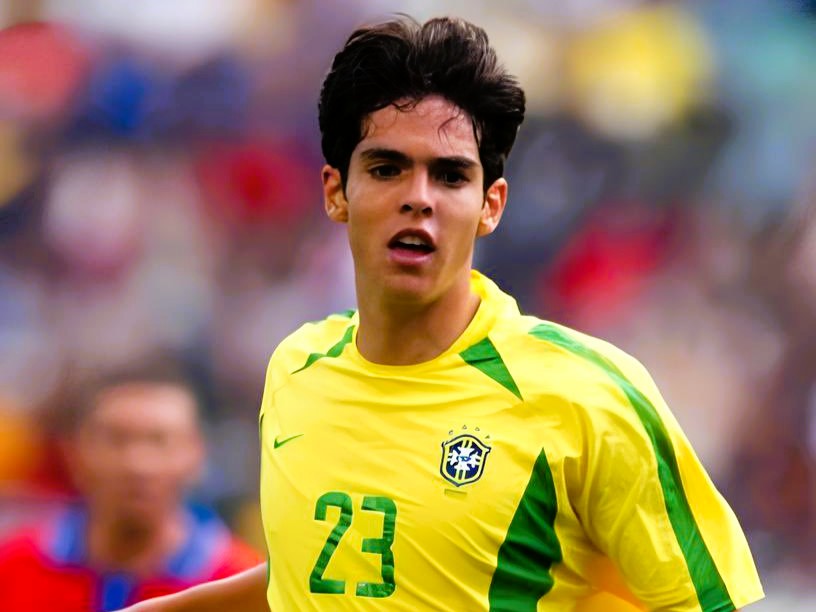
Tournament: Squad member | Brazil won 2–0 vs Germany
Kaká was just 20 years and 69 days old when Brazil won the 2002 World Cup.
The young Kaká was learning alongside some of the greatest players who ever played the game — Ronaldo, Ronaldinho, Rivaldo, Roberto Carlos, and Cafu.
He was not yet the finished article in 2002. But the experience planted a seed. Within two years, Kaká had become one of the best midfielders in Serie A at AC Milan.
By 2007, he was the best footballer in the world — winning the Ballon d’Or. He remains one of the most technically gifted and beloved players of his generation. His 2002 World Cup winners’ medal, earned at just 20 years old, was the first chapter of a remarkable story.
Youngest vs Oldest FIFA World Cup Winners — A Comparison
The gap between the youngest and oldest World Cup winners shows just how much this tournament celebrates different kinds of player.
Youngest champion: Pelé — 17 years, 249 days (Brazil, 1958)
Among the oldest champions: Dino Zoff — Italy’s goalkeeper who lifted the 1982 World Cup at the age of 40. That is a 22-year gap between the youngest and one of the oldest champions from the very same tournament.
What separates young champions from experienced ones is simple: young players carry no fear of failure. They have no memory of big tournament defeats. Pelé had never lost a World Cup. Mbappé had never experienced a final before 2018. That freedom produces a different kind of football — instinctive, direct, fearless.
Experienced players bring tactical wisdom, leadership, and the ability to manage pressure. The best World Cup squads — Brazil 1958, France 2018, Germany 2014 — combine both. Young energy and experienced calm, working together.
Key Records and Stats
- Youngest World Cup winner ever: Pelé — 17 years, 249 days (Brazil, 1958)
- Youngest player to appear at any World Cup: Norman Whiteside — 17 years, 40 days (Northern Ireland, 1982)
- Youngest winning defender in a World Cup final: Giuseppe Bergomi — 18 years (Italy, 1982)
- Youngest player to score in a World Cup final: Pelé — 17 years (Brazil, 1958)
- Only two teenagers to score in a World Cup final: Pelé (1958) and Kylian Mbappé (2018)
- Youngest Frenchman to win the World Cup: Kylian Mbappé — 19 years (France, 2018)
- Only player to win three World Cups: Pelé — 1958, 1962, and 1970
FAQs — Youngest FIFA World Cup Winners
Who is the youngest FIFA World Cup winner ever?
Pelé (Brazil) is the youngest FIFA World Cup winner ever. He was 17 years and 249 days old when Brazil beat Sweden 5–2 in the 1958 World Cup final. He scored twice in that match. This is an officially verified Guinness World Record.
Has anyone under 18 won the World Cup?
Yes — two players. Pelé won the 1958 World Cup at 17 years and 249 days and actually played and scored in the final. Ronaldo Nazário was also 17 when he was part of Brazil’s 1994 winning squad — but he did not play any minutes in that tournament. No player younger than 17 has ever been part of a World Cup-winning squad.
How old was Pelé when he won the World Cup?
Pelé was exactly 17 years and 249 days old when Brazil won the 1958 FIFA World Cup final on 29 June 1958. He scored 6 goals in the tournament, including 2 in the final. FIFA awarded him the Best Young Player award for 1958 retrospectively, and in a public vote he was chosen as the best young player across all World Cups from 1958 to 2002.
Who is the youngest World Cup winner in modern football?
In the modern era, Kylian Mbappé is the youngest significant World Cup winner. He was 19 years old when France won the 2018 FIFA World Cup. He scored in the final against Croatia — making him the first teenager to score in a World Cup final since Pelé in 1958.
Who is the youngest defender to win the World Cup?
Giuseppe Bergomi of Italy holds that record. He was 18 years old when he played the full 1982 World Cup final against West Germany. Italy won 3–1 at the Santiago Bernabéu in Madrid. Bergomi man-marked Karl-Heinz Rummenigge throughout the match.
What is the youngest World Cup winning squad by average age?
Brazil’s 1958 squad — featuring Pelé (17), Garrincha (24), and several other young players — is widely considered the youngest and most impactful World Cup-winning squad in history. France’s 2018 squad also had a very young average age among its key players, with Mbappé, Benjamin Pavard, and others all under 23.
Can Pelé’s Record Ever Be Broken?
Pelé set his record in 1958. It has survived every World Cup since. More than 66 years. That tells you something important — this is one of the hardest records in all of sport to break.
The 2026 FIFA World Cup will expand to 48 teams, spread across the United States, Canada, and Mexico. More teams means more squads.
More squads means more chances for teenage players to be included. And a longer tournament means more matches — which increases the opportunity for young players to be deployed.
Elite youth academies are producing talented teenagers earlier than ever. France’s Clairefontaine and Brazil’s youth system are currently developing 16 and 17-year-old players of extraordinary quality. Several of them will be 17 or 18 by the time the 2026 World Cup begins.
For the record to fall, a player would need to be part of a winning squad at 17 years and 248 days or younger.
That requires a very specific combination — the right talent, the right national team, the right moment in the tournament, and the right result in the final.
And that open question — will Pelé’s record ever fall? — is one of football’s most fascinating.
Every World Cup, every squad announcement, every teenage prodigy emerging from a youth academy somewhere in the world brings the question back to life.
For now, the crown belongs to Pelé. As it has since 1958. As it may for many more years to come.