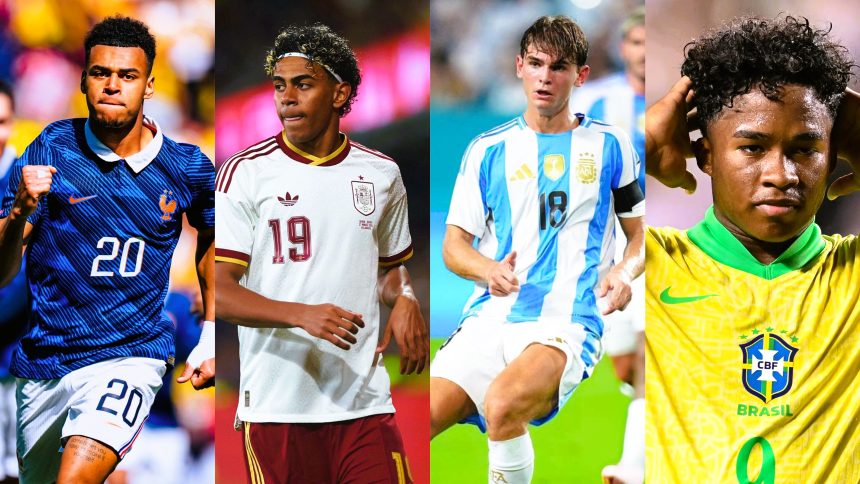








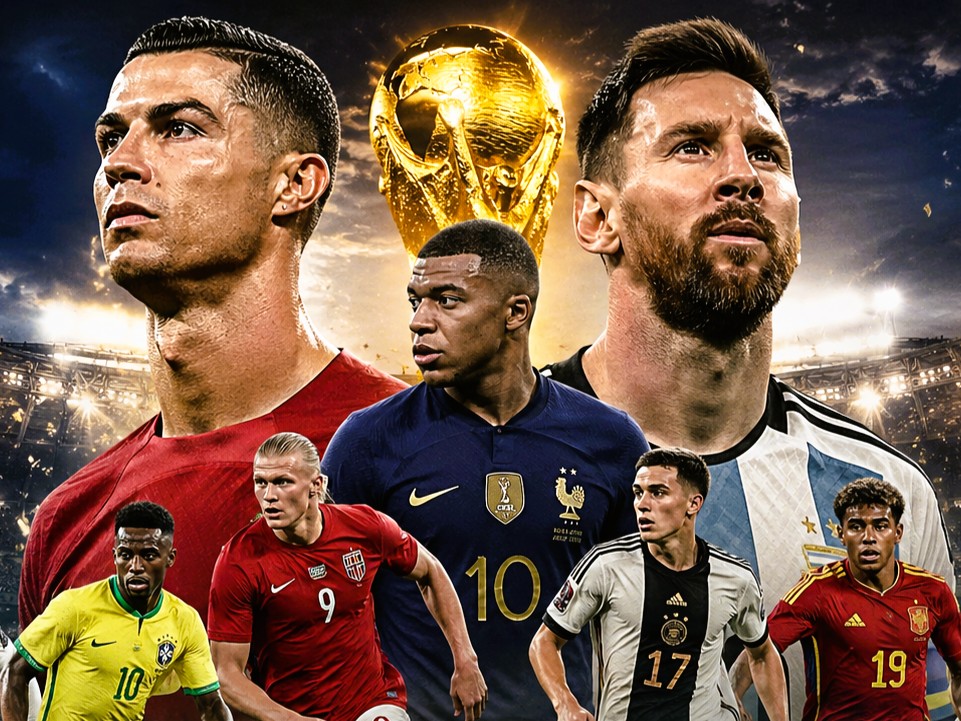

Sixty years from now, people will still be talking about the summer of 2026.
Not because of any single goal, any single save, or any single moment of genius — but because of the sheer density of talent, narrative, and raw football drama that the 48-team FIFA World Cup promises to deliver across the stadiums of the United States, Canada, and Mexico.
This tournament is unlike any before it. Expanded for the first time to 48 nations, stretched across three countries and one continent drenched in football passion, the 2026 World Cup arrives at a hinge point in the sport’s history.
Defending champions Argentina will arrive with the weight of expectation and a squad navigating a generational shift.
Spain, European champions, will come armed with arguably the most technically refined group of players in world football.
France, eternal contenders, will look to Kylian Mbappé to finally deliver the individual genius that wins tournaments.
And beyond Europe and South America, the expanded format gives Africa, Asia, and CONCACAF more pathways than ever to produce upset stories that could reshape the sport’s global narrative.
But what truly makes this edition extraordinary is the collision of eras.

Lionel Messi, the greatest player who ever lived, will likely take his final bow on football’s biggest stage.
Cristiano Ronaldo, his eternal rival, will be there too — both men chasing closing chapters worthy of their careers.
At the same time, a generation of players born in the early 2000s is arriving not as promise but as product — players like Lamine Yamal and Estêvão Willian who are already world-class at an age when most footballers are finishing their GCSEs.
This is the intersection of twilight and dawn. Of swan songs and explosions. And it will produce moments that football will replay forever. Here are the top players to watch in the FIFA World Cup 2026.
| Rank | Player | Country | Position |
|---|---|---|---|
| 1 | Kylian Mbappé | France | Forward |
| 2 | Erling Haaland | Norway | Forward |
| 3 | Lamine Yamal | Spain | Forward |
| 4 | Harry Kane | England | Forward |
| 5 | Pedri | Spain | Midfielder |
| 6 | Cristiano Ronaldo | Portugal | Forward |
| 7 | Vinícius Júnior | Brazil | Forward |
| 8 | Lionel Messi | Argentina | Forward |
| 9 | Désiré Doué | France | Playmaker |
| 10 | Pau Cubarsí | Spain | Defender |
| 11 | Estêvão Willian | Brazil | Winger |
| 12 | Franco Mastantuono | Argentina | Midfielder |
| 13 | Antonio Nusa | Norway | Midfielder |
| 14 | Lennart Karl | Germany | Forward |
| 15 | Gilberto Mora | Mexico | Midfielder |
| 16 | Bukayo Saka | England | Forward |
| 17 | Raphinha | Brazil | Winger |
| 18 | Declan Rice | England | Midfielder |
| 19 | Mohamed Salah | Egypt | Forward |
| 20 | Ousmane Dembélé | France | Forward |
Established Stars
Lionel Messi (Argentina)
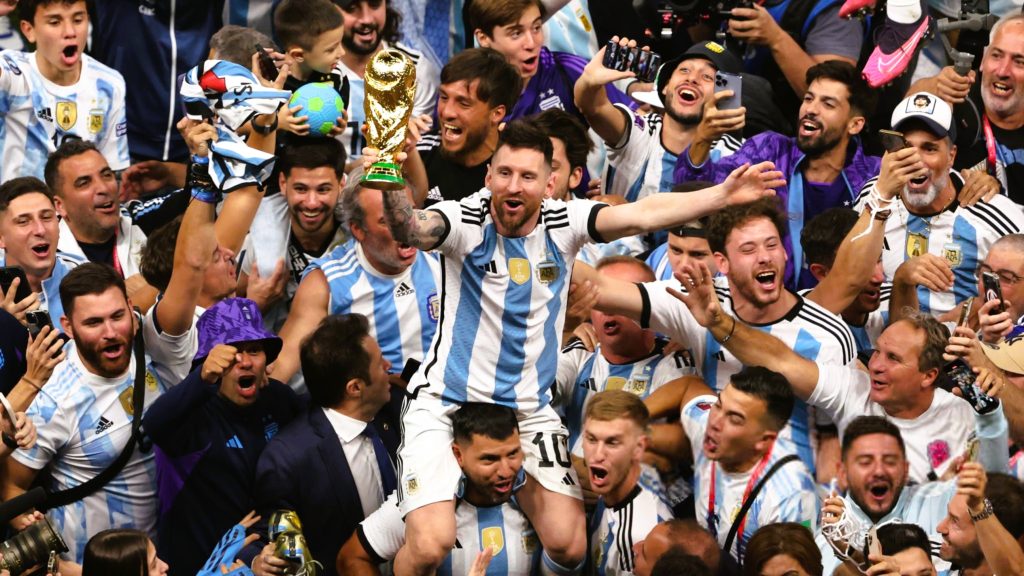
There is no frame adequate enough to contain what Lionel Messi means to football.
Eight Ballon d’Or awards. A Champions League that redefined the possible. A Copa América that ended a 28-year wait.
And in Qatar, in 2022, the one who completed everything, a World Cup winner’s medal worn with the weight of a nation, and with the grace of someone who was always going to get there eventually.
He will be 38 or 39 by the time Argentina takes the field in 2026. And he will still be Argentina’s most important player.
Playing in MLS with Inter Miami, Messi continues to bend the laws of football. His touch hasn’t deserted him.
His vision remains, at minimum, a half-second ahead of every other human on the pitch.
The question isn’t whether he can still play football, the question is whether a World Cup campaign, compressed into a month, will ask too much of a body that has been doing extraordinary things for two decades.
If Argentina are to retain their title, Messi doesn’t need to be the player he was at 28.
He needs to be the player he was in Qatar, composed, decisive, and transcendent in the moments that truly matter. The stage is set for a farewell that could reduce an entire planet to silence.
Kylian Mbappé (France)
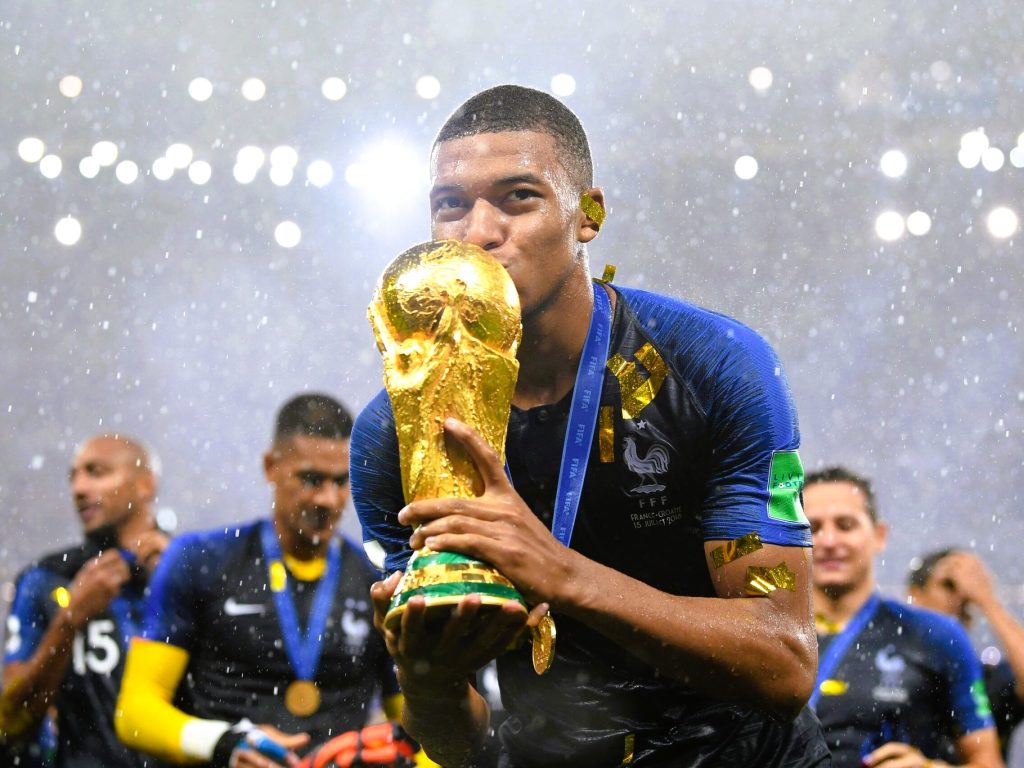
In the 2022 World Cup final, Kylian Mbappé became only the second player in history — after Sir Geoff Hurst — to score a hat-trick in a World Cup final.
France still lost. That fact, more than any other, reveals the absurd complexity of international football’s team sport dynamics — and why Mbappé’s journey to a World Cup winner’s medal remains one of football’s most compelling unfinished stories.
Now at Real Madrid, playing under one of the greatest managers in the sport’s history, Mbappé enters 2026 at what should be the peak of his athletic powers.
He is 27 years old. He is the fastest player in world football over 10 to 30 metres. His finishing, always clinical, has been refined by Los Blancos’ culture of cold-blooded tournament excellence.
Fitness is the one asterisk. Mbappé has been prone to muscular problems, and the physical demands of representing France through a 48-team knockout format will test his durability.
But when he is healthy and confident, there is simply no answer to Kylian Mbappé. He is sport personified — acceleration, skill, and ruthlessness bottled into one terrifying package.
France, with supporting talent like Antoine Griezmann, Aurélien Tchouaméni, and Marcus Thuram, have the infrastructure to carry Mbappé to the one trophy that still eludes him. In 2026, everything is aligned.
Harry Kane (England)
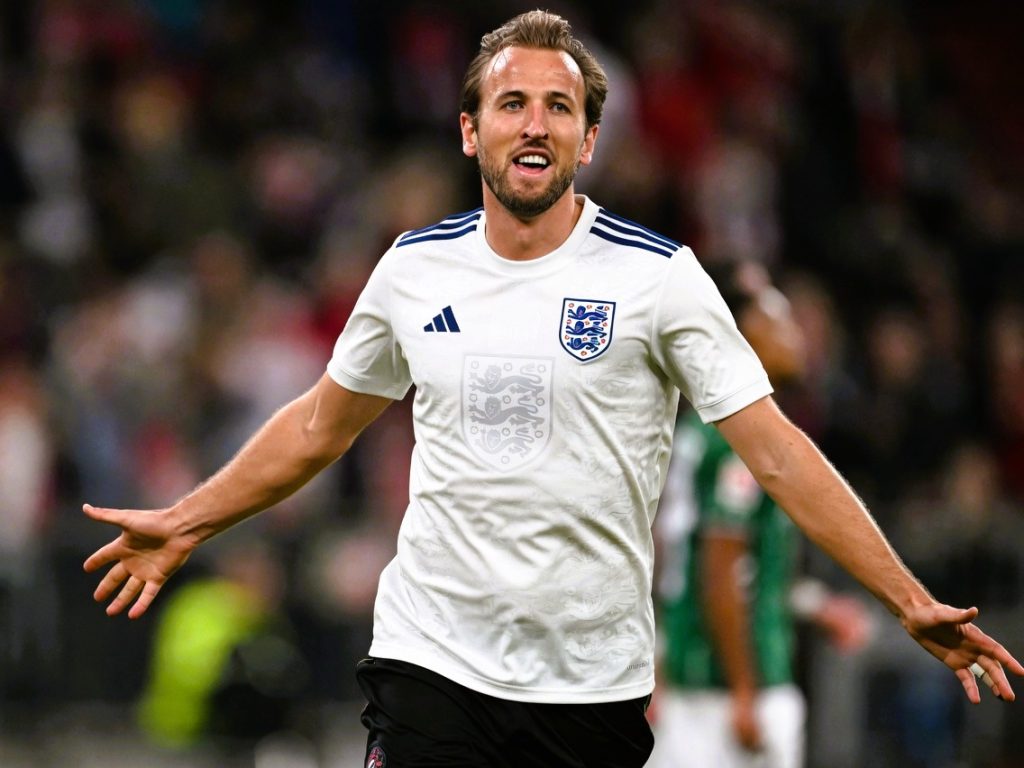
Harry Kane is England’s greatest goalscorer of all time. He is also, perhaps, the most decorated underachiever in modern football, a statement that says far more about the systemic dysfunction that has historically surrounded England than it does about the man himself.
But 2026 represents something genuinely different. England under a settled, tactically sophisticated manager.
A squad that finally has depth behind the strike force and creativity in midfield.
And Harry Kane at Bayern Munich, having confirmed himself as one of the elite No. 9s in European football season after season, carrying the kind of confidence that only comes from regular Champions League football and consistent international goalscoring.
Kane does not do anything flashy. He does not sprint past defenders or perform audacious flicks.
What he does — at an almost supernatural level — is find space in and around the penalty area, receive the ball in tight positions, and put it in the net.
His runs off the ball are studied in coaching academies. His hold-up play wins games.
And his set-piece threat, both as taker and target, gives England a weapon in the compressed, cagey knockout rounds where margins are everything.
Sixty years on from 1966. Three Lions fans will not need reminding.
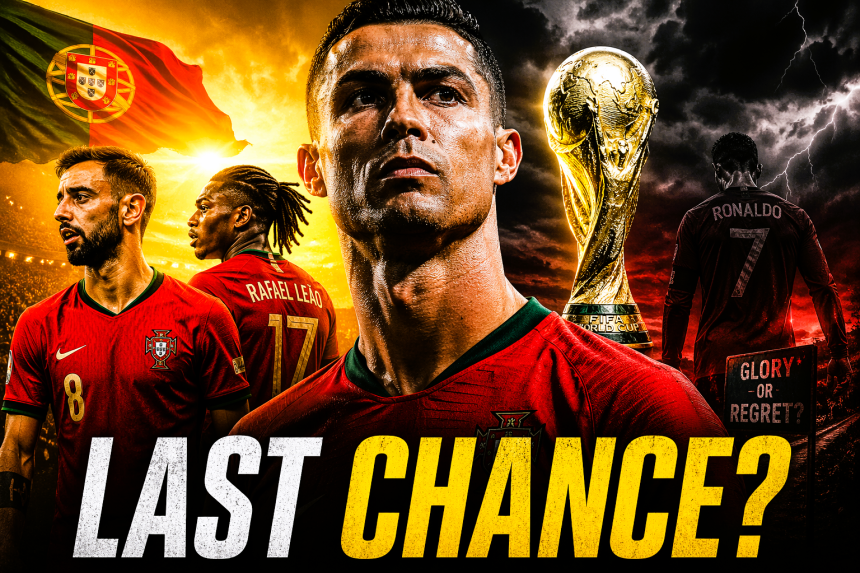
Cristiano Ronaldo (Portugal)
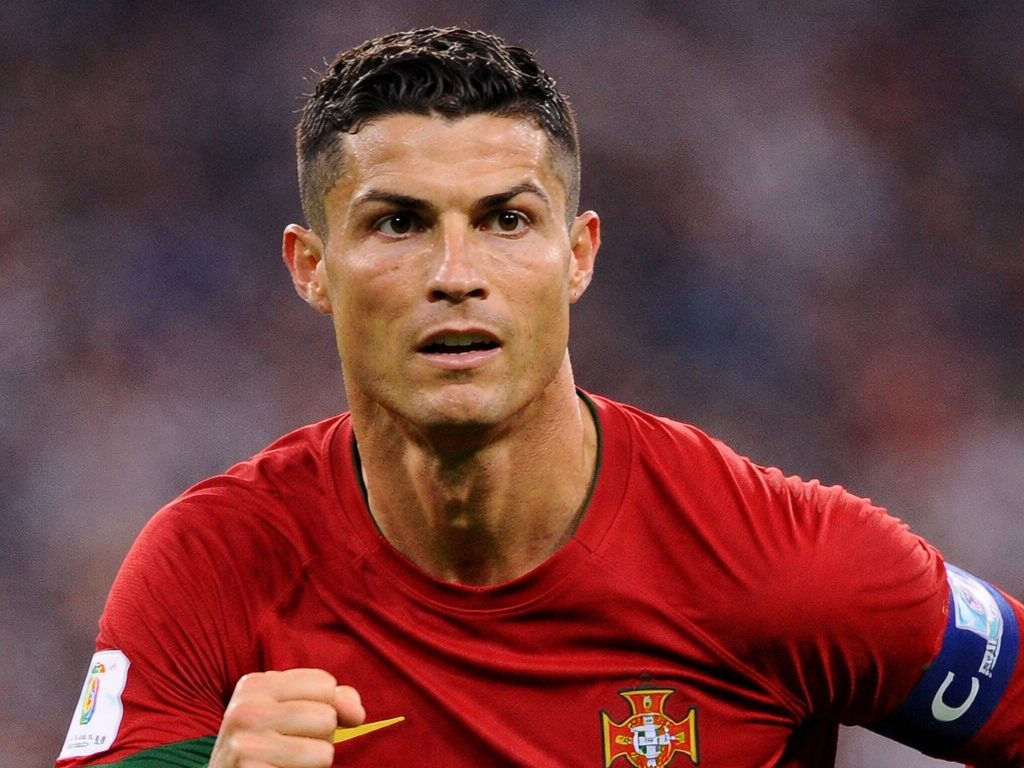
Whatever you think of Cristiano Ronaldo’s Saudi Arabia chapter, the facts remain stubborn: he continues to score at a rate that would embarrass players twenty years his junior, and he continues to show up for Portugal when the moment demands it.
His leadership in the dressing room — his sheer force of personality — is a variable that no statistic can fully capture.
In 2026, Ronaldo will be 41. He will be the oldest player ever to appear in a World Cup if he takes the field. And he probably will. The narrative practically demands it.
What Portugal’s campaign will really hinge on, however, is the supporting cast finally stepping forward.
Bruno Fernandes, one of the most technically complete midfielders of his generation, needs to dictate games rather than supplement them.
Vitinha, elegant and incisive in the heart of Paris Saint-Germain’s engine room, needs to take ownership of tempo.
And Bernardo Silva needs to remind the world — again — that he is among the very best players of his era.
Ronaldo will not win Portugal the World Cup on his own in 2026. But Portugal, in the right tactical setup with the right performances from their midfield, could absolutely win it with Ronaldo as their figurehead.
Vinícius Júnior (Brazil)
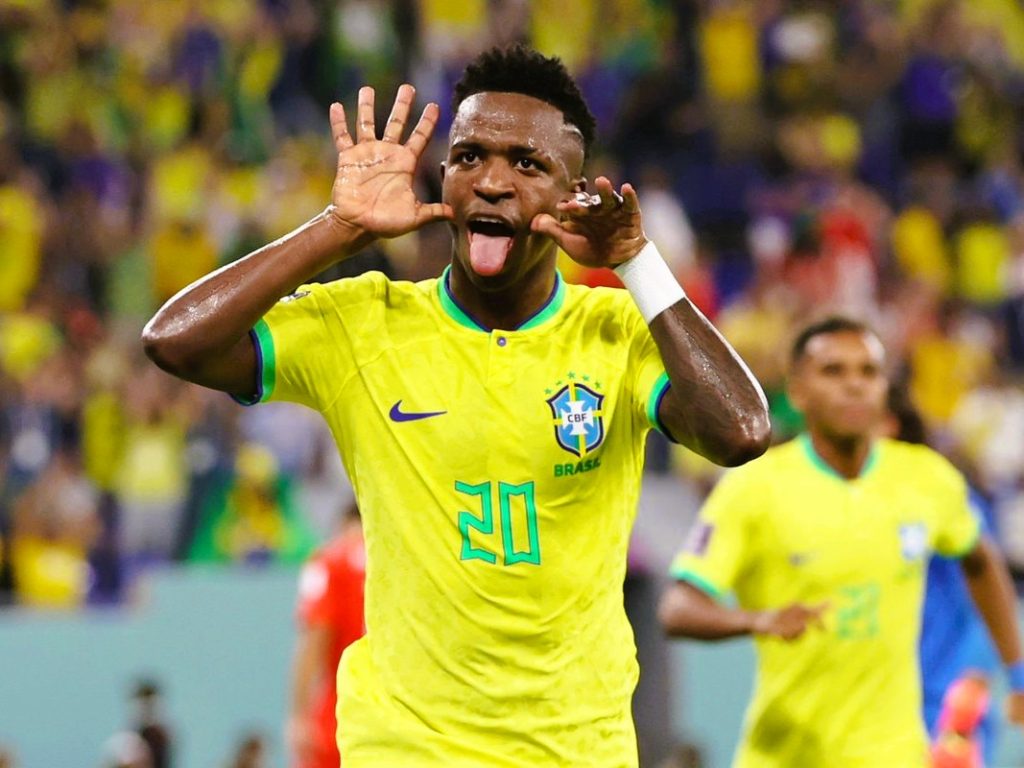
Brazil have not won the World Cup since 2002. Twenty-four years of near misses, tactical disappointments, and exits that stung. The weight of that wait has broken better squads than this one.
But Vinícius Júnior — fast, creative, devastating, and increasingly composed in front of goal — is the kind of player who lifts that weight rather than buckles under it.
His performances for Real Madrid have made him one of the most feared wingers on the planet.
His combination of dribbling technique, raw pace, and an improving goal return make him uniquely suited to the kind of tournament football where a player capable of changing a game in fifteen seconds becomes invaluable.
Brazil’s success will depend on whether the tactical structure around Vinícius is coherent and protected.
His best football comes when he has license, confidence, and the right runners making complementary movements.
In North America, on fast pitches and against teams who will sit deep to negate Brazil’s creativity, his ability to force mistakes and create moments from nothing could be the difference.
The weight of Pelé’s legacy, of Ronaldo, of Ronaldinho — it all falls, eventually, to the next generation. Vinícius Júnior has been waiting for this platform.
Erling Haaland (Norway)
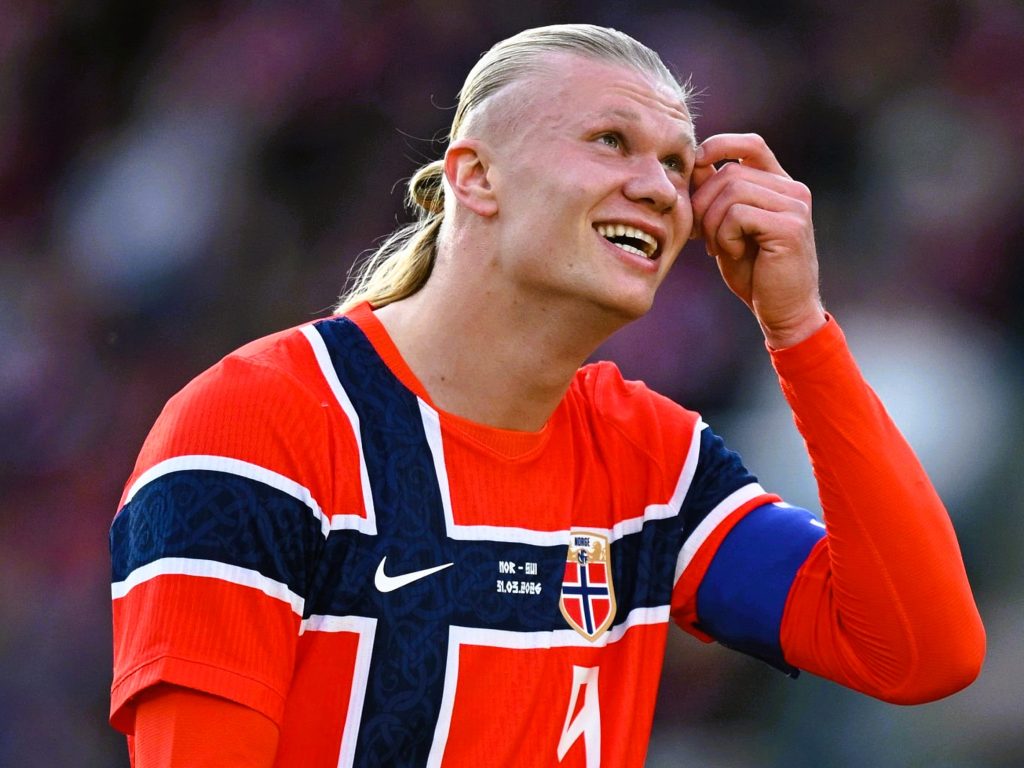
Norway have not been to a World Cup since 1998. They qualified for 2026. And they qualified because of a man who scored goals in bundles at every level he ever played — and then kept doing it when he reached Manchester City.
Erling Haaland at a World Cup is genuinely one of football’s most mouth-watering hypotheticals turned realities. His goal record is staggering.
His physicality — the combination of size, strength, and that paradoxical technical touch around the penalty area — makes him one of the hardest forwards in modern football to defend against.
Norway will not win the 2026 World Cup. But they could absolutely cause carnage in the group stage and potentially shock a contender in the knockouts. And if they do, it will be because Haaland was simply too much to handle.
Antonio Nusa alongside him provides the dynamism. The question is whether the rest of the squad can generate enough chances to keep Haaland fed.
When they do — when the ball finds him in the right positions — the result is almost always the same.
Pedri (Spain)
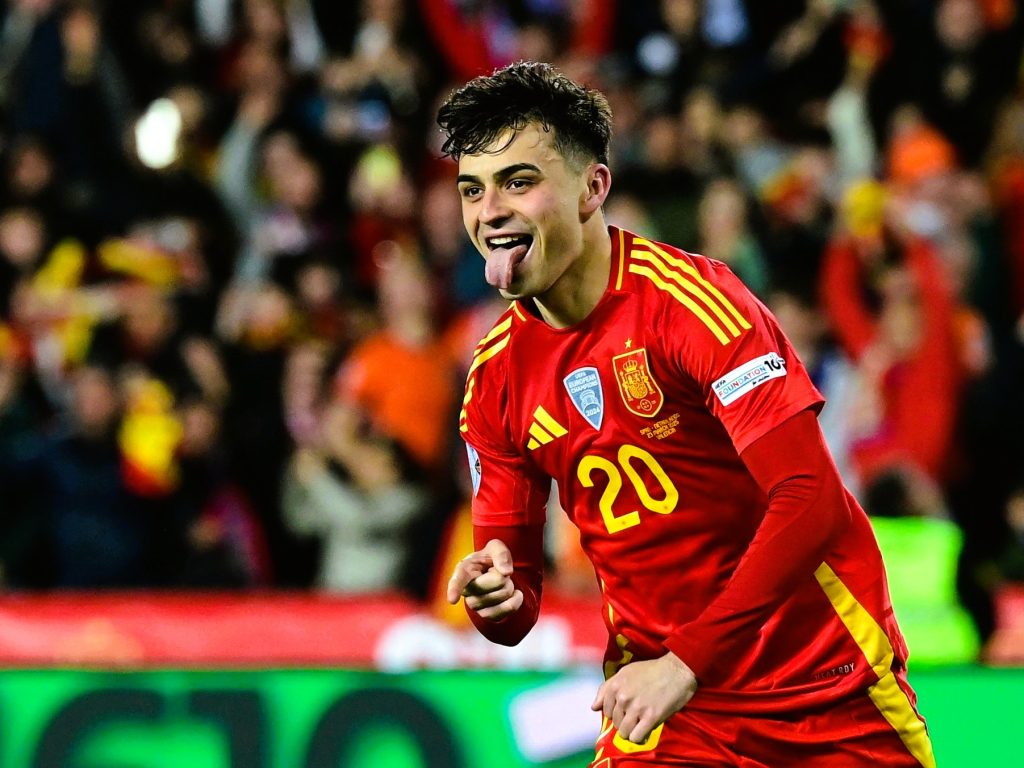
Spain’s Euro 2024 victory was built on a foundation of technical excellence and pressing intelligence — and at the heart of that structure was Pedri, finally fit and finally free to express the genius that had been temporarily stolen by a succession of injuries.
Pedri plays football the way certain composers write music — with an understanding of rhythm, space, and timing that feels intuitive rather than learned.
His dribbling in tight spaces is elite. His passing range is underrated. And his ability to draw fouls, win second balls, and maintain possession under pressure gives Spain a qualitative superiority in the central third that very few nations can match.
In 2026, Spain arrive as one of the genuine favorites. They have depth at every position. Their system is mature and well-drilled.
And with Pedri as the creative fulcrum, and Lamine Yamal providing something entirely different on the flank, they have the combination of structure and individual brilliance that winning tournaments demands.
The Supporting Cast
No article about the 2026 World Cup’s essential players would be complete without acknowledging the names who will not always headline but will ultimately determine outcomes.
Vitinha’s ability to control tempo for Portugal — pressing high, recycling quickly, finding pockets — gives them a midfield quality that didn’t exist in previous World Cup cycles.
Bruno Fernandes brings creativity and set-piece danger in a way that transforms Portugal’s attacking arithmetic.
Achraf Hakimi, Morocco’s relentless and technically gifted right-back, is arguably the best full-back in world football.
His delivery, his defending, and his capacity to drive from deep make Morocco dangerous in transition in a way that troubled far bigger nations in Qatar.
Federico Valverde, finally established as one of the most complete midfielders on the planet, gives Uruguay steel, dynamism, and goal threat — everything a tournament side needs in their engine room.
Top Wonderkids and Breakout Talents to Watch in FIFA World Cup 2026
Lamine Yamal (Spain)
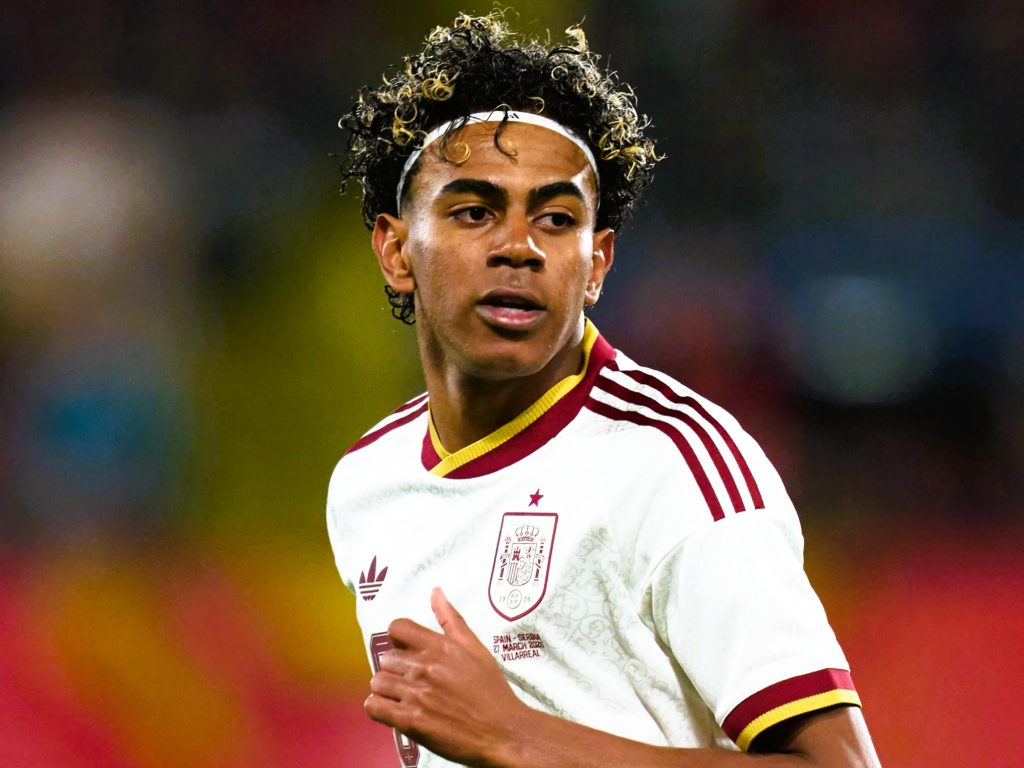
There is a photograph from Euro 2024 that became one of the most shared images in football history: Lamine Yamal, having just turned 17, cutting inside and curling a shot into the top corner against France in the semi-final.
The technique was flawless. The audacity was complete. The execution was that of a veteran, not a teenager.
By 2026, Yamal will be 18 or 19. He will have spent a full season as Barcelona’s primary creative force.
He will have accumulated more caps and more knockout football experience than most young players accumulate across their entire early careers.
And he will walk into the World Cup not as a prospect to be protected but as a genuine match-winner for one of the tournament’s favorites.
His profile — right-footed left winger, elite close control, sharp delivery, and a positional intelligence that reads the game like a chess master — is almost perfectly suited to the modern game’s demands.
Spain do not need him to be the only answer. But when they need a solution, Yamal is increasingly where they look.
Watch him closely. He is the most technically gifted teenager to arrive on football’s biggest stage since a 17-year-old from Rosário illuminated the 2006 World Cup.
Désiré Doué (France)
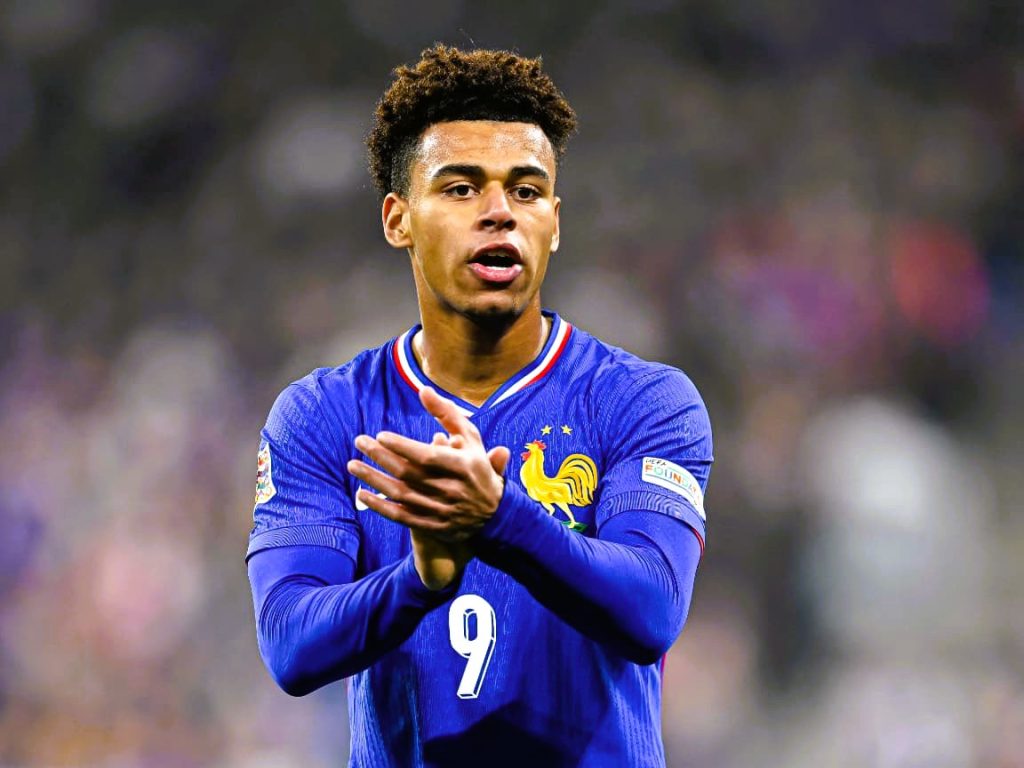
Désiré Doué has emerged as a cornerstone of the next generation of French football, characterized by a rare blend of technical flair and elite physical maturity.
Currently starring for Paris Saint-Germain, the 20-year-old playmaker has transitioned from a promising prospect at Rennes to a world-class presence in the capital.
His 2025–26 campaign has been particularly remarkable, seeing him record 12 goals across all competitions and secure a starting role in PSG’s push for another Champions League final.
Doué’s style is often likened to “street football” due to his exceptional ball-carrying ability and unpredictable dribbling, which ranks him among the top one percent of midfielders globally for successful take-ons.
On the international stage, Doué is a pivotal figure in Didier Deschamps’ plans for the 2026 World Cup.
He recently solidified his status by scoring a decisive brace in a March 2026 friendly against Colombia, becoming one of the youngest French players to open their international account with a double.
This milestone capped a year of immense growth, including a European Golden Boy award and a silver medal at the Paris 2024 Olympics.
With his ability to operate as an attacking midfielder or a winger, Doué provides Les Bleus with tactical flexibility and a potent offensive threat capable of deciding matches on the world’s biggest stage.
Pau Cubarsí (Spain)
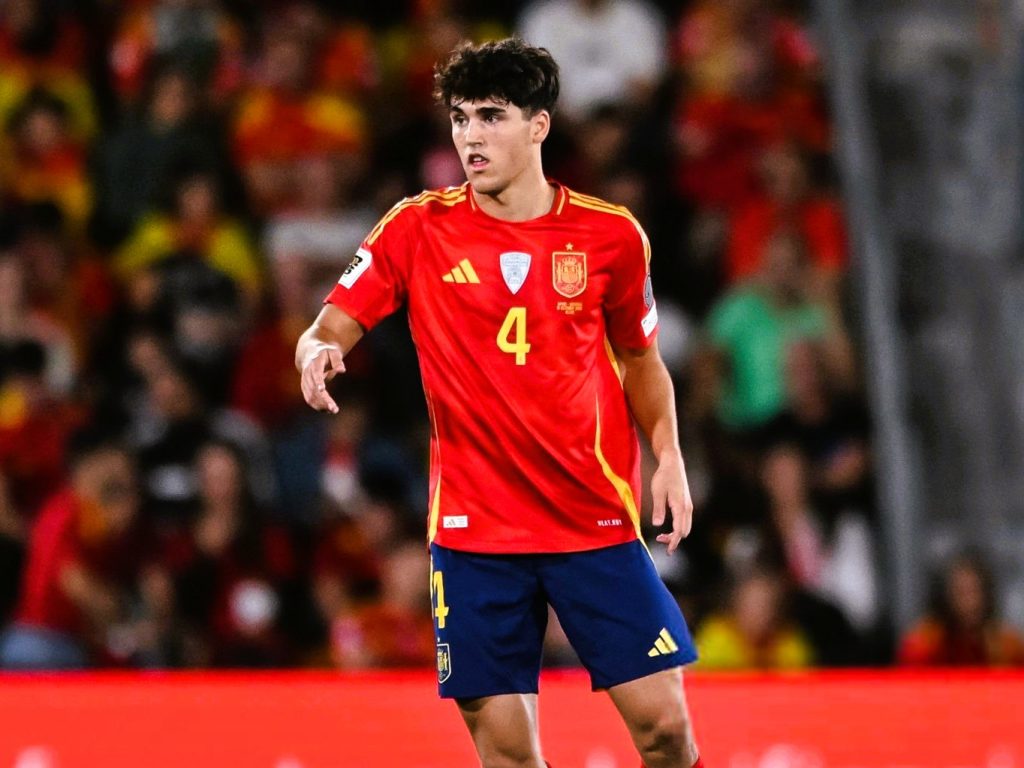
Defenders rarely become stories at World Cups unless something goes wrong.
Pau Cubarsí is the exception — a centre-back who attracts attention not through drama but through the serene, almost indecent ease with which he does extraordinary things.
At 18 or 19, he will bring to the World Cup a range of attributes that most defenders don’t develop until their late twenties: intelligent positioning, composure on the ball under high press, elegant distribution, and a reading of the game that borders on clairvoyant.
His Olympic gold medal campaign gave him tournament hardening. His Champions League football at Barcelona gave him the credibility of having already tested himself against the best.
Spain’s defensive record at Euro 2024 was exceptional. A large part of that was Cubarsí’s capacity to organise, intercept, and build from the back without flinching.
If he stays fit and consistent, he could emerge from North America as the tournament’s best young defender and one of the names defining the next decade of the position.
Estêvão Willian (Brazil)
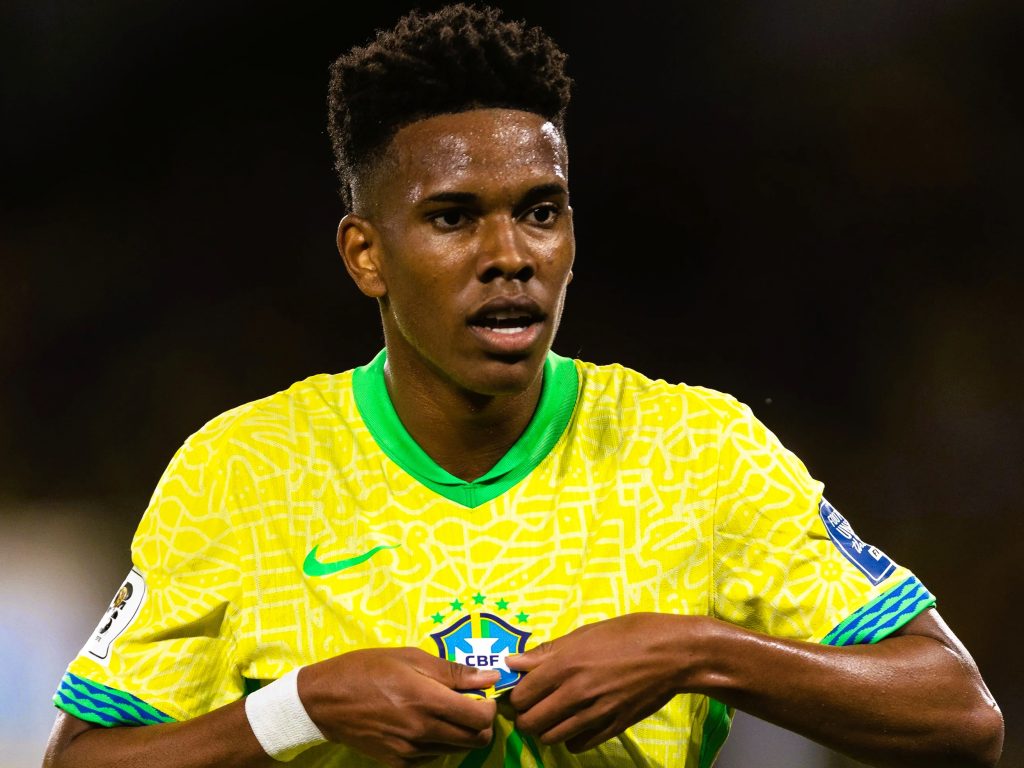
The nickname “Messinho” is simultaneously the greatest compliment and the most unfair burden a footballer can receive.
It invites a comparison that no human can realistically sustain. And yet, watching Estêvão Willian in his breakthrough Brazilian campaign, the nickname at least feels grounded in something real rather than born of pure hyperbole.
His close control in tight areas is exceptional. His finishing for a teenager is clinical.
His work rate and defensive awareness are already mature beyond his age. Moving to European football, the physical transition will test him — but the technical foundation is unquestionable.
In a Brazil squad searching for the kind of individual magic that Neymar once provided and that no single player has since claimed as their own, Estêvão arrives with the right credentials to be that player. Not immediately.
Not for ninety minutes every game. But in moments — the moments that World Cups are built from — he has already demonstrated the capacity to be decisive.
Franco Mastantuono (Argentina)
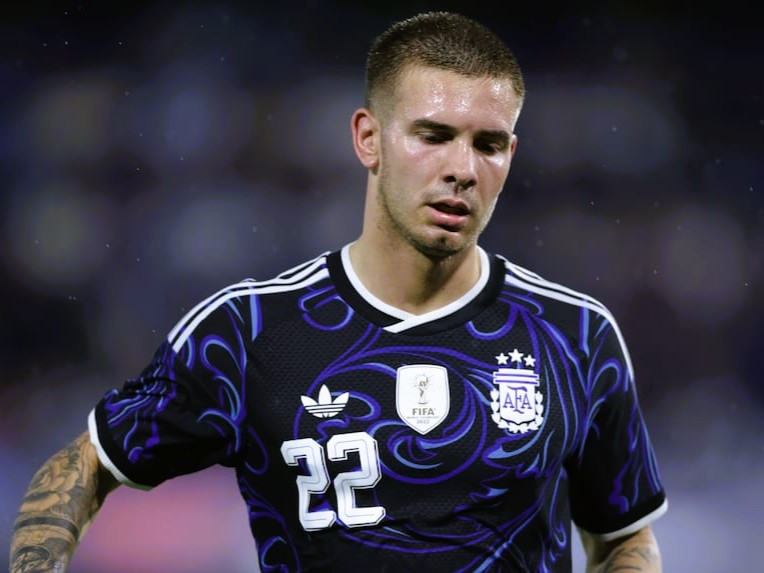
When Real Madrid sign a teenager and put them in their first team, the world pays attention.
When that teenager becomes the youngest scorer in the club’s Champions League history, the world sits up straight. Franco Mastantuono is not a prospect. He is, at this point, a reality.
His profile is that of a modern forward capable of operating across the front three — technically gifted, quick in tight spaces, and possessed of a pressing intensity that reflects Madrid’s demands.
For Argentina, who are navigating the transition from the golden generation while attempting to defend their title, Mastantuono offers something no other young player in the squad can quite match: Real Madrid’s imprint.
That imprint — the calmness, the big-game conditioning, the understanding of what winning tournaments requires — is not nothing.
It is, in many tournaments, the difference between a talented teenager who disappears and one who defines a campaign.
Antonio Nusa (Norway)
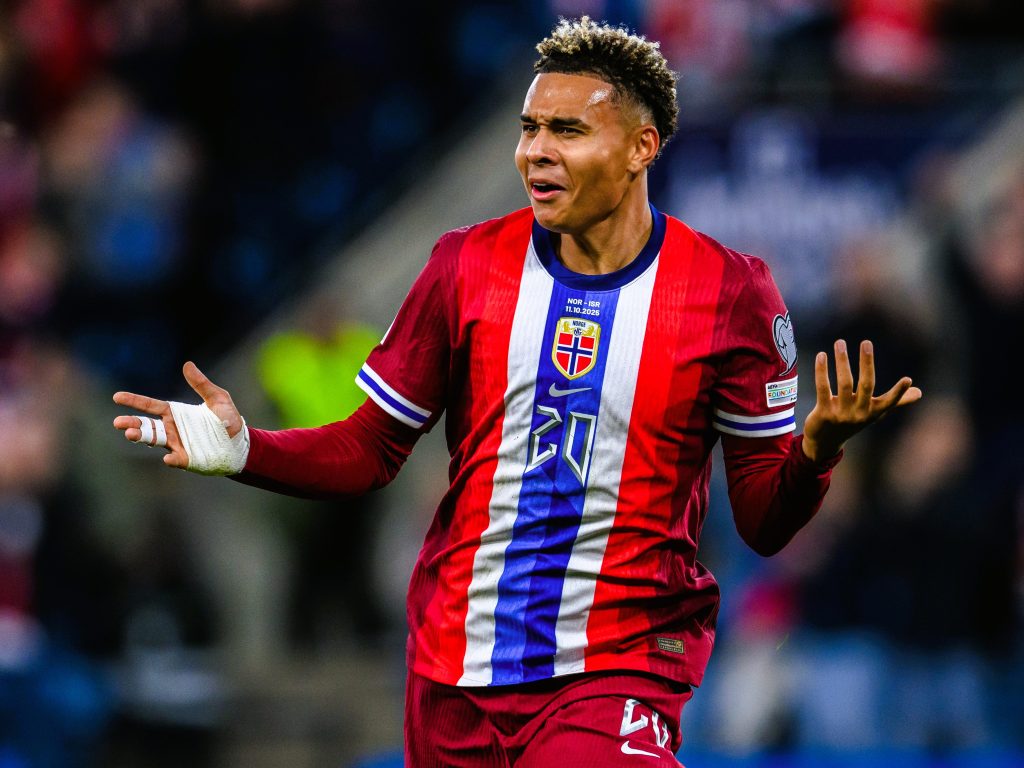
Antonio Nusa was born in Congo and raised in Norway, and he plays football with a creativity and risk that feels borrowed from the streets of Rio rather than the training pitches of Scandinavia.
That is not a criticism of Scandinavian football — it is simply an acknowledgement that Nusa’s style is genuinely rare, and that its rarity makes it extraordinarily difficult to defend against.
His ability to take on defenders in 1v1 situations, to change direction at pace, and to make decisions in the final third that bypass conventional thinking makes him the perfect complement to Haaland’s directness.
Where Haaland attracts central defenders and creates space, Nusa is the player capable of exploiting it — drifting past full-backs, forcing mistakes, creating chaos in the channels.
Norway in 2026 are not expected to win the tournament. But they are expected to be uncomfortable opponents for anyone who faces them. Nusa is a large part of why.
Lennart Karl (Germany)
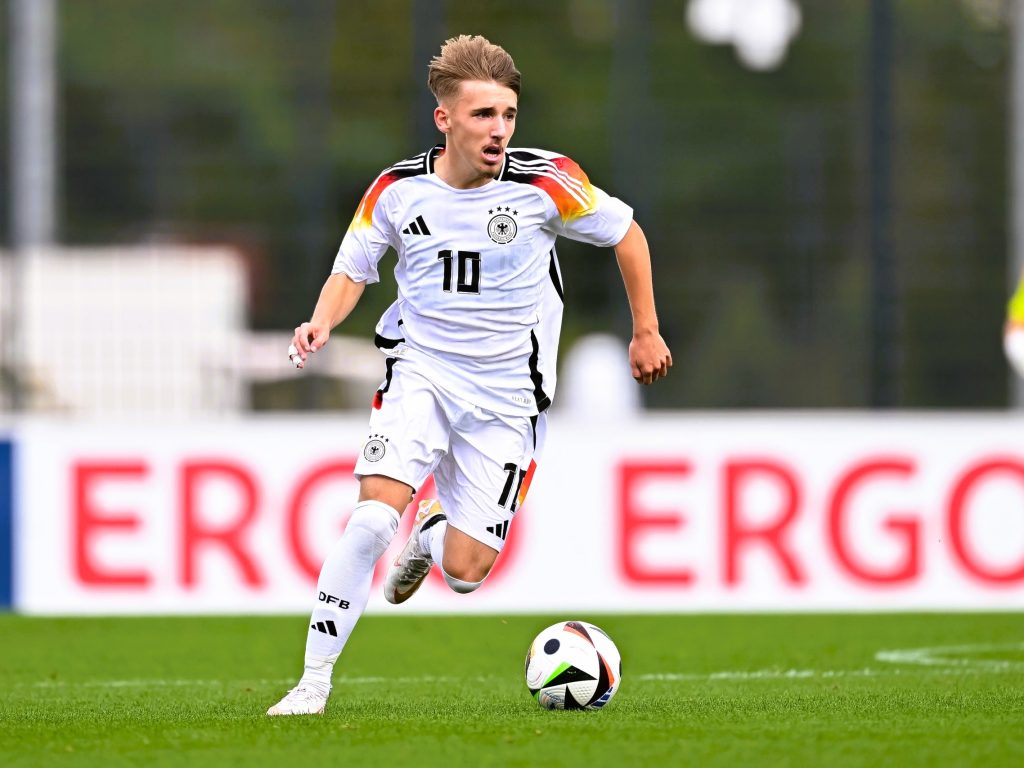
Germany’s football history is defined by evolution — the game reinventing itself through new generations of player, new tactical philosophies, new expressions of collective intelligence.
Lennart Karl represents the latest iteration of that evolution: a teenager with a clinical finishing touch, a rapid ascent through Bayern Munich’s ranks, and the kind of goal-to-minute ratio at youth and early senior level that demands attention.
Germany’s major tournament frustrations in recent years have often been traced to an inability to convert superiority in possession into goals.
Karl — whether as starter or impact substitute — offers a different kind of solution to that problem. He does not need much. When the ball arrives in his vicinity in the right position, he generally knows what to do with it.
Expect Germany to be cautious with him. Expect the moments they do use him to be decisive.
Gilberto Mora (Mexico)
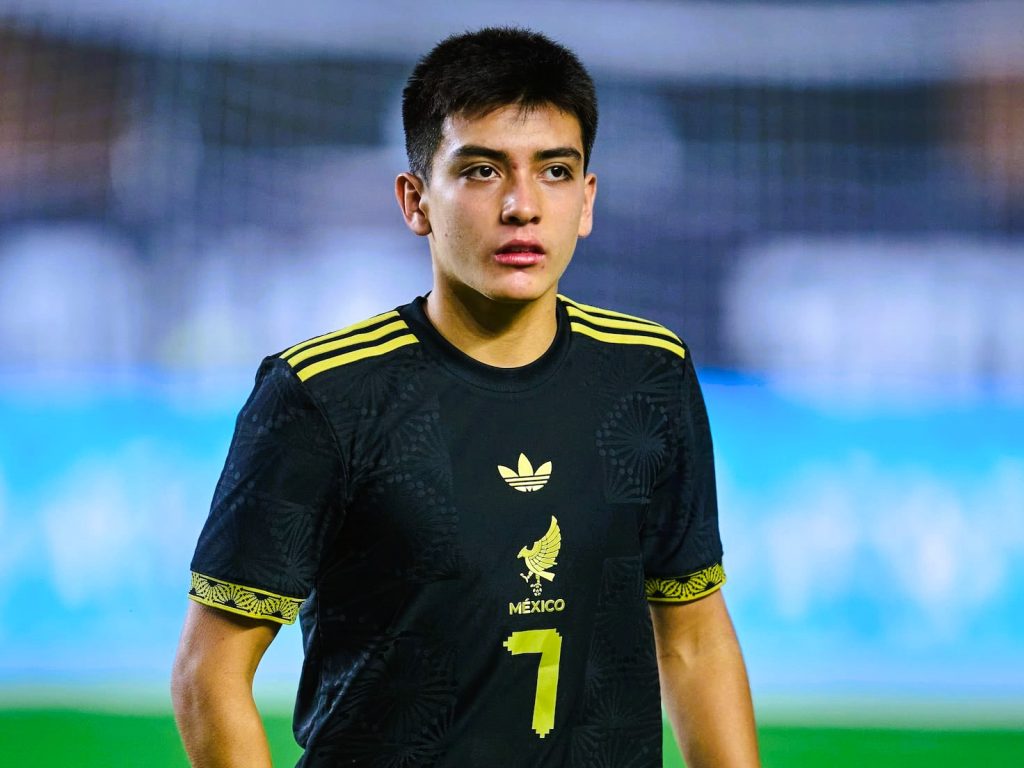
Mexico will play on home soil in 2026. The atmosphere at the Estadio Azteca, in Dallas, in Los Angeles — these will be among the loudest, most emotionally charged environments in World Cup history.
And Gilberto Mora, the youngest Liga MX goalscorer in recent memory and a Copa Gold winner, walks into that environment as one of the most exciting young Mexican players in a generation.
His role in the Tricolor’s setup is that of a versatile creative attacker — comfortable across the frontline, capable of linking play and driving forward, and possessed of the kind of composure in front of goal that normally takes years to develop.
For a host nation that will feel enormous public pressure to perform, having a young player capable of manufacturing moments of joy out of nothing is an asset beyond calculation.
The Others Worth Watching
Nico Paz, operating in Argentina’s midfield with a creative intelligence and dribbling efficiency that scouts across Europe have been noting for two seasons.
Yan Diomande, Côte d’Ivoire’s take-on machine at RB Leipzig, adding a dimension to African football’s technical options.
Andrey Santos, Brazil’s complete midfielder who complements rather than duplicates Vinícius and Estêvão.
Elliot Anderson, the defensive anchor England never quite had — reading the game, breaking play, and allowing the more creative players around him to breathe.
None of these players will arrive in North America as household names. All of them, in the right circumstances, could leave as exactly that.
Standout Players from the Co-Host Nations
United States: Christian Pulisic
Christian Pulisic has spent most of his career slightly ahead of where American football culture actually is — a player who has been elite at club level for years at a time when the United States was still building the domestic and international structures capable of competing with the world’s best.
In 2026, Pulisic is captain, talisman, and symbol. Playing on home soil, in front of crowds that will be the largest and most passionate in USMNT history, he arrives as the player most likely to produce the kind of moment — a goal against a European giant, a decisive run in a knockout game — that fundamentally changes what American football believes about itself.
Around him, a generation of young American players who have cut their teeth in European leagues gives the USMNT a structural quality they have never previously possessed.
Whether that is enough to reach the latter stages of a tournament they are co-hosting is the question that will dominate North American football conversation for the next twelve months.
Mexico: Giménez
Santiago Giménez has proven, across multiple seasons of European football, that he is a legitimate elite-level striker.
His movement, his finishing, and his ability to function as a lone striker in high-pressure environments are all tested and verified.
For Mexico, which will carry the emotional weight of a home tournament in ways that even England in 1966 could not quite match, Giménez provides the experienced focal point that the creative licence of Gilberto Mora demands.
The combination — Mora’s creativity, Giménez’s finishing — gives Mexico a forward partnership capable, on their best day, of troubling any defence at this tournament.
Canada: Davies and David
Alphonso Davies is one of the most dynamic left-backs in world football. His capacity to function as a de facto left winger — bombing forward from deep, combining with attackers, delivering into dangerous areas — gives Canada an attacking dimension from an unexpected position.
Jonathan David, clinical and composed in front of goal across multiple European club seasons, provides the finishing product.
Canada are not expected to go deep into the knockout rounds. They should, however, be competitive.
They should produce moments. And in an expanded format where the group stage offers more opportunity to build momentum, they could arrive at the last sixteen in a form that surprises people.
Position-Wise: The Best at Each Role
Best Forwards
The forward pool for 2026 is historically deep. Mbappé and Haaland represent the apex of modern striker profiles — one a devastating pace-and-finish machine, the other a pure goal-getter with physical dominance.
Kane offers a different kind of excellence: smarter, more technical around the box, less reliant on raw speed.
Vinícius brings the unpredictability that undoes organised defences. And the emergence of Estêvão, Mastantuono, and Yamal means the flank positions will be contested by generational talents barely out of their teens.
If forced to name the forward who will have the greatest single impact on this tournament: Mbappé, health permitting. If forced to name the one most likely to surprise: Estêvão Willian.
Best Midfielders
The midfield landscape of world football is unusually rich. Pedri offers Spain something irreplaceable. Valverde gives Uruguay energy and craft. Vitinha brings control and elegance to Portugal’s transitions.
And in the breakout category, Andrey Santos and Nico Paz represent a wave of South American midfield talent that plays the position with a technical expressiveness that Europe’s coaching academies are still trying to fully understand.
Pedri is the pick. He is the player most likely to control a major game, to find the pass that unlocks something, to do the unglamorous and glamorous in equal measure and make both look effortless.
Best Defenders
Hakimi is the world’s best full-back. Cubarsí may be the best young centre-back on the planet.
The partnership of Rúben Dias and the rest of Portugal’s defensive structure brings proven tournament experience.
And Virgil van Dijk, if the Netherlands are to go far, will need to be everything he has always been for Liverpool — authoritative, aggressive in the air, and commanding in the moments that require calm.
The best defender of this tournament will be decided in knockout moments — a last-ditch block, a critical interception. Cubarsí has the composure. Hakimi has the athleticism. The stage belongs to both of them.
Best Goalkeepers
Alisson brings his Champions League experience and extraordinary shot-stopping to Brazil’s tournament.
And a generation of young goalkeepers — Athletic Club’s Unai Simón for Spain, Diogo Costa for Portugal — offer the sharp reflexes and confident distribution that the modern game demands.
Alisson is the best goalkeeper in the world when he is at his best. If Brazil go deep, he will be the reason.
The 2026 FIFA World Cup begins in June 2026 across the United States, Canada, and Mexico — the largest, most expansive World Cup in football history. These are the players who will define it