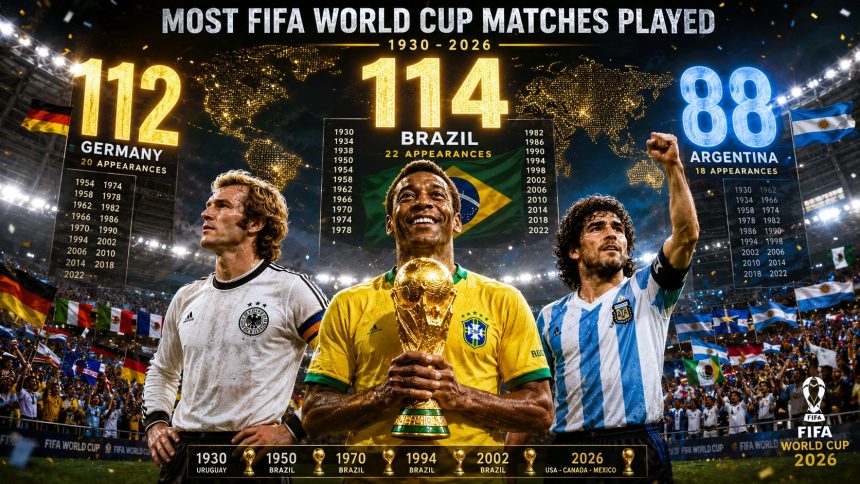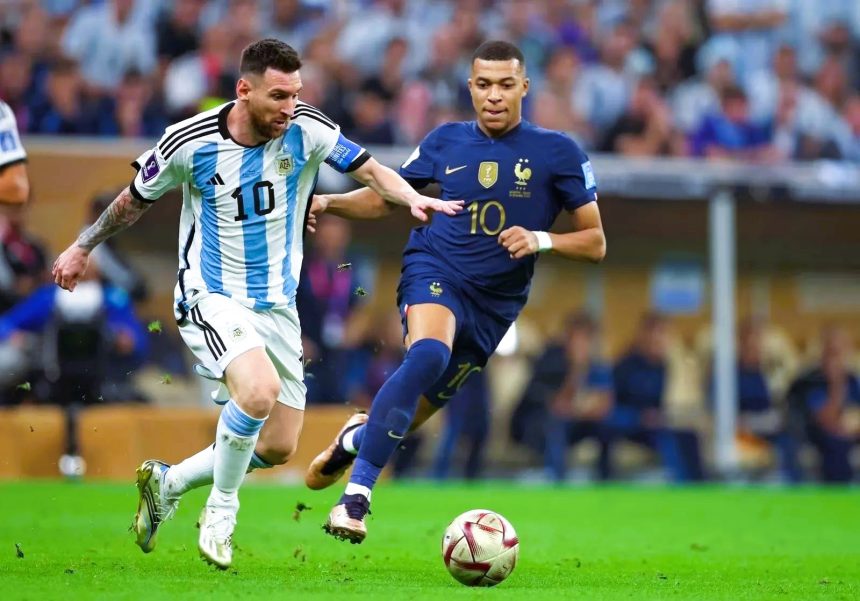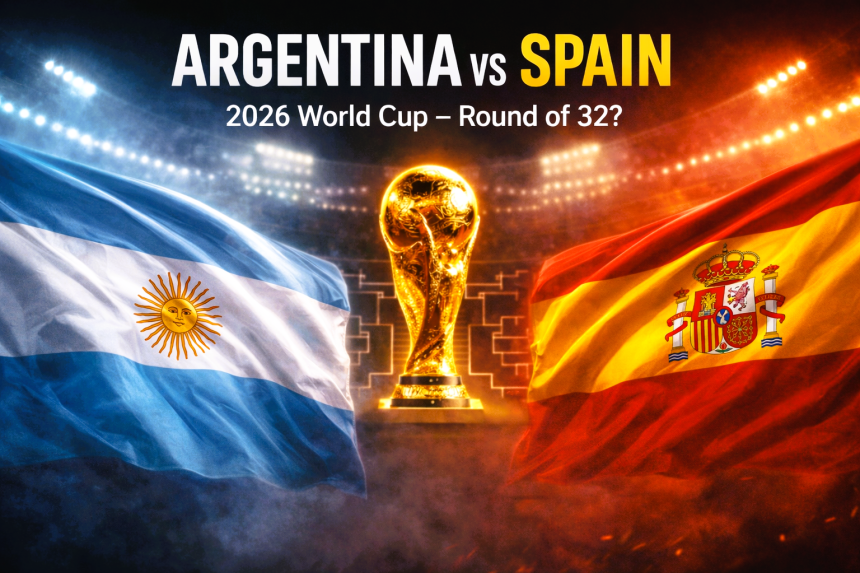





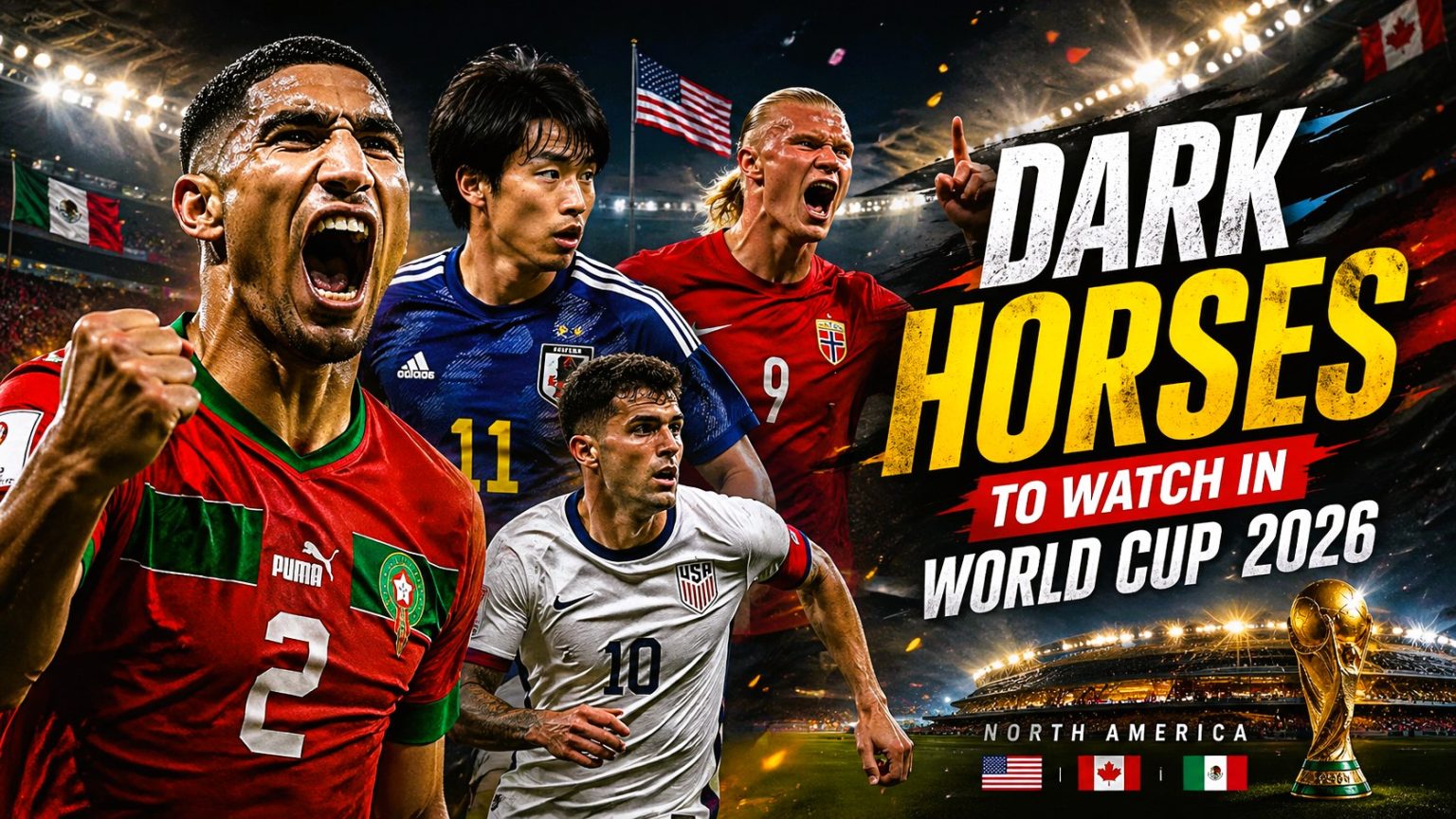

The 2026 World Cup is set to be the most unpredictable tournament in history—and not just because of the giants.
With 48 teams and a new format, the door is wide open for underdogs to shock the world.
From Morocco’s tactical brilliance to Norway’s explosive firepower, several underdogs are emerging as serious threats.
While powerhouses like Argentina national football team, Brazil national football team, and France national football team dominate the headlines, a fearless group of dark horses is quietly preparing to make a deep run in North America.
Top Underdog Teams for the 2026 World Cup
Quick Comparison Table (HIGH SEO VALUE)
| Team | Strength | Star Player | Best Finish Potential |
|---|---|---|---|
| Morocco | Defense | Hakimi | Semi-finals |
| Japan | Tactics | Mitoma | Quarter-finals |
| Norway | Attack | Haaland | Quarter-finals |
| Senegal | Physicality | Mané | Quarter-finals |
| USA | Home Advantage | Pulisic | Quarter-finals |
| South Korea | Disciplined | Son Heung-min | Quarter-finals |
Morocco – The 2022 Heroes Ready for More
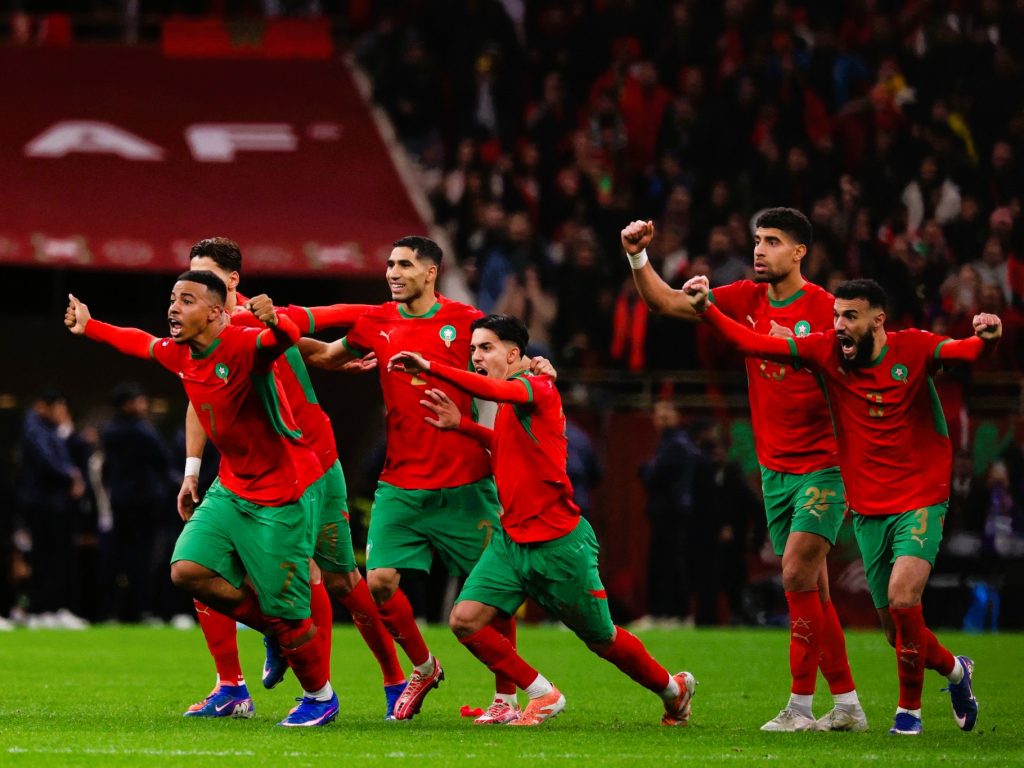
Morocco enters the 2026 tournament not just as a participant, but as a legitimate global threat ranked 11th in the world.
After their historic semi-final run in Qatar, the “Atlas Lions” have only grown stronger, becoming the only team to win every single qualifying match for this cycle.
Head coach Walid Regragui, often dubbed the “Moroccan Guardiola,” has refined a tactical 4-1-4-1 system that prioritizes defensive solidity—conceding just one goal in their first five 2022 matches—while integrating a new wave of elite talent.
Key figures like Achraf Hakimi continue to lead, but the squad now features the Mohammed VI Football Academy‘s latest graduates and the stars of their Under-20 World Cup-winning team.



Facing Brazil in the group stage on June 13, Morocco is widely tipped to reach at least the quarter-finals, carrying the heavy expectations of a nation dreaming of becoming Africa’s first world champion.
Japan – Asia’s Tactical Masters
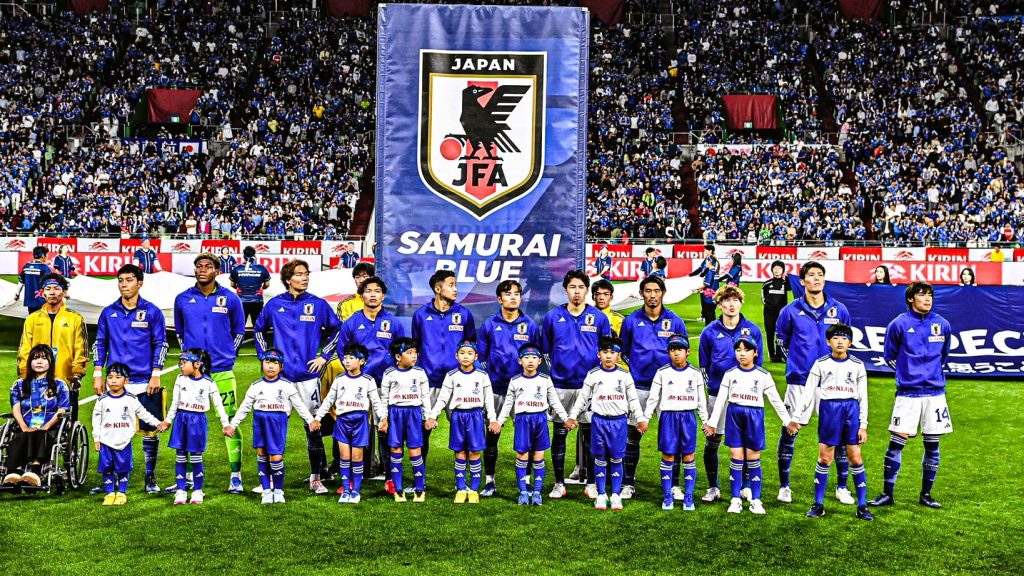
The “Samurai Blue” are no longer giant-killers by chance; they are a polished, mature outfit that recently became the first Asian nation to defeat England at Wembley.
Under the pragmatic leadership of Hajime Moriyasu—the first manager to lead Japan in back-to-back cycles—the team has mastered a “chameleon” philosophy.
They can dominate possession with technical precision or switch to a lethal low-block counter-attack using Moriyasu’s signature 3-4-2-1 formation.
Japan was the first nation to qualify for 2026 (outside of co-hosts), reeling off six straight wins while scoring 24 goals without conceding.
With a roster heavily “Europe-proven” including stars like Kaoru Mitoma, Takefusa Kubo, and captain Wataru Endo, they boast incredible technical depth.
Currently ranked 19th and stable as Asia’s top-ranked nation, Japan is focused on breaking their Round of 16 curse and finally reaching the tournament’s final eight.
Norway – Haaland’s Warriors
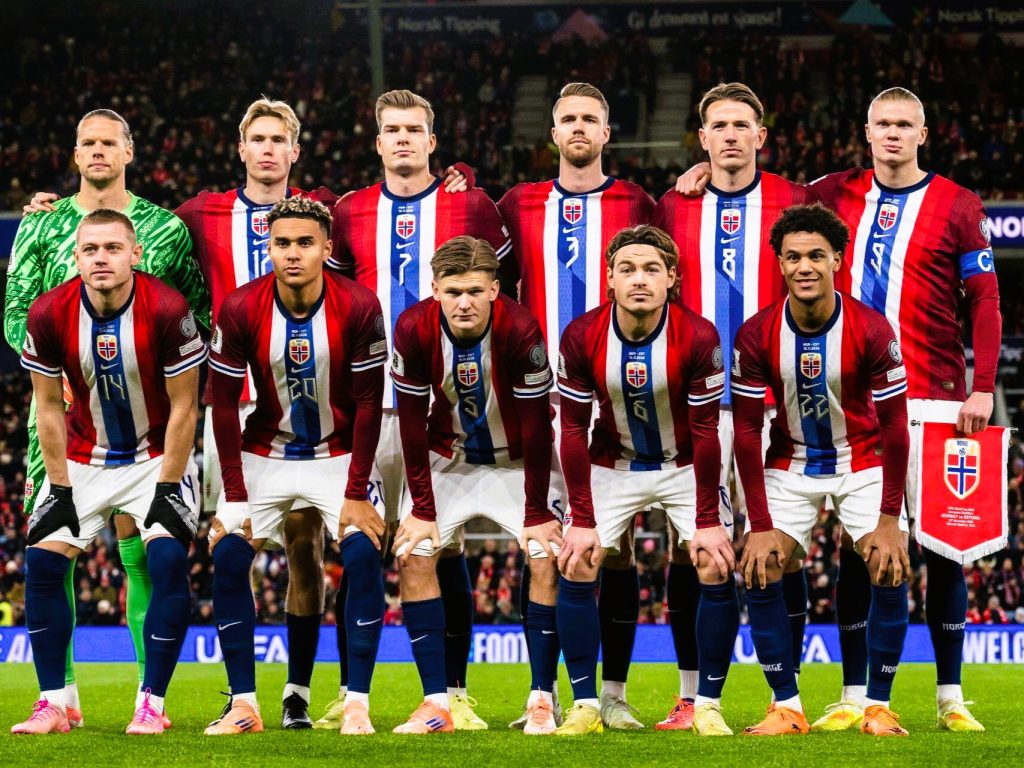
Ending a 28-year drought, Norway has finally qualified for the World Cup with a “golden generation” that top heavyweights will be desperate to avoid.
Led by Erling Haaland, who dominated the UEFA qualifiers with a historic 16 goals in just eight games, the Nordics secured a perfect qualifying record.
This isn’t a one-man show, however; captain Martin Ødegaard provided more assists than any other European player during the campaign, creating a clinical pipeline for Haaland.
Coach Stale Solbakken has built a high-scoring, balanced squad featuring rising stars like Antonio Nusa and Oscar Bobb alongside established physical presences like Alexander Sørloth.
Their statement 3-0 victory over Italy proved they can dismantle elite European defenses.
While not favorites to win the title, Norway’s sheer firepower makes them a terrifying prospect in the group stages, where they are scheduled to face France and Senegal in high-stakes New Jersey matches.
Senegal – Lions of Teranga with Bite
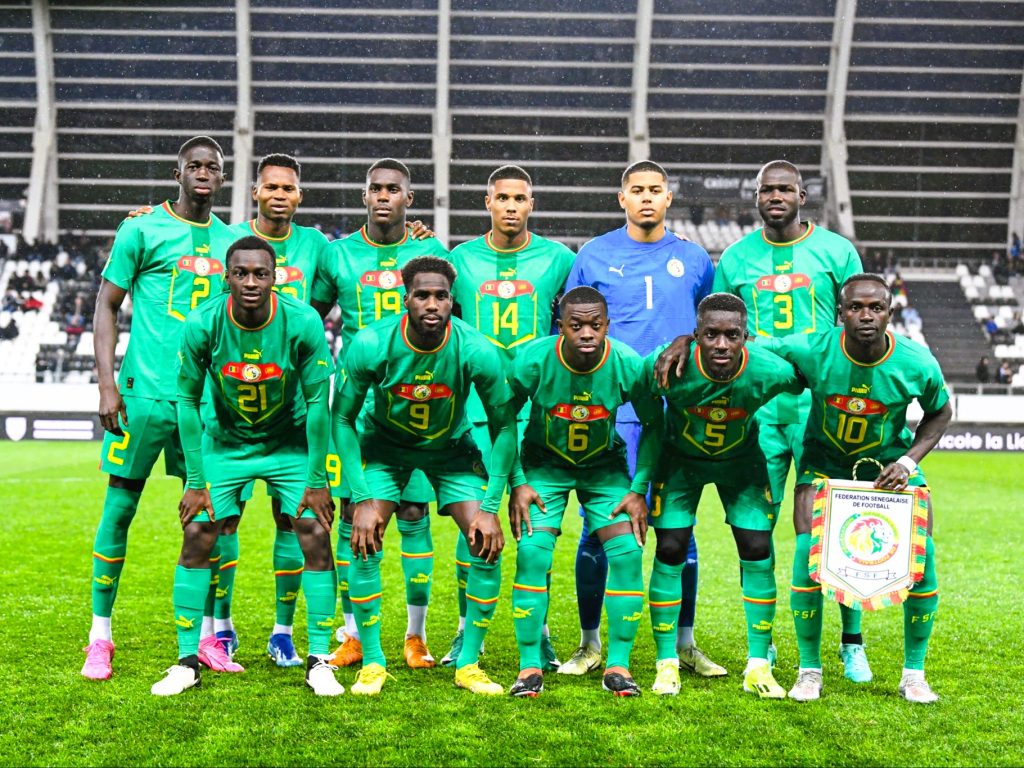
Senegal heads to North America as a consistent powerhouse, having qualified undefeated from CAF Group B.
The “Lions of Teranga” are defined by high-intensity pressing and lightning-fast transitions, a model that allows them to compete physically with any world power.
While veteran icons like Sadio Mané, Kalidou Koulibaly, and Edouard Mendy are approaching the twilight of their careers, the squad is rejuvenated by a crop of exciting young talent playing in Europe’s top leagues.
Midfielders Pape Matar Sarr and Lamine Camara, along with forward Nicolas Jackson, provide a refreshing youthful edge to the team’s established core.
Perhaps most exciting is 17-year-old sensation Ibrahim Mbaye, who has already emerged as a knockout-stage hero.
With a group stage draw featuring a massive clash against France on June 16, Senegal is eyeing a deep run to repeat or surpass their famous 2002 quarter-final finish.
United States – Hosts with Golden Generation Momentum
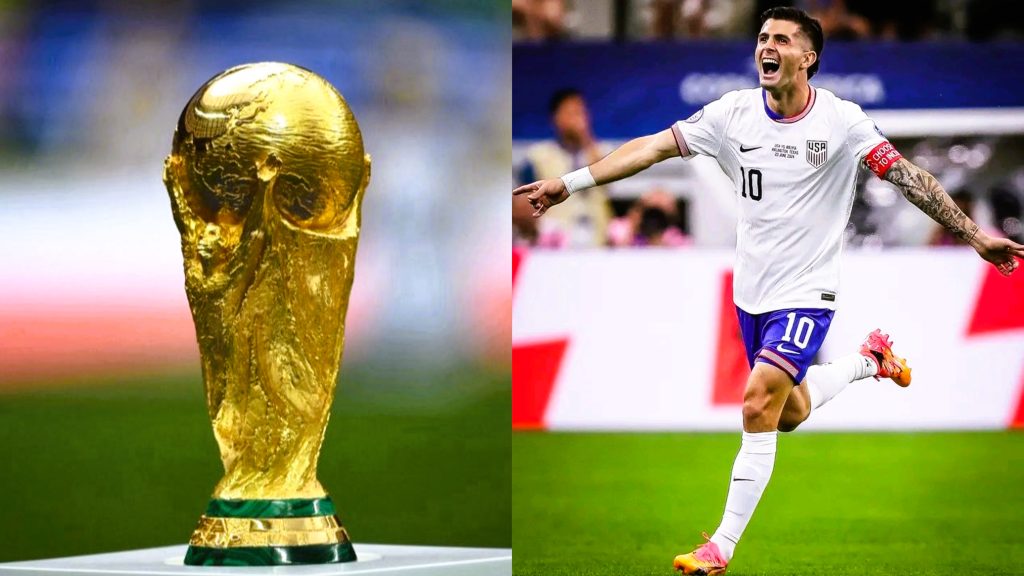
As co-hosts, the United States Men’s National Team (USMNT) enters the 2026 World Cup with the distinct advantage of playing on home soil.
This “golden generation” is the most talented in American history, with a core roster primarily based in Europe’s elite leagues.
The pressure is on to perform after years of development, and the tournament is seen as the ultimate litmus test for the growth of soccer in the U.S..
Positioned in Pot 1 as hosts, they avoid the world’s absolute heaviest hitters in the group stage, giving them a clear path to the knockout rounds.
While their tactical consistency is sometimes questioned, their athleticism and high-pressing style make them a difficult out for any opponent.
Fans are expecting this squad to leverage the home-crowd energy to push deep into the tournament, potentially rivaling their historic quarter-final run from 2002.
South Korea – The Relentless Challengers
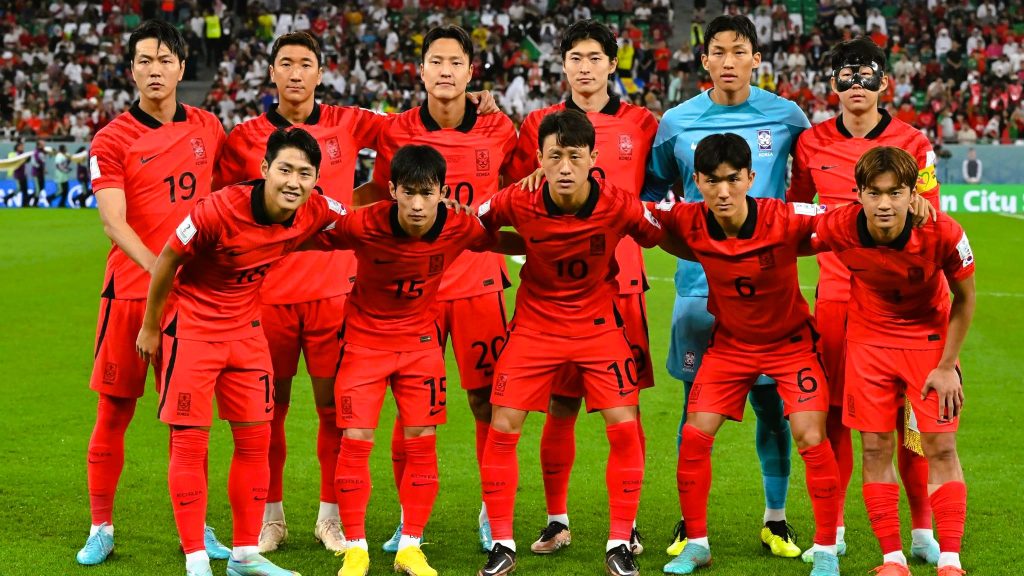
South Korea remains a constant threat in the World Cup landscape, known for their disciplined work rate and relentless endurance.
In the 2026 draw, they have been placed in a group alongside Mexico and South Africa, setting up a highly competitive path to the Round of 16.
The team continues to rely on a mix of world-class individual brilliance and cohesive team play, anchored by stars who have become mainstays in the Premier League and Bundesliga.
Their tactical identity often shifts between a disciplined mid-block and aggressive attacking spurts, designed to wear down opponents over 90 minutes.
After a qualifying campaign that demonstrated their continued dominance in Asia, the “Taegeuk Warriors” are looking to capitalize on their 11th consecutive World Cup appearance to upset the traditional hierarchy.
With the experience of 2022 still fresh, this squad is built to punish teams that underestimate their technical proficiency and organizational strength.
Why Underdogs Can Succeed in the 2026 World Cup
The expanded 48-team format is a game-changer. With 12 groups of four and 32 teams advancing from the group stage (top two plus eight best third-placed sides), there are more matches and more opportunities for upsets.
Fatigue will play a bigger role in a condensed summer schedule, favoring well-organized, high-fitness squads over star-heavy favorites.
Tactical evolution also levels the field. Modern underdogs emphasize data-driven pressing, set-piece specialization, and fluid formations—closing the gap that once separated them from elites.
Young talent pipelines from Europe’s academies are flooding these rosters, injecting speed and fearlessness.
Finally, less pressure works wonders: dark horses play with joy and freedom, while favorites carry the weight of expectation. History shows one or two will go further than anyone predicts.
Which Underdog Can Go the Furthest?
Main Pick: Morocco
If they defend like 2022 again, no giant is safe. Morocco remains the strongest candidate to go the furthest among the underdogs.
Currently ranked 8th in the world, they are the only team to enter the 2026 World Cup having won every single qualifying match.
Their defensive discipline—a hallmark of their 2022 semi-final run—has only improved, and they recently added the AFCON title to their trophy cabinet (awarded after Senegal’s disqualification).
While they face a heavyweight clash against Brazil on June 13, analysts widely expect them to top or comfortably advance from Group C and use their knockout experience to reach at least the quarter-finals once again.
Surprise Pick: Norway
Give Haaland one chance—and it’s over. Norway is the tournament’s most dangerous “sleeper” threat due to the sheer clinical efficiency of Erling Haaland, who netted a record 16 goals in qualifying.
Though they haven’t appeared in a World Cup since 1998, they qualified with a perfect record, including two dominant wins over four-time champions Italy.
Placed in the “Group of Death” (Group I) alongside France and Senegal, Norway is a high-risk, high-reward pick.
If Haaland stays fit, his ability to turn half-chances into goals makes Norway a nightmare matchup in the single-elimination knockout rounds where one goal often decides everything.
FAQs About Underdog Teams in the 2026 World Cup
What is a dark horse in the World Cup?
A dark horse is a team that is not widely expected to win but possesses the tactical discipline, emerging talent, or momentum to cause major upsets and advance deep into the tournament.
In the context of 2026, analysts define dark horses as teams whose structural performance—like defensive stability or transition speed—exceeds their perceived betting odds.
Which underdog team has won the World Cup before?
Technically, no true “outsider” has ever won the World Cup; all winners have been established footballing powers.
However, West Germany in 1954 (“The Miracle of Bern”) and Uruguay in 1950 are often cited as the biggest surprises to claim the title.
The most successful modern underdog run was Croatia reaching the final in 2018.
Can an underdog win the 2026 World Cup?
While historical data favors giants like Spain, France, and Argentina, the 2026 expansion to 48 teams increases unpredictability.
The extra knockout round adds physical strain to top teams, potentially opening a window for a highly disciplined, fit underdog like Morocco or Japan to break the traditional hierarchy.
Who are the biggest dark horses in 2026?
Experts highlight Morocco, Norway, and Japan as the primary dark horses due to their flawless qualifying campaigns and elite stars like Haaland and Mitoma.
Other notable threats include Colombia, which recently defeated both Brazil and Argentina, and host nations like the USA and Mexico, who benefit from home-field energy.
The 2026 World Cup promises more magic than ever thanks to its expanded format and the depth of talent across all confederations.
While the usual suspects will dominate headlines, these underdogs remind us why we love the beautiful game: on any given day, anyone can shock the world.
Expect drama, heartbreak, and heroes in North America. Which dark horse will capture your heart this summer? Drop your predictions in the comments.