







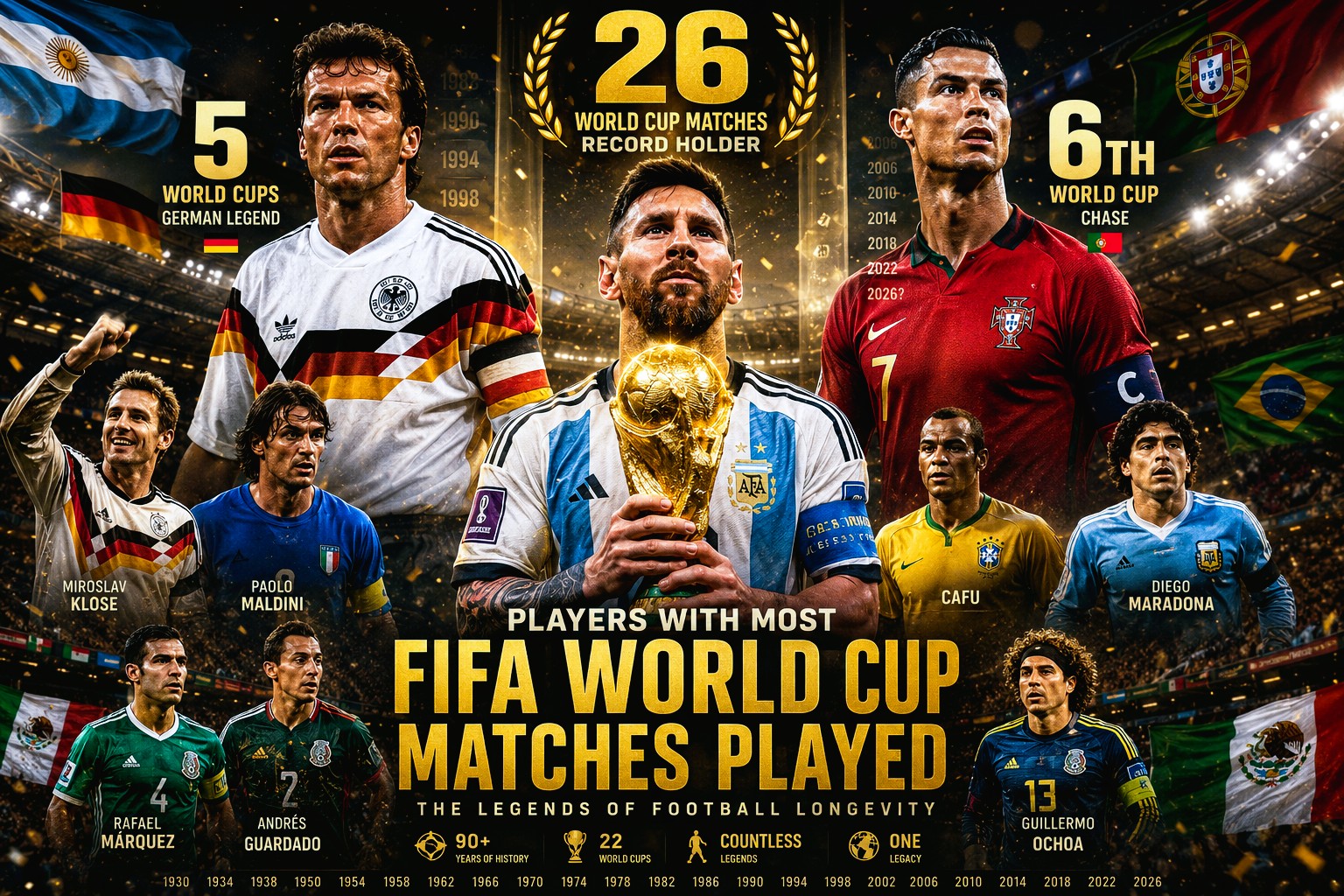

When we talk about football greatness, trophies and individual awards dominate the conversation.
But there is another, quieter measure of a player’s place in history — one that demands not just talent, but longevity, consistency, and the rare ability to perform at the highest level across decades.
We are talking about FIFA World Cup Matches Played: the number of matches a player has played across the grandest stage in world sport.
To play in one World Cup is a career milestone. To feature in two is elite. But to accumulate 20, 25, or even 26 World Cup matches across multiple tournaments? That is the stuff of footballing immortality.
This deep dive into the Players With Most FIFA World Cup Matches Played records explores who leads the all-time list, which nations have produced the most World Cup veterans, how position shapes longevity, and what the expanded 2026 tournament means for these records going forward.
Who has played the most World Cup matches?
The answer to this question changed definitively at the 2022 FIFA World Cup in Qatar. Lionel Messi of Argentina surpassed the legendary Lothar Matthäus to become the outright leader in most World Cup appearances by a single player, finishing the tournament with 26 matches to his name.
Players With Most FIFA World Cup Matches Played
The following table presents the all-time leaders in FIFA World Cup matches played. Note that the list is dominated by players from nations with a tradition of deep tournament runs — Germany, Argentina, Brazil, France, and Mexico.
| Rank | Team | Player | Appearances | Tournaments |
| 1 |  Argentina Argentina | Lionel Messi | 26 | 2006, 2010, 2014, 2018, 2022 |
| 2 |  Germany Germany | Lothar Matthäus | 25 | 1982, 1986, 1990, 1994, 1998 |
| 3 | Germany | Miroslav Klose | 24 | 2002, 2006, 2010, 2014 |
| 4 |  Italy Italy | Paolo Maldini | 23 | 1990, 1994, 1998, 2002 |
| 5 |  Portugal Portugal | Cristiano Ronaldo | 22 | 2006, 2010, 2014, 2018, 2022 |
| 6 | Argentina | Diego Maradona | 21 | 1982, 1986, 1990, 1994 |
| West Germany | Uwe Seeler | 21 | 1958, 1962, 1966, 1970 | |
 Poland Poland | Władysław Żmuda | 21 | 1974, 1978, 1982, 1986 | |
| 9 |  Brazil Brazil | Cafu | 20 | 1994, 1998, 2002, 2006 |
| Germany | Philipp Lahm | 20 | 2006, 2010, 2014 | |
| Poland | Grzegorz Lato | 20 | 1974, 1978, 1982 | |
 France France | Hugo Lloris | 20 | 2010, 2014, 2018, 2022 | |
| Argentina | Javier Mascherano | 20 | 2006, 2010, 2014, 2018 | |
| Germany | Bastian Schweinsteiger | 20 | 2006, 2010, 2014 | |
| 15 | France | Antoine Griezmann | 19 | 2014, 2018, 2022 |
 Mexico Mexico | Rafael Márquez | 19 | 2002, 2006, 2010, 2014, 2018 | |
| Germany | Per Mertesacker | 19 | 2006, 2010, 2014 | |
 Croatia Croatia | Luka Modrić | 19 | 2006, 2014, 2018, 2022 | |
| Germany | Thomas Müller | 19 | 2010, 2014, 2018, 2022 | |
| Germany | Manuel Neuer | 19 | 2010, 2014, 2018, 2022 | |
| West Germany | Wolfgang Overath | 19 | 1966, 1970, 1974 | |
| Brazil | Ronaldo | 19 | 1998, 2002, 2006 | |
| West Germany | Karl-Heinz Rummenigge | 19 | 1978, 1982, 1986 | |
| West Germany | Berti Vogts | 19 | 1970, 1974, 1978 | |
| 25 | West Germany | Franz Beckenbauer | 18 | 1966, 1970, 1974 |
| Germany | Thomas Berthold | 18 | 1986, 1990, 1994 | |
| Italy | Antonio Cabrini | 18 | 1978, 1982, 1986 | |
| Italy | Fabio Cannavaro | 18 | 1998, 2002, 2006, 2010 | |
| Argentina | Ángel Di María | 18 | 2010, 2014, 2018, 2022 | |
| Brazil | Dunga | 18 | 1990, 1994, 1998 | |
| France | Olivier Giroud | 18 | 2014, 2018, 2022 | |
| Argentina | Mario Kempes | 18 | 1974, 1978, 1982 | |
| West Germany | Pierre Littbarski | 18 | 1982, 1986, 1990 | |
| West Germany | Sepp Maier | 18 | 1970, 1974, 1978 | |
| Italy | Gaetano Scirea | 18 | 1978, 1982, 1986 | |
| Brazil | Cláudio Taffarel | 18 | 1990, 1994, 1998 | |
| France | Raphaël Varane | 18 | 2014, 2018, 2022 | |
| 38 |  France France | Fabien Barthez | 17 | 1998, 2002, 2006 |
 Spain Spain | Sergio Busquets | 17 | 2010, 2014, 2018, 2022 | |
| Brazil | Roberto Carlos | 17 | 1998, 2002, 2006 | |
| Spain | Iker Casillas | 17 | 2002, 2006, 2010, 2014 | |
 Uruguay Uruguay | Edinson Cavani | 17 | 2010, 2014, 2018, 2022 | |
| France | Thierry Henry | 17 | 1998, 2002, 2006, 2010 | |
| Germany | Jürgen Klinsmann | 17 | 1990, 1994, 1998 | |
| Brazil | Lúcio | 17 | 2002, 2006, 2010 | |
| Croatia | Ivan Perišić | 17 | 2014, 2018, 2022 | |
| Spain | Sergio Ramos | 17 | 2006, 2010, 2014, 2018 | |
| West Germany | Karl-Heinz Schnellinger | 17 | 1958, 1962, 1966, 1970 | |
 Belgium Belgium | Enzo Scifo | 17 | 1986, 1990, 1994, 1998 | |
 England England | Peter Shilton | 17 | 1982, 1986, 1990 | |
 Netherlands Netherlands | Wesley Sneijder | 17 | 2006, 2010, 2014 | |
| Netherlands | Robin van Persie | 17 | 2006, 2010, 2014 | |
| Italy | Dino Zoff | 17 | 1974, 1978, 1982 | |
| 54 | Italy | Roberto Baggio | 16 | 1990, 1994, 1998 |
| Italy | Giuseppe Bergomi | 16 | 1982, 1986, 1990, 1998 | |
| Poland | Zbigniew Boniek | 16 | 1978, 1982, 1986 | |
| Germany | Andreas Brehme | 16 | 1986, 1990, 1994 | |
| Belgium | Jan Ceulemans | 16 | 1982, 1986, 1990 | |
| Uruguay | Diego Godín | 16 | 2010, 2014, 2018, 2022 | |
 South Korea South Korea | Hong Myung-bo | 16 | 1990, 1994, 1998, 2002 | |
 Brazil Brazil | Jairzinho | 16 | 1966, 1970, 1974 | |
| Croatia | Dejan Lovren | 16 | 2014, 2018, 2022 | |
| Uruguay | Fernando Muslera | 16 | 2010, 2014, 2018 | |
| Germany | Mesut Özil | 16 | 2010, 2014, 2018 | |
| Argentina | Oscar Ruggeri | 16 | 1986, 1990, 1994 | |
| Brazil | Gilberto Silva | 16 | 2002, 2006, 2010 | |
| Uruguay | Luis Suárez | 16 | 2010, 2014, 2018, 2022 | |
| France | Lilian Thuram | 16 | 1998, 2002, 2006 | |
| Spain | Andoni Zubizarreta | 16 | 1986, 1990, 1994, 1998 | |
| 70 | Brazil | Bebeto | 15 | 1990, 1994, 1998 |
| France | Maxime Bossis | 15 | 1978, 1982, 1986 | |
| Belgium | Thibaut Courtois | 15 | 2014, 2018, 2022 | |
 Brazil Brazil | Didi | 15 | 1954, 1958, 1962 | |
| Croatia | Mateo Kovačić | 15 | 2014, 2018, 2022 | |
| Netherlands | Dirk Kuyt | 15 | 2006, 2010, 2014 | |
 Japan Japan | Yūto Nagatomo | 15 | 2010, 2014, 2018, 2022 | |
| Brazil | Nílton Santos | 15 | 1954, 1958, 1962 | |
| Germany | Lukas Podolski | 15 | 2006, 2010, 2014 | |
| Brazil | Rivellino | 15 | 1970, 1974, 1978 | |
| Netherlands | Arjen Robben | 15 | 2006, 2010, 2014 | |
| West Germany | Hans Schäfer | 15 | 1954, 1958, 1962 | |
| Brazil | Thiago Silva | 15 | 2014, 2018, 2022 | |
| Germany | Rudi Völler | 15 | 1986, 1990, 1994 | |
| Spain | Xavi | 15 | 2002, 2006, 2010, 2014 |
The pattern is clear: reaching the World Cup is common enough at the elite level, but consistently advancing deep into knockouts — across three to five tournaments — is what separates legends from mere participants.

Miroslav Klose, for example, reached the final in 2002 and won the tournament in 2014; those deep runs in four consecutive World Cups gave him 24 matches from just four tournaments.
Five Players with Most World Cup Matches Played
Behind every number in that table lies a career of extraordinary dedication. Here is a closer look at the legends who define the FIFA World Cup appearance record, position by position and tournament by tournament.
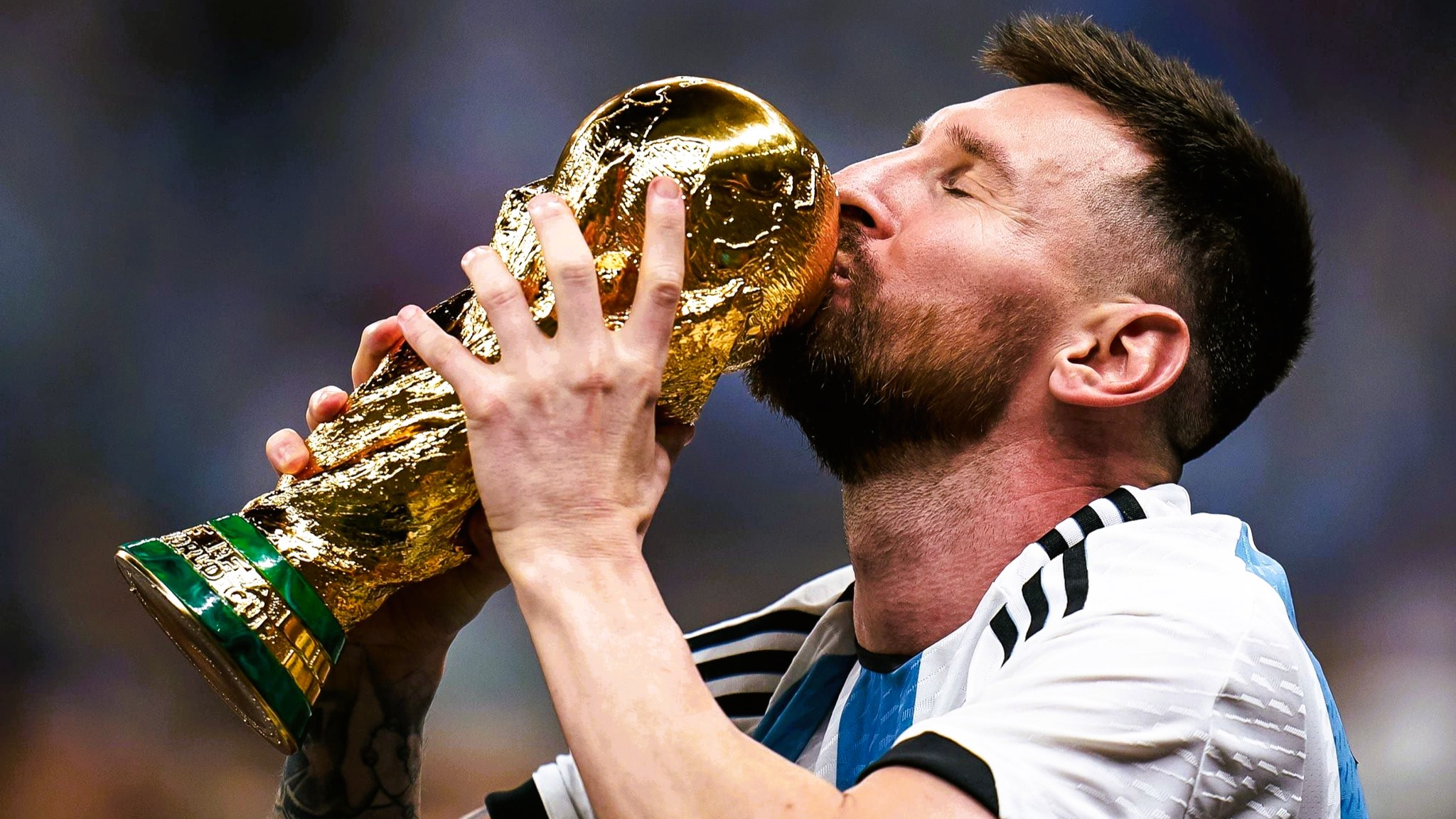
Lionel Messi — 26 World Cup Matches
- World Cups: 5
- Total Matches: 26
- Tournaments: 2006–2022
- World Cup Winner: 2022
Lionel Messi’s FIFA World Cup career is one of football’s greatest redemption arcs.
He first appeared at Germany 2006 as a teenager, scored a brilliant cameo goal against Serbia & Montenegro, and over the next 16 years accumulated more World Cup matches than any player in history.
He carried Argentina to finals in 2014, endured near misses and near-heartbreaks, and finally claimed the Jules Rimet trophy in Qatar in 2022 — completing a story four tournaments in the making.
With 26 World Cup matches to his name across five tournaments: 2006, 2010, 2014, 2018, and 2022, Messi holds the record for the most World Cup matches played by a single individual, surpassing even the legendary Lothar Matthäus in total games.
His World Cup statistics include 13 goals and 8 assists, making him the most productive player in the tournament’s modern era.
His longevity at the absolute summit of international football — from a nervous teenager in Germany 2006 to a euphoric champion in Qatar 2022 — is unmatched in the sport’s history.
Lothar Matthäus — 25 World Cup Matches
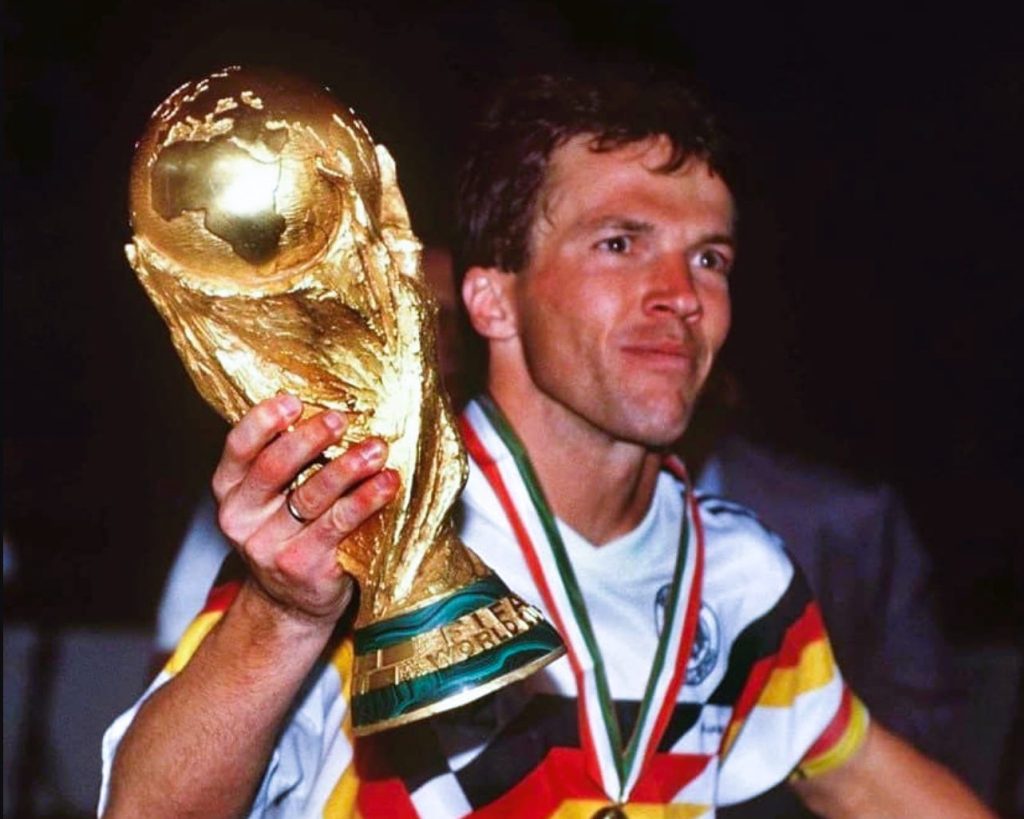
- World Cups: 5
- Total Matches: 25
- Tournaments: 1982–1998
- World Cup Winner: 1990
Until Qatar 2022, the German midfielder Lothar Matthäus had held the record since 1998.
The German midfielder and later sweeper appeared in five World Cups spanning sixteen years — from Spain in 1982 to France in 1998 — and compiled 25 appearances — a tally that stood for 24 years.
A combative, technically brilliant player, Matthäus won the 1990 World Cup with West Germany and remains one of Germany’s greatest ever internationals.
His World Cup longevity was extraordinary: his first appearance came at age 21 in 1982, his last at age 37 in 1998.
Miroslav Klose — 24 World Cup Matches
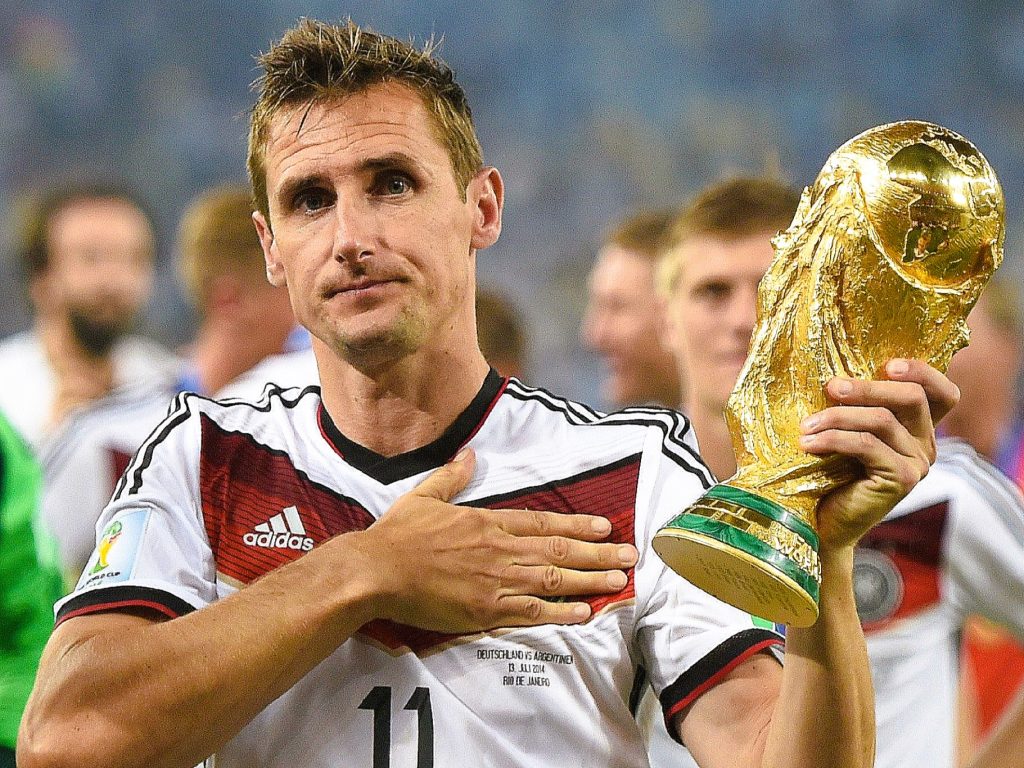
- World Cups: 4
- Total Matches: 24
- Tournaments: 2002–2014
- World Cup Goals: 16 (Record)
Miroslav Klose occupies a unique intersection in World Cup history — the player with the most goals (16) and one of the highest total appearances in the tournament.
Across four World Cups from 2002 to 2014, the Polish-born German striker played 24 matches, finishing as top scorer in 2006 and winning the title in 2014.
His final act, as a substitute in the semi-final demolition of Brazil in Belo Horizonte, was among the most dramatic World Cup moments in living memory.
Klose’s combined appearance and scoring records may never be surpassed, as neither feat individually seems likely to be bettered in the contemporary game.
Paolo Maldini — 23 World Cup Matches
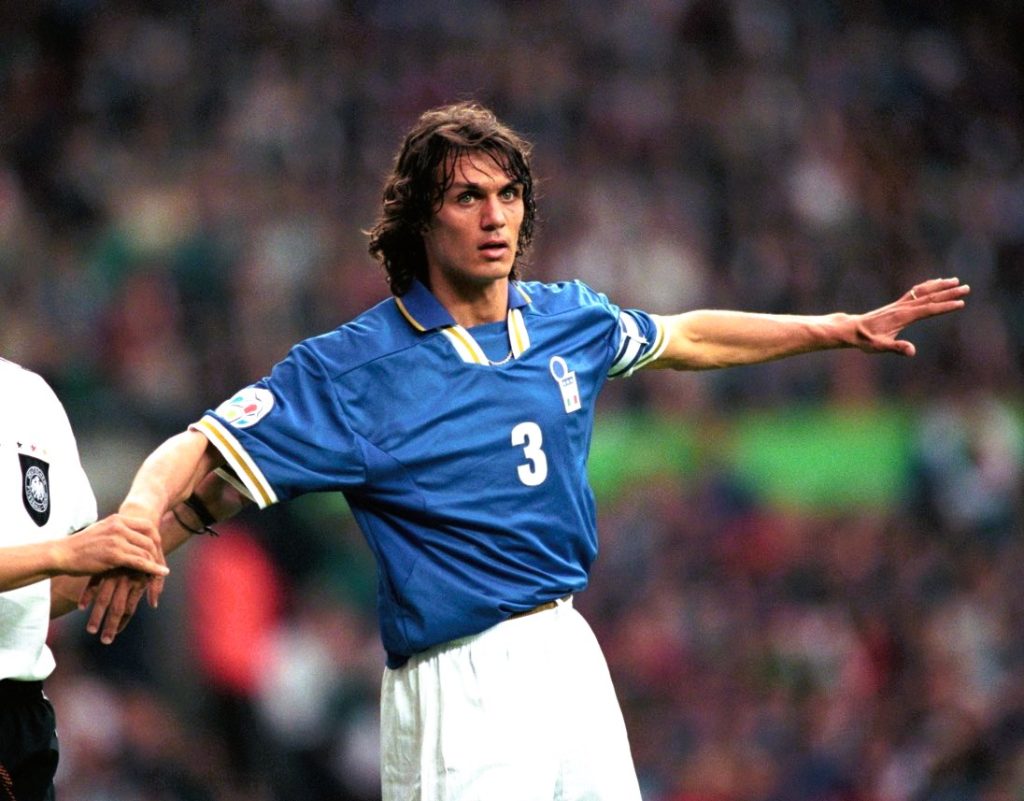
- World Cups: 4
- Total Matches: 23
- Tournaments: 1990–2002
- Runner-Up: 1994
Paolo Maldini is widely regarded as the greatest defender in football history, and his World Cup record reflects the extraordinary consistency of his defensive brilliance.
Representing the Azzurri across four tournaments — including Italia ’90 as a teenager in his home country — Maldini played 23 World Cup matches without ever lifting the trophy, a cruel irony for a player so dominant over the era.
His ability to perform at the highest level from 1990 through 2002, covering the full transition from the sweeper system to the modern back four, places him among the most resilient performers on the all-time World Cup appearance list.
Cristiano Ronaldo — 22 World Cup Matches
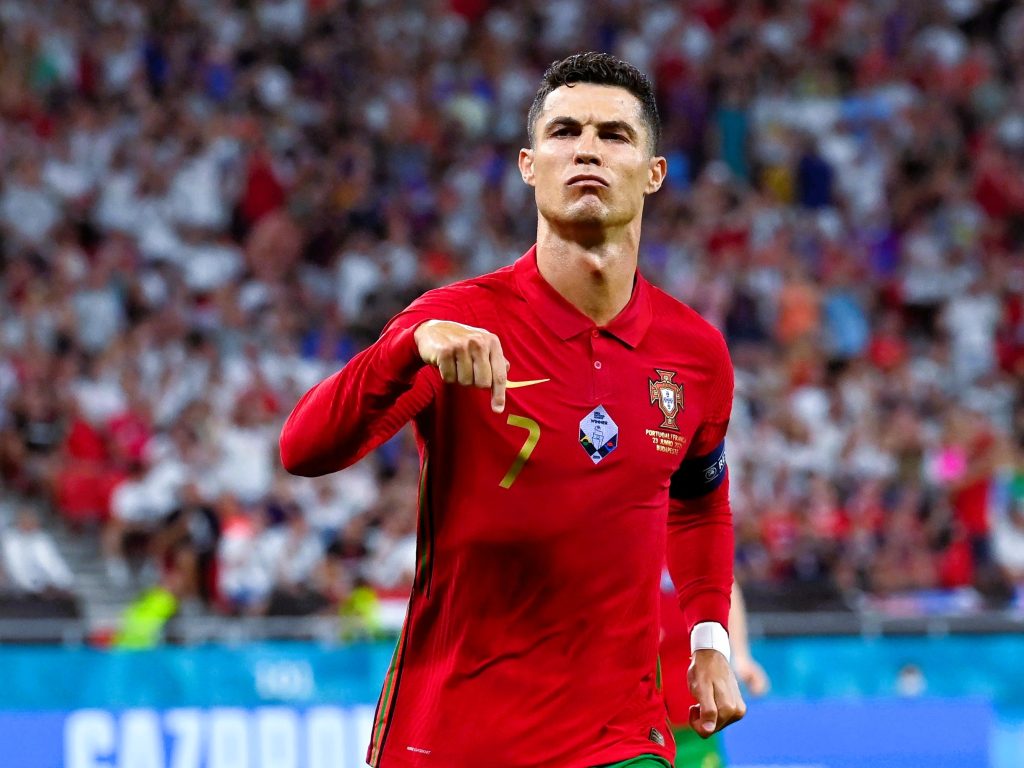
- World Cups: 5
- Total Matches: 22
- Tournaments: 2006–2022
- Goals: 8
Cristiano Ronaldo’s World Cup career is defined by persistence and individual brilliance in the face of collective limitation.
Across five tournaments — Germany 2006 through Qatar 2022 — he accumulated 22 World Cup appearances while becoming Portugal’s greatest ever scorer at the tournament.
He became the first male player to score at five different World Cups, a milestone that encapsulates his longevity and remarkable consistency in front of goal.
Though a World Cup title eluded him, Ronaldo’s impact on each tournament — from the raw teenage winger of 2006 to the experienced captain of 2022 — makes him one of the most appearances-laden players in FIFA World Cup history.
Why Matches Matter More Than Tournaments
A crucial distinction in this record is the difference between tournaments played and matches played. A player who reaches the final in every World Cup will accumulate far more matches than one who exits in the group stages five times. This is why understanding both metrics matters — and why deep knockout runs are the engine behind the all-time appearance leaders.
Players With Five FIFA World Cup Appearances
Appearing in five World Cups is among football’s rarest achievements. Only a handful of players have managed it, and each one represents a story of extraordinary dedication to international football spanning nearly two decades.
Antonio Carbajal — The Pioneer
The Mexican goalkeeper Antonio Carbajal was the first player in history to appear in five FIFA World Cups, achieving the feat between 1950 and 1966.
Known as “La Tota,” Carbajal is one of the most significant figures in World Cup history — not for medals (Mexico did not progress far in that era) but for the sheer milestone of his participation.
He played a total of 11 World Cup matches across those five tournaments, each time representing Mexico with distinction. For 35 years, he stood alone as football’s only five-time World Cup participant.
Lothar Matthäus — Germany’s Evergreen Titan
When Matthäus took to the field at France 1998 at the age of 37, he became only the second player to appear in five World Cups.
More remarkably, he played in five different outfield positions across those tournaments — starting as a midfielder in 1982 and ending his career at the back as a sweeper in 1998.
His ability to reinvent himself tactically is part of what made his longevity possible. His 25 matches from five tournaments remained the record until Messi surpassed him in 2022.
Lionel Messi — The Modern Master
Messi’s five-tournament journey culminated in the ultimate prize. His appearances in 2006, 2010, 2014, 2018, and 2022 trace an arc from precocious teenager to tournament winner, from near-miss heartbreak to fulfilled destiny.
With 26 matches across those five appearances, he accumulated more World Cup football than any player before him — and did it in a manner that answered every question about his greatness with the one answer that mattered most: a World Cup winner’s medal.
Cristiano Ronaldo — Persistence Personified
Ronaldo’s five World Cup appearances — 2006, 2010, 2014, 2018, and 2022 — tell a story of relentless ambition.
He arrived at Qatar 2022 having never progressed beyond the quarterfinal in any previous tournament.
He finished the 2022 tournament with 22 World Cup appearances, and despite Portugal’s exit in the quarterfinals once again, his tally places him among the all-time appearance leaders.
His quest for a World Cup winner’s medal became one of football’s great unfulfilled ambitions — a counterpoint to Messi’s triumph.
Mexico’s Dominance in Five-World-Cup Participation
Mexico has produced a remarkable cluster of five-World-Cup players, a reflection of both their consistent qualification since the 1990s and the country’s deep footballing infrastructure.
Rafael Márquez (2002–2018) stands as Mexico’s most capped World Cup player of the modern era, appearing in five consecutive tournaments.
Alongside him, players like Claudio Suárez, Cuauhtémoc Blanco, and Andrés Guardado have accumulated extraordinary World Cup experience.
Mexico’s consistent presence in the round of 16 — though sometimes frustratingly eliminated at that exact stage — has provided players with enough matches to build imposing appearance tallies.
Countries With the Most FIFA World Cup Matches Played Legends
Argentina
Argentina’s status as a footballing superpower is reflected in the depth of their World Cup appearance records.
Led by Messi’s all-time record of 26 matches, the Albiceleste have also seen Diego Maradona (21 matches across four World Cups), Javier Mascherano (20 matches, five tournaments), and Sergio Batista accumulate elite appearance tallies.
Argentina’s three World Cup titles — 1978, 1986, and 2022 — produced the deep tournament runs that generate high appearance counts, and their consistent presence in the knockout stages across decades has made them the nation most represented at the top of the all-time appearance list.
Germany
Germany’s efficiency in World Cup football is legendary: they have never failed to reach at least the quarterfinals when they have qualified.
This consistency, across both the West Germany and unified Germany eras, is why German players dominate the all-time appearances list.
Matthäus (25), Klose (24), Seeler (21), and Franz Beckenbauer (18) all feature among the leaders. Germany’s four World Cup titles and seven finals appearances since 1954 provide the structural context for these extraordinary tallies.
Brazil
Brazil is the only nation to have played in every single FIFA World Cup, and their record five titles reflect a tradition of deep tournament runs.
Cafu (20 matches), Ronaldo Nazário (19), Dida (17), and Roberto Carlos (16) all feature in the top 50 all-time.
The Seleção’s consistent advancement to the latter stages — and their status as a near-perennial semifinalist — creates the conditions for high appearance totals across generations.
Mexico
Mexico’s contribution to World Cup appearance records is perhaps the most underappreciated.
Consistent qualifiers since 1950 (with gaps in 1974 and 1982), Mexico have produced multiple players with five World Cup participations. T
heir persistent presence — even if typically exiting in the round of 16 — means their stalwart players accumulate substantial match totals.
Rafael Márquez, with 19 World Cup appearances across five tournaments, is the nation’s standard-bearer.
Most FIFA World Cup Matches Played by Position
Goalkeepers
Goalkeepers have a natural advantage in World Cup appearance records: they rarely rotate, and when a team performs well, the same keeper can feature in every single match.
The all-time leader among goalkeepers is Gianluigi Buffon of Italy, who appeared in four World Cups (1998, 2002, 2006, 2010) and accumulated 17 matches — a figure that would have been higher had Italy not suffered the indignity of failing to qualify in 2018.
Mexico’s Antonio Carbajal (11 matches across five tournaments) and Jorge Campos (12 matches across three) are also notable in this position.
Among active keepers, Manuel Neuer’s 19 World Cup appearances make him the highest-ranking goalkeeper on the all-time list by matches played.
Defenders
Defenders who perform consistently at international level can build extraordinary World Cup tallies, particularly those deployed in the sweeper or libero role that allows for extended careers.
Paolo Maldini leads all defenders with 23 World Cup matches across four tournaments (1990, 1994, 1998, 2002), a record that reflects Italy’s consistent tournament performances in that era.
Cafu (20 matches) and Mexico’s Claudio Suárez (19 matches) are close behind. Rafael Márquez’s 19 appearances across five tournaments make him Mexico’s greatest World Cup defender.
Midfielders
The midfield position is where World Cup appearance records are most dramatically shaped by longevity.
Lothar Matthäus (25 matches) leads all midfielders and trails only Messi among outfield players all-time.
The physical and tactical demands of elite midfield play make sustained five-tournament careers extremely rare, making Matthäus’s achievement all the more remarkable.
Xavi Hernández (18 matches, three tournaments) and Cafu’s Brazilian contemporary Gilberto Silva also feature prominently among midfield appearance leaders.
Forwards
Forwards tend to have shorter international careers at elite level — the physical intensity of the position takes its toll.
Yet Miroslav Klose (24 matches, four tournaments) stands as the greatest forward in World Cup appearance history, a figure inseparable from his record of 16 World Cup goals.
Gerd Müller (13 matches, two tournaments) and Ronaldo Nazário (19 matches, four tournaments) are among the other forward legends with high appearance counts.
Messi, who operates in an advanced role, leads all forwards and all players with his 26-match total.
FIFA World Cup Matches Played Records and Interesting Facts
The raw statistics of World Cup appearance records reveal several fascinating milestones:
- Most matches played all-time: Lionel Messi, 26 matches (Argentina, 2006–2022)
- Most tournaments played: Five, achieved by Antonio Carbajal (Mexico), Lothar Matthäus (Germany), Lionel Messi (Argentina), Cristiano Ronaldo (Portugal), and a handful of others
- Most consecutive World Cups: Five, achieved by multiple players; achieving six consecutive appearances would require an active player to maintain international fitness from at least 2006 through 2026
- Most World Cup knockout stage Matches Played: Messi leads with 15 knockout-round matches; Matthäus and Klose each registered 14
- Most Matches Played by a goalkeeper: Manuel Neuer leads active players with 19 appearances; Buffon’s 17 represent the historical peak for a non-German keeper
- Most Matches Played by a defender: Paolo Maldini’s 23 remain the record, though Sergio Ramos (18) and Cafu (20) are close behind
- Youngest player with the most World Cup appearances: Messi began his five-tournament run at age 18 years and 357 days; his longevity from that starting point is unmatched
FIFA World Cup 2026 — The New Record Race
The 2026 FIFA World Cup, co-hosted by the United States, Canada, and Mexico, represents a seismic shift in World Cup football.
For the first time, the tournament will feature 48 nations competing across 104 matches in an expanded format. For players pursuing appearance records, this changes everything.
The Mathematics of the Expanded Format
Under the traditional 32-team format, a team winning the World Cup played 7 matches.
In the new 48-team format, a winning team will play 8 matches — moving through a league group stage, a round of 32, round of 16, quarterfinals, semifinals, and final.
This means that a player appearing in every match of a winning team’s campaign in 2026 will accumulate 8 appearances from a single tournament, compared to 7 previously.
For players at the top of the all-time list, this is significant. Every additional match in 2026 becomes more valuable to an all-time appearance record than any match in previous tournaments.
Lionel Messi — Chasing History
At the time of writing in 2026, Messi — aged 38 — has confirmed his intention to participate at the World Cup on home soil (he plays club football in the United States with Inter Miami).
Should he be selected and feature in matches, every appearance extends his already unassailable record.
The critical question is not whether he can reach the tournament, but how many matches an Argentina squad featuring both him and a next generation of talent might play.
Should Argentina advance deep into the tournament again, Messi could conceivably push his total toward 30 World Cup appearances — a figure that would dwarf anything previously achieved and might stand for a generation.
Cristiano Ronaldo — The Sixth World Cup Pursuit
Ronaldo’s situation heading into 2026 is perhaps the most intriguing storyline in football.
Now 41, he would need to earn selection for Portugal’s squad — something he has publicly pursued, maintaining extraordinary physical standards through club football in Saudi Arabia.
A sixth World Cup appearance would be historically unprecedented: no player has ever appeared at six tournaments.
Whether Ronaldo earns that distinction, and how many matches he might add to his 22-match total, remains one of the most watched developments in the game.
Why 2026 Changes Appearance Records Forever
The expanded 48-team format doesn’t just affect 2026; it redefines what World Cup appearance records will look like going forward.
Future players who enjoy five-tournament careers in the expanded era will have a structural advantage over their predecessors: more matches per tournament means more appearances to accumulate.
This makes records set before 2026 particularly meaningful — they were achieved in the harder, narrower format — and it means future all-time leaders will benefit from a more generous context.
The 2026 World Cup is the beginning of a new chapter in World Cup appearance record-keeping, and the players who navigate it successfully will reshape the leaderboard for decades.
Next Generation Players Who Could Break These Records
The expanded format and lower age of top international debuts creates a new class of potential record-breakers — players young enough in 2026 to realistically participate in 2030 and 2034 as well.
Kylian Mbappé
France’s captain Kylian Mbappé made his World Cup debut at the 2018 tournament at age 19, becoming a finalist and scoring in the final at just 22 in 2022.
He enters 2026 at 27 — still at the peak of his powers — having already accumulated 16 World Cup appearances from two tournaments.
Should he feature in three more tournaments (2026, 2030, 2034), the expanded format means he could conceivably surpass Messi’s record.
No other player in the current generation has both the ability and the age profile to threaten the all-time record so realistically.
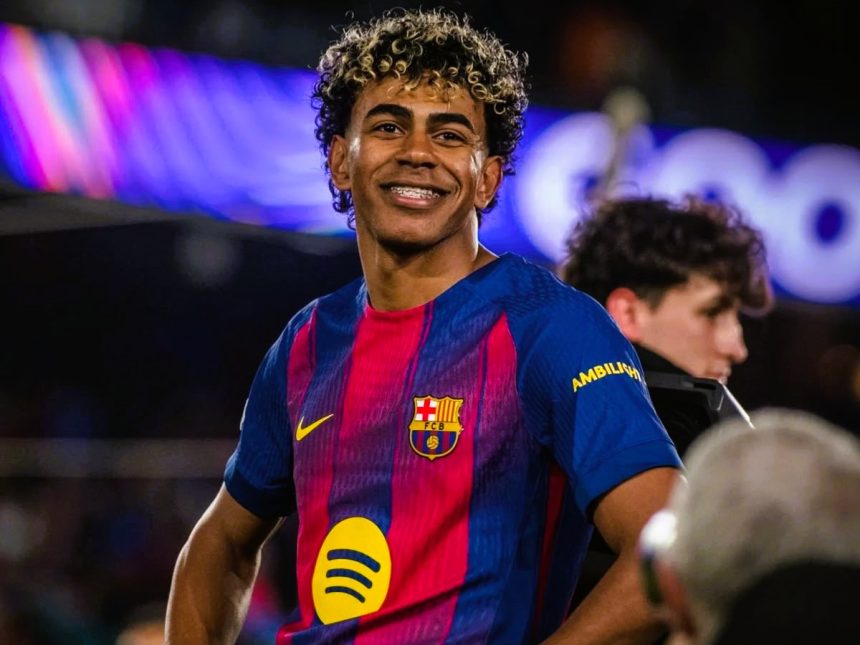
Lamine Yamal
Spain’s teenage sensation Lamine Yamal debuted at UEFA Euro 2024 at age 16 and is expected to be a central figure for Spain at the 2026 World Cup.
Born in 2007, he would be just 27 at the 2034 World Cup — meaning a potential six-tournament window of play stretches before him.
If he maintains his current trajectory, Yamal could become the first player to seriously threaten the appearance records set by Messi and Matthäus from within the expanded-format era.
Other Stars of Tomorrow
Pedri, Gavi, Rodri (Spain), Eduardo Camavinga (France), Florian Wirtz and Jamal Musiala (Germany).
The current generation of twenty-somethings in European football all have the combination of youth, talent, and national team pedigree to accumulate substantial World Cup appearance totals across the next three or four tournaments.
In the expanded format, players who sustain careers through their mid-thirties in high-performing international teams could finish with 30 or more World Cup matches — totals unimaginable in previous eras.
Frequently Asked Questions
Who has played the most World Cup matches?
Lionel Messi of Argentina holds the all-time record with 26 World Cup Matches Played, achieved across five tournaments between 2006 and 2022. He surpassed Lothar Matthäus’s previous record of 25 matches during the 2022 FIFA World Cup in Qatar, where Argentina won the title.
Which player has played in five FIFA World Cups?
Multiple players have appeared in five FIFA World Cups. Antonio Carbajal of Mexico was the first (1950–1966), followed by Lothar Matthäus of Germany (1982–1998). In the modern era, Lionel Messi (Argentina), Cristiano Ronaldo (Portugal), Rafael Márquez (Mexico), and Andres Guardado (Mexico), among others, have also played in five World Cup tournaments.
Which goalkeeper has played the most World Cup matches?
Among goalkeepers by matches played, Manuel Neuer of Germany leads active players. Historically, Gianluigi Buffon of Italy (17 matches, four tournaments) and Antonio Carbajal of Mexico (11 matches, five tournaments) are the most prominent. In the 2022 era, Emiliano Martínez of Argentina added 7 matches from the victorious campaign.
Can Messi or Ronaldo reach 30 World Cup matches?
Messi could theoretically reach 30 World Cup matches if he participates in 2026 and Argentina advances deep into the expanded tournament. At 38, the physical demands are significant but not impossible — particularly given his form at Inter Miami. Ronaldo reaching 30 would require a sixth tournament in 2026 and sustained participation across many matches, making it extremely challenging but not categorically impossible.
Who could break Messi’s World Cup Matches Played record?
Kylian Mbappé is the most realistic candidate. With 16 appearances before 2026 at age 27, three more tournaments could see him challenge or surpass Messi’s mark in the expanded-format era. Lamine Yamal, with a potential six-tournament window ahead of him, is the longer-term contender for all-time World Cup appearance supremacy.
The True Meaning of World Cup Longevity
FIFA World Cup appearance records are, at their core, measures of something that no trophy cabinet can fully capture: the sustained ability to perform at the highest level of football, across years and decades, on the world’s biggest stage.
To appear in 20, 25, or 26 World Cup matches, a player must possess not just exceptional individual quality, but the physical durability to sustain elite performance across 16 to 20 years of international football.
They must be selected — repeatedly — by national coaches under enormous pressure. Their countries must qualify. And they must then excel in knockout football, advancing deep enough into tournaments to accumulate the matches that define these records.
Lothar Matthäus did it by reinventing himself from dynamic midfielder to composed sweeper.
Paolo Maldini did it by becoming arguably the greatest defender who ever lived, decade after decade. Miroslav Klose did it through unwavering reliability as a World Cup goal-scorer across four tournaments.
Cristiano Ronaldo did it through arguably the most extraordinary dedication to physical conditioning in the sport’s history.
And Lionel Messi did it the way he has done everything: with a combination of genius, persistence, and a career arc that led to the perfect destination — lifting the World Cup in his fifth and final tournament, finishing as the all-time leader in a competition that had once seemed fated to deny him.
As the 2026 World Cup dawns in an expanded new format, and as a generation of extraordinary young talent begins their own World Cup journeys, these records remind us of what truly defines a career in international football: not just what you win, but how long you sustain the greatness required to keep coming back.
The greatest World Cup veterans — Messi, Matthäus, Maldini, Klose, Ronaldo — are not merely record-holders.
They are the living definition of footballing longevity, and the standards by which all future World Cup careers will be measured.